Mia Khoirunisa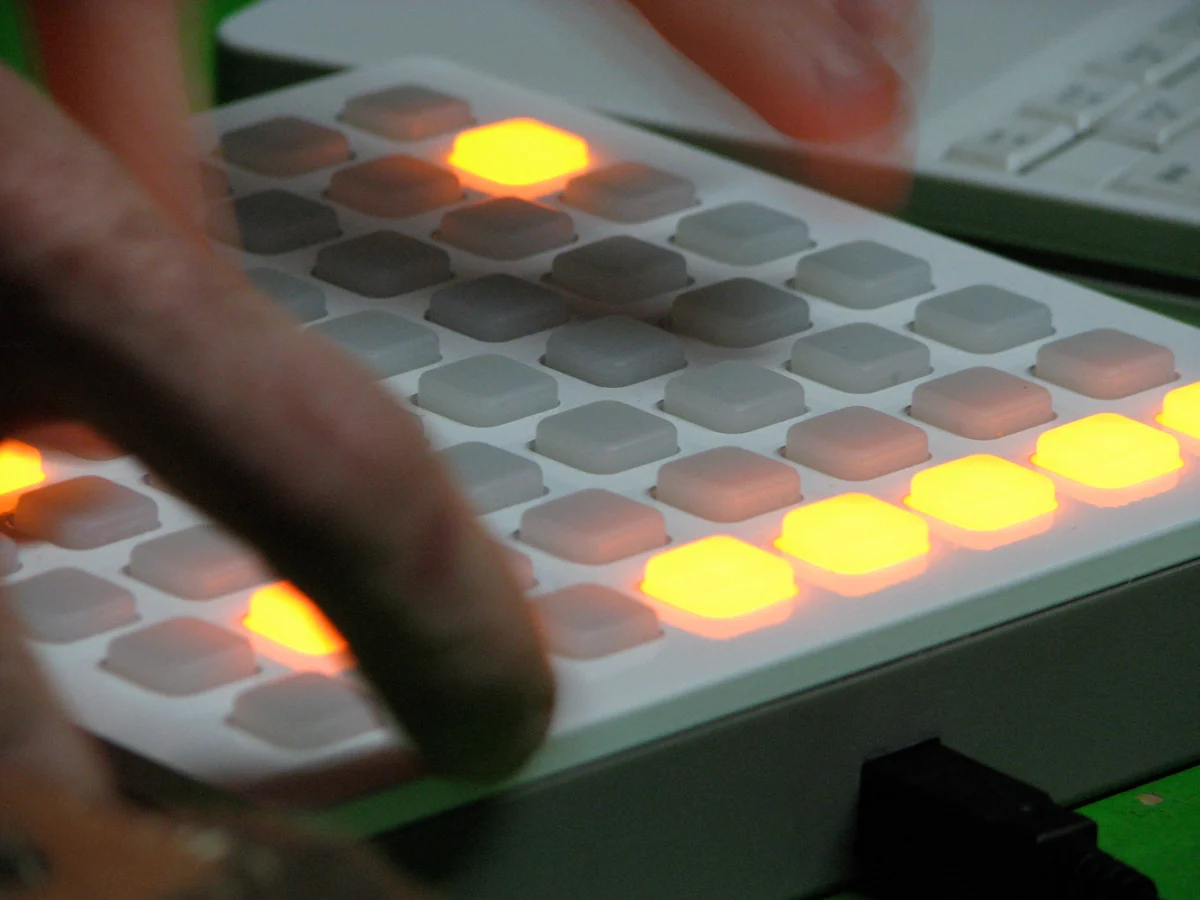
This week, Kelli Cain and Brian Crabtree are celebrating a significant milestone: the 20th anniversary of their groundbreaking company and project, monome. For two decades, monome has been at the forefront of innovative music technology, fostering a vibrant community and influencing a generation of electronic musicians. The anniversary is marked by a comprehensive gallery of archival photos, offering a visual journey through the project’s evolution and its profound impact on the landscape of digital music creation. This retrospective not only commemorates a technological achievement but also highlights the ethos of open-source development, user empowerment, and a unique approach to the intersection of physical interaction and digital sound.
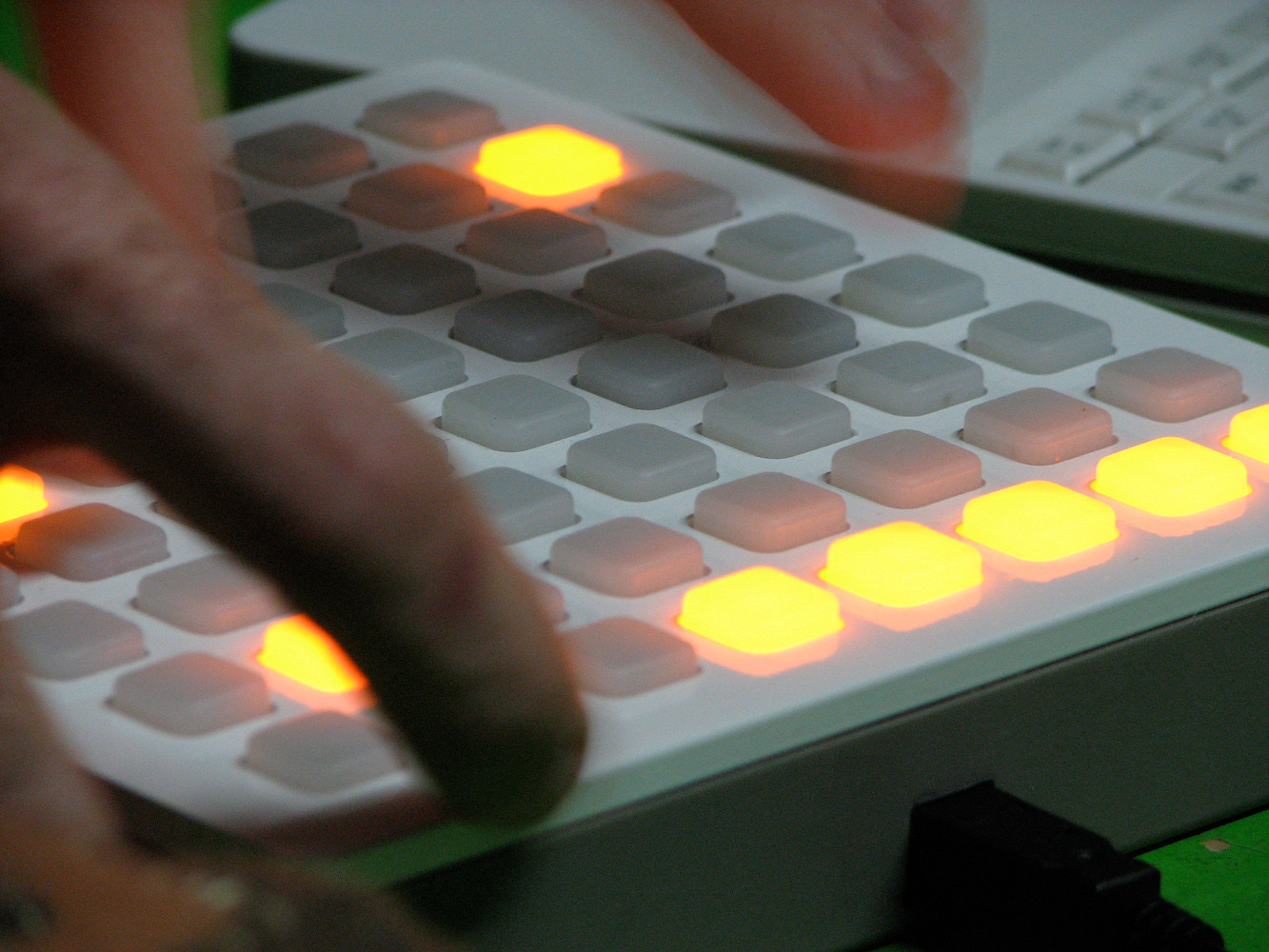
The monome project, since its inception, has consistently occupied a unique space at the nexus of numerous influential ideas. Its core philosophy revolved around the physical manipulation of digital audio, a concept that was revolutionary in its early days. This was intrinsically linked to its commitment to open-source principles and community-driven development. Users were not merely consumers of technology; they were active participants, empowered to customize their tools through patching and creative firmware modifications. This approach fostered a deep sense of ownership and experimentation, allowing artists to tailor the monome to their specific workflows and sonic visions. Discussions surrounding the scale of production, the sustainability of small-batch hardware manufacturing, and the ethical implications of technology design were also central to the monome narrative. The iconic grid interface, with its array of illuminated buttons, became a symbol of a new era in music-making, representing a tangible and intuitive way to interact with complex digital soundscapes.
A Humble Beginning and a Growing Community
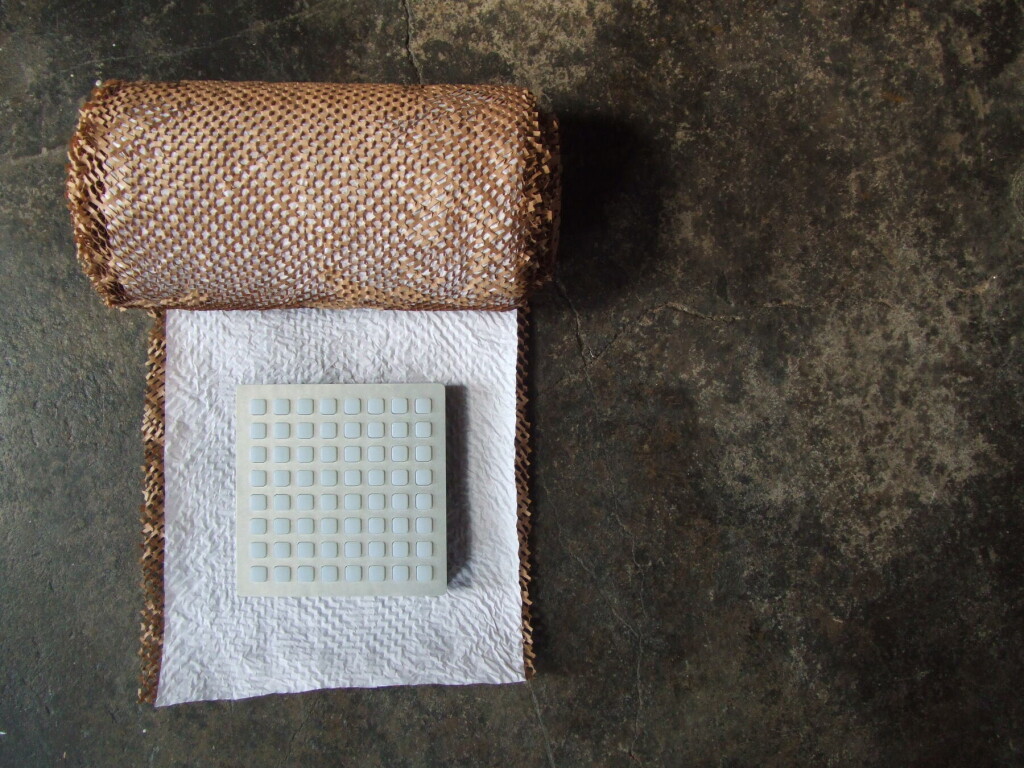
What sets monome apart is its origin story and its deeply personal connection with its community. Unlike large-scale corporate ventures, monome began as a small, focused project. Brian Crabtree and Kelli Cain cultivated a relationship with their users, allowing a close-knit community to form around their creations. This personal touch, where the creators were known and accessible to their users, became a defining characteristic of the monome experience. As Kelli Cain articulated in a statement marking the anniversary, "This week marks 20 years of monome – our small, esoteric music instrument company that would not exist without the curiosity, support and encouragement of many of you out there, thank you! One photo cannot capture the accumulation of its history but something about this dusty illumination hanging over possibility feels a worthy summation. Music and music making brought us together and the rhythm will forever be our pattern, light, time keeper. May it continue to bring us together and keep us together. If you’re interested in time travel we have assembled a selection of photos from the archives, complete with the language of dreamers. Still dreaming." This sentiment underscores the collaborative spirit that has fueled monome’s enduring legacy.
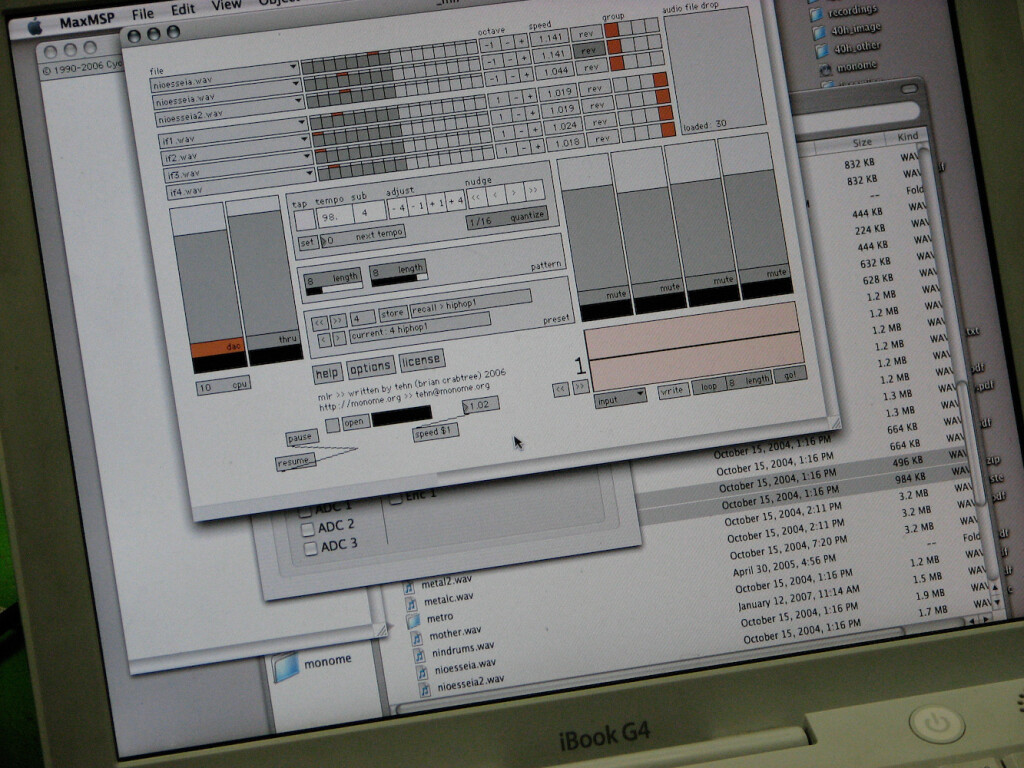
The visual archive, accessible through the monome website, serves as a testament to this journey. It offers a glimpse into the genesis of the project, showcasing early prototypes, community events, and the evolution of the hardware and its accompanying software. The accompanying text within the archive, described by the creators as "the language of dreamers," further enhances the nostalgic and reflective nature of the anniversary celebration.
Chronology of Innovation: Key Milestones in Monome’s History
The first mention of monome on CDM (Create Digital Music) dates back to April 24, 2006, with a report detailing the device’s debut at Maker Faire. This initial report, penned by Vlad Spears, captured the essence of the monome’s unique proposition: "The Monome is pure, minimal functionalism at your fingertips. A blank canvas for your controller desires, the pads and indicator lights are decoupled for access to the full range of this device as both manipulator and indicator." This early description highlighted the device’s flexibility and its departure from conventional controller designs.
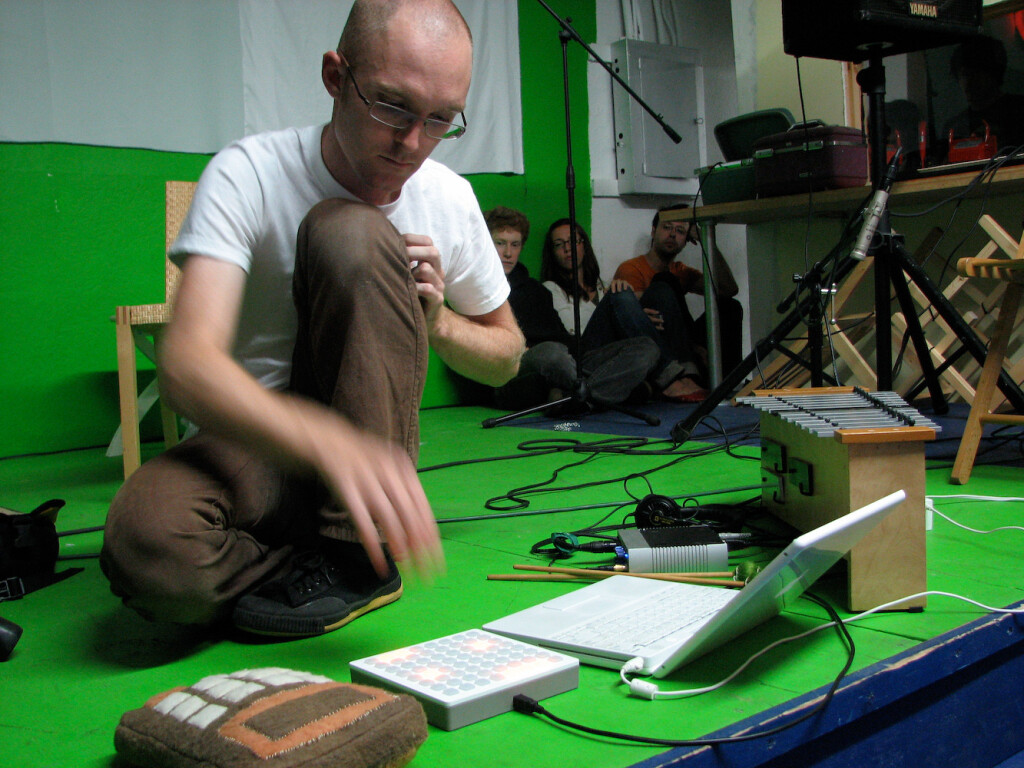
A significant early encounter with the monome occurred in May 2007 at San Francisco’s Robotspeak. Musician Daedelus was observed performing with a pre-monome 40h prototype, an event captured by Donald Bell, also known as Chachi Jones. Brian Crabtree was present at this event to explain the monome’s concept, illustrating the burgeoning interest and development surrounding the project. This period predates the widespread adoption of similar grid-based interfaces by larger manufacturers, positioning monome as a true pioneer.
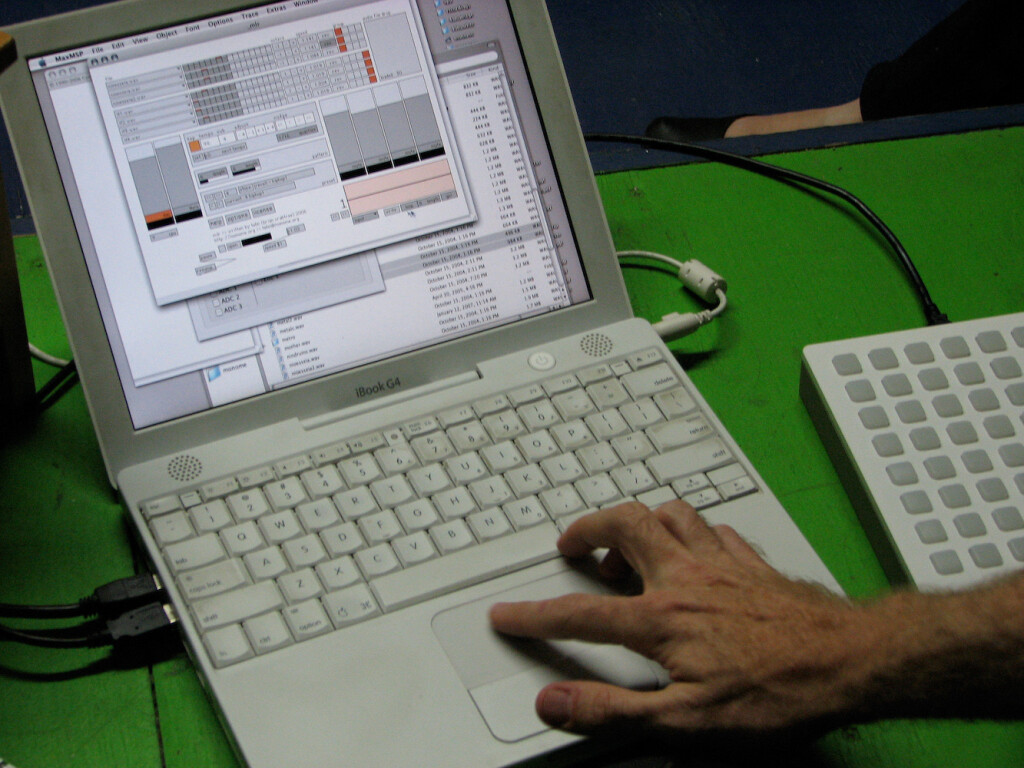
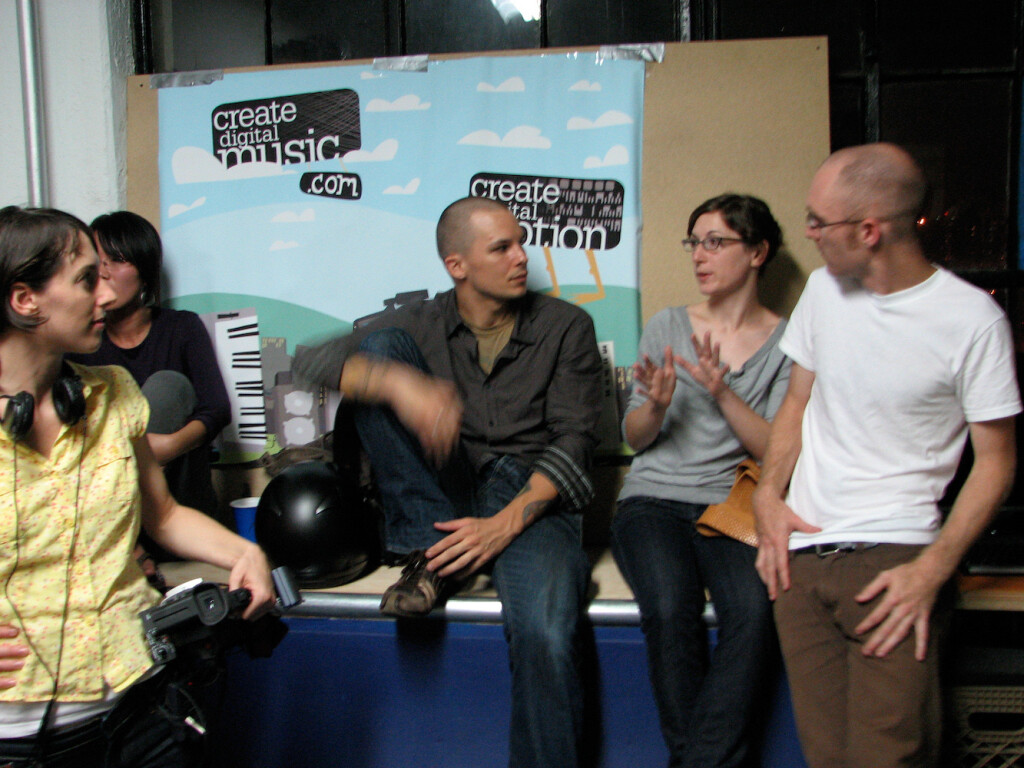
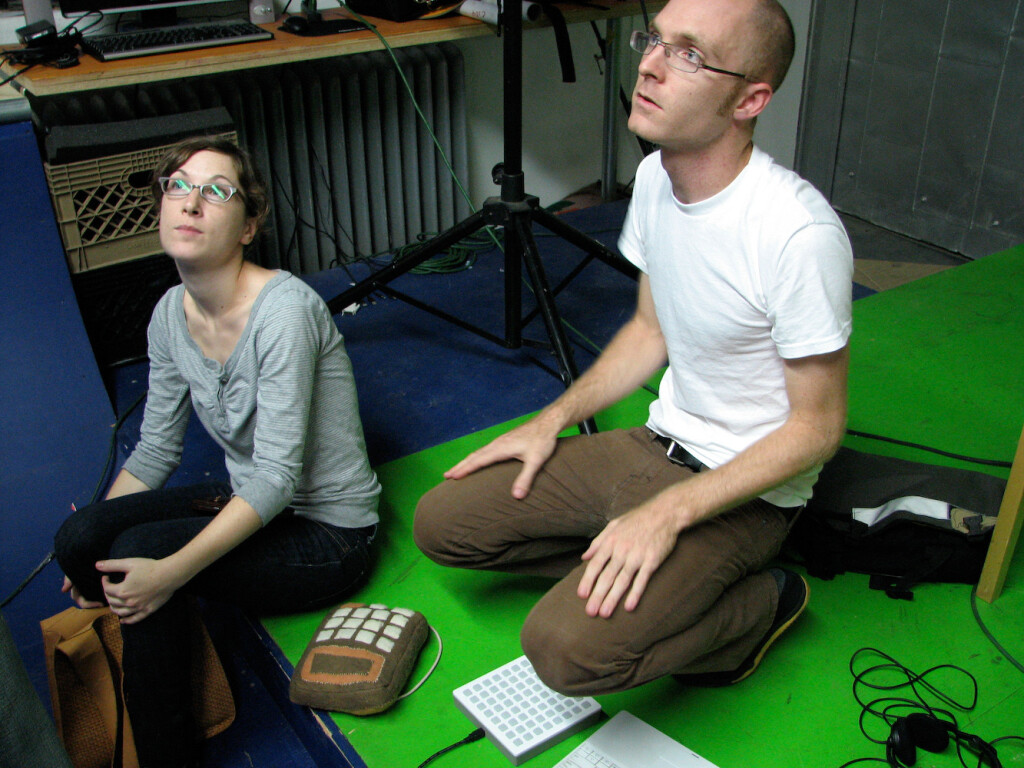
Later in 2007, at the second iteration of the "MusicMakers" event, which had by then been renamed "Handmade Music," Brian and Kelli Cain were present. Kelli also showcased her work in soft circuits, including what is described as a "fuzzy calculator," demonstrating the breadth of their creative endeavors beyond the monome grid itself. This event, held in the early offices of Etsy and attended by the crew from Make magazine, provided a relaxed environment for the exchange of ideas and a glimpse into the burgeoning DIY and hacker culture that embraced monome.
Technological Foundations and User Empowerment
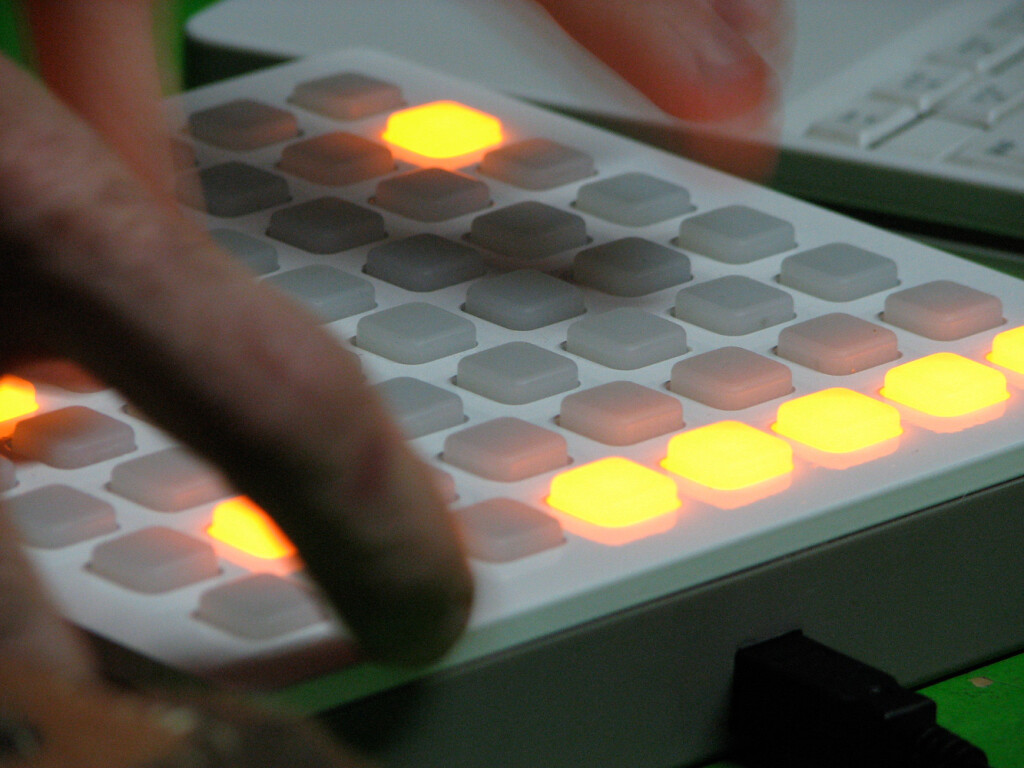
The monome’s core innovation lay in its approach to physical computing and human-computer interaction for music. The original monome 40h, for instance, featured a 40-button grid, each button equipped with a bright LED. This design philosophy allowed for a direct, tactile connection with digital musical parameters. Unlike traditional MIDI controllers that often relied on pre-assigned functions, the monome was conceived as a "blank canvas." Its open-source nature meant that developers and users could write custom software and firmware to map the grid to virtually any musical task, from sequencing and triggering samples to controlling parameters within digital audio workstations (DAWs).
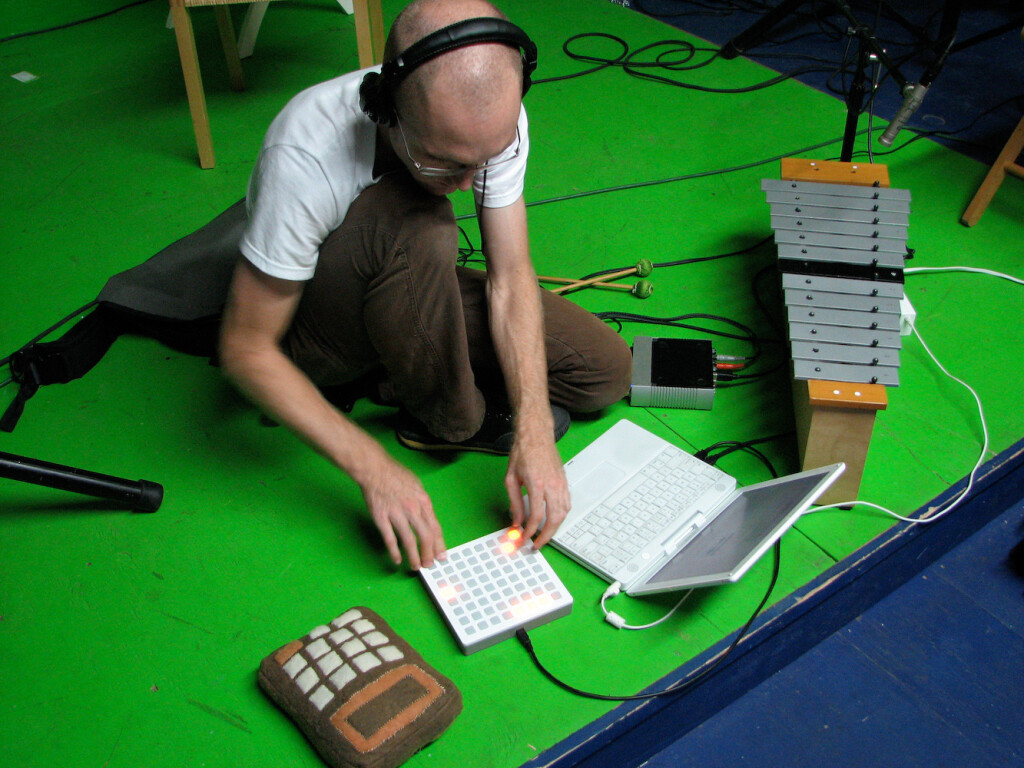
This emphasis on customization extended to the very architecture of the device. The decoupling of pads and indicator lights meant that the visual feedback could be as dynamic and informative as the user desired. This was crucial for developing intuitive workflows, especially for complex performance setups. The project’s dedication to making its underlying technology accessible fostered a collaborative ecosystem where users shared patches, software, and techniques, accelerating innovation and expanding the creative possibilities of the monome.
Broader Impact and Industry Influence
The influence of monome’s grid-based interface design has been profound and far-reaching. While monome remained a niche, highly respected product, its core concepts have been adopted and adapted by numerous mainstream music technology companies. Manufacturers such as Novation, Akai, and Ableton have all introduced their own versions of grid controllers, often inspired by the monome’s foundational principles. This widespread adoption speaks to the ergonomic and expressive advantages of the grid paradigm that monome championed.
The success of monome also highlights the viability of a small, independent hardware manufacturer operating with a strong ethical framework. Their commitment to open-source principles, repairability, and a direct relationship with their community stands in contrast to the often-closed ecosystems of larger corporations. This model has inspired a new generation of hardware developers and fostered a more sustainable and user-centric approach to technology creation.
Enduring Relevance in the Digital Age
In an era increasingly dominated by software and virtual instruments, monome’s legacy serves as a powerful reminder of the value of tactile, physical interaction in the creative process. The "human scale" that monome represented – a focus on thoughtful design, community engagement, and a deep understanding of user needs – remains more relevant than ever. As Kelli Cain’s statement suggests, the project is not merely a subject of nostalgia but a source of inspiration for current and future innovation. The principles of openness, repairability, and user empowerment that monome embodied are crucial as the music technology industry navigates complex challenges related to accessibility, sustainability, and creative freedom.
The 20th-anniversary celebration of monome is more than just a look back at a successful product; it is a recognition of a philosophy that has shaped modern music technology and continues to inspire a passionate global community. The project’s enduring impact lies not only in the innovative hardware it produced but also in the ethos of collaboration, creativity, and community it fostered, proving that even a "small, esoteric" project can have an outsized and lasting influence. The archival gallery and the accompanying reflections offer a valuable opportunity to appreciate the foundations upon which much of today’s electronic music production is built, acknowledging the shoulders of giants upon whom many creators now stand.