Reynand Wu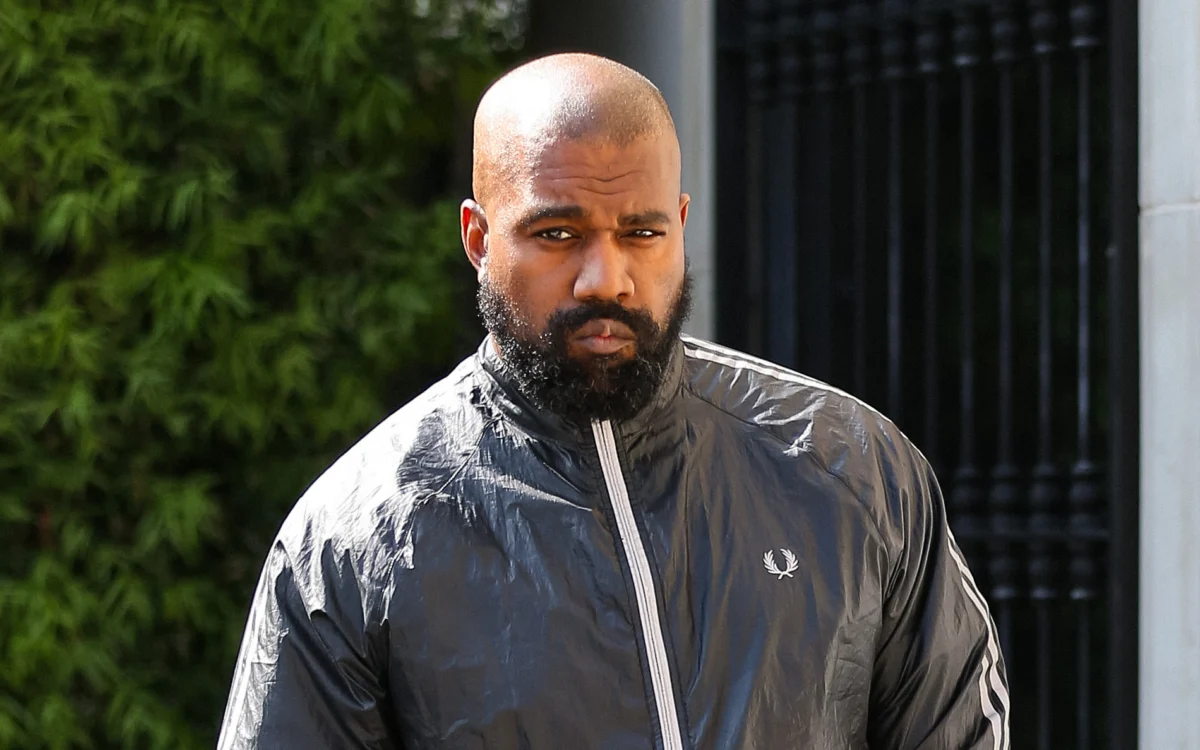
The highly anticipated Wireless Festival, a cornerstone of London’s rap and R&B music scene, has been abruptly canceled following the United Kingdom Home Office’s decision to deny entry to its sole headliner, Kanye West, also known as Ye. The London-based festival confirmed the cancellation in a statement released on Tuesday, April 7, informing ticket holders that full refunds would be automatically processed. This unprecedented move marks a significant moment in the intersection of celebrity, public controversy, and national immigration policy, sending shockwaves through the music industry and beyond.
The Home Office’s Decisive Action and Legal Precedent
The Home Office’s rejection of Ye’s Electronic Travel Authorisation (ETA) application, submitted on Monday, April 6, was grounded in the statutory power to refuse entry to individuals whose presence in the UK is deemed "not conducive to the public good." This clause is a potent tool within UK immigration law, designed to protect national security, public safety, and maintain public order. While typically applied in cases involving serious criminal offenses or extremism, its application to a high-profile cultural figure like Ye, stemming from his widely condemned antisemitic and pro-Nazi remarks, underscores the UK government’s firm stance against hate speech and its potential societal impact.
The "not conducive to the public good" provision allows the Home Secretary to exclude individuals based on a range of factors, including their past conduct, associations, or statements that could incite hatred, violence, or disrupt social cohesion. In Ye’s case, the cumulative effect of his public pronouncements over recent years, which included praising Adolf Hitler, making antisemitic comments across various platforms, and promoting conspiracy theories, was evidently deemed sufficient grounds for exclusion. This decision signals a clear message that even international celebrities are not exempt from the consequences of actions perceived as harmful to societal values and public safety within UK borders.
A Festival in Crisis: The Road to Cancellation
The cancellation of Wireless Festival was the culmination of weeks of escalating pressure and controversy surrounding Ye’s booking. Originally slated to headline all three nights of the festival from July 10 to 12, the announcement of his participation was met with immediate and widespread backlash. Critics, including anti-hate speech organizations, Jewish community groups, and a significant portion of the public, expressed outrage that a platform would be afforded to an artist with such a history of hateful rhetoric.
The timeline of events leading to the cancellation highlights the rapid erosion of support for the festival’s decision. Initially, Wireless Festival and its organizers, Festival Republic, stood by their booking, emphasizing artistic freedom and the distinction between an artist’s personal views and their musical performance. However, this defense proved increasingly untenable as the controversy intensified.
Major corporate sponsors began to withdraw their support, fearing reputational damage by association with Ye’s contentious remarks. Brands such as Pepsi, Paypal, and Diageo, all significant players in the global market, publicly distanced themselves from the festival. This exodus of sponsors represented a critical blow, not only financially but also in terms of the festival’s public image and viability. The withdrawal of corporate backing often serves as a powerful indicator of shifting public sentiment and can exert immense pressure on event organizers.
Adding to the commercial pressure, prominent political figures also voiced their concerns. Prime Minister Sir Keir Starmer publicly described the booking as "deeply concerning," a rare and strong condemnation from a national leader on a cultural event. Such high-level political intervention further amplified the debate, signaling that the issue had transcended mere entertainment news and entered the realm of national public discourse. The combined weight of sponsor pullouts, political criticism, and relentless public outcry created an environment where the festival’s continuation with Ye as headliner became increasingly untenable, ultimately paving the way for the Home Office’s decisive intervention.
Kanye West’s Controversial History and Public Scrutiny
To fully understand the context of the UK ban, it is crucial to revisit the trajectory of Kanye West’s public controversies. Over the past few years, Ye has faced a precipitous decline in public favor and significant professional repercussions due to a series of inflammatory statements. His remarks have frequently targeted the Jewish community, invoking antisemitic tropes and conspiracy theories. Notable instances include comments made on social media platforms, interviews, and public appearances where he expressed admiration for Hitler and made other pro-Nazi statements, leading to widespread condemnation.
These statements led to the termination of lucrative partnerships with major brands, including Adidas, Gap, and Balenciaga, resulting in a substantial loss of wealth and influence. His social media accounts were also restricted or suspended across various platforms due to violations of hate speech policies. The consistent nature and gravity of these remarks transformed public perception of Ye from a polarizing musical genius into a figure widely associated with hate speech and extremism.
The Home Office’s decision implicitly recognized this pattern of behavior, determining that his presence could potentially amplify hateful messages or cause distress to communities within the UK, particularly the Jewish community. This marks a stark departure from the typical treatment of artists, highlighting the exceptional nature of his controversies and the UK’s commitment to countering speech deemed harmful.
The Festival Organizer’s Initial Stance and Defense
Before the Home Office’s ban, Melvin Benn, the managing director of Festival Republic, the company behind Wireless Festival, had mounted a staunch defense of Ye’s booking. In a public statement, Benn acknowledged the "abhorrent" nature of Ye’s past comments regarding Jews and Hitler. However, he argued that Ye’s music was widely played on UK radio stations, available via streaming platforms, and enjoyed by millions without comment or vitriol. Benn asserted Ye’s legal right to enter the country and perform, emphasizing that the festival was not providing a platform for Ye to "extol opinion of whatever nature, only to perform the songs."
Benn’s defense hinged on the principle of separating the artist from the art, and the belief in "forgiveness and giving people a second chance," virtues he suggested were "becoming a lost virtue in this ever-increasing divisive world." He urged people to "reflect on their instant comments of disgust" and "offer some forgiveness and hope to him." This position reflected the complex dilemma faced by festival organizers: balancing artistic freedom and commercial interests with ethical responsibilities and public sentiment. While Benn’s arguments resonated with some who believe in rehabilitation and the power of art to transcend personal failings, they ultimately proved insufficient to counteract the overwhelming pressure and the Home Office’s ultimate determination.
Reactions and Responses to the Ban
The news of the Home Office’s ban and the subsequent festival cancellation elicited a strong wave of reactions from various stakeholders. Prior to the ban, Kanye West himself had issued a statement attempting to mitigate the backlash, promising that his "only goal is to present a show of change" and "bring unity, peace and love through my music." He also extended an offer to meet with "members of the Jewish community in the UK in person, to listen."
The Board of Deputies of British Jews, a leading voice for the Jewish community in the UK, responded cautiously to Ye’s offer. They stated their willingness to meet him as part of his "journey of healing," but crucially, only after he agreed not to perform at Wireless Festival that year. This condition underscored the community’s demand for tangible action and accountability over mere words, recognizing the potential harm of platforming an individual with such a history of antisemitic rhetoric. The Home Office’s decision effectively fulfilled their precondition, albeit through state intervention rather than Ye’s voluntary withdrawal.
Public reaction to the cancellation was largely one of relief and affirmation among those who had campaigned against Ye’s appearance. Many viewed it as a victory for accountability and a clear message against hate speech. Conversely, some fans expressed disappointment, lamenting the loss of a major music event and questioning the extent of government intervention in cultural programming. For ticket holders, the immediate concern shifted to the refund process, which Wireless Festival assured would be automatic and full.
Broader Implications for UK Events and Artist Bookings
The UK Home Office’s decision to ban Kanye West sets a significant precedent for the country’s event industry and the booking of international artists. It signals an increased willingness by the government to intervene in cultural affairs when an artist’s past conduct is deemed to pose a threat to public good or social cohesion. This could lead to more stringent vetting processes for international performers, particularly those with controversial histories, by both government agencies and event organizers.
Festival promoters and concert venues may now face heightened scrutiny from sponsors, political bodies, and the public regarding their artist selections. The financial consequences of sponsor withdrawals, as seen with Wireless, coupled with the potential for government intervention, will likely compel organizers to adopt more cautious approaches. This could involve incorporating stronger "moral clauses" in artist contracts, allowing for termination in cases of egregious public misconduct.
The incident also highlights a growing global trend where artists’ personal behavior and statements are increasingly linked to their professional opportunities. The distinction between the artist and their art, once a common defense, appears to be eroding in the face of widespread public demand for accountability and corporate social responsibility. This could lead to a more ethically driven landscape for cultural events, where the moral standing of performers carries as much weight as their artistic merit.
Contrast with International Reception
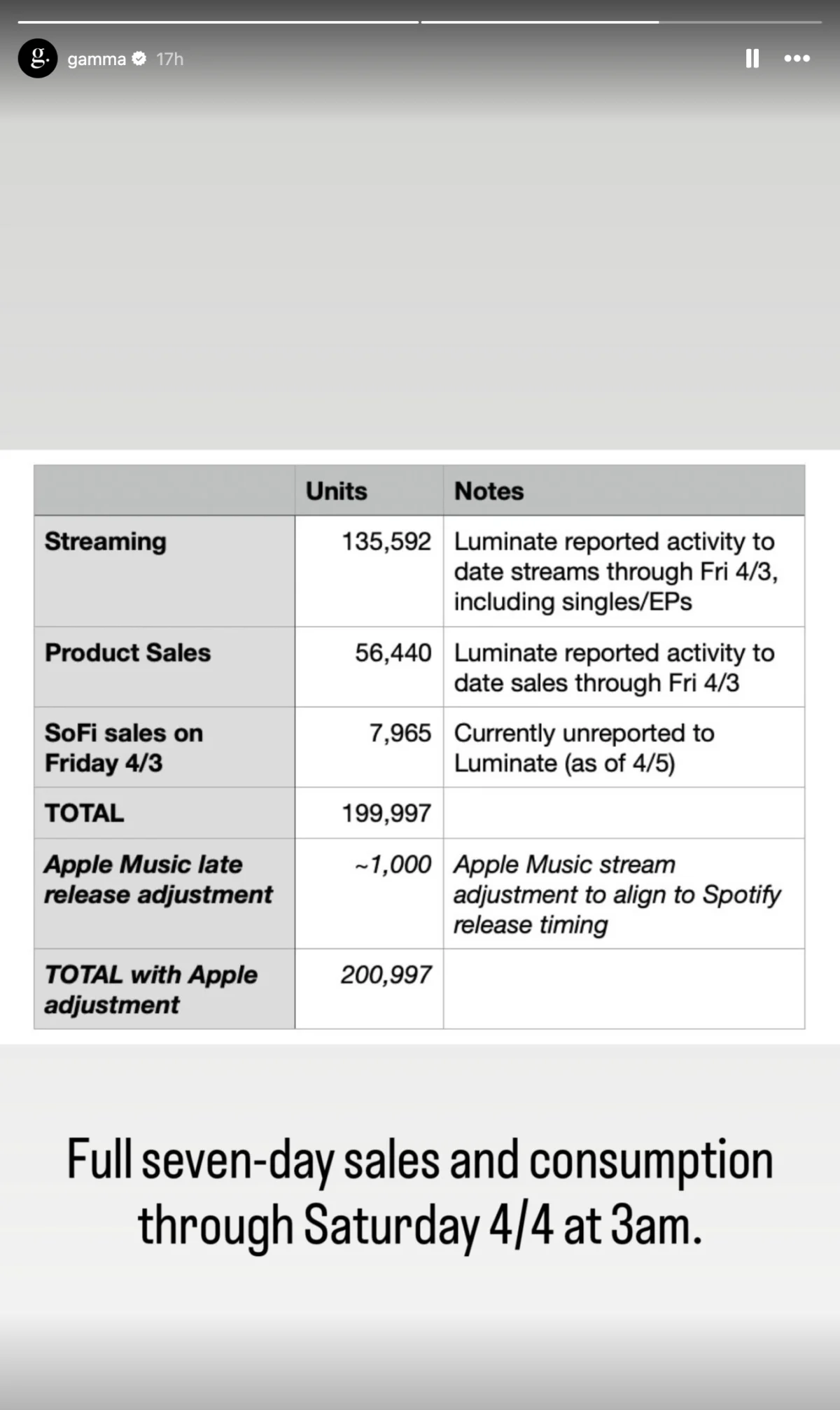
Interestingly, Kanye West has not faced similar governmental bans or widespread festival cancellations in other territories, most notably in his home country, the United States. He recently performed two sold-out shows at Los Angeles’ SoFi Stadium in support of his new album, Bully, where he was joined by a roster of high-profile guests including Lauryn Hill, Travis Scott, and Don Toliver. These performances proceeded without significant governmental or widespread corporate intervention, illustrating a divergence in how different nations and cultures respond to controversial figures.
The contrast can be attributed to several factors. The UK, like many European nations, has stricter laws and a lower tolerance for hate speech compared to the broader interpretation of freedom of speech often seen in the United States. The "not conducive to the public good" clause in UK immigration law provides a specific legal framework for intervention that may not have direct equivalents in other countries. Furthermore, the cultural and political climate surrounding antisemitism and the legacy of the Holocaust may lead to a more immediate and decisive response in European contexts. The incident underscores that while an artist may enjoy a certain degree of freedom or acceptance in one nation, those conditions are not universally transferable, particularly when their actions infringe upon the deeply held values and legal frameworks of another sovereign state.
The Future of Wireless Festival and Kanye West
The cancellation of Wireless Festival represents a significant setback for one of London’s premier music events. The brand will now face the challenge of rebuilding trust and re-establishing its reputation. Future editions will undoubtedly be subject to intense scrutiny regarding artist bookings, with a likely shift towards more ‘safe’ or universally accepted headliners to avoid similar controversies. The financial implications, beyond ticket refunds, include lost revenue from ancillary sales, vendor contracts, and the significant costs associated with a last-minute cancellation.
For Kanye West, the UK ban adds another layer to his complex and increasingly turbulent public persona. It severely limits his touring opportunities in a major global music market and serves as a stark reminder of the international consequences of his past actions. While his music continues to find an audience, and he may continue to perform in territories with different legal or cultural frameworks, the incident undoubtedly diminishes his global commercial appeal and reinforces the perception of him as a controversial and, for many, an unwelcome figure. His journey towards "change" and "unity" will require more than statements; it will necessitate sustained, demonstrable actions to regain trust and credibility on an international stage.
In conclusion, the cancellation of Wireless Festival due to Kanye West’s UK ban is more than just a music news item; it is a profound commentary on accountability, the limits of artistic freedom, and the unwavering commitment of nations to uphold public good in the face of inflammatory rhetoric. It marks a moment where cultural influence met governmental authority, resulting in a clear and decisive outcome that will resonate throughout the entertainment world for years to come.