Nana Wu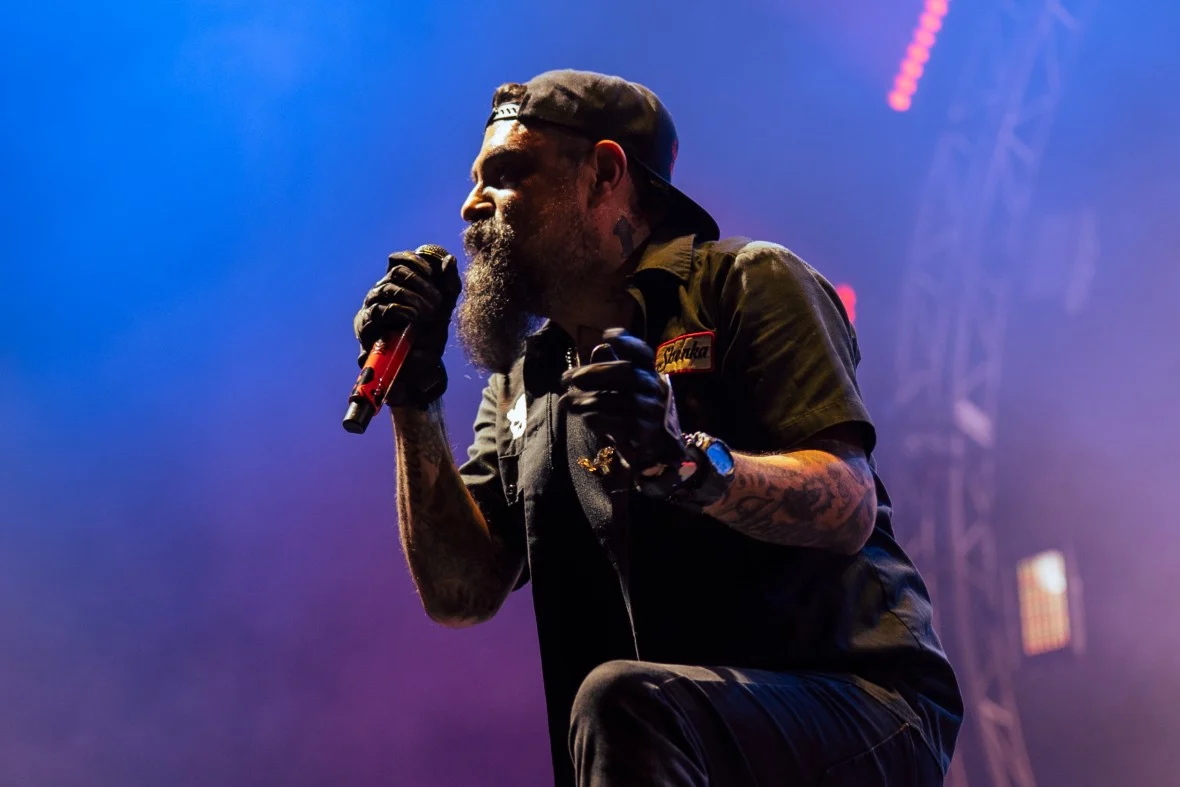
On Saturday, May 30, 2026, the legendary Mexican ska-rock ensemble Panteón Rococó commanded an unprecedented audience of over 120,000 fervent fans in Ciudad Nezahualcóyotl, a sprawling and historically significant municipality on the periphery of Mexico City. The monumental free concert, held at the Deportivo Ciudad Jardín, marked a pivotal moment in the band’s illustrious 30-year career, serving as a flagship event for the Festival Ecos de Oriente and a key component of the federal Ministry of Culture’s ambitious National Circuit of Festivals for Peace. This homecoming performance not only underscored the enduring power of Panteón Rococó’s music but also reaffirmed the band’s deep-rooted connection to the communities that fostered its early rise, transforming a public space into a vibrant epicenter of collective celebration and cultural advocacy.
Three Decades of Ska-Rock: Panteón Rococó’s Enduring Legacy
Panteón Rococó’s journey began in 1995 amidst the vibrant, often turbulent, urban landscape of Mexico City. Formed by a collective of musicians with a shared vision, the band quickly distinguished itself by fusing traditional ska rhythms with elements of rock, reggae, punk, salsa, and even mariachi. This eclectic sound, coupled with lyrics that frequently tackled themes of social justice, political critique, and urban life, resonated deeply with a generation seeking both musical innovation and a voice for their concerns. Their early years were characterized by energetic performances in small venues and cultural centers across the metropolitan area, including nascent visits to Ciudad Nezahualcóyotl, forging a bond with communities often overlooked by mainstream cultural events.
Over the past three decades, Panteón Rococó has released a series of critically acclaimed albums that have cemented their status as one of Latin America’s most influential bands. Works such as A la Izquierda de la Tierra (2000), Compañeros Musicales (2002), and Ejército de Paz (2010) not only showcased their musical evolution but also solidified their reputation for crafting anthems that are both danceable and thought-provoking. Their discography reflects a consistent commitment to their artistic and social principles, earning them a fiercely loyal fanbase across Mexico, Latin America, Europe, and the United States. This global appeal was recently recognized by Billboard, which included Panteón Rococó in its prestigious list of "The 50 Best Latin Rock Bands of All Time," a testament to their profound impact on the genre. The "30 Aniversario Generación del 95" tour, currently underway, serves as a global celebration of this remarkable milestone, bringing their electrifying live show to fans worldwide.
Ciudad Nezahualcóyotl: A Metropolis of Culture and Resilience
The choice of Ciudad Nezahualcóyotl as the venue for such a significant anniversary concert was deeply symbolic. Known affectionately as "Ciudad Neza," this municipality is one of the most populous in the world, boasting over one million residents within its densely packed urban fabric. Its history is one of rapid growth, resilience, and a vibrant, often self-generated, cultural scene. Originating as an informal settlement in the mid-20th century, Neza has evolved into a dynamic metropolis, distinct from its larger neighbor, Mexico City, yet intrinsically linked.
For Panteón Rococó, Neza represents a return to their roots. Lead vocalist Dr. Shenka acknowledged this profound connection during the concert, exclaiming, "Welcome, everyone! Nezahualcóyotl looks beautiful, a land of great artists, culture and struggles." This statement resonated with the audience, highlighting the municipality’s rich history of artistic expression and social activism. Despite its socio-economic challenges, Ciudad Neza has long been a fertile ground for diverse musical genres, particularly those with a strong urban and social commentary, making it a natural home for Panteón Rococó’s message. The Deportivo Ciudad Jardín, a large public sports complex, proved to be an ideal location for an event of this magnitude, capable of accommodating the vast crowd while serving as a communal space for residents. The sheer scale of the attendance, exceeding 120,000, speaks volumes about the band’s popularity and the community’s hunger for accessible, high-quality cultural experiences.
The National Circuit of Festivals for Peace: Bridging Culture and Community
The Festival Ecos de Oriente, headlined by Panteón Rococó, is a crucial component of the National Circuit of Festivals for Peace, an innovative government initiative spearheaded by the federal Ministry of Culture. Launched this year, the Circuit aims to promote the fundamental right to culture for all citizens, particularly focusing on youth engagement and fostering a culture of peace in communities across Mexico. By providing free access to high-caliber cultural events, the program seeks to offer constructive alternatives, encourage social cohesion, and mitigate factors contributing to violence and social fragmentation.

The Ministry of Culture’s vision for the National Circuit is ambitious, seeking to democratize access to arts and entertainment, often reserved for those who can afford tickets to commercial venues. This initiative recognizes the transformative power of music and collective cultural experiences in building stronger, more peaceful societies. The program’s diverse lineup showcases this commitment, featuring both prominent Mexican artists and international acts across various genres. Beyond Panteón Rococó, the Circuit has included performances by acclaimed regional Mexican singer Carín León, revered folk and traditional artist Lila Downs, indie-pop sensation Caloncho, and even Dutch electronic music superstar DJ Martin Garrix. This broad appeal ensures that the festivals cater to a wide demographic, drawing in thousands of young people who might otherwise have limited exposure to such events. The success of the Neza concert, with its record-breaking attendance, serves as a powerful validation of the Ministry’s strategy and the public’s enthusiastic response to these opportunities.
A Night of Collective Euphoria: The Concert Experience
The atmosphere at Deportivo Ciudad Jardín on May 30th was electric from early afternoon. Families, groups of friends, and solo concert-goers began to fill the venue hours before Panteón Rococó took the stage, eager to secure their spots. The festival lineup preceding the headliners provided a vibrant prelude, featuring other notable acts from the Mexican ska and rock scene. Nana Pancha, known for their energetic ska-punk, ignited the crowd with their infectious rhythms. Fania y la Rebelión Rumbera brought a distinct Latin flavor, while Los Kramer and Out of Control Army contributed to the diverse musical tapestry, ensuring a continuous flow of high energy throughout the day. These supporting acts not only entertained but also reinforced the community aspect of the festival, showcasing a broader spectrum of talent within the genre.
As dusk settled, the anticipation reached a fever pitch for Panteón Rococó’s performance. When Dr. Shenka and the band finally appeared, the roar of over 120,000 voices was deafening. The band launched into a setlist that spanned their three-decade career, delivering fan favorites and anthems that have become synonymous with their sound. Hits like "La Carencia," with its poignant social commentary, transformed the massive crowd into a unified chorus. "La Dosis Perfecta" ignited a wave of joyous dancing, while "La Rubia y El Demonio," "Arrégleme el Alma," and "Vendedora de Caricias" further solidified the collective euphoria. The performance was a masterclass in engaging a colossal audience, with Dr. Shenka’s charismatic stage presence and the band’s tight musicianship ensuring that the energy never waned. The diversity of the crowd – young people, families, and many children – underscored the band’s intergenerational appeal and the universal resonance of their music. The concert was not just a musical event; it was a powerful affirmation of identity, community, and the shared experience of live performance on an epic scale.
Broader Implications and Future Outlook
The Panteón Rococó concert in Ciudad Nezahualcóyotl transcends a mere musical performance; it carries significant implications for cultural policy, community development, and the enduring power of live music. The event stands as a powerful testament to the success of initiatives like the National Circuit of Festivals for Peace, demonstrating that free access to high-quality cultural events can draw massive audiences and foster a profound sense of community engagement. This model of cultural democratization provides crucial alternatives for youth, offering positive outlets and enriching experiences that contribute to social cohesion in urban environments often grappling with complex challenges.
For Panteón Rococó, the concert further solidifies their status as a cultural institution in Mexico and beyond. Their ability to draw such a colossal crowd after 30 years speaks to their consistent relevance and the timeless nature of their socially conscious ska-rock. The event serves as a high point in their "30 Aniversario Generación del 95" tour, cementing their legacy not just as musicians, but as advocates for social change through art.
Beyond the immediate spectacle, the logistical undertaking of organizing an event for over 120,000 people also highlights the collaborative efforts required between government entities, local authorities, and event organizers. Such large-scale public concerts generate significant economic activity, from local vendors to security personnel and transportation services, demonstrating the multifaceted benefits of cultural investment.
Looking ahead, the success of the Festival Ecos de Oriente and the National Circuit of Festivals for Peace suggests a promising future for government-supported cultural initiatives aimed at fostering peace and accessibility. The model implemented by the Ministry of Culture could serve as a blueprint for other regions or nations seeking to leverage the power of music and arts for social good. The Nezahualcóyotl concert, therefore, was not merely a celebration of Panteón Rococó’s three decades; it was a vibrant affirmation of community, culture, and the collective desire for peace, echoing far beyond the confines of Deportivo Ciudad Jardín.