Reynand Wu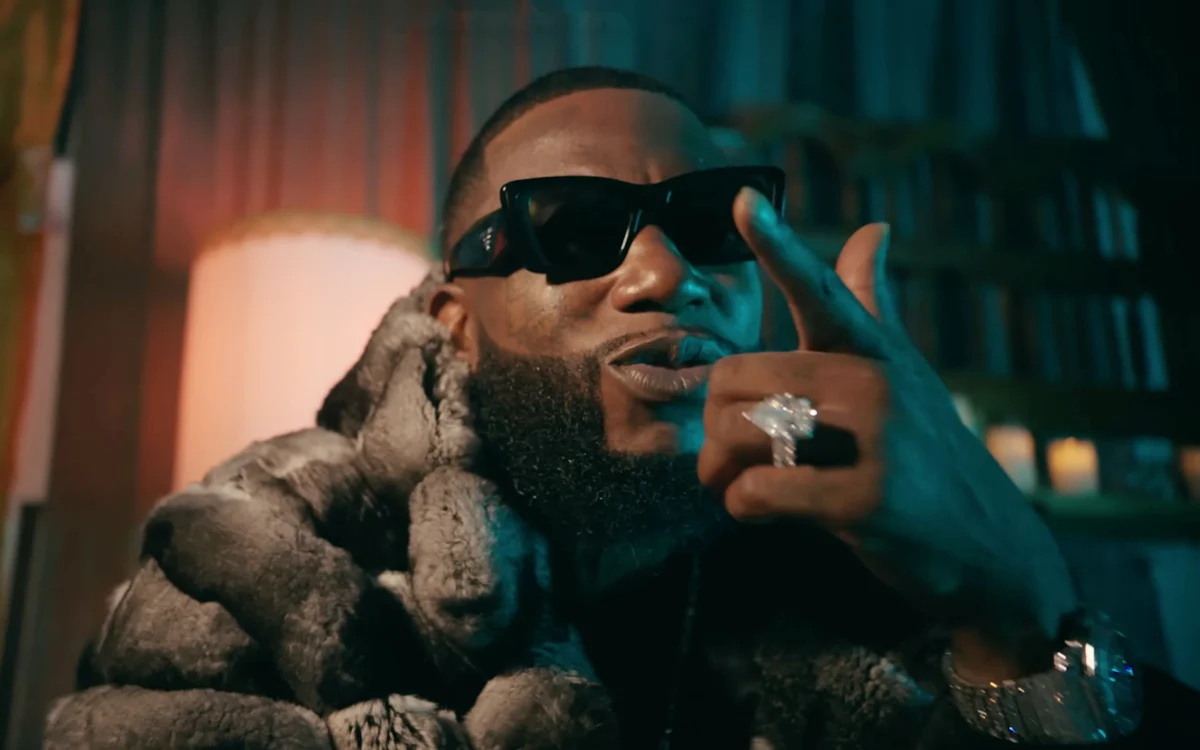
In a significant development that has sent ripples through the music industry, particularly within the hip-hop community, legendary trap artist Gucci Mane has unleashed a scathing lyrical attack on former signees Pooh Shiesty and Big30. The diss track, titled "Crash Dummy," was released on Friday, April 10, just days after the Memphis rappers, along with seven other individuals, were arrested on federal charges of kidnapping and robbery related to an alleged ambush targeting Gucci Mane earlier this year. The hard-hitting song, produced by long-time collaborator Zaytoven, directly addresses the purported incident where Pooh Shiesty and Big30 allegedly ambushed the 1017 Records founder at gunpoint, forcing him to terminate his contract under duress. This unfolding saga highlights the precarious intersection of business, loyalty, and street code within the contemporary hip-hop landscape, drawing attention to the severe legal and professional consequences at stake.
A Fiery Retort: "Crash Dummy" and Its Unflinching Lyrics
Gucci Mane, known for his unfiltered lyrical style and ability to convert real-life street narratives into compelling music, does not hold back on "Crash Dummy." The track opens with a raw intensity, immediately setting a confrontational tone. Over signature trap production from Zaytoven – a sound reminiscent of Gucci’s prolific mid-2000s era with its sparse, menacing synths, heavy 808s, and sharp hi-hats – Gucci maneuvers through the allegations with a blend of defiance, disappointment, and a stark reminder of his hierarchical position.
The most direct and stinging lines refer to Pooh Shiesty’s alleged actions: "Tell the truth, you went out like a real crash dummy / And after all that, boy, you still signed to me? / I’m like Birdman and n*gga, this my Cash Money / And your fat-ass flunkie, he a stone-cold junkie." This verse not only dismisses Shiesty’s alleged attempt to exit his contract but also mocks his perceived failure and incompetence. The comparison to Birdman and Cash Money is particularly potent, referencing the iconic label’s history of both immense success and contentious disputes with artists, framing Gucci Mane as the undisputed label patriarch. The "fat-ass flunkie" line is widely interpreted as a direct jab at Big30, further cementing the track’s focus on the two accused individuals.
Gucci Mane then delves into the specifics of the alleged January 10 encounter, painting a vivid picture of betrayal: "I thought it was a business meeting, but it was a set up / I walk in the room, you can feel the pressure building / N*gga dapped me up, the whole time they plotting against me." These lines capture the alleged deception and the sudden shift from a professional gathering to a hostile confrontation. The subsequent declaration, "Pressure on my chest, but I still ain’t pressed / Pen to the paper, but it’s under duress," underscores the alleged coercion involved in the contract termination, legally nullifying any agreement made under such circumstances. This legal term, "duress," is crucial, as it implies a lack of free will in signing, rendering the contract voidable.
The track also leverages Pooh Shiesty’s prior legal troubles and familial connections for maximum impact. Gucci Mane raps, "You learn from your daddy, so I guess that it’s hereditary / I’m that same n*gga that put money on your commissary." This points to the recent arrest of Shiesty’s father, Lontrell Williams Sr., on related federal charges, suggesting a pattern of criminal behavior. Furthermore, reminding Shiesty that it was Gucci Mane who provided financial support during his previous incarceration for separate gun charges highlights a perceived lack of gratitude and loyalty, deepening the sense of betrayal expressed throughout the song.
Despite the humiliation of the alleged ambush, Gucci Mane maintains a defiant tone, asserting his foundational role in 1017 Records: "This 1017 the label, I built this shit from the ground / And I be damned if I let a n*gga take my shit down." This declaration reinforces his commitment to his label and his unwillingness to allow external or internal forces to dismantle his empire. The song concludes with the poignant refrain, "I done been betrayed, now my heart turned cold," encapsulating the emotional toll of the incident and suggesting a hardened stance moving forward.
The Alleged Ambush: A Chronology of Events
The core of this escalating conflict stems from an alleged incident that occurred on January 10 of this year. According to law enforcement and Gucci Mane’s account, a meeting was arranged at a Dallas recording studio, ostensibly for business purposes. However, what was presented as a professional discussion quickly devolved into a terrifying ordeal.
January 10, [Year of Incident – assumed 2026 based on image date]: Gucci Mane arrived at the Dallas studio expecting a standard business meeting. Instead, he alleges he was ambushed by Pooh Shiesty, Big30, and their associates. Details emerging from court documents and FBI testimony suggest that Shiesty allegedly pulled a firearm, escalating the situation dramatically. Under the implied or direct threat of violence, Gucci Mane was reportedly coerced into signing paperwork that would release Pooh Shiesty from his 1017 Records contract. Beyond the contract dispute, the group is accused of robbing Gucci Mane and two of his associates, identified as music industry professionals who were also present at the meeting. The severity of the alleged ambush is further highlighted by claims that one of the victims was choked to near unconsciousness during the incident.
Following the alleged assault and robbery, a member of Gucci Mane’s security detail reportedly contacted law enforcement. This call initiated an investigation that would eventually involve the FBI, leading to the federal charges now facing the accused. The quick involvement of federal agencies underscores the gravity of the allegations, particularly given the interstate nature of the artists’ activities and the potential for federal jurisdiction in cases involving kidnapping and robbery.
Legal Fallout: Arrests and Bond Denials
The legal consequences for Pooh Shiesty and Big30 have been swift and severe, underscoring the serious nature of the federal charges.
Last Week [Approximate Date – e.g., Early April 2026]: Law enforcement officials executed a series of arrests, apprehending Pooh Shiesty, Big30, and seven other individuals in connection with the alleged kidnapping and robbery. Among those taken into federal custody was Lontrell Williams Sr., Pooh Shiesty’s father, further complicating the legal landscape for the family. The broad scope of the arrests suggests a meticulously planned law enforcement operation, likely based on extensive investigation and gathered evidence, including victim statements and potentially surveillance footage or electronic communications.
Bond Hearings: Both Pooh Shiesty and Big30 appeared in court for bond hearings, where critical decisions regarding their temporary release were made.
-
Pooh Shiesty: During his bond hearing, Pooh Shiesty was denied release. Judge Renee Harries Toliver cited the rapper’s pre-existing legal status as a primary factor. At the time of the alleged incident, Shiesty was reportedly on home confinement related to separate federal gun charges for which he had only been released from prison in October 2025. Judge Toliver’s statement, as reported by KERA News and XXL, was unequivocal: "I can’t find any conditions to offer that haven’t already been granted to you." This decision reflects the court’s view that Shiesty had already demonstrated a failure to abide by strict legal conditions, making him a continued flight risk or danger to the community. Being on home confinement for federal gun charges during the alleged commission of another violent federal crime significantly prejudices his chances for bond.
-
Big30: Big30, accused of barricading the studio door with his body to prevent Gucci Mane and his associates from escaping, initially received a different outcome. He was granted a $100,000 bond. However, this grant was immediately stayed at the prosecutors’ request. A stay on bond typically means that while the judge has set a bond amount, the defendant cannot be released until an appellate court or a higher authority reviews the decision, often at the request of the prosecution who might argue the bond is insufficient or that the defendant remains a risk. This indicates that prosecutors view Big30 as a significant threat or flight risk, despite the initial bond offer.
Both rappers face incredibly serious charges, with potential sentences that could include life in federal prison if convicted. The federal nature of the charges, coupled with the alleged use of a firearm and the violent aspects of the kidnapping and robbery, means they are confronting the full weight of the U.S. justice system.
The Role of Law Enforcement and Industry Cooperation
A particularly sensitive aspect of this case, especially within the context of hip-hop culture, is Gucci Mane’s cooperation with law enforcement. During Shiesty’s bond hearing, FBI Special Agent Pamela Hanson testified that investigators relied heavily on statements provided by Gucci Mane and the other alleged victims. These statements were given to police after they were called to the Dallas studio by a member of Gucci Mane’s security team on the night of the incident.
Historically, the act of "snitching" or cooperating with police carries a significant stigma within certain segments of the hip-hop community, often viewed as a violation of an unwritten street code. Artists like Gucci Mane, who have built careers on narratives rooted in street credibility, often navigate this complex dynamic. However, in cases involving violent felonies, especially those that threaten personal safety and business operations, reporting to authorities is a standard and legally advisable action. Gucci Mane’s decision to cooperate, despite potential cultural repercussions, underscores the severity of the alleged ambush and his commitment to seeking justice through legal channels.
Legal experts often emphasize that cooperating with law enforcement when one is a victim of a crime is not only a right but often a necessity for justice to be served. In cases of violent crime, such cooperation is crucial for investigators to gather evidence, identify suspects, and build a strong case. For a public figure like Gucci Mane, the implications of not reporting such an incident could have been equally detrimental, potentially inviting further criminal acts or undermining his authority as a label head. The FBI’s reliance on these statements highlights their evidentiary value in constructing the prosecution’s case against the nine defendants.
Background: The Rise and Entanglements of 1017 Records
To fully grasp the magnitude of this incident, it is essential to understand the context of Gucci Mane’s career and the empire he built with 1017 Records. Radric Davis, professionally known as Gucci Mane, emerged from Atlanta in the early 2000s as a pioneer of trap music. His raw, street-oriented lyrics, distinctive delivery, and prolific output quickly established him as a cornerstone of the genre. Despite numerous legal battles and periods of incarceration throughout his career, Gucci Mane consistently demonstrated resilience, transforming his experiences into powerful artistic expressions.
Beyond his individual artistry, Gucci Mane has cultivated a reputation as a savvy businessman and an influential label head. In 2007, he founded 1017 Records (originally 1017 Bricksquad Records), which became a crucial platform for launching the careers of numerous successful artists, including Waka Flocka Flame, Young Thug, Peewee Longway, and most recently, Pooh Shiesty and Big30. His label is known for signing artists with authentic street credibility and nurturing their talent within the trap music framework. The "Cash Money" comparison in "Crash Dummy" is not arbitrary; it reflects Gucci Mane’s aspiration to build a powerful, enduring label dynasty akin to Bryan "Birdman" Williams’ iconic Cash Money Records.
Pooh Shiesty (Lontrell Williams Jr.) and Big30 (Makenzie Le’Braun Roundtree) represent a newer generation of talent from Memphis, Tennessee, who rose to prominence under the 1017 umbrella. Pooh Shiesty, in particular, gained significant traction with hits like "Back in Blood" featuring Lil Durk, solidifying his status as a rising star in the trap scene. His rapid ascent was largely facilitated by Gucci Mane’s mentorship and the resources of 1017 Records. However, Shiesty’s career has also been marred by legal troubles, including the aforementioned federal gun charges that led to his previous imprisonment and home confinement. This history provides crucial context for the court’s decision to deny him bond in the current case, illustrating a pattern of brushes with the law that ultimately culminated in the alleged Dallas incident. The relationship between a mentor-figure like Gucci Mane and his protégé, a common narrative in hip-hop, makes the alleged betrayal particularly poignant.
Broader Implications: Artist Contracts, Label Dynamics, and Legal Precedent
The alleged kidnapping and robbery of Gucci Mane by his own artists, and the subsequent legal actions, carry profound implications for the music industry, particularly concerning artist-label relationships and the sanctity of contracts.
Firstly, this incident severely undermines the trust inherent in any artist-label partnership. Record deals, by their nature, are long-term commitments built on mutual benefit and respect. When disputes escalate to alleged violence and criminal acts, it creates a chilling effect across the industry. Labels might become more cautious about signing artists with certain backgrounds, and artists might scrutinize contracts more intensely, leading to a potential hardening of legal stances on both sides.
Secondly, the severity of the charges—kidnapping and robbery, carrying potential life sentences—sets a stark precedent. It sends a clear message that violent attempts to nullify contracts or resolve business disputes will be met with the full force of the law. This is a significant departure from historical instances of disputes in hip-hop that sometimes played out in diss tracks or less extreme physical altercations. The federal involvement further elevates the seriousness of the situation, differentiating it from typical contractual disagreements that are usually settled in civil courts.
Thirdly, the case highlights the complex interplay between street culture and legitimate business within hip-hop. Many artists, including Gucci Mane, draw heavily from their street experiences in their music. While this authenticity is often celebrated, it can also lead to challenges when street codes clash with formal legal and business practices. The alleged ambush, reportedly an attempt to force a contract termination, demonstrates a breakdown in the distinction between informal street justice and the formal legal framework governing the music industry. It raises questions about how artists and labels can navigate these dual realities more effectively.
Moreover, the outcome of this case could impact how artist development and mentorship are approached in the future. Gucci Mane’s role as a benefactor who even supported Shiesty’s commissary while incarcerated now appears as a deep wound. This betrayal might make other established artists hesitant to invest heavily in nurturing new talent, particularly those with a history of legal entanglements, fearing similar repercussions. The case could prompt a reevaluation of due diligence processes when signing artists, especially concerning their legal history and temperament.
Finally, the public nature of the accusations and the involvement of prominent figures will undoubtedly spark extensive debate within the hip-hop community about loyalty, accountability, and the consequences of actions. It serves as a grim reminder that while music often glorifies certain aspects of street life, the real-world legal repercussions of criminal acts are severe and inescapable, potentially derailing promising careers and altering lives permanently.
In conclusion, Gucci Mane’s "Crash Dummy" is far more than a typical diss track; it is a raw, lyrical response to a deeply personal and professionally devastating alleged betrayal, now entangled in a high-stakes federal legal battle. The unfolding events will continue to be closely watched, not only for their immediate impact on the careers of the artists involved but also for the broader implications they hold for the future of artist-label relationships and the legal landscape of the music industry. The gravity of the charges, the prominent figures involved, and the cultural sensitivity surrounding cooperation with law enforcement all contribute to making this one of the most significant and complex stories in contemporary hip-hop.