Indra Aziz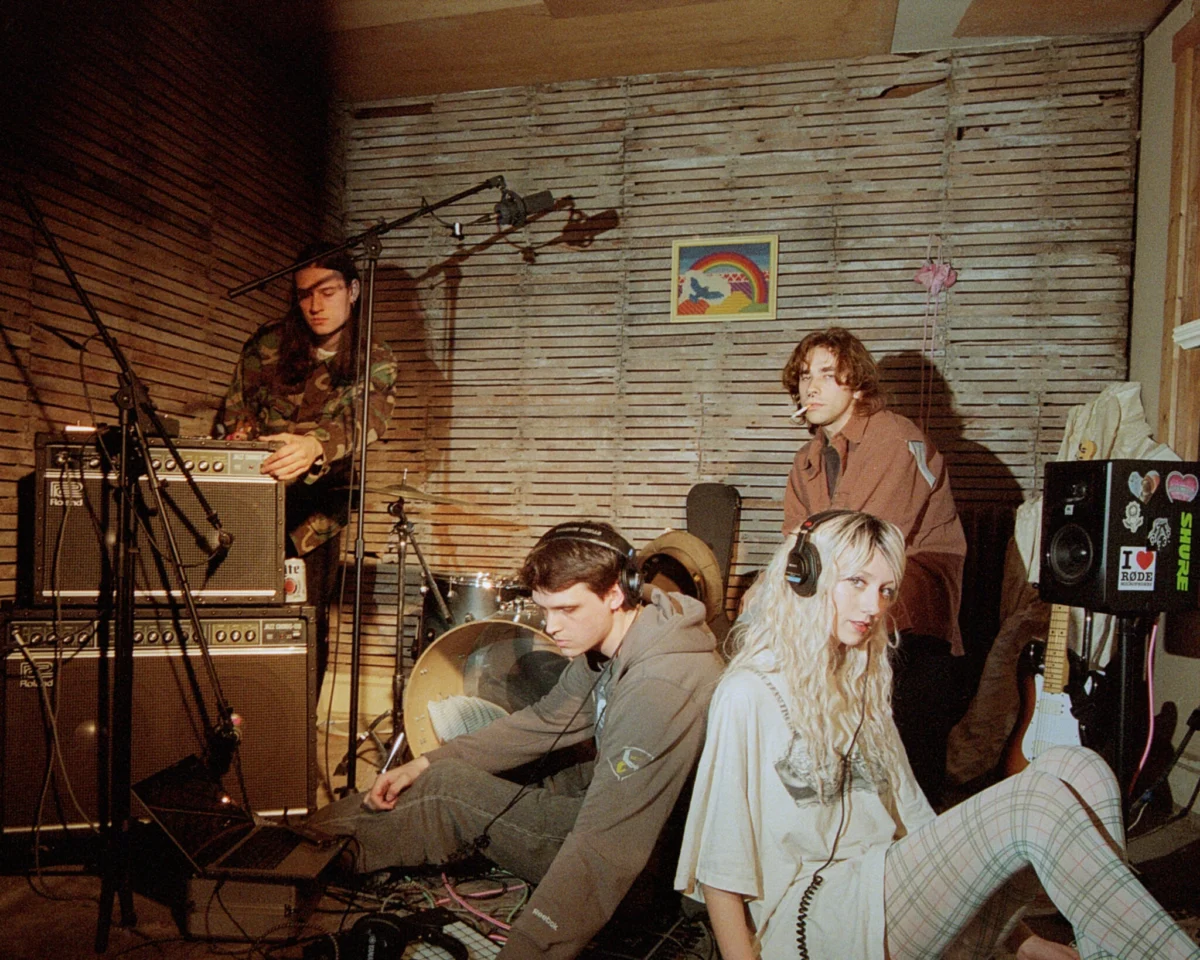
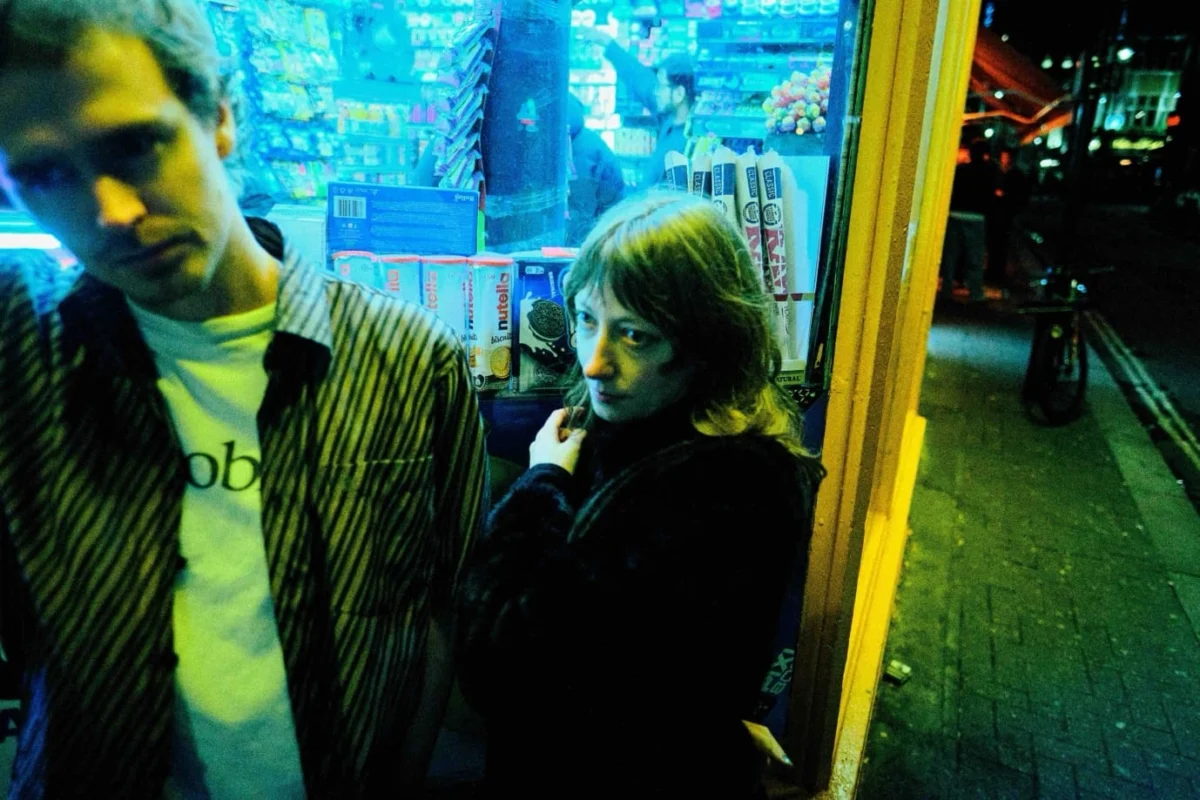
Pittsburgh indie rock outfit feeble little horse have spent the last three pivotal years quietly and deliberately dismantling, interrogating, and ultimately reconstructing the parameters of their sonic identity. Formed in 2021 within the fertile and insular underground rock scene of Pennsylvania, the project initially materialized as a collaborative duo between multi-instrumentalist Sebastian Kinsler and guitarist Ryan Walchonski. The lineup quickly expanded with the addition of vocalist and visual artist Lydia Slocum, followed by the integration of drummer Jake Kelley. Each member injected a distinct textural and structural element into the group’s embryonic recordings, laying the groundwork for a fast-evolving career defined by sonic unpredictability and fierce DIY independence.
The release of their third full-length studio album, bitknot, in May 2026, represents a watershed moment for the ensemble. Arriving as their first body of work recorded as a streamlined three-piece following the departure of Walchonski, the record showcases a heightened level of electronic drum experimentation spearheaded by Kinsler, harmonized with Slocum’s idiosyncratic vocal delivery and deeply integrated visual world-building. Driven by breakout lead single “Dior,” which swiftly evolved into an organic internet phenomenon amassing over a million streams on Spotify alone, the album has been widely received as a seething, maximalist mesh of avant-pop tropes. Balancing structural chaos with meticulous production, bitknot easily positions itself among the most compelling and critically acclaimed musical releases of the year.
As the band prepares to embark on a comprehensive UK and European headlining tour this November—including stops in Dublin, Edinburgh, London, and Manchester—they reflect on the arduous creative evolution that shaped their latest record, the mechanics behind their viral success, and their ongoing fascination with the analog aesthetics of the early internet.
The Evolution of a Three-Piece
The departure of founding member Ryan Walchonski presented an existential crossroads for feeble little horse, forcing the remaining members to reevaluate their collaborative dynamic, songwriting methodologies, and collective sound. Rather than attempting to replicate past configurations, the shift precipitated a period of uninhibited risk-taking.
“I think it allowed us to experiment more, and it’s probably the reason people are saying it’s such a different sound,” reflects vocalist Lydia Slocum. “We don’t think it’s that different, but having a smaller crew made it easier to take risks and work through challenges musically.”
Co-founder Sebastian Kinsler echoes this sentiment, noting the paradoxical nature of creative constraints within a smaller ensemble. “It allowed us to go to a bunch of different places, which is kind of counterintuitive. Because there are fewer people with ideas to pull from, the ideas you end up going to can get wild.”
This structural pruning required the band to actively dismantle their former workflow. During the lengthy transition period, Kinsler and Slocum questioned whether the material they were generating still belonged to the feeble little horse moniker, briefly contemplating alternative band names such as Baby Life before realizing that their ongoing creative output remained inherently tied to the project’s foundational ethos.
The current songwriting workflow is divided into two primary avenues. Typically, Kinsler constructs a foundational rhythm track or beat, which Slocum evaluates. Alternatively, the duo collaborates in real-time, developing beats, melodies, and lyrics in tandem. In other instances, Slocum introduces pre-written poetry, which is subsequently adapted to fit the rhythmic and harmonic demands of the music, as seen in tracks like “Picture” and “Freak.”
Navigating the Digital Age and the GeoCities Aesthetic
Beyond their auditory output, feeble little horse have cultivated a distinct visual and conceptual universe heavily inspired by the fragmented, decentralized aesthetics of the early, pre-social-media internet. Utilizing GeoCities-inspired web design and nostalgic visual motifs, the band maintains a deliberate distance from modern algorithmic optimization strategies.
For Slocum, whose entry into the band began when she provided artwork for the modern tourism EP before joining the musical lineup—initially navigating the bass guitar by placing physical stickers on the fretboard to memorize note locations—the reliance on digital connectivity is a paradox to be reconciled.
“We have to be online, right? It’s such a big part of how we found our sound and how we found each other—or at least how I became part of the band,” Slocum explains. Having initially connected with Kinsler via SoundCloud and Instagram following an in-person introduction, she views the internet as an inescapable ecosystem. “It’s baked into the situation, so I feel like it’s just a way to reconcile with the place we’re stuck in. We’re asking ourselves, ‘What parts of this are still human?’ or ‘What’s left over that feels inspiring that you want to lean into or investigate more?’”
Slocum articulates a broader cultural critique regarding modern digital consumption, contrasting the fatigue induced by infinite-scroll platforms like Instagram Reels with the tactile, exploratory nature of the abandoned 1990s web. By channeling the humanized idiosyncrasies of early digital culture, the band aligns their visual presentation with their unpolished, high-contrast sonic palate.
The Chemistry of Untrained Intuition
The unique trajectory of feeble little horse is further underscored by the unorthodox musical backgrounds of its members. Despite possessing no formal instrumental training prior to joining the group, Slocum’s presence has fundamentally defined the band’s sonic architecture. Brought in initially for her vocal abilities—honed through extensive experience in a girls’ choir—she transitioned into playing bass without prior technical knowledge of the instrument.
While Slocum expresses a long-term aspiration to study music theory and expand her instrumental repertoire to include the guitar, Kinsler argues that a lack of conventional training frequently yields more compelling artistic results in contemporary alternative rock. Pointing to critically revered contemporaries such as Kassie Krut and Palm, Kinsler acknowledges the validity of formal conservatory training while championing the instinctual, trial-and-error approach that characterizes feeble little horse’s studio sessions.
This tension between technical polish and instinctive chaos extends to the band’s production methods. Kinsler focuses heavily on electronic drum programming and sonic textures without relying on visual-to-audio synesthesia, leaving Slocum to interpret and distill the emotional core of the music into cohesive visual art.
The Phenomenon of Dior and Pop Art Sensibility
The widespread commercial and critical breakthrough of the single “Dior” marked a significant inflection point in the band’s career trajectory. Surpassing one million streams on Spotify, the track represents an ironic engagement with pop art traditions, leveraging brand recognition and overt structural catchiness reminiscent of Andy Warhol’s commercial appropriations.
“I do think it’s a sellable song because we’re naming a brand. Even calling it ‘Dior’ has an intrigue to it,” Slocum notes, drawing parallels to modern pop songwriting conventions. Despite its commercial viability, the track retains the abrasive, maximalist distortion characteristic of the band’s broader catalog.
Ironically, the band’s internal reaction to the track’s immediate appeal was one of humorous dismay. Kinsler admits to harboring reservations about the song’s accessibility, joking that upon playing it for their management team—who immediately championed its commercial potential—he wished it had been rejected. Rather than signaling a permanent shift toward conventional radio-friendly pop structures, however, the band views “Dior” as part of a wide-ranging continuum. Looking forward, Kinsler expresses a desire to push further into experimental territory, potentially exploring fully realized ambient or avant-garde soundscapes comparable to tracks like “Paris,” while Slocum plans to incorporate found-sound manipulation during their upcoming creative hiatus.
Superstition, Angel Numbers, and the Live Experience
A recurring motif throughout bitknot is the integration of numerological symbolism, specifically angel numbers, culminating in the prominent usage of the number 333 on the track “DMT.” Driven in part by Slocum’s appreciation for artists like Bladee and her own self-described superstitious tendencies, these numerical references serve as both personal ritual and artistic ornamentation.
“I’m also very superstitious, and have OCD, so I need things to be magically blessed,” Slocum explains, recounting an accidental numerological error on the album’s visual layout where twenty-one dots were included instead of the planned twenty-two. “I just love leaning into that type of thing—imagining that there’s some kind of magic angel. It’s a motif at this point.”
As the band transitions from an insular studio project into an active touring entity, the dynamic between recorded composition and live performance continues to evolve. While Kinsler historically views feeble little horse primarily as a conceptual recording studio project, both members recognize the vital energy generated by intimate live environments. Rejecting the ambitions of stadium-scale performances in favor of energetic club venues where audience interaction remains direct and visceral, the band approaches their upcoming tour dates with a sense of grounded realism.
Upcoming Tour Dates and Release Information
The physical release of bitknot will soon be expanded with a specialized Zoetrope vinyl edition, available for pre-order through official channels. The band will support the album with a headline tour across the UK and Europe throughout November, bringing their chaotic, avant-pop maximalism to live audiences abroad.
November 2026 Tour Schedule:
- November 19: Dublin, Button Factory
- November 21: Edinburgh, La Belle Angele
- November 22: London, EartH Hall
- November 23: London, EartH Hall (Sold Out)
- November 24: Manchester, Gorilla
Words by Daria Slikker
Photography by Eve Alpert