Reynand Wu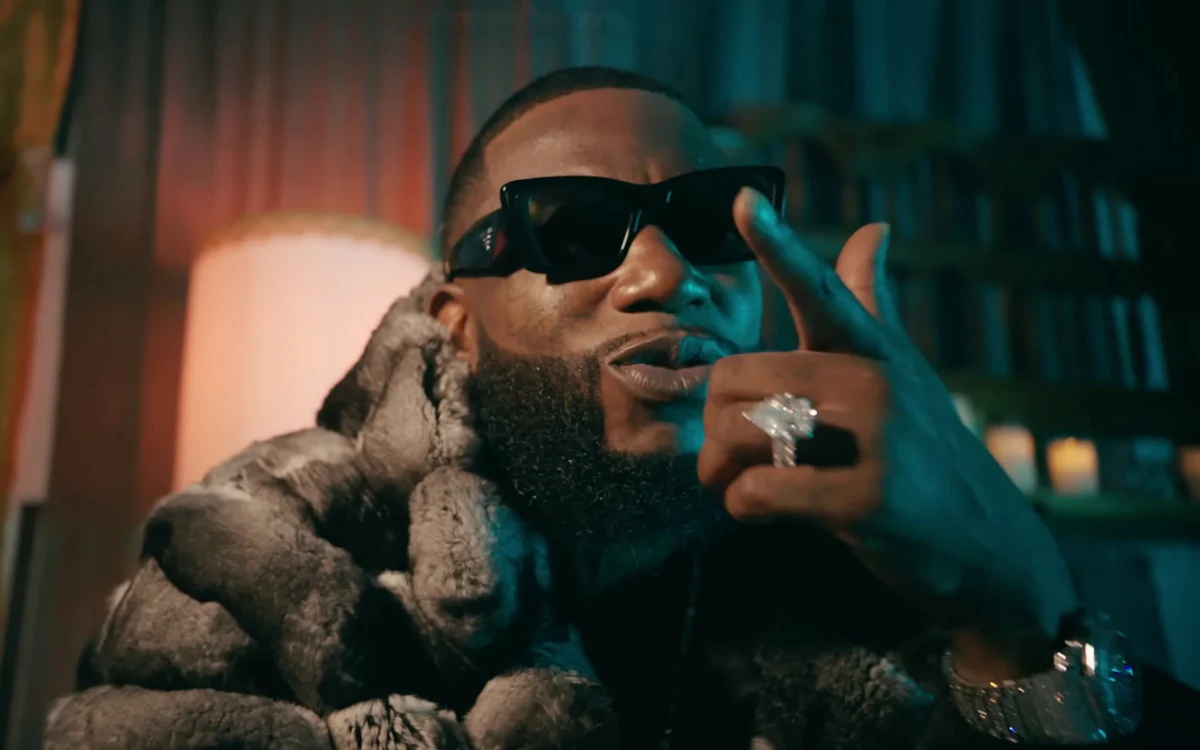
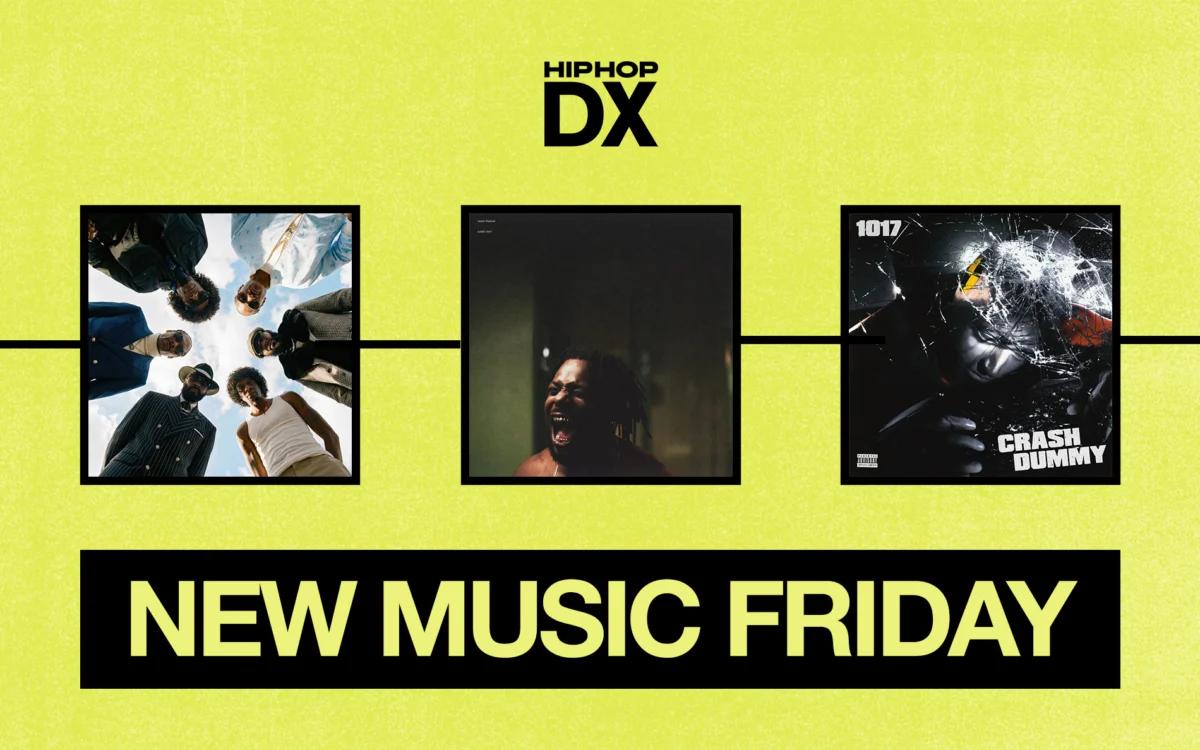
Gucci Mane has taken aim at Pooh Shiesty and Big30 on wax, just days after the Memphis-based artists were arrested for their alleged involvement in a violent kidnapping and robbery targeting the 1017 Records founder. The veteran Atlanta rapper released a track titled "Crash Dummy" on Friday, April 10, utilizing a classic, hard-hitting Zaytoven production to address the January 10 confrontation at a Dallas recording studio. The release serves as a direct, lyrical response to the legal drama that has sent shockwaves through the Southern hip-hop community.
In the track, Gucci Mane pulls no punches, questioning the loyalty of his former signees. "Tell the truth, you went out like a real crash dummy / And after all that, boy, you still signed to me? / I’m like Birdman and n*gga, this my Cash Money / And your fat-ass flunkie, he a stone-cold junkie," he raps. These bars underscore the betrayal felt by the label head, who has long been credited with nurturing the careers of numerous young rappers from across the South.
A Chronology of the Confrontation
The events leading to the release of "Crash Dummy" began on January 10, when Gucci Mane, born Radric Davis, arrived at a studio in Dallas for what he believed to be a routine professional engagement. According to court documents and testimony provided by federal investigators, the meeting was a ruse. Upon entering the room, Gucci Mane was allegedly met by Pooh Shiesty, Big30, and several associates who held him at gunpoint.
The indictment alleges that the assailants forced the rapper to sign legal documentation effectively terminating his recording contract with 1017 Records. The situation escalated into a broader robbery, with victims—including Gucci Mane and two music industry professionals—being stripped of personal property. During the altercation, one of the victims was reportedly subjected to physical violence, including being choked to the point of near-unconsciousness.
The situation remained under intense investigation by federal authorities for months, leading to a coordinated sweep last week. Nine individuals in total were taken into custody, including Lontrell Williams Sr., the father of Pooh Shiesty.
Legal Developments and Judicial Proceedings
The legal repercussions for those involved have been immediate and severe. During a bond hearing held earlier this week, federal judges were presented with a grim picture of the incident. Pooh Shiesty, whose rise to fame was punctuated by the hit single "Back in Blood," was denied bond. Judge Renee Harries Toliver ruled that the rapper’s history of legal issues—specifically the fact that he was already on home confinement for a separate firearm-related offense at the time of the Dallas incident—rendered him a significant flight risk and a danger to the community.
"I can’t find any conditions to offer that haven’t already been granted to you," Judge Toliver stated during the proceedings. The denial of bond highlights the court’s focus on the severity of the charges, which include kidnapping, armed robbery, and conspiracy.
Big30, whose legal name is Rodney Wright Jr., faced a similarly difficult outcome. While a judge initially set his bond at $100,000, the amount was immediately stayed following a request from prosecutors. The government argued that the nature of his alleged involvement—which included physically barricading the studio exit—warranted continued detention. If convicted on the current charges, both rappers face the possibility of life imprisonment.
The Role of Cooperation and Evidence
A notable element of this case is the degree to which Gucci Mane has engaged with law enforcement. During the recent bond hearings, FBI Special Agent Pamela Hanson testified that the investigation was heavily supported by statements provided by the victims. According to court records, members of Gucci Mane’s security detail alerted local police on the night of the incident, and the subsequent testimony from the rapper and his associates provided the framework for the federal charges.
This cooperation has sparked a debate within the hip-hop community regarding the ethics of artists working with law enforcement. However, from a legal standpoint, the testimony is expected to be a cornerstone of the prosecution’s case. The FBI’s reliance on these accounts suggests a high degree of confidence in the evidence collected during the initial police response.
Industry Implications: The 1017 Records Legacy
Gucci Mane’s "Crash Dummy" serves as both a musical response and a declaration of sovereignty over his label. By referencing his long-standing reputation as a mentor and business mogul, he seeks to distance himself from the volatility associated with his former artists. In the song, he notes, "This 1017 the label, I built this shit from the ground / And I be damned if I let a n*gga take my shit down."
The implications for 1017 Records are profound. The label has historically functioned as a pipeline for emerging talent, often signing artists with complex legal backgrounds. The "Crash Dummy" situation forces a reevaluation of the risks associated with this business model. Industry analysts suggest that the incident may lead to more rigorous vetting processes and heightened security protocols for label heads operating within the trap music sphere.
Furthermore, the public nature of the beef—transitioning from a studio ambush to federal court and finally to a diss track—illustrates the blurring lines between artistic narrative and criminal reality. For Gucci Mane, the song acts as a catharsis. As he closes the track with the refrain, "I done been betrayed, now my heart turned cold," he acknowledges the personal toll of the industry.
Contextualizing the Violence
The incident in Dallas is not an isolated event but rather part of a troubling trend of violence involving prominent hip-hop figures. Over the past several years, the intersection of street culture, contract disputes, and rapid fame has frequently resulted in high-profile legal intervention. The fact that Pooh Shiesty was only released from prison in October 2025, following a multi-year sentence for previous gun charges, underscores the recidivism issues facing many young artists in the genre.
The involvement of family members, such as Lontrell Williams Sr., adds a layer of complexity to the case, suggesting a coordinated effort rather than a spontaneous dispute. Federal prosecutors are likely to focus on this element to build a conspiracy case, which could carry significantly heavier sentencing guidelines than the underlying robbery charges alone.
Looking Ahead
As the case moves toward trial, the hip-hop industry will be watching closely. The outcome will likely serve as a precedent for how kidnapping and contract-related disputes are handled in federal court when the parties involved are public figures. For Gucci Mane, the focus remains on maintaining the integrity of his brand while navigating the fallout of a situation that has transformed his professional relationships into a legal battleground.
The release of "Crash Dummy" provides a clear window into the artist’s mindset during this period. While the legal process will take months, if not years, to conclude, the narrative in the studio and on the airwaves has already begun to shift. The track stands as a testament to the volatility of the music business and the permanent, often irreversible, consequences of crossing the line between business and crime. Whether this song will serve as the final word on the matter remains to be seen, but for now, it stands as the most candid expression of the conflict to date.