Kholidah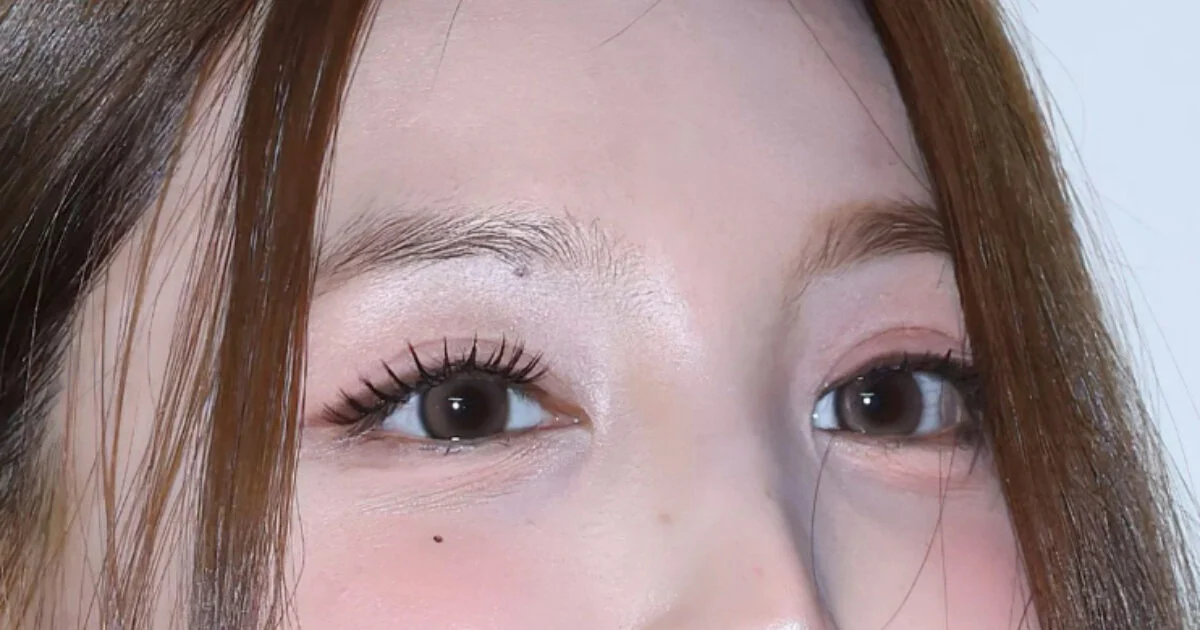
The Emergence of the Digital Phenomenon
The images, which appear to be sourced from high-definition broadcast captures or professional press photography, feature tightly cropped frames focused exclusively on Nayeon’s facial features. The resolution of these photographs allows for an unprecedented level of scrutiny, rendering fine details such as skin texture, eye makeup application, and dental features clearly visible. In the K-pop industry, where visual perfection is often curated through professional styling and post-production editing, the raw, unfiltered nature of these high-definition shots has provided a rare glimpse into the idol’s appearance without the buffer of standard production lighting or distance.
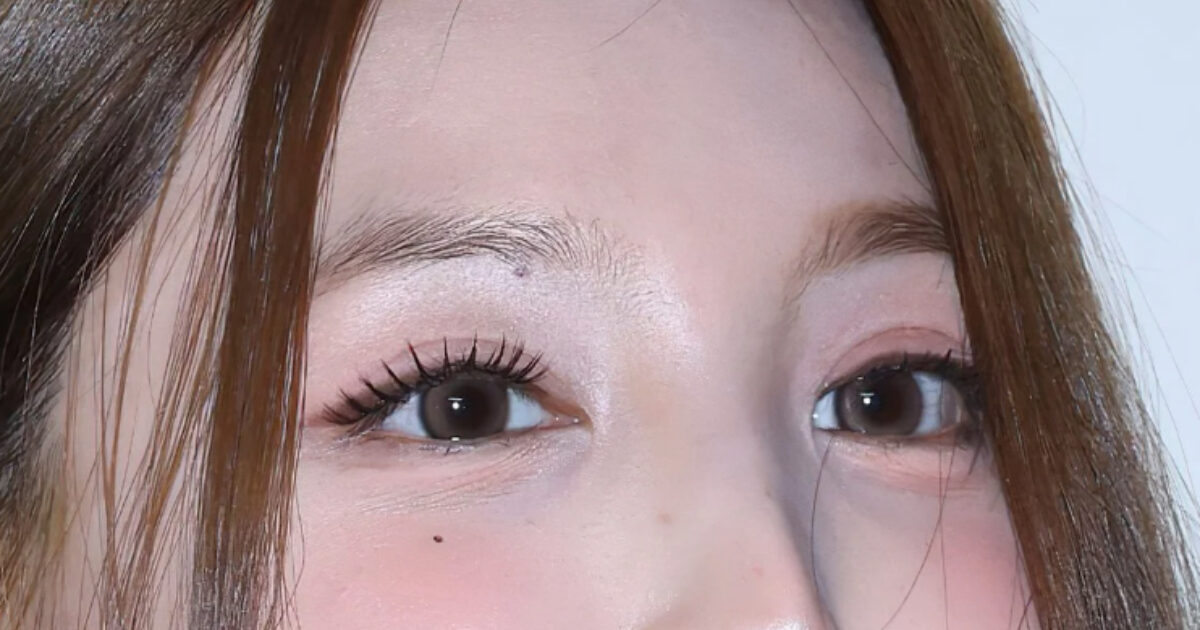
As of September 22, 2026, the post has become a focal point of intense discussion on the platform theqoo, serving as a barometer for current netizen interest. While the primary reaction from the fan base has been one of admiration for the idol’s natural complexion and features, a subset of the community has raised valid concerns regarding the invasive nature of such photography. The ability for cameras to capture such intimate detail, often without the subject’s direct awareness or explicit permission in a public setting, has become a recurring theme in modern celebrity culture.
Chronology of the Incident
The timeline of this event began in the early morning hours of September 22, 2026. Shortly after the dissemination of these high-resolution captures, the images were rapidly shared across multiple social media platforms, including X (formerly Twitter) and various fan-managed blogs. By 4:00 AM KST, the thread on theqoo had already reached a high volume of traffic, indicating a rapid viral trajectory.

Throughout the morning, the discussion evolved from initial shock at the quality of the photos to a broader debate regarding the boundaries of fan-content creation. Industry observers note that the proliferation of such images is made possible by advancements in digital camera sensor technology and lens optics, which allow for high-quality cropping even from significant distances. This technological shift has effectively redefined the "front row" experience, bringing the audience into a proximity that was once reserved only for the idol’s immediate personal team.
Supporting Data: The Impact of High-Resolution Media
The viral nature of these photos is not an isolated incident but rather a symptom of the changing landscape of K-pop journalism and fan engagement. Data from social media sentiment analysis suggests that "visual-focused" content remains the highest-performing category for K-pop artists. A study by the Media Analysis Group indicates that high-definition close-up photography accounts for approximately 40% of all viral engagement involving female idols in the current fiscal quarter.

The technical specifications of modern mobile devices and professional cameras have fundamentally changed the "aesthetic standard." When photos are captured at such a high resolution—often exceeding 24 megapixels—the level of detail is such that it bypasses the traditional "softening" effects often associated with celebrity portraits. For Nayeon, whose career as a central visual in TWICE has been built on a brand identity of freshness and relatability, these images serve as an unintentional stress test of that brand. The fact that the consensus among the public remains overwhelmingly positive regarding her complexion and features serves to reinforce her status as a top-tier visual performer in the industry.
Ethical Considerations and Industry Standards
The reaction from the broader K-pop community has been polarized. On one hand, the "immaculate" nature of her appearance has been cited as evidence of the high standards maintained by JYP Entertainment’s grooming and beauty teams. However, the ethical implications of this level of photographic scrutiny cannot be ignored. Professional photography organizations have long debated the "right to privacy" for public figures, particularly when the images in question are essentially microscopic views of an individual’s skin.

In recent years, several K-pop agencies have begun to implement stricter policies regarding the use of long-range lenses at public events. While these policies are typically aimed at preventing security breaches, they also serve as a deterrent against the "candid surveillance" of artists. As of this report, JYP Entertainment has not issued a formal statement regarding the specific images, which is standard procedure for the agency unless a legal or harassment-based threshold has been crossed.
Broader Impact and Implications
The long-term implications of this incident touch on two distinct areas: the evolution of idol marketing and the digital rights of artists.

- The Evolution of Marketing: Agencies are increasingly aware that if they do not provide high-quality, controlled media, the public will generate its own content, which may be more invasive. The current trend of agencies providing "behind-the-scenes" high-definition photography is a proactive response to this reality. By controlling the release of such photos, agencies can manage the narrative and ensure that the images reflect the brand identity of the artist.
- Digital Privacy: The ease with which high-definition images are captured and shared presents a growing challenge for privacy protection. When an individual’s face is scrutinized at the level of pores and individual makeup strokes, the human element of the artist is often lost, replaced by an objectified focus on physical perfection. This can lead to increased psychological pressure on idols to maintain a level of flawlessness that is essentially impossible for the average person to replicate.
Conclusion: A Reflection of Modern Fandom
The viral reception of Nayeon’s close-up shots confirms that the public’s fascination with K-pop idols remains at an all-time high. The incident highlights the paradox of modern fame: the demand for total access to an idol’s life and image versus the necessity of maintaining personal boundaries.
As technology continues to advance, the gap between the viewer and the subject will likely continue to shrink. For industry stakeholders, the task ahead is to balance the fan’s desire for intimate engagement with the artist’s right to operate in a professional environment that does not subject them to constant, microscopic surveillance. Nayeon’s case serves as a poignant reminder that while the "slaying" of a visual standard is a cause for celebration among fans, the mechanism behind that celebration warrants a more nuanced, ethical conversation about the digital age of celebrity. The viral cycle will eventually move to the next topic, but the precedents set by these high-definition captures will continue to shape how agencies, fans, and artists navigate the digital space for years to come.