Nana Wu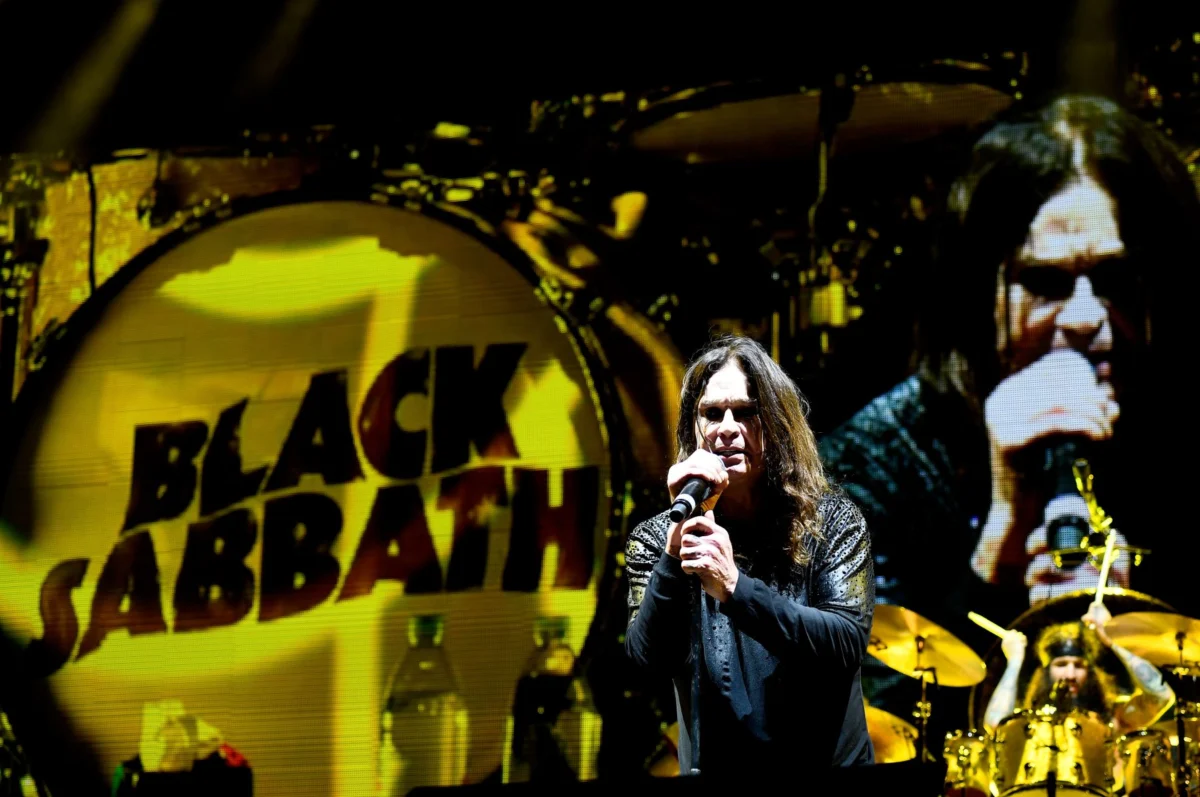
A Legacy of Heavy Metal Innovation
The inception of Ozzfest in 1996 serves as a watershed moment in the history of rock music. Orchestrated by Sharon Osbourne, the festival was born out of necessity and industry defiance. After being informed by the organizers of the touring Lollapalooza festival that there was no room on the bill for a legacy act like Ozzy Osbourne, Sharon Osbourne opted to create her own platform. The result was a grassroots tour that not only showcased established legends like Slayer, Danzig, and Biohazard but also prioritized a "discovery" element for emerging talent.
Throughout the late 1990s and early 2000s, Ozzfest became a cultural juggernaut. It functioned as a primary vehicle for breaking new artists into the mainstream, providing a massive, stadium-level stage for bands such as System of a Down, Slipknot, Disturbed, and Linkin Park. By the mid-2000s, the festival had solidified itself as the premier hard rock destination, reaching its peak in terms of attendance and cultural impact between 1998 and 2005. During this period, it regularly attracted audiences in excess of 20,000 to 40,000 people per date, creating a blueprint for festival logistics and genre curation that persists to this day.
Chronology of the Ozzfest Evolution
The trajectory of Ozzfest has been marked by periods of intense activity followed by strategic hiatuses. The following timeline outlines the key shifts in the festival’s operational history:
- 1996: Inaugural Ozzfest tour launches, proving that a dedicated heavy metal touring festival could sustain commercial viability.
- 1996–2007: The festival maintains a consistent annual touring schedule across North America and select European territories.
- 2008: Ozzfest shifts to a limited engagement model, transitioning away from the traditional cross-country touring format.
- 2010–2015: Sporadic one-off events and small-scale revivals occur, reflecting changing dynamics in the touring industry.
- 2018: The most recent major North American gathering takes place as a one-day event at The Forum in Inglewood, California, featuring a bill headlined by Rob Zombie and Marilyn Manson.
- 2025: Black Sabbath and Ozzy Osbourne’s "Back to the Beginning" farewell concert occurs at Villa Park, Birmingham, serving as a poignant emotional centerpiece for the brand.
- 2026: Official announcement of the 2027 return to both the U.K. and North American markets.
The 2027 Revival: Strategic Implications
The decision to revive Ozzfest in 2027 follows the passing of Ozzy Osbourne in 2025. In the months leading up to the announcement, Sharon Osbourne has been vocal regarding her commitment to the legacy of the festival. In interviews with industry publications, she has emphasized that the festival was always intended to be more than a commercial venture; it was a "summer camp" for the metal community and a vital incubator for talent.
The partnership with Live Nation, which has managed the logistics of previous Ozzfest iterations, remains a critical component of the 2027 plan. From an industry perspective, the reboot serves as a high-stakes test of the "legacy festival" model. As the music industry continues to favor multi-genre destination festivals like Coachella or Lollapalooza, Ozzfest’s attempt to reclaim its identity as a genre-specific, community-centric event will be closely watched by talent agencies and venue operators.

The choice of Villa Park in Birmingham for the U.K. leg is particularly symbolic. Birmingham is the birthplace of heavy metal, and the venue served as the site for the final, emotionally charged performance of the Osbourne-era legacy. By anchoring the return in the city where the genre was born, the organizers are emphasizing a narrative of continuity and historical preservation.
Economic and Cultural Impact
The return of a large-scale hard rock tour has significant economic implications for the touring sector. Heavy metal tours have historically demonstrated high "loyalty-based" attendance, where fans are more likely to travel significant distances to see a curated bill. The move to bring the festival back to North American cities suggests that there is a perceived demand for "eventized" concert experiences that go beyond a standard touring cycle.
Furthermore, the "discovery" component—the hallmark of the original Ozzfest—remains a core promise. As the industry faces criticism for a lack of new "rock stars" capable of filling stadiums, Ozzfest’s potential return to its roots of pairing heritage acts with up-and-coming talent could address a critical gap in the live music ecosystem.
Industry Response and Future Expectations
While specific dates, city rosters, and the primary lineup remain under wraps, the industry response has been one of cautious optimism. Promoters and venue managers note that the "Ozzfest" brand retains massive equity, even without the physical presence of its namesake founder. The brand’s ability to transcend the specific membership of the lineup has always been its greatest strength; the festival itself became the draw, rather than just the individual bands.
"Ozzfest was never just about Ozzy," remarked one independent talent buyer familiar with the festival’s history. "It was about the energy, the tribal nature of the crowd, and the professional standard that the production set. If the management can replicate that atmosphere, the commercial success is almost guaranteed."
As of late 2026, the global touring market is seeing a high volume of legacy acts returning to the road. However, the Ozzfest reboot is distinct because it is not merely a concert series, but a festival property that requires extensive logistical coordination across multiple major markets. The upcoming months will likely see the announcement of key partners and a strategy that addresses how the brand will honor its past while remaining relevant to a 2027 audience.
Challenges and Opportunities
One of the primary challenges facing the 2027 reboot is the evolution of the festival market. In 1996, there were few options for metal fans on a national scale. Today, festivals like Download in the U.K., Hellfest in France, and various specialized festivals in the U.S. create a crowded landscape. Ozzfest will need to differentiate itself by leaning into its specific history and its reputation as an industry kingmaker.
Additionally, the absence of Ozzy Osbourne creates an opportunity for the festival to pivot toward a celebratory, commemorative model. The 2027 event will likely serve as a retrospective, potentially integrating advanced audiovisual technology to include the spirit of the legacy acts that built the festival.
For the music industry, the success of the 2027 Ozzfest will be a litmus test for the enduring power of the hard rock and metal genre. If the event succeeds in selling out stadiums, it will confirm that the audience for heritage-based, high-intensity rock music remains as robust as ever, even in an era dominated by streaming and digital consumption.
Conclusion: A New Chapter
As the 2027 tour approaches, the focus remains on how the organizers will navigate the transition from a founder-led event to a sustainable, enduring brand. The announcement that the festival will hit both the U.K. and North America provides a strong foundation for a global comeback. For the fans who have followed the festival since its 1996 inception, the return of Ozzfest represents more than just a series of concerts; it is the restoration of an institution that defined the sound and the spirit of a generation of heavy music.
As details regarding the lineup and specific tour dates are finalized, the industry will look for signs of how the festival plans to balance its historical identity with the technological and logistical demands of the modern era. For now, the metal community waits for the next phase of the rollout, with the knowledge that the summer of 2027 promises to be a defining moment for the genre. Whether the festival acts as a permanent return to the touring circuit or a high-profile, short-term project, its impact on the cultural landscape of rock music remains undisputed.