Nayara Elvina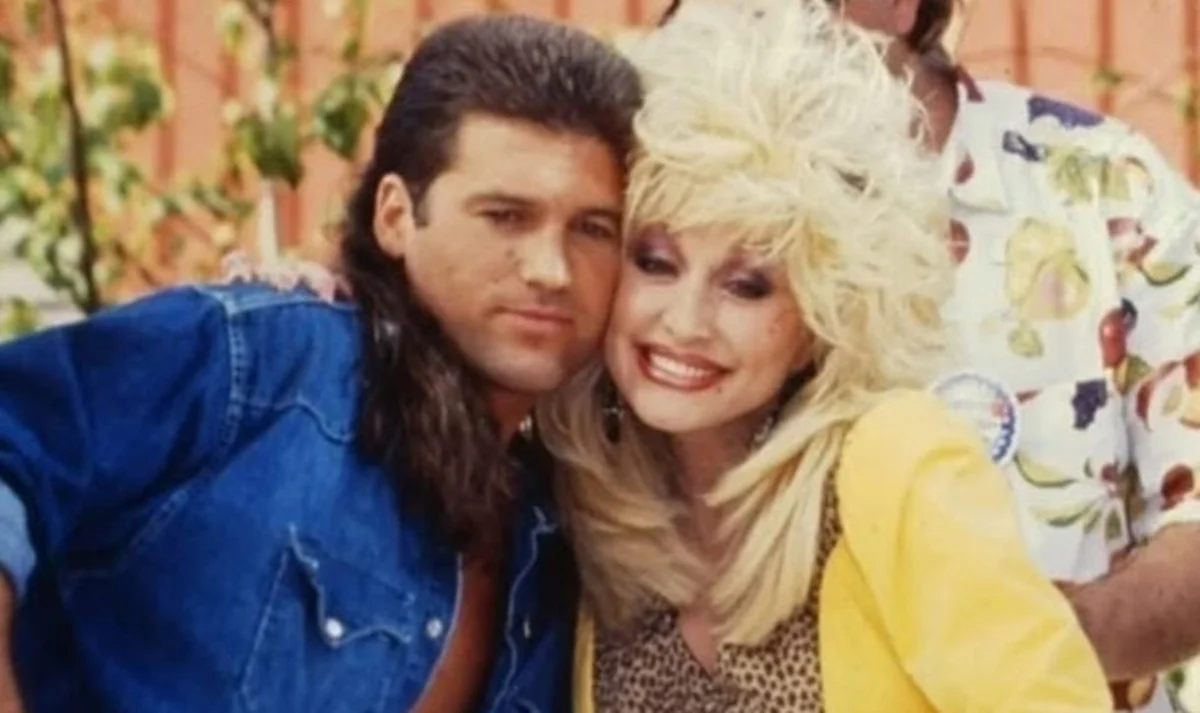
Country music royalty and fans around the globe united on September 25 to celebrate the indelible legacy of the late icon Dolly Parton during the inaugural global recognition event known as "Dolly Parton Day." The date—9/25—was deliberately selected to honor one of the Queen of Country Music’s most enduring chart-topping anthems, her 1980 cinematic and musical tour de force, "9 to 5." Among the countless tributes pouring in from artists, dignitaries, and millions of admirers, musician Billy Ray Cyrus chose to mark the occasion by making public a deeply personal artifact: a handwritten letter sent to him by Parton in the spring of 1992.
The unveiling of the correspondence offers a rare glimpse into the mutual respect shared among titans of the genre. For Cyrus, who holds the document alongside a prized handwritten letter from Johnny Cash, the note serves as a tangible reminder of the profound impact Parton left not only on the music industry, but on the personal lives of those she mentored and befriended. As communities across the United States—most notably Nashville, Tennessee—orchestrated elaborate civic tributes, the disclosure of Parton’s personal correspondence underscored the enduring personal warmth that characterized her legendary career.
Nashville Observes Dolly Parton Day with Citywide Tributes
The municipal celebration in Nashville on September 25 transformed Music City into a living monument to Parton’s contributions to American culture. City officials, local businesses, and cultural institutions collaborated to execute a tightly coordinated schedule of events designed to honor the singer-songwriter’s vast catalog and philanthropic footprint.
At precisely 5:00 PM local time, participating venues, radio stations, and public spaces throughout Nashville synchronized to broadcast "9 to 5," creating a unified chorus across the metropolitan area. Architectural landmarks, including major downtown bridges and commercial skyscrapers, were illuminated in shades of pink—a nod to Parton’s signature aesthetic. The day’s festivities culminated at 9:25 PM with a specially curated fireworks display launched over the city skyline, drawing tens of thousands of residents and tourists into the streets to commemorate the cultural icon.
Beyond Tennessee, tributes echoed through digital platforms and international broadcasts. Fans, historians, and fellow musicians shared archival performances, personal anecdotes, and expressions of grief over the loss of an artist whose career spanned more than six decades. The global outpouring reinforced Parton’s status as a unifying figure across diverse musical genres, bridging traditional country, pop, and Americana.
A Chronology of Friendship: From 1992 to Hannah Montana
The relationship between Billy Ray Cyrus and Dolly Parton spans more than thirty years, marked by landmark collaborations in recording studios, television, and film. The foundation of their lifelong friendship was laid in the spring of 1992, a critical juncture in Cyrus’s professional trajectory. At the time, his breakthrough single, "Achy Breaky Heart," was beginning its meteoric ascent on international charts, and his debut studio album, Some Gave All, was still awaiting official release.
Weeks after their initial meeting in Chicago in 1992, Parton dispatched the handwritten letter to Cyrus to offer encouragement during his sudden elevation to global stardom. The gesture quickly materialized into professional synergy. Later that year, Cyrus and Parton teamed up alongside fellow country luminaries Tanya Tucker, Kathy Mattea, and Mary Chapin Carpenter to record the collaborative single "Romeo," which appeared on Parton’s thirty-first solo studio album, Slow Dancing with the Moon.
The partnership extended far beyond the recording studio. In the decades that followed, Cyrus and Parton collaborated on various television specials and mainstream entertainment projects. Most notably, Parton made recurring guest appearances as herself on the immensely popular Disney Channel sitcom Hannah Montana, which starred Cyrus alongside his daughter, Miley Cyrus—whom Parton famously serves as a godmother.
The collaboration between the veteran icons culminated in their final recorded duet, "Christmas Where We Are," released decades after their initial meeting. Reflecting on the timeline of their friendship, Cyrus noted that September 25 provided the definitive appropriate moment to share the historical correspondence with the public.
Inside the 1992 Letter: Professional Respect and Humility
The contents of the 1992 letter, preserved by Cyrus for over thirty years, reveal a side of Parton defined by self-effacing humor and genuine mentorship. In the correspondence, Parton extends congratulations on Cyrus’s burgeoning success while expressing an unexpected vulnerability regarding their initial encounter.
"Billy, I’m glad to be working with you. I’ve been looking forward to it for a few weeks now. I’m proud of what’s going on with you. I too think you are special," Parton wrote. "I wish you even more success in the years to come. I’m sorry I stammered and blushed when I met you, but I’m just like all the other girls these days (just a little older)."
Cyrus observed that the letter sits alongside his prized correspondence from Johnny Cash, viewing the two documents as complementary artifacts from figures he considers foundational to his career. "Brother Cash and Sister Parton… they are the hearts and minds of two of my heroes that both took the time to express their most personal and sincere thoughts to an ole Kentucky Boy," Cyrus stated.
Broader Industry Impact and Parton’s Epistolary Legacy
Parton’s habit of drafting thoughtful, handwritten correspondence to peers, collaborators, and fans was a defining hallmark of her professional conduct. Throughout her career, the legendary artist maintained a practice of acknowledging achievements, offering solace during difficult times, and fostering personal connections through written notes.
Following her passing, several prominent figures across the entertainment industry revealed similar gestures of kindness. Notably, rapper Eminem publicly shared a letter he had received from the "Jolene" singer, illustrating her ability to reach across generational and stylistic divides to connect with artists from completely different musical backgrounds. Analysts of popular culture note that these communications contributed significantly to Parton’s reputation as an approachable, empathetic figure within an industry frequently characterized by transactional relationships.
The public release of Cyrus’s 1992 letter amplifies an ongoing examination of Parton’s off-stage character. While her commercial achievements—including dozens of gold and platinum records, multiple Grammy Awards, and her induction into the Rock and Roll Hall of Fame—are well-documented, her behind-the-scenes mentorship of younger artists remains a cornerstone of her legacy.
Implications for Country Music Heritage and Archival Preservation
The observance of Dolly Parton Day and the subsequent disclosure of historical artifacts like Cyrus’s letter highlight a growing emphasis on the preservation of country music history. As foundational figures of twentieth-century American music pass away, the cultural sector has placed increased value on primary source materials—letters, unreleased recordings, and personal journals—that document the collaborative networks within Nashville and beyond.
Music historians suggest that documents such as the Parton-Cyrus correspondence offer critical insights into the sociological dynamics of the country music industry during the early 1990s, a period marked by unprecedented crossover success and commercial expansion. By making these items accessible to the public, artists contribute to institutional memory, ensuring that future generations understand the interpersonal foundations that supported major commercial developments.
As celebrations for Dolly Parton Day concluded, the consensus among industry analysts and fans alike was clear: while the physical absence of the Queen of Country Music remains acutely felt within the artistic community, her cultural footprint, institutional generosity, and documented personal kindness will continue to resonate for generations to come.