Johan Budi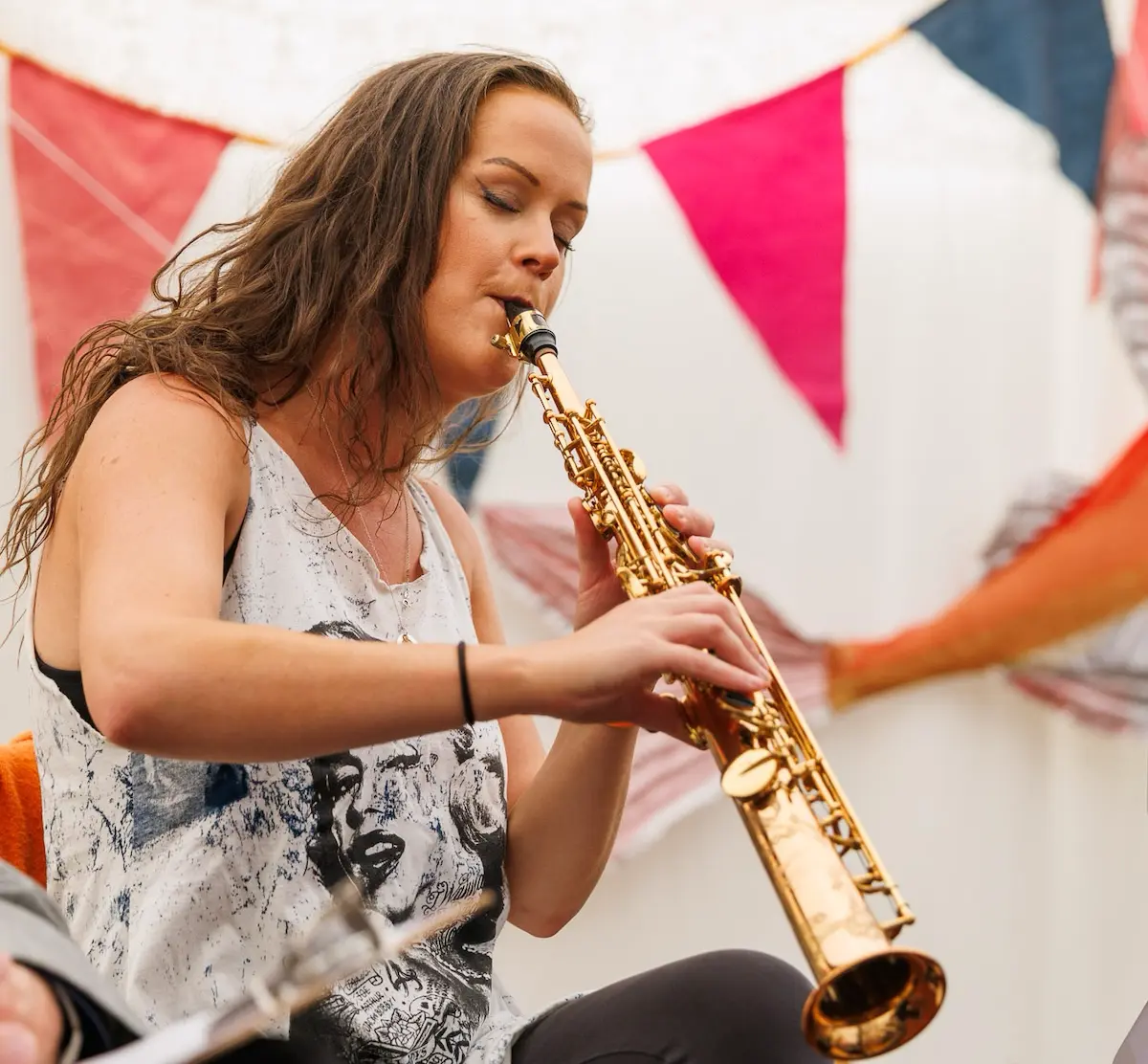
The intersection of culinary arts and musical heritage took center stage at the renowned Abergavenny Food Festival, where jazz broadcaster John Hellings and fellow presenters hosted a critically well-received collaborative performance. Titled From Barbecue To Black Coffee, the afternoon event blended live musical execution with historical reminiscence, utilizing artificial intelligence to unearth a vast catalog of jazz compositions featuring food and beverage references. Staged within the festival’s bustling marquee enclosures, the performance offered attendees a unique cultural synthesis designed to examine how gastronomy has historically inspired American jazz repertoire.
Event Overview and Setting
The Abergavenny Food Festival, established in 1999, routinely attracts tens of thousands of visitors to the Welsh market town for a weekend dedicated to sustainable agriculture, culinary innovation, and public discourse. The festival’s programming integrates practical workshops, celebrity chef demonstrations, and public forums addressing contemporary nutritional challenges.
Positioned directly after a high-profile youth-led presentation titled The Kids’ Restaurant—which focused on the eco-friendly future of healthy food production and culminated in the distribution of artisanal salted caramel ice cream to the audience—the jazz showcase drew a capacity crowd. Despite the logistical challenges of performing in a temporary festival marquee, the event benefited from high visibility and strong pedestrian curiosity, ultimately filling the tent to capacity. Prominent jazz critics, including Ian Mann of The Jazz Mann blog, were noted in attendance among the standing-room-only audience.
Musical Lineup and Repertoire
Accompanied by soprano saxophonist Martha Skilton and keyboardist Newman Tai, the presenters curated a tightly focused six-song setlist specifically chosen to reflect the festival’s culinary theme. Avoiding abstract or avant-garde pieces that might alienate a general festival audience, the ensemble performed a chronologically and stylistically diverse selection of jazz standards:
- Struttin’ With Some Barbecue by Lil Hardin
- Tangerine by Victor Schertzinger
- Tea For Two by Vincent Youmans
- Watermelon Man by Herbie Hancock
- Salt Peanuts by Dizzy Gillespie and Kenny Clarke
- Black Coffee by Sonny Burke
Reserve selections included Charles Mingus’s Goodbye, Pork-pie Hat and the Evans-Ricardel composition The Frim Fram Sauce. The absence of vocalists required the instrumentalists to carry the melodic weight, foregoing lyrical interpretations of complex standards such as Tea For Two, famously performed at the 1959 Newport Jazz Festival by Anita O’Day.
Historical Context and Evolution of Jazz Monikers
A significant portion of the dialogue between Hellings and the presenters examined the social history of early jazz musicians, particularly the historical prevalence of weight-based nicknames. The discussion cataloged numerous seminal figures who bore the moniker "Fats"—including Fats Waller, Fats Navarro, Fats Domino, and drummer Eugene Fats Heard—alongside other artists of portly stature such as Jimmy Rushing, King Oliver, Oscar Peterson, a young Louis Armstrong, Joe Turner, Bessie Smith, Mahalia Jackson, Dave Bowman, Cannonball Adderley, Ella Fitzgerald, Ma Rainey, and Sidney Bechet.
Analysts and cultural historians note that physical appearance in the early-to-mid 20th-century entertainment industry was frequently weaponized as a branding tool or accepted as an unvarnished descriptor, contrasting sharply with modern wellness standards in the contemporary music industry. Today’s touring musicians generally adhere to strict dietary regimens and hydration practices, reflecting broader shifts in public health awareness.
Cultural Analysis of Innuendo in Mid-Century Standards
The performance also addressed the prevalent use of double entendres within classic jazz compositions. Historically, censorship and social conservatism necessitated veiled lyrical references to illicit subjects, particularly sexuality. Classic recordings such as Bessie Smith’s I Need A Little Sugar In My Bowl utilized culinary metaphors to address adult themes.
Similarly, the lyrics to The Frim Fram Sauce—featuring lines regarding "chafafa on the side"—have long been acknowledged by interpreters, including vocalist Diana Krall, as employing gastronomic terminology to convey subtextual sexual meanings. Scholars suggest that these stylistic choices allowed artists to navigate broadcast restrictions while maintaining commercial appeal in mainstream venues.
Economic Realities and Song Origins
Behind the lighthearted banter of the Abergavenny showcase lay substantial musicological history regarding the composition of these culinary-themed standards. Historical research into the featured setlist revealed notable production backgrounds:
- Tangerine was originally composed by film director Victor Schertzinger for the 1942 Paramount Pictures release The Fleet’s In. Featuring lyrics by Johnny Mercer, the song functioned as wartime escapism, personifying a South American woman to capture domestic cinematic audiences.
- Black Coffee reportedly shares melodic DNA with Mary Lou Williams’s earlier composition What’s Your Story, Morning Glory?, adapted through the arrangements of Billy Moore.
- Watermelon Man was composed by Herbie Hancock primarily as a commercial vehicle for his debut album as a bandleader for Blue Note Records. The financial success of the track, bolstered by Mongo Santamaria’s Latin-infused cover and Jon Hendricks’s subsequent lyrics, generated sufficient royalties to secure Hancock’s financial stability for five years at the outset of his career.
Broader Industry Implications
The success of From Barbecue To Black Coffee underscores a growing demand for multidisciplinary festival programming that bridges niche artistic genres with mainstream cultural interests. As traditional broadcast platforms—particularly public service broadcasters like the BBC—face criticism from critics and musicians for reducing dedicated jazz programming, independent internet broadcasters such as Serenade Radio are increasingly filling the void. Offering uninterrupted music without commercial interruptions or news bulletins, these digital platforms represent a shifting paradigm in how specialized musical genres are preserved and consumed in the 21st century.
The Abergavenny Food Festival appearance demonstrates that jazz, when contextualized through universally accessible cultural touchstones like food and history, retains a robust capacity to engage diverse public audiences.