Aveline Kirana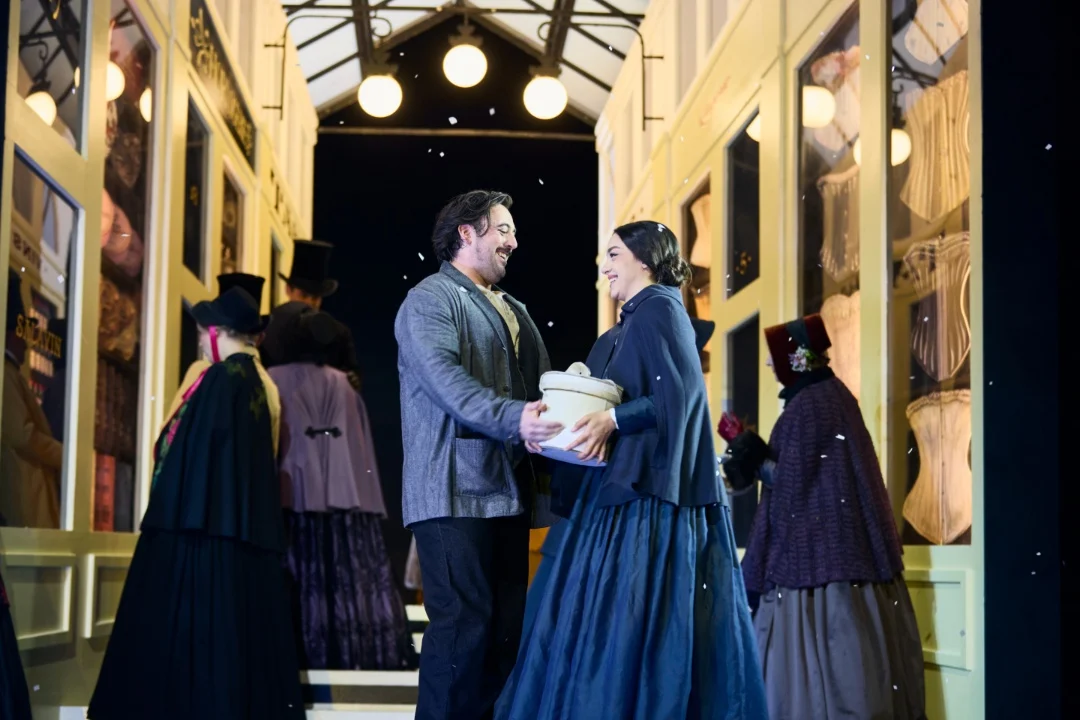
The Metropolitan Opera has officially announced a significant adjustment to its current casting roster for the iconic Franco Zeffirelli production of Giacomo Puccini’s La Boheme. For the scheduled performances on September 25 and 27, the British-Italian tenor Freddie de Tommaso will assume the role of the poet Rodolfo. This change comes at a pivotal juncture in the Metropolitan Opera’s early-season calendar, as the company navigates the logistical complexities inherent in maintaining its high-profile repertory schedule. De Tommaso, who has garnered substantial critical acclaim for his vocal agility and dramatic presence, is stepping into the role amidst a busy performance cycle that includes his current engagement in the company’s staging of Verdi’s Macbeth.
The Context of the Casting Adjustment
Casting changes at an institution of the Metropolitan Opera’s stature are not uncommon, yet they remain a logistical challenge that requires seamless coordination between production management, the conductor, and the artistic staff. The transition, while abrupt, is facilitated by de Tommaso’s intimate familiarity with the Zeffirelli production. Having performed the role of Rodolfo on the Met stage during the previous season, the tenor brings a level of continuity that is vital for maintaining the artistic integrity of a production that relies heavily on its elaborate, period-specific staging.
During his previous appearances in this specific production, critics noted his ability to navigate Puccini’s demanding score with technical precision and emotional resonance. Reviews from the 2024-2025 season underscored his capacity to blend into the ensemble while asserting the necessary presence required for the central romantic narrative. By re-engaging a performer who has already demonstrated a command of the staging, the Metropolitan Opera ensures that the musical and theatrical synergy remains consistent, minimizing the rehearsal time typically required for an unfamiliar lead.
Biographical and Professional Trajectory
Freddie de Tommaso’s rapid ascent in the world of opera has made him one of the most sought-after tenors of his generation. Born to an Italian father and a British mother, his career trajectory has been marked by a focus on the core Italian repertory, particularly the works of Puccini and Verdi. His training and subsequent debut performances signaled a return to the "spinto" tenor tradition, characterized by a voice that combines lyrical beauty with the power required for the dramatic climaxes of verismo opera.
His current involvement in the Metropolitan Opera’s Macbeth is reflective of his versatility. Transitioning from the dark, psychological intensity of Macbeth to the bohemian, romantic idealism of Rodolfo in La Boheme demonstrates the breadth of his vocal capabilities. This dual engagement serves as a testament to his stamina and artistic discipline, as both roles require distinct stylistic approaches and physical presence.
The Zeffirelli Legacy: A Production Backdrop
The production in which de Tommaso will perform is arguably the most famous staging in the Metropolitan Opera’s history. Franco Zeffirelli’s La Boheme, which first premiered at the Met in 1981, remains a cornerstone of the company’s repertory. Known for its breathtakingly realistic depiction of 19th-century Paris—complete with a bustling Latin Quarter street scene and a multi-level attic—the production is a massive undertaking that requires precise timing and coordination from the entire cast.
For a tenor like de Tommaso, performing within the Zeffirelli framework requires an acute awareness of the stage mechanics. The production is physically demanding, involving complex blocking and a large number of supernumeraries. The inclusion of an experienced hand like de Tommaso for the September 25 and 27 dates provides the Met with the assurance that the production’s famous "magic" remains intact, allowing for a seamless transition that benefits the audience and the fellow members of the cast.
Supporting Cast and Creative Leadership
De Tommaso joins a distinguished ensemble of international artists for these performances. The cast includes Juliana Grigoryan, whose soprano performances have been widely praised for their tonal clarity, as well as Rosa Feola, Hansung Yoo, Gihoon Kim, Le Bu, and Donald Maxwell. This assembly of talent represents the Metropolitan Opera’s commitment to fostering both established international stars and rising voices in the opera world.
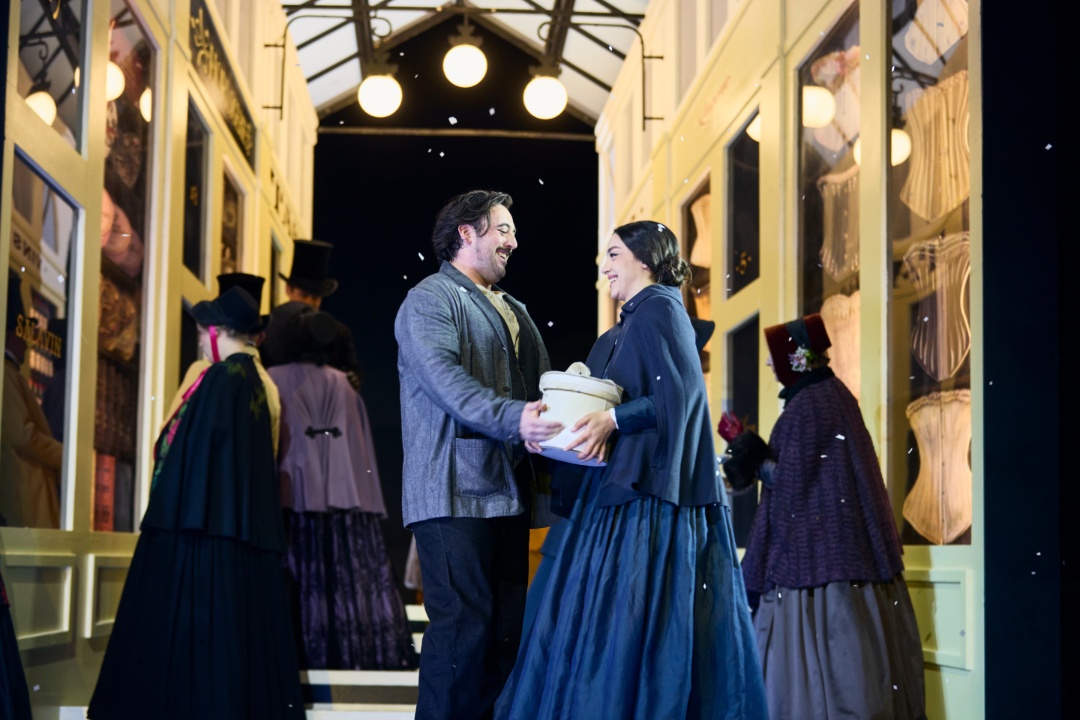
Leading the musical forces is conductor Ramón Tebar. His role in this transition is paramount; as the musical director of the performance, Tebar is responsible for balancing the orchestral textures of Puccini’s lush score with the individual interpretations of the vocalists. The collaboration between the conductor and the tenor is a critical factor in the success of any La Boheme, as the pacing of the score—particularly the iconic Act I arias—must be calibrated to accommodate the dramatic intentions of the singers.
Operational Implications for the Metropolitan Opera
The logistical operation behind a last-minute casting change involves a complex series of administrative and artistic negotiations. When a performer is replaced, the Metropolitan Opera’s artistic planning department must ensure that the new artist’s schedule aligns with the remaining rehearsals, costume fittings, and staging adjustments. In the case of de Tommaso, his concurrent participation in the Met’s season suggests that the administrative overhead is significantly reduced, as he is already integrated into the company’s operational ecosystem.
From a financial and organizational standpoint, the use of resident or currently contracted artists for substitutions is a standard risk-mitigation strategy. By maintaining a deep bench of talent that is already in New York, the Metropolitan Opera preserves the stability of its ticketed performances. For the audience, this ensures that the quality of the performance—a critical factor for the Met’s box office and reputation—remains at the high level expected of the world’s leading opera house.
The Significance of the Puccini Canon
La Boheme continues to be a commercial and artistic anchor for the Metropolitan Opera. According to recent industry reports, the work remains one of the most frequently performed operas globally, and its perennial popularity at the Met is a reflection of its accessibility and its status as a gateway work for new operatic audiences. The decision to cast a rising star like de Tommaso in the role of Rodolfo is also a strategic move to engage younger demographics and maintain the vitality of the repertoire.
The operatic industry has seen a shift toward more dynamic, filmic staging, yet the Zeffirelli production remains the gold standard for traditionalism. The challenge for contemporary tenors is to honor the tradition established by the likes of Pavarotti and Domingo, who famously inhabited this production, while bringing a contemporary sensibility to the role of the impoverished poet. De Tommaso’s previous performance reviews indicate that he has successfully navigated this tension, providing an interpretation that feels fresh without sacrificing the emotional core that makes La Boheme a timeless classic.
Analytical Perspective: The Future of the Tenor Role
The role of Rodolfo is historically significant, serving as a proving ground for tenors looking to transition into the heavier dramatic repertory. As de Tommaso navigates his career, his ability to manage the technical rigors of this role—specifically the high-lying passages in "Che gelida manina"—will continue to be scrutinized by critics and audiences alike. The Metropolitan Opera’s decision to trust him with two additional dates during a busy week underscores the management’s confidence in his vocal health and artistic development.
Furthermore, the integration of new talent into legacy productions is a vital process for the evolution of the Metropolitan Opera. It allows for a dialogue between the past and the present, where current artists can interpret the work through the lens of modern musical standards. By casting de Tommaso, the Met is signaling that it prioritizes a high-caliber vocal performance that can hold its own against the grandeur of the Zeffirelli sets.
Final Outlook for the Performances
As the September 25 and 27 dates approach, the focus remains on the synthesis of the ensemble. The chemistry between the leads is the lifeblood of La Boheme; the relationship between Rodolfo and Mimì must convey the tragic arc of the story within the span of a few hours. With de Tommaso stepping into the role, the production is well-positioned to maintain its momentum.
The Metropolitan Opera’s announcement of this change serves as a reminder of the inherent unpredictability of live theater and the professional agility required to manage it. Through careful planning and the deployment of experienced artists, the institution ensures that the standard of excellence expected by its patrons is consistently met. The performances are expected to proceed as scheduled, with the artistic team continuing to refine the nuances of the production during the final rehearsal periods. This event highlights not only the resilience of the opera house but also the enduring power of the Puccini repertoire, which continues to draw audiences and inspire performers more than a century after its debut.