Johan Budi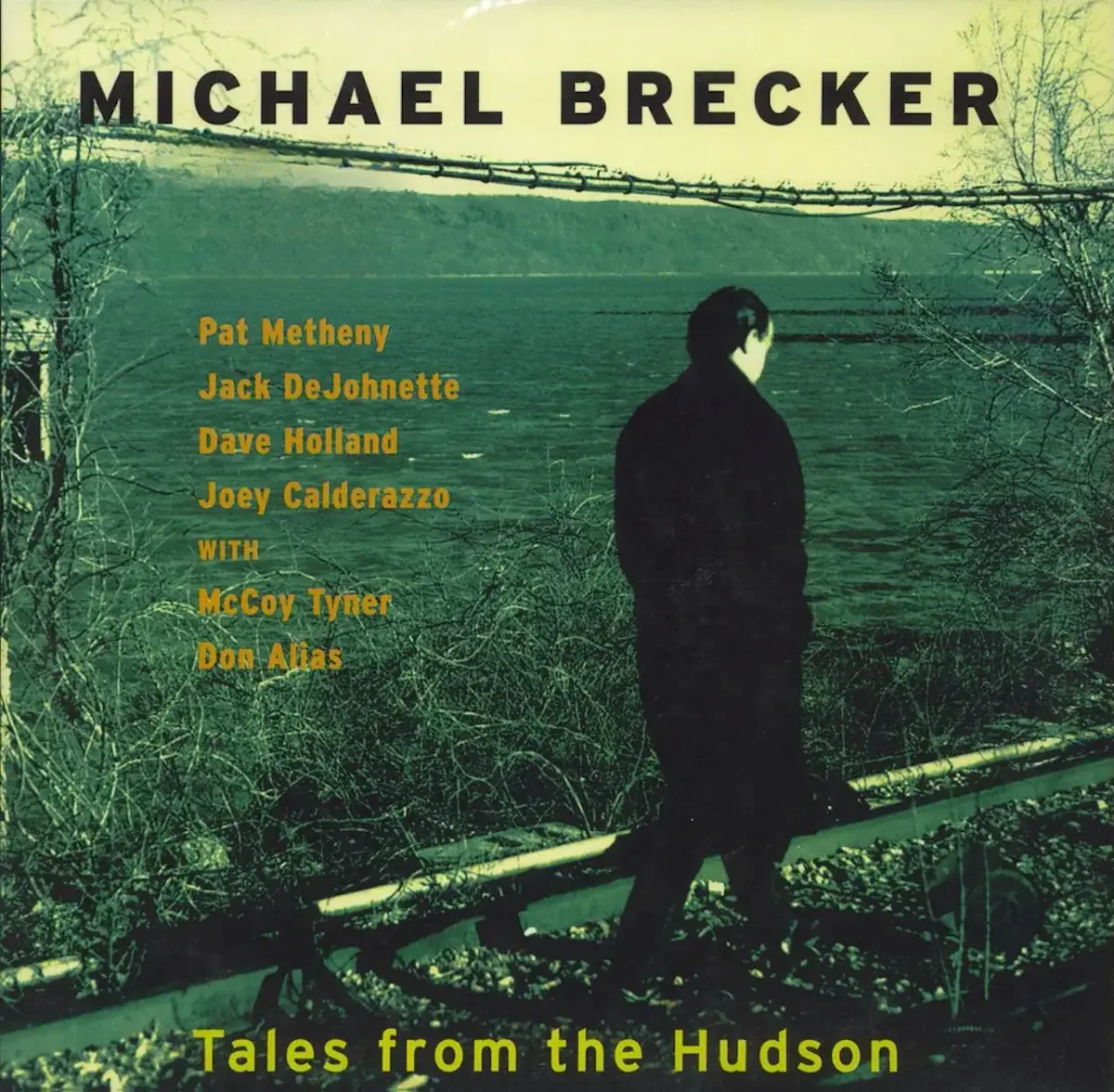
The release of Michael Brecker’s third studio album as a leader, Tales From The Hudson, marks a definitive and triumphant turning point in the storied career of one of modern jazz’s most celebrated saxophonists. Issued on the Impulse! label, the recording represents a decisive departure from the stylistic experiments and electronic embellishments that occasionally diluted his two previous solo outings. Instead, Tales From The Hudson presents a focused, highly unified collection of straight-ahead modern jazz that leans heavily into the traditions forged by the tonal saxophone masters of the 1960s, while simultaneously charting new territory through exceptional ensemble interplay and virtuosic improvisation.
Recorded in New York City circa 1996, the album captures Brecker operating at the absolute peak of his creative powers. While the saxophonist serves as the primary compositional anchor for the date—supplying robust and structurally sound vehicles such as "Slings And Arrows," "African Skies," and "Cabin Fever"—it is his staggering capacity for melodic and harmonic improvisation that ultimately defines the recording. Critics and listeners alike have long acknowledged Brecker’s technical brilliance, but Tales From The Hudson provides irrefutable evidence of a deepening emotional maturity and an expanded expressive palette that permanently silences detractors who previously dismissed him as a mere studio automaton.
Background Context and Chronological Evolution
Michael Brecker’s journey to this artistic milestone was built upon decades of relentless industry work, masterclass studio performances, and gradual steps toward establishing a solo identity. Emerging prominently in the 1970s alongside his brother, trumpeter Randy Brecker, in the groundbreaking jazz-rock fusion outfit Dreams and subsequently the massively influential band Brecker Brothers, Michael quickly became the definitive voice of the modern tenor saxophone. His searing, intricate solos graced thousands of commercial recordings spanning pop, rock, R&B, and jazz, earning him elite status among recording artists and instrumentalists worldwide.
However, translating that ubiquitous studio success into a cohesive solo career proved to be a complex challenge. His initial foray as a leader in the late 1980s and early 1990s occasionally struggled to balance his immense technical vocabulary with organic compositional unity. Earlier releases on Impulse! frequently incorporated synthesizers, electronic wind instruments (EWI), and diverse production techniques that, while innovative on paper, occasionally detracted from the raw, acoustic urgency of his horn playing.
With Tales From The Hudson, Brecker consciously streamlined his approach. By returning to a classic acoustic quintet and sextet framework supported by a rhythm section of legendary proportions, he successfully bridged the gap between his modernist harmonic concepts and the timeless lineage of acoustic jazz. The resultant album structure highlights a chronological maturity, seamlessly connecting the historical weight of 1960s post-bop innovation with the rhythmic and harmonic sophistication of the late 20th century.
Star-Studded Ensemble and Musical Analysis
A central pillar of the album’s success is the caliber of the supporting personnel assembled in the New York studios. Brecker surrounded himself with an elite roster of jazz aristocracy, including guitar virtuoso Pat Metheny, pianists Joey Calderazzo and McCoy Tyner, bassist Dave Holland, drummer Jack DeJohnette, and percussionist Don Alias. This powerhouse collective acts not merely as a backing band, but as an interactive, highly responsive organism that shadows and elevates the leader’s exploratory movements.
The stylistic diversity of the compositions allows different facets of the ensemble to shine. On tracks like "Midnight Voyage," composed by Joey Calderazzo, Brecker delivers a masterclass in phrasing. The ambling minor lament draws an uncharacteristically relaxed, rolling delivery from the saxophonist, prompting astute observers to draw stylistic comparisons to a hybrid of Dexter Gordon’s spaciousness and Wayne Shorter’s enigmatic harmonic sensibilities.
Pat Metheny makes a striking contribution throughout the tracklist, though purists have noted his selective deployment of the guitar synthesizer—specifically on his own composition, "Song For Bilbao." While the viola-cum-trumpet guitar synthesizer sound has historically divided audiences, its execution here remains tightly integrated into the broader harmonic architecture of the piece. Elsewhere, jazz piano titan McCoy Tyner brings his unmistakable percussive weight and modal authority to the sessions, anchoring the rhythm section with deep historical resonance alongside the peerless foundational pulse provided by bassist Dave Holland and drummer Jack DeJohnette.
Even amid such formidable company, Brecker maintains total command. While isolated moments, such as the atmospheric ballad "Introduction To Naked Soul" leading into "Naked Soul," occasionally dip into a more subdued or muted emotional space, the overarching momentum of the record never flags. Every track serves a distinct narrative purpose within the 60-minute-and-26-second runtime.
Official Tracklisting and Production Data
The complete tracklist for Tales From The Hudson highlights the breadth of material explored during the 1996 sessions:
- Slings And Arrows
- Midnight Voyage
- Song For Bilbao
- Beau Rivage
- African Skies
- Introduction To Naked Soul
- Naked Soul
- Willie T
- Cabin Fever
Collective Personnel:
- Michael Brecker: Tenor Saxophone
- Pat Metheny: Guitar, Guitar Synthesizer
- Joey Calderazzo: Piano
- McCoy Tyner: Piano
- Dave Holland: Bass
- Jack DeJohnette: Drums
- Don Alias: Percussion
Recorded in New York City, c. 1996, the album was released under the Impulse! cataloging system (Impulse IMP 11912). The production prioritizes acoustic clarity, granting each instrument ample sonic space while preserving the dynamic tension inherent in live ensemble playing.
Broader Impact and Industry Implications
The critical reception of Tales From The Hudson carries significant implications for the contemporary jazz landscape of the late 1990s. For years, a faction of jazz purists maintained a skeptical view of musicians who traversed commercial studio sessions and contemporary fusion. Brecker’s immense commercial viability and technical precision occasionally led cynical critics to mischaracterize him as a calculated studio technician rather than a deeply emotional artist.
This album serves as a definitive rebuttal to such criticisms. By engaging directly with complex modal frameworks, challenging time signatures, and deep acoustic interplay, Brecker reaffirmed his commitment to the highest artistic standards of the genre. The album demonstrates that commercial fluency and profound artistic expression are not mutually exclusive; rather, decades of versatile studio experience ultimately equipped Brecker with an unparalleled command of his instrument.
Furthermore, Tales From The Hudson reinvigorated the Impulse! label’s reputation as a home for uncompromising, premier-quality modern acoustic jazz. By showcasing a master at the height of his powers collaborating with peers who helped define modern improvised music, the release stands as an enduring benchmark for saxophonists and composers navigating the delicate balance between historical reverence and contemporary innovation. As modern jazz continues to evolve into the 21st century, Brecker’s masterwork remains a vital study in leadership, ensemble cohesion, and unyielding artistic integrity.