Aveline Kirana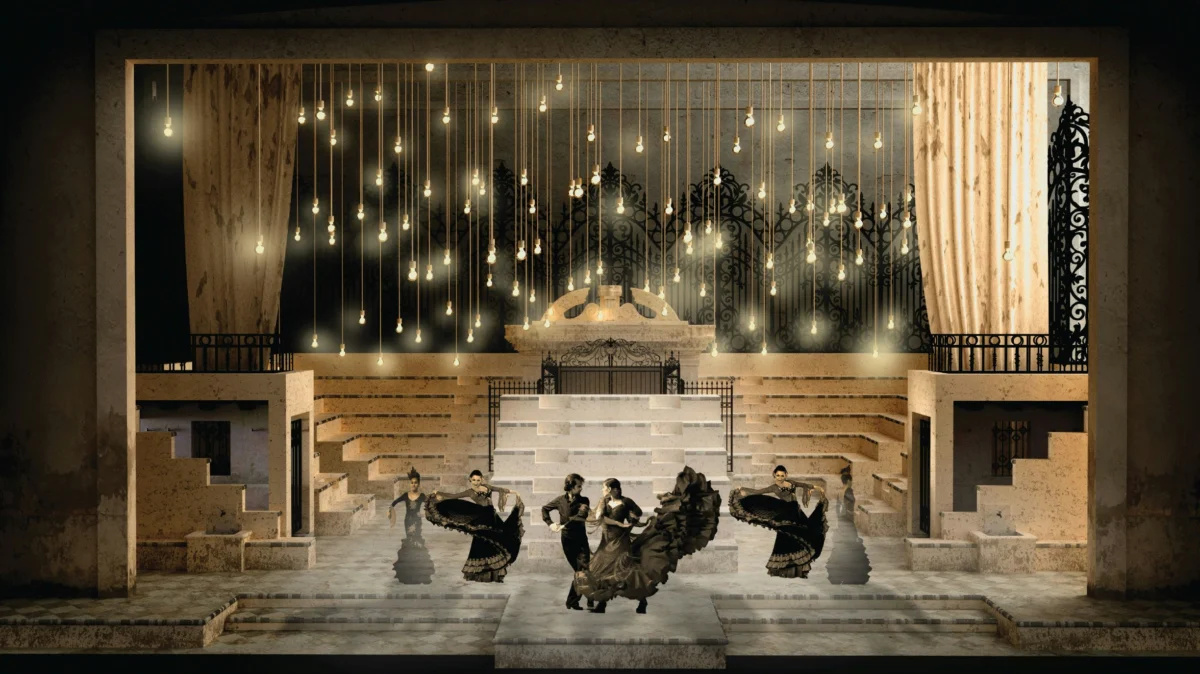
The Los Angeles Opera has officially announced that it will host a major free public simulcast of Georges Bizet’s timeless masterpiece, Carmen, on October 17, 2026. This ambitious cultural initiative will broadcast a live performance directly from the Dorothy Chandler Pavilion to two distinct locations: the Santa Monica Pier and, for the first time in the company’s history, William Steinmetz Park in Hacienda Heights. The event, which serves as a cornerstone of the company’s outreach efforts, represents a significant logistical and technological undertaking designed to bridge the gap between elite operatic performance and public accessibility.
The Technical Marvel of Live Opera Simulcasts
The simulcast will utilize state-of-the-art production technology to ensure that the experience for outdoor audiences rivals the intimacy of the interior of the Dorothy Chandler Pavilion. A crew of technicians will utilize seven high-definition cameras strategically positioned throughout the opera house to capture every nuance of the production. These feeds will be transmitted in real-time, processed for high-fidelity audio, and projected onto massive LED screens at both sites.
To ensure the production remains accessible to the diverse demographics of Los Angeles County, the simulcast will feature integrated subtitles in both English and Spanish. This commitment to bilingual accessibility is a hallmark of the company’s modern mandate, ensuring that the narrative intricacies of Prosper Mérimée’s source material are understood by all attendees, regardless of their linguistic background.
A New Vision for a Classic Work
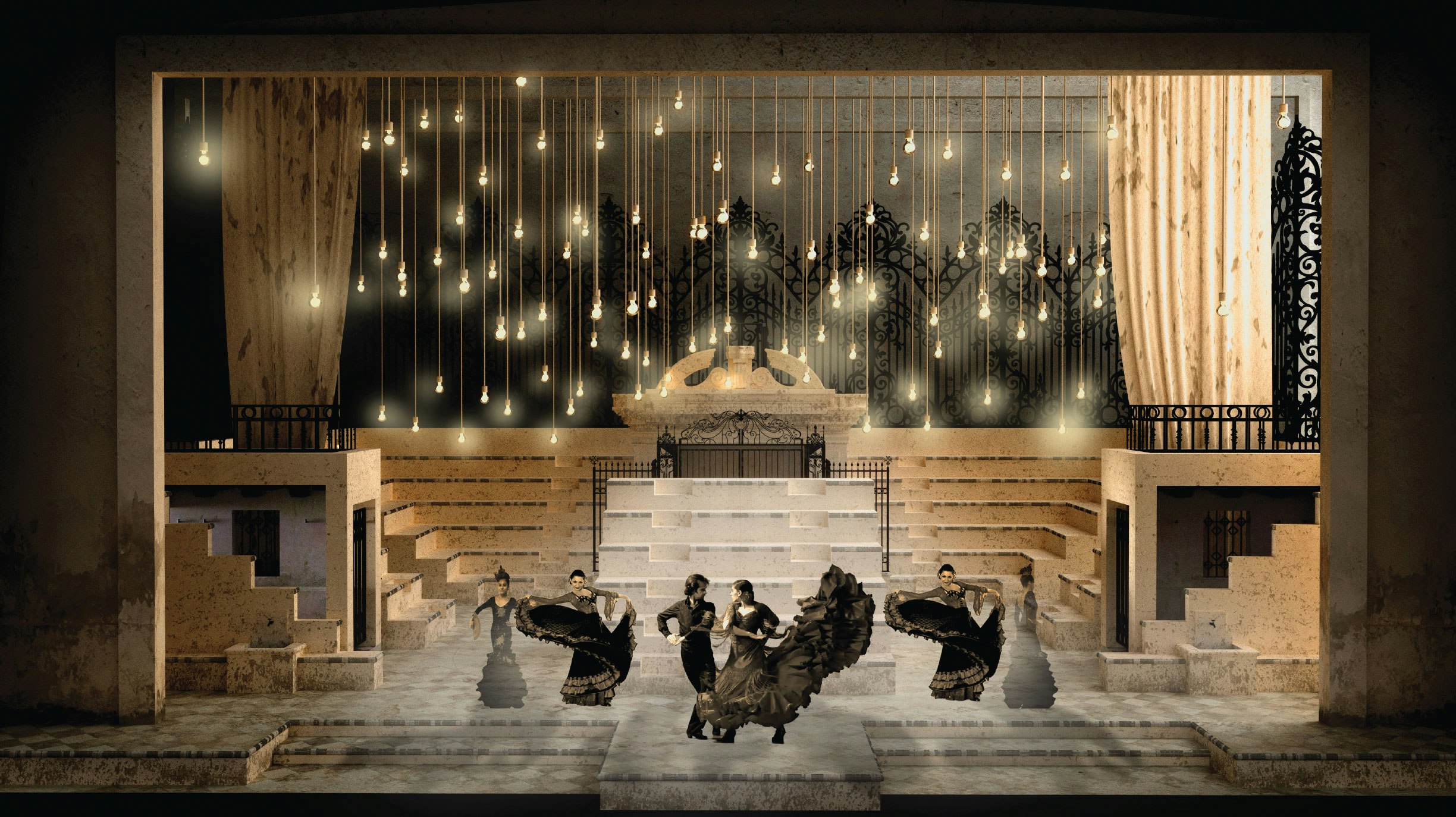
The 2026 production of Carmen features a fresh creative interpretation helmed by director and designer Thaddeus Strassberger. Known for his visually arresting and narrative-driven stagings, Strassberger’s vision is expected to bring a contemporary edge to the 19th-century score. The musical leadership will be provided by LA Opera Music Director Domingo Hindoyan, who continues to shape the sonic identity of the company.
The casting reflects the international caliber of the LA Opera roster. The title role of the seductive and independent Carmen will be performed by mezzo-soprano Rihab Chaieb. She will be joined by tenor Joshua Guerrero in the role of the tragic Don José, soprano Kathleen O’Mara as the devoted Micaëla, and bass-baritone Liam James Karai as the charismatic bullfighter Escamillo. This combination of established talent and rising stars is expected to deliver a performance that balances the psychological weight of the tragedy with the high-octane energy Bizet’s music demands.
A Legacy of Community Engagement
The upcoming October 17 event marks the 13th installment of “Opera at the Beach” at the Santa Monica Pier. Since the program’s inception, the initiative has become a fixture in the Los Angeles cultural calendar, attracting thousands of residents who might not otherwise attend a traditional ticketed performance. The expansion to William Steinmetz Park in Hacienda Heights, branded as “Opera in the Park,” signifies a deliberate pivot toward decentralizing the arts.
By selecting Hacienda Heights, LA Opera is targeting the San Gabriel Valley, a region that is often underserved by major performing arts institutions. This move is consistent with a broader trend in the performing arts sector: the shift from “center-out” programming to “community-integrated” programming. By moving into public parks, the opera is effectively lowering the barrier to entry, removing the financial and logistical hurdles of traveling to the Music Center in Downtown Los Angeles.
Historical Context and Institutional Growth
Since its founding in 1986, the Los Angeles Opera has consistently sought to balance its commitment to the canon with a mandate to serve the expansive geography of Southern California. The simulcast program, which began in the early 2010s, was designed to leverage the advancements in digital broadcast technology. Over the past decade, the company has experimented with various locations, including public parks, outdoor plazas, and even drive-in theaters during the global pandemic, to maintain its connection with the public.
The inclusion of Hacienda Heights in the 2026 schedule is a result of years of advocacy and logistical planning. Los Angeles County has been instrumental in funding these initiatives, recognizing that the arts act as a catalyst for social cohesion. The partnership between the County and LA Opera serves as a model for public-private cooperation, where government resources support the creative output of non-profit arts organizations to provide a public good.
Official Statements and Local Impact
Los Angeles County Supervisor Lindsey P. Horvath highlighted the necessity of these events in the current socio-cultural climate. “I’m thrilled to welcome LA Opera back to the Santa Monica Pier for a free simulcast of Carmen, bringing world-class opera directly to our communities,” Horvath said. “Free events like this make the arts more accessible and create opportunities for Angelenos to come together and enjoy something special. Gather your friends and family, bring a blanket, and join us for an unforgettable night of music by the Pacific.”
The sentiments expressed by the Supervisor reflect a growing consensus among urban planners and cultural critics: the health of a city is often measured by its public access to high-culture experiences. When citizens congregate in public spaces for the purpose of shared intellectual and emotional engagement, the resulting “civic glue” strengthens the fabric of the community.
Economic and Cultural Implications
The economic impact of such events is substantial. While the event is free to the public, the logistical costs—including satellite transmission, site security, equipment rentals, and union labor—are significant. However, these costs are offset by the long-term benefits of audience development. By providing a low-risk environment for first-time viewers to experience Carmen, LA Opera is essentially building a pipeline for future ticket sales.
Data from similar outreach programs across the United States suggest that attendees of outdoor simulcasts are statistically more likely to purchase tickets for indoor performances within the following two seasons. Furthermore, the presence of the opera in local parks provides a localized economic stimulus, as attendees often patronize nearby restaurants and businesses before and after the event.
Looking Ahead: The Future of Accessible Opera
As LA Opera looks toward the 2026-2027 season, the success of the October 17 simulcast will be a key metric for future programming. If the Hacienda Heights expansion proves successful, it is highly probable that the company will seek to identify additional sites in other corners of the county, such as the Antelope Valley or the South Bay.
The logistical framework established for this year’s Carmen—utilizing high-definition capture technology and public-private partnerships—provides a blueprint for other opera houses globally. As traditional ticket sales face pressure from changing entertainment habits and rising costs, the simulcast model offers a viable path forward. It transforms the opera from an exclusionary, luxury good into a shared, democratic experience.
In conclusion, the 2026 simulcast of Carmen stands as a testament to the resilience and adaptability of the performing arts. By marrying the grandeur of 19th-century composition with the cutting-edge technology of the 21st century, LA Opera is ensuring that its mission remains relevant to the millions of people who call Los Angeles home. Whether under the lights of the Santa Monica Pier or beneath the trees at William Steinmetz Park, the upcoming performance promises to be a landmark night for the arts in Southern California. The event serves as a reminder that regardless of the setting, the power of human voice and orchestral music remains an essential component of the human experience.