Nayara Elvina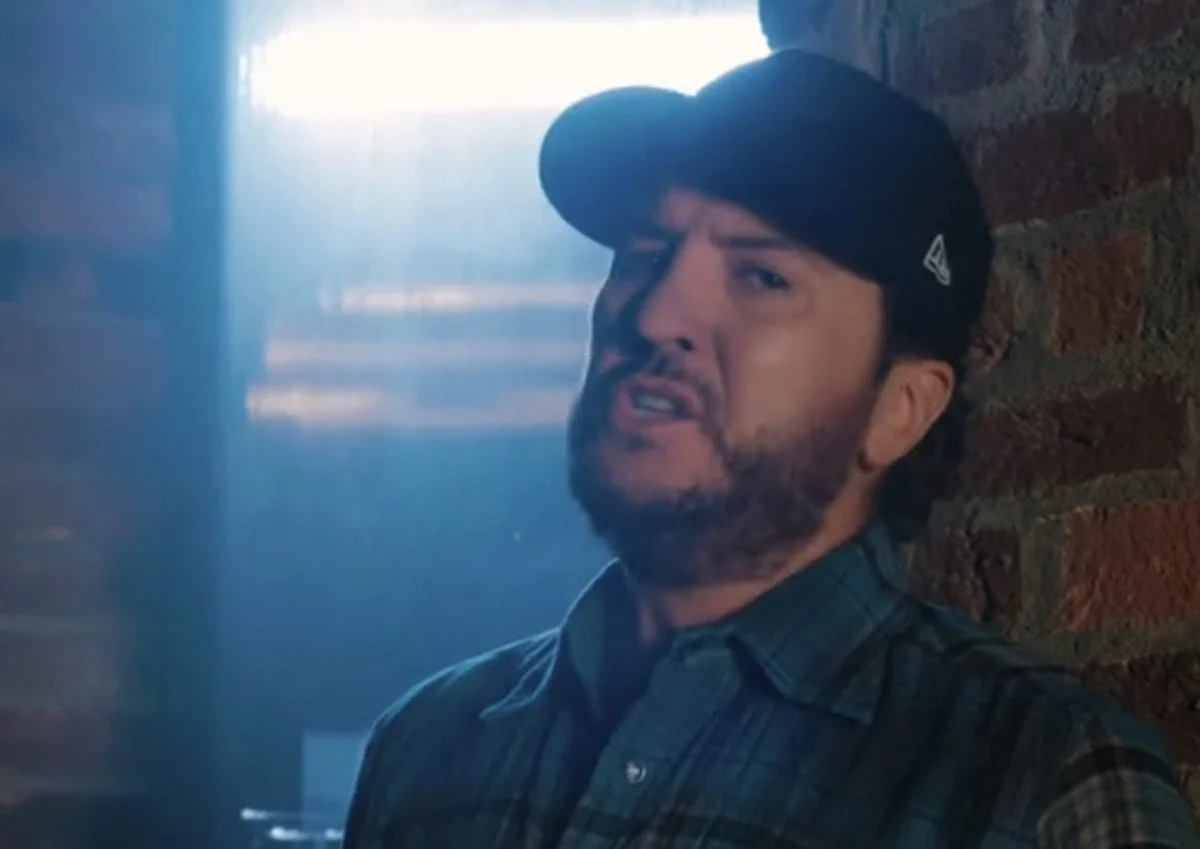
The modern intersection of social media culture and the music industry has created a dynamic where artistic promotion is frequently vulnerable to digital satire and viral phenomena. Country music star Luke Bryan recently found himself at the center of such an online phenomenon following the promotional rollout for his latest studio album, Signs. While teasing a new track on his social media platforms, Bryan encountered an unexpected wave of internet humor that transformed a routine album preview into a viral meme, culminating in public commentary from the artist regarding the realities of contemporary fan engagement and digital critique.
The Genesis of a Viral Campaign
The sequence of events began when Bryan utilized his social media accounts to generate anticipation for his then-upcoming record, Signs, which was released to streaming platforms and retail outlets. As part of his promotional strategy, the multi-platinum artist shared short audio and video snippets of selected tracks to offer fans a preview of the musical direction of the project.
Among the teased material was a track titled Down Goes the Whiskey. The song features a traditional country narrative structure, utilizing rhythmic lyrical progression to describe the aftermath of a shattered relationship through vivid imagery. The chorus and verse snippets shared online included the following lyrics:
Slam goes the door
Flyin goes the dust
Break goes the heart
To the bar goes the truck
Buzz goes the neon
Jukebox goes Whitley
There goes that love up in smoke
And down goes the whiskey
Upon publication of the video snippet, the comment section rapidly evolved from standard listener appreciation into a hub for collective internet comedy. Numerous users observed that the cadence and rhyming structure of the lyrics bore a striking resemblance to the classic nursery rhyme Pop Goes the Weasel.
Rather than focusing solely on the structural comparison, the online community began generating alternative lyrical suggestions. One particular comment—stating simply, "Fart goes the butt"—captured the imagination of TikTok and Instagram users. The comment quickly accumulated more than 340,000 likes on TikTok alone, vastly outpacing the engagement metrics of the original promotional video posted by the artist. Consequently, the phrase transcended a single interaction, morphing into a persistent meme that began appearing across nearly all of Bryan’s subsequent social media publications.
Official Response and Media Appearances
As the digital joke sustained momentum over several weeks, Bryan addressed the phenomenon directly during an appearance on The Rob + Holly Show. During the interview, the hosts questioned the artist regarding the widespread nature of the "fart goes the butt" comments and the broader implications of user-generated internet humor on promotional material.
Bryan expressed clear displeasure with the trajectory of the online commentary, highlighting the discrepancy between the intentional effort required to produce commercial music and the casual nature of social media trolling.
"I don’t like it," Bryan stated during the broadcast. "We’re trying to tease an album to get interest, and you only tease albums with snippets of songs. We’ve got four or five songs that we’ve teased, and then people love ’em on the 30 seconds or 20 seconds that they get to hear and you’ve got positives, and then people… It’s just like, people are all over the map with all this stuff. It’s like, man, if people have time to do all that, whatever."
Furthermore, the artist defended the craftsmanship of the songwriters involved in the project, noting that public critique of short previews often overlooks the professional labor invested in commercial songwriting.
"I’ve been doing music at a high level for 30 years now," Bryan continued. "When I pick a song for my album, it’s what I want. There are writers out there that wrote ‘Down Goes The Whiskey,’ and it’s a great song, and for people to make kind of silly comments about a snippet of a song, is what it is. I guess that’s the world we live in."
Broader Industry Context and the Evolution of Fan Interaction
Bryan’s commentary extended beyond the immediate meme, touching upon broader transformations in how consumers interact with public figures, entertainment products, and digital platforms. The country music veteran contextualized current fan behavior within the wider landscape of internet culture, referencing modern phenomena such as speculative accusations regarding artificial intelligence usage in music production, scrutiny of live performance authenticity, and public controversies surrounding emerging artists.
The artist contrasted the instantaneous feedback loop of the contemporary digital ecosystem with the media consumption habits of past decades. Drawing from his own experiences as a music consumer, Bryan noted that historical generations of fans lacked the direct communication channels available to modern audiences.
"When I listened to my heroes that made new albums, I didn’t like—and I don’t even want to say the heroes because then I’ll get cancelled because I even mentioned the heroes—but I had heroes that when I went down the album I’d be like, ‘Man what were they thinking on that song? I don’t like it,’" Bryan explained. "Skip, go listen to the songs I love. But I damn sure didn’t get to go show my face and broadcast it to the world that I don’t like it, but that’s what kids can do these days, and that’s the norm."
Concluding his remarks on the subject, Bryan summarized his perspective on the expenditure of digital labor by internet users: "I just get bummed out that people spend the time to want to do that."
Implications for Artist Relations and Digital Marketing
The situation involving Luke Bryan and the viral reception of Signs highlights ongoing challenges for major recording artists utilizing short-form video platforms for promotional campaigns. Platforms such as TikTok, Instagram Reels, and YouTube Shorts prioritize high engagement rates, which are frequently driven by humor, memes, and algorithmic participation rather than traditional promotional metrics.
Industry analysts note that while viral internet humor can significantly increase the reach and visibility of a promotional post, it can simultaneously dilute the intended artistic message. In Bryan’s case, the overwhelming volume of comedic comments created a parallel narrative surrounding the album’s release, shifting public discourse away from the musical composition and toward platform-specific culture.
Moreover, the incident underscores the psychological impact of constant digital connectivity on public figures. Established artists who rose to prominence prior to the dominance of social media often navigate a steep learning curve when adapting to a culture where audience feedback is immediate, unfiltered, and decentralized.
As digital marketing strategies continue to evolve within the music industry, public figures and their management teams must increasingly anticipate and manage the unpredictable nature of viral internet culture. While public expressions of frustration, such as Bryan’s recent interview statements, provide insight into the artist’s perspective, communication specialists suggest that public pushback against viral internet memes frequently risks amplifying the very phenomena artists seek to mitigate. For the foreseeable future, however, the digital footprint of Signs remains inextricably linked to the online community’s widespread adoption of unscripted digital satire.