Johan Budi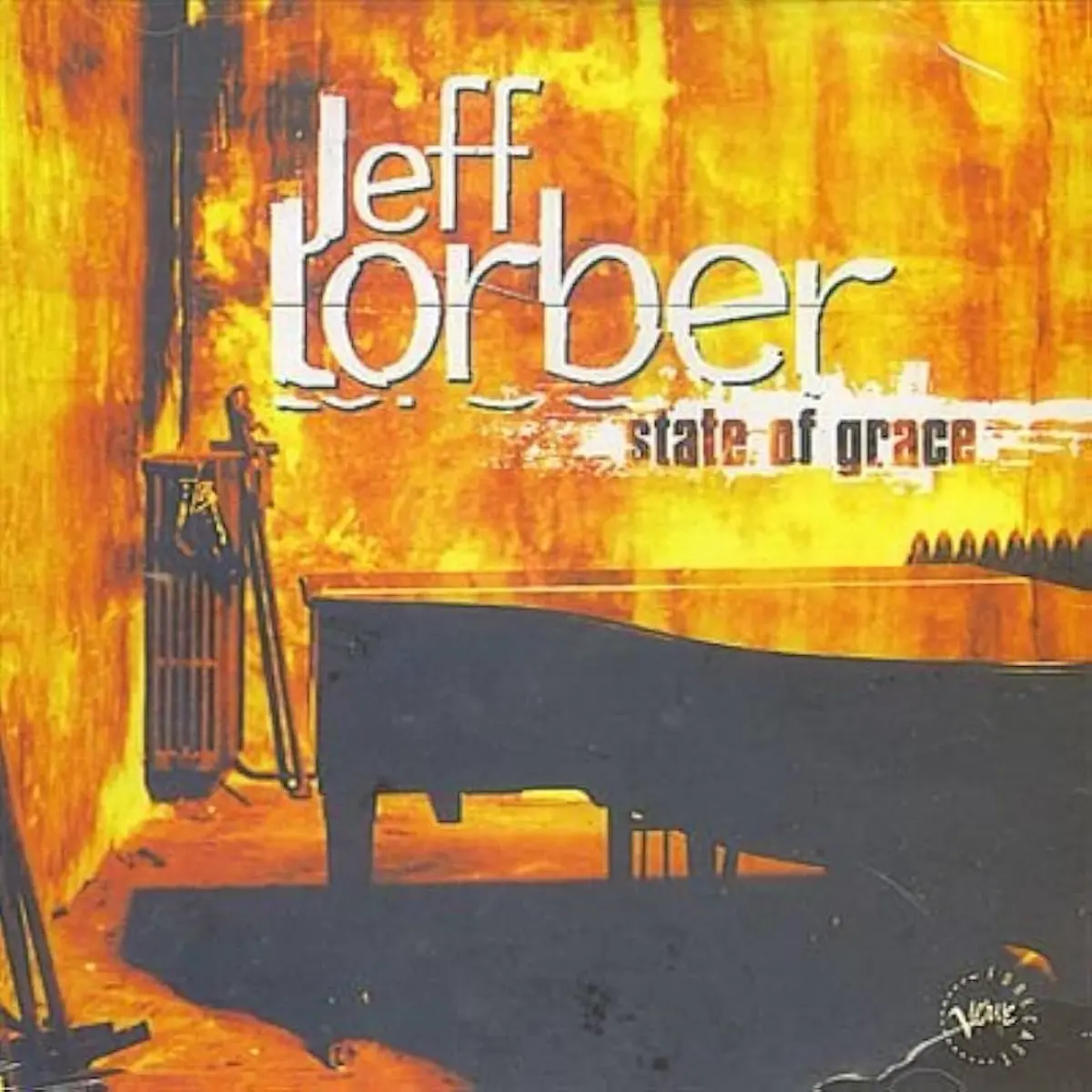
Jeff Lorber, the enduring keyboardist, composer, and producer whose career spans more than five decades, continues to define the sophisticated intersection of smooth jazz, rhythm and blues, and commercial funk. With the release of his acclaimed project for Verve Forecast, Lorber further solidifies his standing as a master architect of contemporary instrumental music—a genre frequently categorized by the American recording industry as New Adult Contemporary. This stylistic classification represents a delicate balance of polished production, accessible melodies, and funk-infused grooves that walk a fine line between commercial appeal and artistic integrity. The latest recording on Verve Forecast diminishes the margin for error even further than its predecessors, delivering a streamlined, highly focused collection that incorporates everything from precise instrumental arrangements to pure, unadulterated disco-inflected vocal tracks.
The musical framework of the album relies heavily on a formulaic yet meticulously engineered synthesis of R&B, soul, and funk idioms that have long become staples of popular music. Yet, dismissing the work as mere background music overlooks the profound level of craftsmanship and structural ingenuity that Lorber injects into every composition. Despite a surface-level simplicity designed for effortless listening, the arrangements are deceptively sophisticated. Familiar motifs and classic chord progressions are combined with cunning precision, transforming the studio ensemble into a collective compositional instrument. Lorber utilizes his supporting musicians with the same expressive flair and rhythmic variation that an accomplished soloist applies to a primary horn or lead guitar. While the tracks are not structured merely as vehicles for sprawling, avant-garde solos, they are liberally seasoned with effective, blues-drenched ad-libs. Outstanding contributions from Lorber on the Fender Rhodes, alongside the expressive woodwinds of Art Porter and Gary Meek, elevate the material, ensuring that instrumental depth remains a core component of the listening experience.
Historical Context and Career Chronology
To fully understand the musical vocabulary displayed on this Verve Forecast release, one must examine the extensive chronology of Jeff Lorber’s career. Emerging from the vibrant fusion scene of the 1970s, the keyboardist first gained widespread recognition as the leader of the Jeff Lorber Fusion. Formed in Portland, Oregon, in 1973, the band became a foundational pillar of what would later be termed smooth jazz and contemporary jazz-funk. During this formative decade, Lorber established a signature sound characterized by complex synthesizer pads, infectious electric bass grooves, and tight horn arrangements, capturing the attention of jazz fusion enthusiasts and mainstream listeners alike.
Throughout the late 1970s and 1980s, Lorber released a string of critically praised albums, launching not only his own headlining career but also serving as an essential launching pad for emerging talent. Most notably, a young saxophonist named Kenny G got his professional start playing in the Jeff Lorber Fusion, touring and recording with the group before embarking on a legendary solo career. As musical tastes shifted toward the end of the 1980s, Lorber successfully adapted his production style, embracing digital synthesizers, drum machines, and slick, radio-friendly production techniques that bridged the gap between traditional jazz improvisation and contemporary pop sensibilities.
By the 1990s, Lorber had cemented his reputation as a premier session player, producer, and solo artist. His signing with Verve Forecast marked a strategic alignment with a premier label capable of championing sophisticated instrumental music to a broader, adult contemporary audience. The mid-1990s recordings built directly upon the momentum of his earlier catalog, shifting the stylistic focus slightly toward a more relaxed, groove-oriented aesthetic that prioritized pocket, mood, and texture over high-intensity fusion pyrotechnics.
Comprehensive Album Breakdown and Personnel
The album features a meticulously curated ensemble of studio heavyweights and elite instrumentalists, recording in Pacific Palisades, California, around 1996. The breadth of talent involved contributes significantly to the polished execution of each track. The complete tracklisting includes Wide Open Spaces, PCH (Pacific Coast Highway), State Of Grace, Bring It On, Cat Paws, Katherine, Hearts On Fire, Moonterrace, The Island Of Temples, and Deep Ellum, with a total running time of 45 minutes and 8 seconds.
At the core of the instrumentation is Jeff Lorber himself, handling keyboards, guitars, electric guitars, and marimba. His mastery of vintage keyboard instruments, particularly the Fender Rhodes and acoustic piano, anchors the harmonic foundation of every song. Complementing Lorber are woodwind specialists Gary Meek, who provides sophisticated lines on soprano saxophone, bass clarinet, and flute, and the late Art Porter on alto saxophone. Additional saxophone duties are rounded out by Dave Koz, whose bright, melodic tone fits seamlessly into the contemporary radio format.
The rhythm section and harmonic support are equally formidable. Guitar duties are shared among Michael Landau, Stuart Wylen, and Marlon McClain, each bringing a distinct stylistic approach ranging from blues-infused bends to rhythmic funk chunking. Providing the undeniable bedrock of groove are bassists Nathaniel Phillips and Joey Altruda, whose interlocking low-end patterns drive the funk-oriented cuts. Percussion and marimba elements are managed by Dirk Richter, adding rhythmic shimmer and textural depth to the arrangements. Finally, vocalists Sue Anne Carwell and Eric Benet lend their considerable talents to the vocal tracks on the record, injecting authentic R&B and soul flavor into numbers that venture boldly into disco and dance territory.
Industry Reception and Aesthetic Analysis
Upon its release via Verve Forecast (catalog number Verve Forecast 531 555-2), the album drew nuanced reactions from music critics and industry observers. Traditional jazz purists often approached Lorber’s output with caution, frequently debating whether the heavily polished, radio-ready production style sacrificed spontaneous improvisation in favor of commercial viability. Because the genre of New Adult Contemporary places a premium on accessibility, mood, and relaxation, some critics argue that it leaves minimal room for the rough edges, unpredictability, and harmonic exploration typically associated with bebop or avant-garde jazz.
However, mainstream music analysts and contemporary jazz aficionados offer a counter-perspective, celebrating the recording as a masterclass in modern musical craftsmanship. Industry insiders point out that creating music which successfully navigates the delicate boundary between sophistication and commercial accessibility requires an extraordinarily high level of technical and compositional skill. Rather than viewing the formulaic elements of soul, R&B, and funk as a creative limitation, proponents argue that Lorber uses these familiar templates as a canvas to showcase intricate arranging, pristine mixing, and subtle harmonic voicings.
Furthermore, the integration of dance-oriented vocal numbers alongside instrumentals demonstrates a willingness to push creative boundaries within the established format of the genre. By collaborating with vocalists of the caliber of Eric Benet and Sue Anne Carwell, Lorber successfully expands the stylistic parameters of his discography, ensuring that the project appeals not only to dedicated instrumental music fans but also to a wider demographic of contemporary soul and R&B enthusiasts.
Broader Impact and Industry Implications
The commercial and artistic footprint of Jeff Lorber’s Verve Forecast era extends far beyond individual album sales, offering profound implications for the evolution of contemporary instrumental music. During an era when the music industry was undergoing significant structural changes—driven by shifting radio formats and the rise of digital production technology—artists like Lorber played a crucial role in sustaining a viable commercial market for instrumental music outside of traditional jazz circles.
By establishing a blueprint for high-fidelity, groove-driven production, Lorber influenced an entire generation of producers and contemporary jazz artists who sought to balance artistic expression with commercial viability. The recording philosophy demonstrated on this album—where the ensemble functions as a singular, unified compositional tool—has since become a standard operating procedure in modern smooth jazz and neo-soul production.
Ultimately, the release stands as a testament to Jeff Lorber’s enduring adaptability and creative vision. While it may not cater to the traditionalist seeking uninhibited, jagged-edge jazz improvisation, it represents a high-water mark of sophisticated musical craftsmanship. For listeners with an appreciation for easygoing soul, meticulously constructed funk grooves, and stellar ensemble performances, the album remains a defining statement from a true grand master of the genre.