Mia Khoirunisa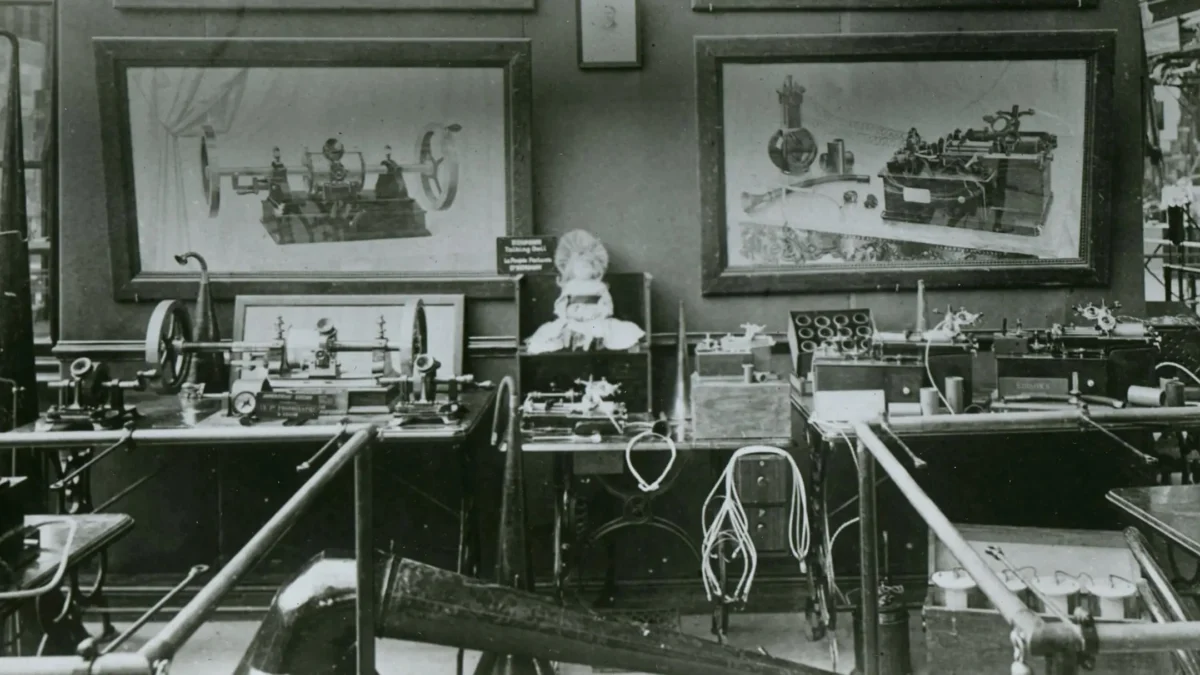
The intersection of historical preservation, audio engineering, and nineteenth-century consumer products has yielded some of the most uncanny artifacts in acoustic history. Among these, the infamous talking dolls developed by Thomas Edison in the late 1880s stand out as a chilling milestone in early commercial sound reproduction. Long before modern synthesizers and digital sample libraries, inventors pushed the boundaries of mechanical audio, frequently producing results that bridged the gap between technological innovation and psychological unease. Today, contemporary sound designers and historical archivists are revisiting these obscure acoustic experiments, shedding light on a forgotten era of sonic innovation.
The Genesis of Edison’s Mechanical Phono-Dolls
In the late 19th century, Thomas Edison’s phonograph represented the pinnacle of modern technology. Having successfully captured the human voice on tinfoil and wax cylinders, Edison sought to commercialize the invention for mass-market consumption. The result was the Edison Talking Doll, introduced to the public in 1890.
Designed to house a miniature phonograph cylinder inside a tin torso, the doll was intended to recite nursery rhymes such as "Twinkle, Twinkle, Little Star" or "Jack and Jill." However, the production process was fraught with difficulties. The delicate tin cylinders were recorded by young women working in Edison’s factory, whose voices were captured using acoustic horns. Because each cylinder had to be manually recorded and fitted into the doll’s iron housing without the benefit of mass replication technology, the production costs skyrocketed.
Chronologically, the timeline of the Edison Talking Doll was remarkably brief:
- 1877: Thomas Edison invents the phonograph, establishing the foundation for recorded sound.
- 1887: Development begins on adapting the phonograph for miniature consumer applications, specifically automated toys.
- April 1890: Edison’s talking dolls go on sale to the public in select markets, retailing at a high price point.
- Weeks later in 1890: Sales are abruptly halted, and remaining inventory is recalled due to mechanical unreliability, fragile components, and widespread consumer dissatisfaction.
Engineering Failures and Public Reception
Despite Edison’s immense reputation as an inventor, the talking doll was an unmitigated commercial disaster. The Smithsonian Institution, which houses surviving examples in its permanent collections, describes the artifacts as expensive, heavy, non-functioning, and unnerving in appearance.
The primary culprit behind the failure was the mechanical fragility of the internal phonograph. Operating a hand-cranked mechanism attached to a delicate wax or tin cylinder proved too complex for the average child—or parent—to manage without damaging the device. Furthermore, the acoustic quality of the recordings, combined with the tinny resonance of the metal torso and the high-pitched voices of the factory workers, produced a sound that many contemporary observers found deeply unsettling. Rather than delighting young consumers, the dolls frequently terrified them, leading to swift returns and a rapid withdrawal from the marketplace.
The Archival Revival: Tempest Instruments and Historical Sampling
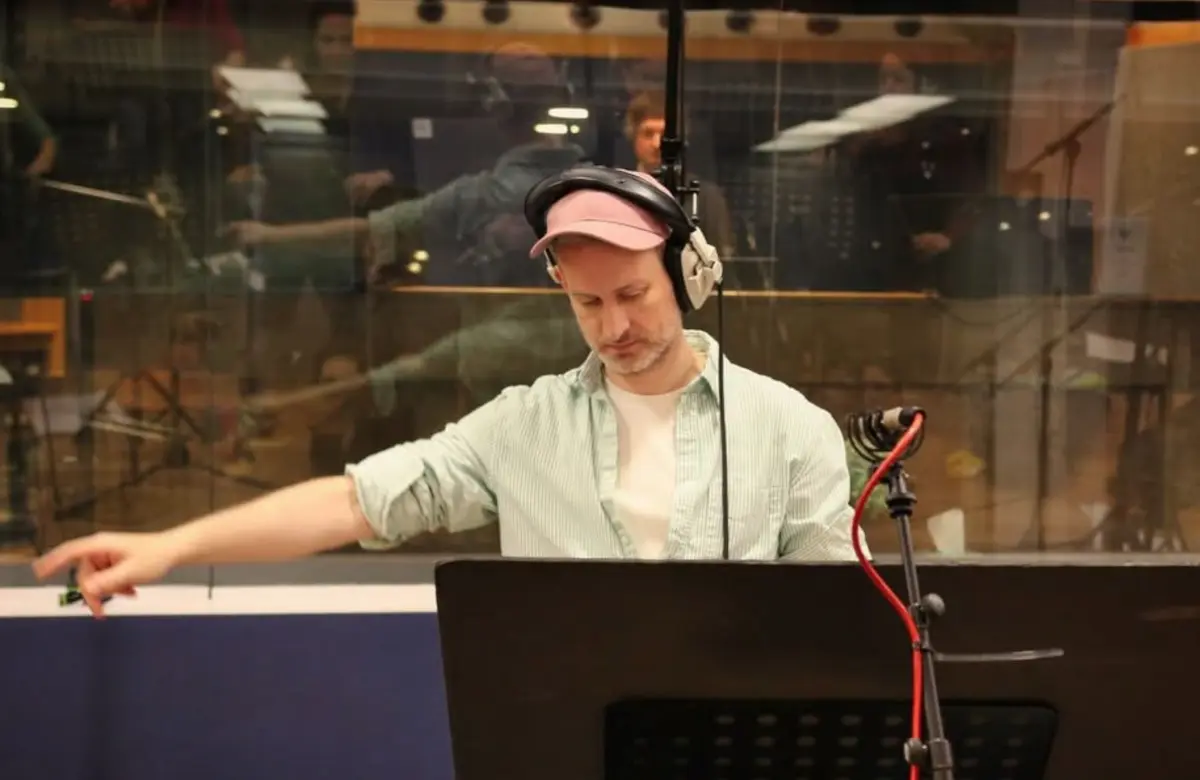
More than a century after their commercial failure, 19th-century acoustic oddities have found a new audience among modern sound designers. Tempest Instruments, a specialized creator of esoteric sample libraries led by film, television, and video game composer Alex Davis, has spearheaded efforts to catalog and preserve rare audio ephemera from this era.
Davis and his team specialize in sourcing vintage acoustic instruments and historical sound sources, transforming them into modern software instruments used by contemporary media composers. Their catalog features meticulously sampled rare hardware, including historical pianos played by Frédéric Chopin in 1848. By integrating these decaying, century-old timbres into modern digital audio workstations via platforms like Native Instruments Kontakt, contemporary creators can harness the authentic resonance of the 1800s.
The appeal of these artifacts extends beyond mere novelty. Audio historians point out that early recording formats—ranging from Edison’s failed doll cylinders to the earliest human vocal recordings captured by Édouard-Léon Scott de Martinville’s phonautograph in the 1860s—provide invaluable data regarding the evolution of human speech, acoustics, and cultural expression.
Broader Implications for Audio Preservation and Media Scoring
The renewed interest in nineteenth-century sound design highlights a broader trend within the modern entertainment industry: the pursuit of authentic, organic imperfections. In an era dominated by pristine digital audio and algorithmic generation, composers and sound designers increasingly turn to degraded analog media, historical oddities, and acoustic artifacts to add character to their work.
From the accidental placement of temp tracks in classic cinema—such as the famous utilization of Miklós Rózsa’s score for Freud in Ridley Scott’s 1979 sci-fi masterpiece Alien—to the repurposing of nineteenth-century military recordings, the historical record of sound continues to inform modern art. The voice of Prussian Generalfeldmarschall Helmuth Karl Bernhard von Moltke, born in 1800 and recorded via early phonograph cylinder late in his life, serves as a direct auditory link to a world that predates modern telecommunications entirely.
Ultimately, Thomas Edison’s terrifying talking dolls have transitioned from a commercial embarrassment to a treasured piece of audio-historic lore. What was once dismissed as a fragile, malfunctioning toy is now recognized as a fascinating stepping stone in the ongoing evolution of sound reproduction, inspiring a new generation of musicians, historians, and sound artists to listen closely to the echoes of the past.