 Nayara Elvina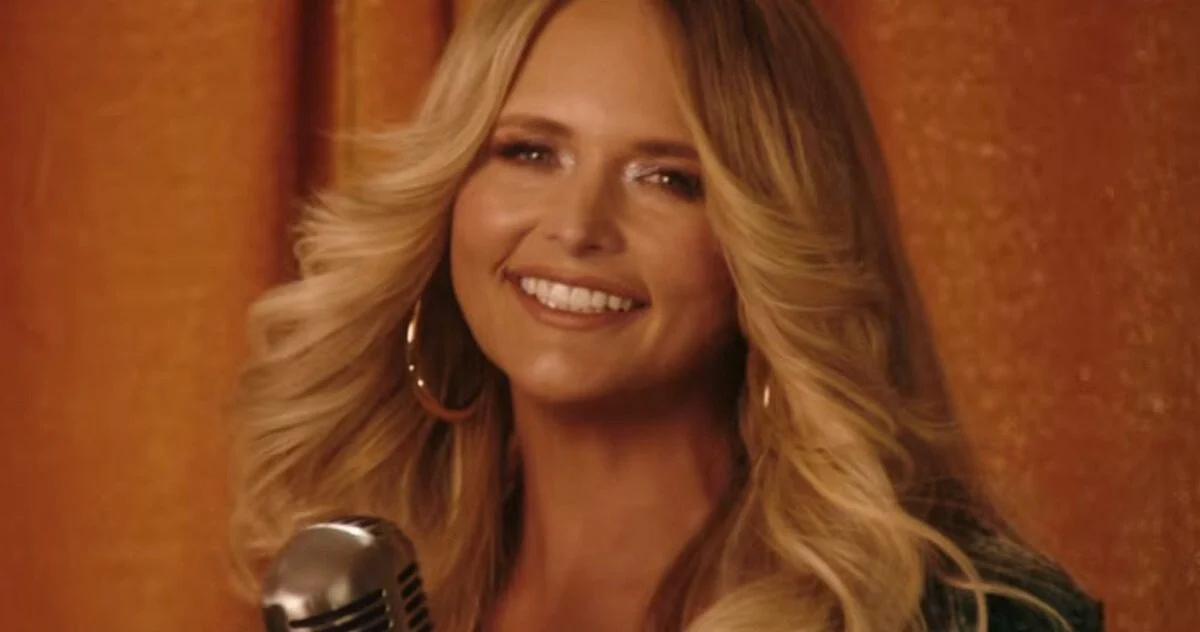
Award-winning country music artist Miranda Lambert has officially released her brand-new studio album, Crisco, marking a significant sonic departure and a major career milestone. Co-produced by Lambert and Jesse Frasure, the 12-track record is released under Lambert’s new label home, MCA Records, signaling a fresh chapter for the decorated Texas native. The project seamlessly bridges the gap between classic 1970s aesthetics and contemporary country storytelling, heavily inspired by the golden era of country-pop crossover pioneers.
Main Facts of the Release
Crisco consists of 12 original tracks and carefully curated covers designed to explore themes of heartbreak, hope, highways, honky-tonks, rhinestones, and self-reflection. The album’s overarching thesis relies on blending high-energy, danceable rhythms with the traditional emotional depth characteristic of classic country songwriting.
The complete track list for Crisco includes:
- Snakeskin Boots (featuring Ella Langley)
- Crisco
- Cowgirl Curtsy
- Two Things Can Be True
- Cuttin’ Onions
- Till The Going’s Gone
- To Everything
- Whiskey Business
- Right Where We Left It
- A Song To Sing (featuring Chris Stapleton)
- I’ll Have To Say I Love You In A Song
- Sunset Marquis
Among the most notable tracks on the project is a poignant cover of the late Jim Croce’s 1973 classic, “I’ll Have to Say I Love You in a Song,” alongside prominent collaborations with fellow country artists Ella Langley and Chris Stapleton.
Background Context and Evolution of the Project
The creation of Crisco stems from a deliberate exploration of country music’s extensive historical archive. Lambert, alongside collaborator Telemitry, began conceptualizing the record by examining a specific temporal landscape in American music history—the era when legendary performers such as Patsy Cline, Tammy Wynette, Glen Campbell, Kenny Rogers, and Dolly Parton dominated the airwaves.
Historically known for her gritty, traditional honky-tonk anthems and raw narrative-driven ballads, Lambert’s pivot toward a disco-infused 1970s country sound represents a calculated artistic evolution. Over her career, Lambert has frequently incorporated covers of classic compositions into her studio work, including tracks like “Easy from Now On,” “That’s the Way That the World Goes ‘Round,” and “Wandering Spirit.” However, Crisco elevates this practice by using vintage inspirations as the foundational blueprint for an entire cohesive record rather than isolated album cuts.
Chronology of Events Leading to the Album
The rollout for Crisco represents a carefully structured transition for the artist:
- April 2026: Miranda Lambert officially inks a recording deal with MCA Records, setting the stage for a new era in her discography.
- Weeks prior to release: Lambert utilizes social media platforms, specifically Instagram, to tease the album’s conceptual roots, citing 1970s radio icons and the intersection of danceable rhythms and traditional lyricism.
- Release Day: Crisco officially drops on digital and physical streaming platforms, accompanied by the release of visualizers and promotional singles such as the Ella Langley duet "Snakeskin Boots."
Analysis of the Jim Croce Cover
A standout moment on the record is Lambert’s interpretation of Jim Croce’s “I’ll Have to Say I Love You in a Song.” The original track was written entirely by Croce and released on his fourth studio album, I Got a Name, in 1973. Tragically, Croce died in a plane crash in September 1973, just prior to the album’s release. MCA Records posthumously issued the song as a single, and it subsequently climbed to number nine on the Billboard Hot 100, marking Croce’s fifth and final top-10 commercial hit.
While Croce was primarily recognized as a folk and pop-rock singer-songwriter rather than a traditional country artist, Lambert’s rendition seamlessly integrates the composition into the genre. By applying her signature vocal twang and organic acoustic instrumentation, the track mirrors the thematic and emotional conventions of classic country music. Industry analysts note that covering a non-country standard from the 1970s aligns perfectly with the album’s broader objective of deconstructing genre boundaries established during that decade.
Artist Statements and Creative Philosophy
Refusing to categorize upbeat dance tracks and melancholic storytelling into separate artistic buckets, Lambert explained the core philosophy behind the album’s production in official press statements.
"I’ve always loved every corner of country music," Lambert stated. "The heartbreak songs, the honky-tonk songs, the songs that make you think and the songs that make you dance. Making this record reminded me that those things don’t have to be separated. We followed the songs wherever they wanted to go, trusted our instincts, and ended up with something that feels really fun and really honest to who I am."
Elaborating further on the historical inspirations driving the project, Lambert noted via social media: "Telemitry and I were talking about how country music has an incredible archive of music to pull from and how it’d be fun to dive into a side of it that I haven’t really explored before—the time period when Patsy Cline, Tammy Wynette, Glen Campbell and of course Kenny & Dolly graced the airwaves. The result of that was Crisco. I hope you have as much fun listening as we had making it."
Broader Market Impact and Industry Implications
Lambert’s transition to MCA Records and the stylistic shift demonstrated on Crisco carry notable implications for the broader contemporary country music landscape. As major-label artists increasingly experiment with cross-genre fusions—incorporating elements of 1970s pop, disco, and funk into traditional Nashville structures—Lambert’s pivot establishes a high-profile precedent for merging retro aesthetics with modern production values.
Furthermore, the strategic utilization of high-profile guest features, including Chris Stapleton on "A Song To Sing" and rising artist Ella Langley on "Snakeskin Boots," positions the album to capture diverse demographic segments within the streaming marketplace. By balancing historical reverence with innovative song selection, Crisco underscores Lambert’s sustained commercial viability and her willingness to challenge industry expectations more than two decades into her recording career.