 Nayara Elvina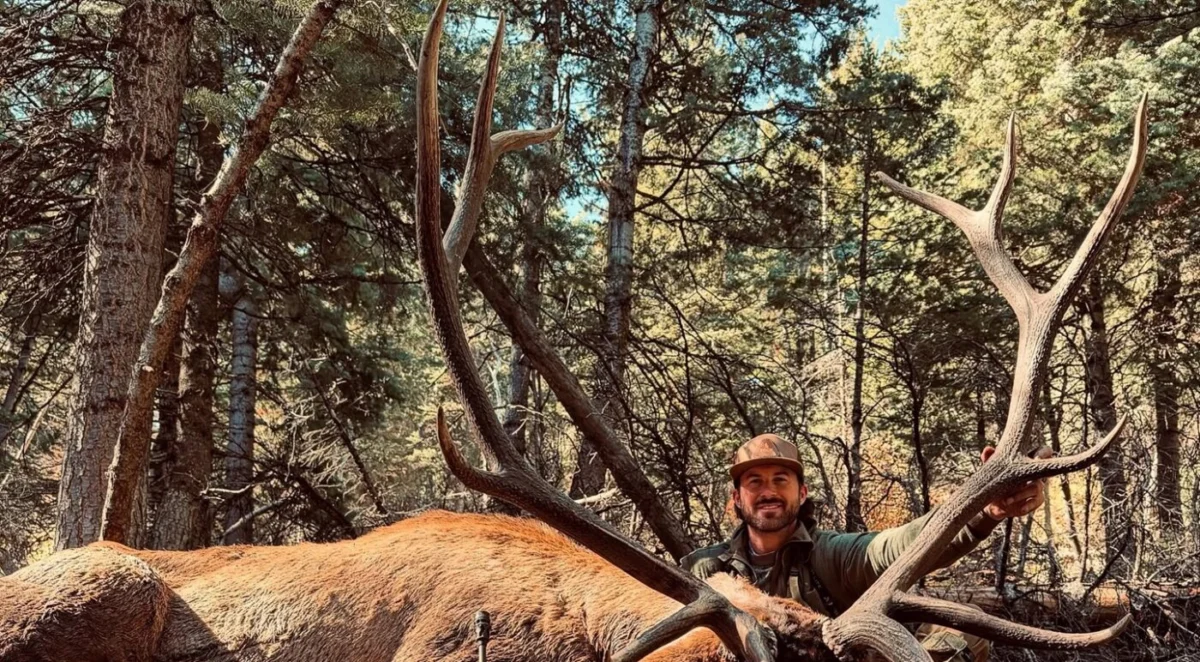
Country music star Riley Green recently traded his familiar waterfowl hunting grounds for the rugged elevations of Utah, successfully harvesting a massive bull elk during a demanding bowhunting expedition. Known to fans as "Duckman"—a moniker reinforced by his popular Nashville establishment, Riley Green’s Duck Blind—the singer-songwriter temporarily adopted the title of "Elkman" as he fulfilled a quintessential milestone for compound bow enthusiasts. The expedition combined traditional wildlife observation, physical endurance, and the strict regulatory frameworks governing big-game management in the American West.
The harvest adds to Green’s well-documented outdoor pursuits, which often run parallel to his soaring musical career. As the artist behind chart-topping hits such as "I Wish Grandpas Never Died" and "Worst Way," alongside his newly announced coaching role on NBC’s The Voice, Green continues to maintain a deeply rooted connection to rural heritage and outdoor sports. However, transitioning from casual waterfowl hunting to stalking a mature bull elk in high-altitude terrain requires a distinct level of specialized gear, advanced archery skills, and days of grueling physical exertion.
Utah Wildlife Management and Conservation Funding
Utah remains one of the premier destinations in North America for elk hunting, boasting an estimated state population ranging between 82,000 and 84,000 animals. The Utah Division of Wildlife Resources (UDWR) meticulously manages these herds to maintain a stable population floor above 80,000 individuals, ensuring ecological balance and sustainable hunting opportunities.
Securing a permit to hunt elk in the Beehive State involves a competitive application process for both residents and non-residents, with tag fees varying based on residency status and permit type. The financial framework underpinning these hunts plays a vital role in state conservation efforts. Revenue generated directly from the sale of hunting licenses, big-game permits, and conservation stamps is reinvested directly into habitat restoration, wildlife monitoring, and the acquisition and maintenance of public lands. By participating in regulated hunts, sportsmen contribute significantly to the preservation of open spaces that benefit not only game species like elk and mule deer, but also hundreds of non-game wildlife populations across Utah.
The Hunt: Tracking, Stalking, and the Archery Challenge
The excursion began several days prior to the successful harvest, with Green and his accompanying hunting party navigating steep alpine ridges, dense timber, and unpredictable mountain weather. The primary objective of the trip was not merely to secure game, but to experience the raw landscape of the American West. Social media dispatches from the field highlighted the panoramic vistas and challenging topography that define the region.
Bowhunting elk during the early autumn seasons demands extreme stealth, precise distance estimation, and the ability to close the distance on wary animals without detection. Unlike rifle hunting, which permits ethical harvests at extended ranges, a bowhunter must typically position themselves within 40 yards of a mature bull—an animal possessing acute senses of smell, hearing, and sight.
After days of tracking and maneuvering through dense cover, Green successfully closed the distance on what wildlife experts and outdoor enthusiasts have characterized as an exceptional trophy bull. The culmination of the stalk tested both his marksmanship and equipment, resulting in a clean, ethical shot with his compound bow. Following the harvest, Green and his team faced the arduous logistical challenge of field-dressing and packing out hundreds of pounds of meat from the remote backcountry terrain.
Reflecting on the experience, Green shared his perspective on the physical and mental demands of the pursuit via digital platforms. "Freezer is full… not many things challenge you like bow hunting elk," Green stated. "Thankful for a few days to chase ’em in the Utah mountains and that I was able to put it all together on an awesome bull."
Public Reception and Cultural Implications in Country Music
The announcement of Green’s successful hunt resonated strongly across social media, drawing widespread praise from his core fanbase. While high-profile figures in the entertainment industry occasionally face vocal opposition from anti-hunting advocates when sharing outdoor harvests, Green’s update received an overwhelmingly positive response. Supporters lauded the authenticity of the singer’s lifestyle, emphasizing the ethical dimensions of harvesting wild, organic protein and participating in population management.
Green’s expedition is part of a broader cultural tradition among contemporary country music artists who frequently document their pursuits in the outdoors. Figures such as Cody Johnson, Chase Rice, and Koe Wetzel regularly share insights into their hunting and conservation endeavors.
The Utah elk woods, in particular, have seen a recent influx of Nashville talent. Country star Luke Combs traveled to the same region to harvest his first-ever elk. While Combs initially attempted to emulate traditional bowhunters like Green, he ultimately utilized a rifle to secure his animal. The parallel experiences of two of country music’s most prominent artists hunting the same state within a short timeframe have sparked lighthearted discussions among fans regarding potential friendly rivalries and shared camp stories.
Economic and Culinary Impact of Big-Game Harvesting
Beyond the trophy aspects of the hunt, a successful elk harvest yields a substantial quantity of lean, nutrient-dense game meat. An adult bull elk can yield between 200 and 300 pounds of boneless meat, presenting a unique logistical project for any household.
For Green, the immediate future involves processing and utilizing the harvest, with elk steaks, roasts, and ground meat set to stock his freezer for months to come. Wildlife nutritionists and culinary professionals frequently highlight elk meat as a superior alternative to commercial beef, owing to its exceptionally low fat content, high protein density, and rich flavor profile.
As Green prepares for his upcoming musical commitments, the demands of the tour bus will likely be balanced by the bounty of the Utah mountains. The successful expedition underscores the enduring appeal of the outdoors for artists who draw inspiration from the land, cementing Riley Green’s reputation as an outdoorsman as dedicated to the traditions of the field as he is to the craft of songwriting.