Nana Wu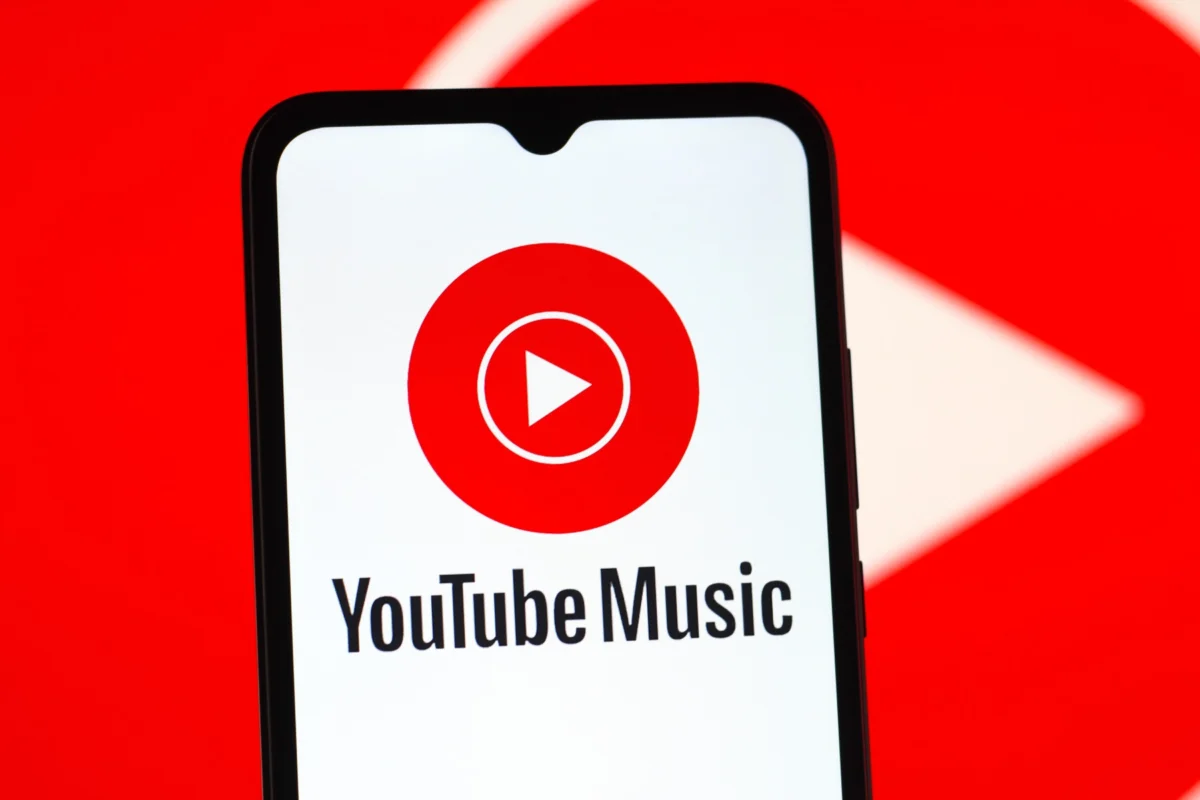
YouTube Music has officially commenced the rollout of mandatory disclosure labels for musical tracks deemed to have been created primarily through the use of generative artificial intelligence. This policy, announced on Wednesday, October 14, signifies a major shift in how the world’s largest video and audio streaming platforms manage the intersection of creative labor and synthetic media. The new labeling system will apply to both the dedicated YouTube Music streaming service and the broader YouTube platform, ensuring that listeners are transparently informed when a composition or vocal performance is the product of algorithmic generation rather than traditional human artistry.
The policy mandates that any content where generative AI played a "significant role" in the creation of the music—specifically including the generation of compositions and vocal tracks—must be identified. When users encounter such content, a “Made with AI” label will appear on the player interface. Tapping this indicator provides a deeper menu of information, offering users context regarding the provenance of the audio they are consuming.
A Chronology of Platform Disclosure Requirements
The introduction of these labels is the latest milestone in a sustained effort by YouTube to address the rapid advancement of synthetic media. Throughout 2024, the platform faced mounting pressure from both the music industry and regulatory bodies to distinguish between human-made content and AI-synthesized material.
In early 2024, YouTube established a foundational framework for AI transparency. The company rolled out a disclosure tool requiring creators to report if their uploads contained "realistic content"—defined as material that could easily be mistaken for a real person, place, or event. By mid-year, these disclosure requirements began to coalesce into a formal labeling architecture. YouTube confirmed that its "Made with AI" tag is triggered through a tripartite process: manual disclosure by creators via the YouTube Studio dashboard, automated identification through the platform’s proprietary generative AI tools, and the detection of "Content Credentials"—industry-standard metadata that signals the use of synthetic generation throughout the creation process.
The platform has also signaled that it retains the authority to unilaterally apply these labels. If a creator fails to disclose the use of AI in a track that the platform’s internal detection systems flag as synthetically generated, YouTube will apply the label independently to maintain platform integrity and user trust.
Industry Context and the Push for Standardization
YouTube’s decision does not occur in a vacuum; it is part of an industry-wide scramble to codify how artificial intelligence is integrated into the music business. The music industry has long been concerned about the potential for AI to devalue human performance, facilitate copyright infringement, or mislead consumers regarding the authenticity of their favorite artists.
In July, a powerful coalition representing the recorded music industry—including the International Federation of the Phonographic Industry (IFPI), the Recording Industry Association of America (RIAA), and the American Association of Independent Music (A2IM)—formally proposed a unified system for tagging AI-generated music. This move was a direct response to the proliferation of "deepfake" tracks that mimicked the vocal characteristics of popular stars without authorization.
Other major streaming platforms have concurrently updated their policies to align with this emerging standard:

- Spotify: In August, Spotify announced its own initiative to label music from AI-generated artists. Notably, the service indicated that such content would be excluded from its personalized recommendation algorithms, effectively creating a "walled garden" for AI content to ensure that human-produced music remains the primary focus of discovery tools.
- Apple Music: Also in August, Apple Music confirmed it was developing its own internal detection and labeling mechanisms. Executive Oliver Schusser emphasized that the company is actively monitoring content providers to ensure that any music "materially generated using AI" is flagged, demonstrating a commitment to transparency that mirrors the regulatory expectations set by the IFPI and RIAA.
Data and Technical Implications
The technical challenge of identifying "significant" AI intervention is substantial. YouTube’s approach relies on a combination of metadata standards—specifically the C2PA (Coalition for Content Provenance and Authenticity) guidelines—and acoustic fingerprinting. As AI models become more sophisticated, the line between "AI-assisted" and "AI-generated" blurs.
Market research suggests the stakes are high. According to data from various industry analysts, the market for AI-generated music and audio is expected to grow at a compound annual growth rate of nearly 25% over the next five years. With millions of tracks uploaded to YouTube daily, the scale of the labeling requirement is unprecedented.
The implementation of these labels serves two primary purposes: consumer protection and legal liability management. By proactively identifying AI content, YouTube mitigates the risk of being viewed as a facilitator of deceptive practices. Furthermore, it provides the music industry with the necessary data to track how AI-generated music performs compared to human-led compositions, which will inevitably influence future royalty structures and licensing agreements.
Strategic Analysis: The Future of Synthetic Media
The impact of this policy shift is expected to ripple across the music ecosystem in three distinct areas: creator behavior, audience perception, and legal enforcement.
For independent creators and producers, the labeling requirement forces a decision: transparency or obscurity. While the "Made with AI" tag does not necessarily restrict a creator’s reach, it acts as a permanent disclosure to the audience. Some creators may fear that this tag carries a stigma, potentially impacting listener retention or engagement rates. Conversely, for others, the label serves as a badge of technological proficiency, distinguishing their work as a collaborative effort between human creativity and machine learning.
For listeners, the normalization of these labels helps cultivate a more discerning audience. As AI becomes an increasingly common instrument in the modern producer’s toolkit, the distinction between a song written by a human and a song generated by a prompt becomes a critical component of media literacy. Much like the "Parental Advisory" labels of the 1980s, these tags will eventually become a standard feature of the music-listening experience.
Finally, from a legal perspective, the labels provide a paper trail. As copyright litigation surrounding AI training data continues to move through the courts—specifically cases involving the ingestion of copyrighted songs into large language models (LLMs)—the ability for platforms to identify exactly which tracks are AI-generated will be vital. It allows rights holders to more effectively audit platforms and identify potential infringements, while also providing a framework for future "AI-specific" royalty pools.
Conclusion: A New Standard for Transparency
YouTube’s move to label generative AI music is a necessary response to the rapid democratization of music production tools. By aligning with industry partners and adopting a robust, multifaceted identification system, the platform is attempting to balance the benefits of innovation with the necessity of transparency.
While the technical and cultural implications of these labels are still being understood, the trajectory is clear: the era of "unlabeled" synthetic media is coming to a close. As the music industry moves toward a more digitized, automated future, the ability to clearly define the origin of a sound—whether it was born from a human heart or a silicon chip—will remain the gold standard for trust in the digital age. Moving forward, the effectiveness of these labels will depend on the accuracy of the detection tools and the willingness of the creative community to comply with these disclosure standards. For now, YouTube has set the bar, and it is highly likely that other smaller platforms and distributors will follow suit to ensure their own compliance with the new global expectations of the music industry.