Kholidah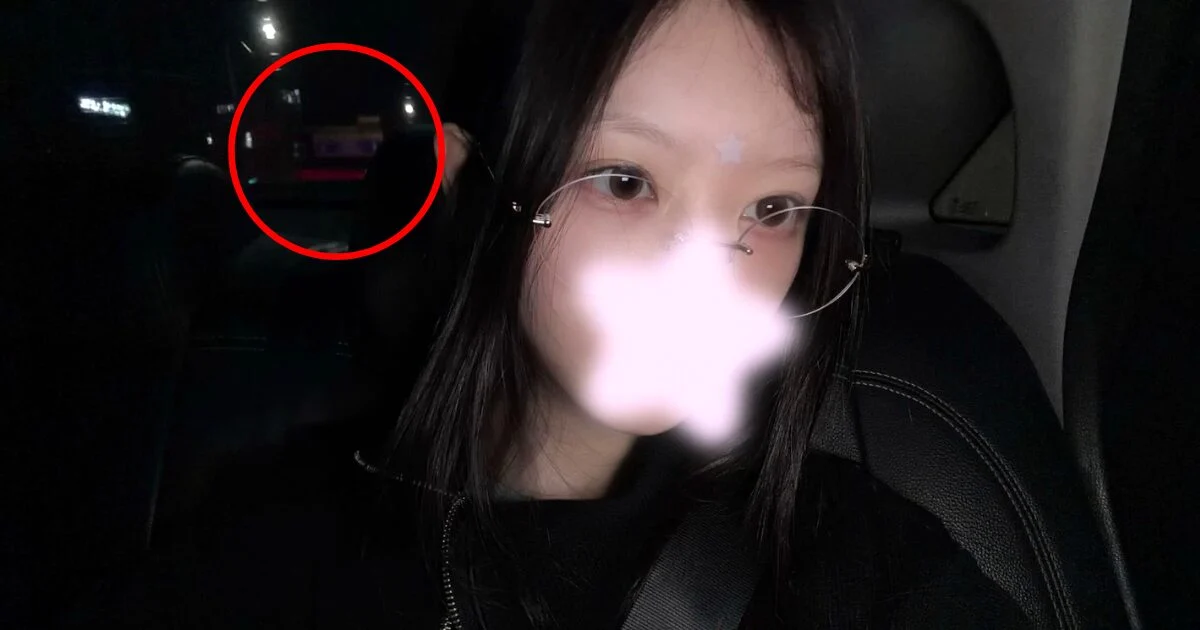
Moka, a prominent member of the rising K-pop girl group ILLIT, has recently become the subject of intense online discussion following the discovery of an unexplained visual anomaly in a photograph she shared with her global fanbase. The incident, which unfolded across various social media platforms and fan communication applications, has sparked a mixture of concern, curiosity, and supernatural speculation among netizens. While the Japanese-born singer initially shared the image as a routine update for her supporters, the subsequent realization of a potential "phantom" figure in the background led to a series of distressed messages from the artist herself, highlighting the often-unpredictable nature of digital interaction in the modern idol industry.
Background and Context of the Incident
The group ILLIT, managed by Belift Lab—a subsidiary of HYBE—debuted in early 2024 following the survival program R U Next?. The group quickly achieved international acclaim with their debut single "Magnetic," establishing themselves as a leading force in the "fifth generation" of K-pop. Moka, known for her distinct visual style and emotive performances, frequently engages with fans through behind-the-scenes content and personal selfies.

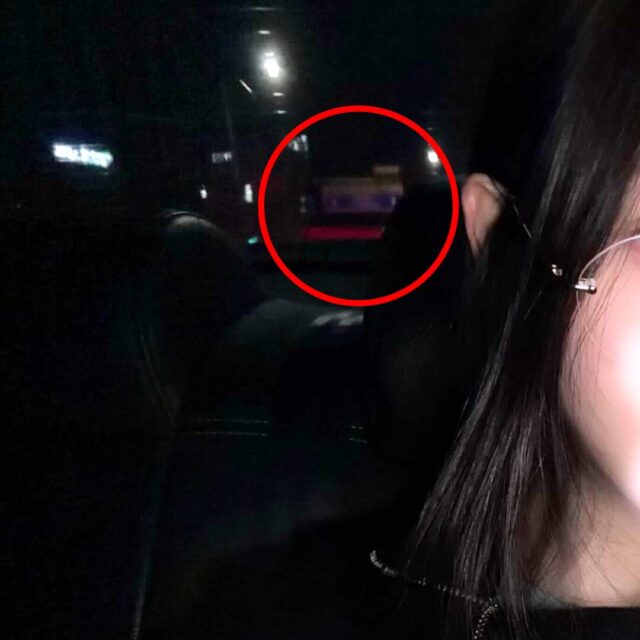
On the date of the incident, Moka uploaded a high-angle selfie intended to showcase her appearance for the day. The photograph appeared standard at first glance, featuring the artist in what seemed to be a dimly lit or backstage environment. However, as is common within dedicated fan communities, followers began to scrutinize the background details of the image. It was during this period of close inspection that eagle-eyed fans noticed a pair of light-reflecting shapes positioned behind Moka’s shoulder, bearing a striking resemblance to human eyes peering through the darkness.
Chronology of Events and Moka’s Response
The timeline of the event suggests a rapid escalation from a standard fan interaction to a viral sensation. Within minutes of the photo being posted, comments began appearing on community forums such as Instiz and X (formerly Twitter), pointing out the shadowy figure in the background. The anomaly was located in a dark area of the room, appearing as two distinct, luminous orbs that mimicked the spacing and height of a person standing several feet behind the idol.
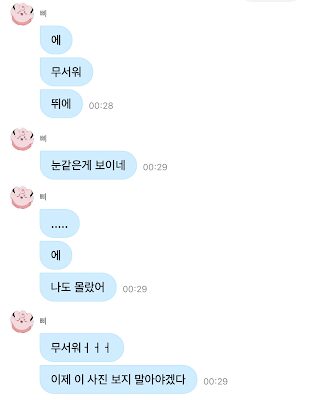
Upon becoming aware of the fan observations, Moka revisited the photograph and shared her immediate reactions through a private messaging service used by idols to communicate with subscribers. Her responses indicated a genuine sense of unease. "Eh? I’m scared," she wrote in a series of rapid-fire messages. "In the back… it looks like eyes… I don’t know either. I’m scared. I shouldn’t look at this picture anymore."

The artist’s candid admission of fear served to amplify the concerns of her audience. In the K-pop industry, where the relationship between artist and fan is characterized by high levels of empathy and protective sentiment, Moka’s distress prompted fans to launch investigations into the nature of the image. Some users utilized photo-editing software to increase the brightness and contrast of the original file, attempting to discern whether the "eyes" were a result of a physical intruder, a reflection, or a technical glitch.
Technical Analysis: Pareidolia and Digital Artifacts
From a scientific and photographic perspective, several rational explanations exist for the phenomenon observed in Moka’s selfie. One of the most likely candidates is a psychological phenomenon known as pareidolia. Pareidolia is the human tendency to perceive meaningful images, particularly faces or eyes, in random or ambiguous visual patterns. This evolutionary trait, while useful for survival, often leads to "ghost sightings" in low-light photography where shadows and highlights coincide in a way that the brain interprets as a human presence.
Furthermore, modern smartphone cameras utilize sophisticated post-processing algorithms to compensate for low-light conditions. These algorithms can sometimes create "digital noise" or artifacts. If there were reflective surfaces in the background—such as glass, metal fixtures, or even camera lenses from other equipment—the flash or ambient light could have produced specular highlights. When compressed into a JPEG format for social media, these highlights can lose their original shape and take on the appearance of glowing orbs.

Another possibility involves the physical environment of the K-pop industry. Idols often spend their time in rehearsal studios, television stations, and dressing rooms filled with racks of clothing, mannequins, and technical gear. It is highly probable that the "eyes" were simply reflections off the buttons of a jacket or the metallic components of a light stand. However, the lack of a clear, high-resolution original has allowed the more sensational, supernatural theories to persist.
Public and Netizen Reaction
The reaction from the online community was swift and polarized. On platforms like Instiz, a popular South Korean forum, threads regarding the photo garnered thousands of views within hours. A segment of the audience expressed genuine alarm, with comments such as, "I got chills looking at the zoomed-in version," and "It really does look like someone is standing there watching her." This group argued that the positioning was too deliberate to be a mere coincidence of light.
Conversely, a more skeptical faction of the fanbase sought to de-escalate the situation. These users pointed out that if a staff member or an intruder had been present, Moka likely would have noticed them at the time the photo was taken. They attributed the "eyes" to the common "red-eye effect" or lens flare. Despite the logical arguments, the eerie aesthetic of the photo ensured its status as a trending topic, with many fans jokingly—or perhaps seriously—noting that Moka’s workplace might be haunted.
The "Ghost Success" Superstition in K-Pop
The incident involving Moka taps into a long-standing tradition within the South Korean entertainment industry regarding the supernatural. There is a prevalent superstition in K-pop that if an artist encounters a ghost or a supernatural occurrence during the recording of an album or the filming of a music video, the project is destined for massive commercial success.
Historical examples of this "ghost mythos" include the famous "Growl" music video by EXO, where a figure was spotted in a window in the background, and stories from groups like OH MY GIRL and BTS regarding unexplained noises in their practice rooms. In this cultural context, while Moka’s individual experience was one of fear, some fans have interpreted the "eyes" as a positive omen for ILLIT’s future career trajectory. This cultural lens provides a unique layer to the incident, transforming a moment of personal fright into a narrative of impending professional triumph.
Implications for Idol Safety and Privacy
Beyond the supernatural speculation, the incident raises valid questions regarding the safety and privacy of K-pop idols. The "sasaeng" (obsessive fan) culture in South Korea is a well-documented issue where individuals frequently trespass into private spaces to catch a glimpse of their favorite stars. While there is no evidence to suggest that the anomaly in Moka’s photo was a person, the mere possibility of an intruder in a supposedly secure environment is a cause for concern for management companies.
Belift Lab and HYBE have not issued a formal statement regarding the specific photograph, which is standard practice for minor social media anomalies. However, the incident underscores the intense level of surveillance idols are under, where every pixel of a shared image is analyzed by millions. This environment places a unique psychological burden on young artists who must navigate the fine line between being relatable to fans and maintaining their personal security.
Conclusion and Current Status
As of the latest reports, the photograph remains a point of fascination among the ILLIT fandom, known as GLLIT. Moka has since continued her regular activities, including promotional events and performances, suggesting that the initial shock of the discovery has subsided. The incident serves as a modern digital folklore tale, illustrating how the intersection of technology, fan culture, and human psychology can turn a simple selfie into a viral mystery.
Whether the "eyes" in the background were a product of pareidolia, a technical artifact, or something more inexplicable, the event has successfully heightened the public’s engagement with Moka and ILLIT. In an industry driven by visibility and narrative, even a moment of shared "terror" can strengthen the bond between an artist and their audience, provided that the artist’s well-being remains the primary focus. For now, the mystery of the eyes in Moka’s selfie remains unsolved, joining the ranks of K-pop’s many urban legends.