Johan Budi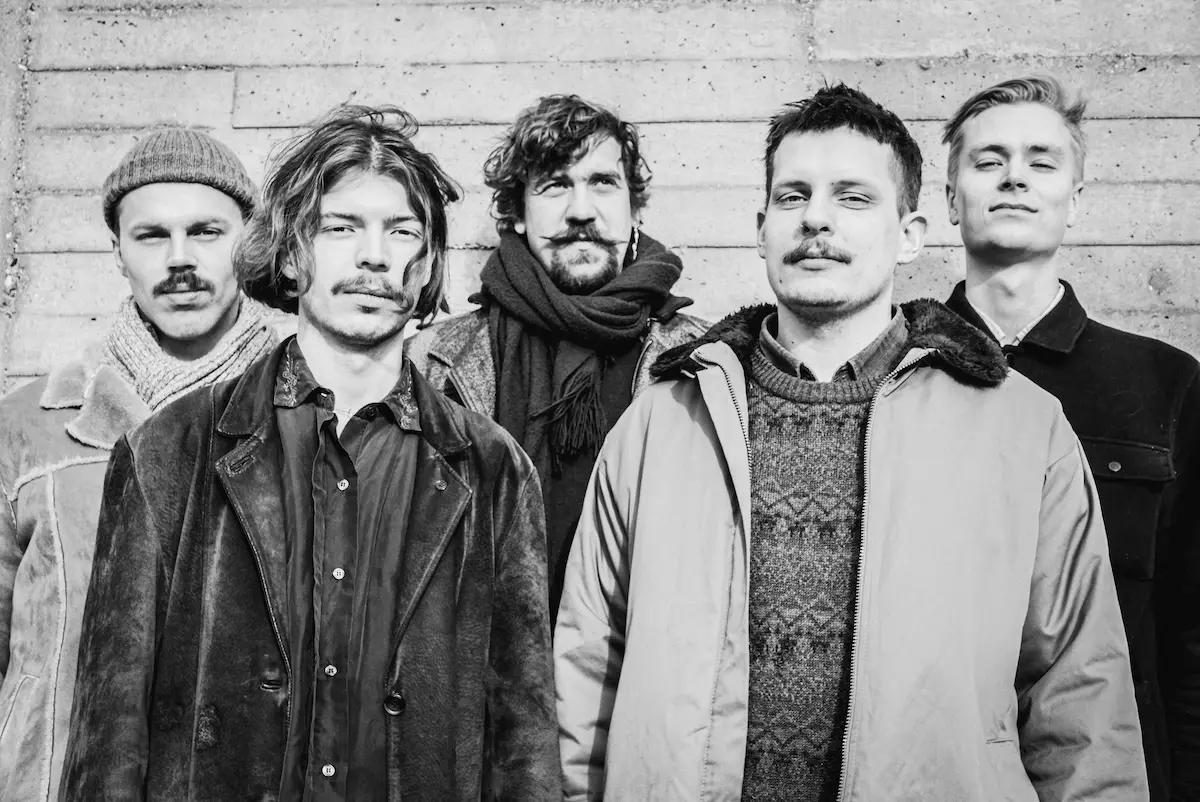
The international jazz community is currently witnessing a significant period of creative output, characterized by a dual focus on honoring historical legacies and pushing the boundaries of contemporary composition. From the prestigious halls of New York’s youth conservatories to the avant-garde circuits of Scandinavia and the rhythmic heart of Brazil, a diverse array of new albums is redefining the genre’s reach in the mid-2020s. This surge in production is marked by high-profile debuts, such as the New York Youth Symphony Jazz ensemble’s first studio recording, and the meticulous restoration of archival performances from icons like Michel Petrucciani and Nina Simone. These releases collectively illustrate a genre that remains deeply rooted in mentorship and tradition while aggressively seeking new textures through global fusion and technological integration.
The Vanguard of Youth and Institutional Milestones
A primary highlight of the current release cycle is the debut album from NYYS Jazz, titled Lineage. This release follows the historic Grammy Award win by the New York Youth Symphony’s classical orchestra, marking a period of unprecedented visibility for the organization. Published via Outside In Music, Lineage is positioned as more than just a recording; it is a document of the pedagogical bridge between jazz masters and the next generation of virtuosos. The album emphasizes the concept of musical inheritance, a fundamental tenet of jazz where knowledge is passed down through direct performance and collective improvisation.
Parallel to this institutional success is the work of David Schroeder, a professor at New York University, whose new project A Kind and Gentle Light represents a "quiet revolution" in the genre. Schroeder’s work is unique for its integration of the Mongolian ever buree and the chromatic harmonica, blending American jazz sensibilities with the lyrical passion of Italian opera. Schroeder’s contributions extend beyond the studio; his podcast series featuring dialogues with legends like Sonny Rollins provides a scholarly and historical framework for his musical output, ensuring that his contemporary compositions are informed by the deep oral histories of the genre’s progenitors.
Archival Restorations: Resurrecting the Masters
The jazz market continues to be bolstered by the discovery and high-fidelity restoration of "lost" performances. Elemental Music has announced a significant addition to the piano trio canon with a previously unreleased live recording of Michel Petrucciani at the Kuumbwa Jazz Center in Santa Cruz, California. Recorded on May 11, 1987, the set features Petrucciani at the height of his powers, supported by the formidable rhythm section of bassist Dave Holland and drummer Eliot Zigmund. This recording is particularly noteworthy for its inclusion of reflections from the pianist’s son, Alexandre Petrucciani, and Kuumbwa co-founder Tim Jackson, providing a multi-dimensional look at a performer known for his radiant lyricism and daring improvisational spirit.
Similarly, the archival sector sees the reissue of Sun Ra’s Super Sonic Jazz on vinyl via Waxtime. Originally recorded in Chicago in 1956, this album was the first released on El Saturn Records, one of the earliest artist-owned labels in history. The reissue serves as a reminder of Sun Ra’s pioneering role in independent music production and his early explorations of what would become Afrofuturism. In the vocal jazz sphere, Nina Simone’s At the Village Gate is receiving a clear vinyl treatment, capturing her 1959 performance at the height of her involvement with Colpix Records. These reissues are essential for maintaining the "lineage" that contemporary artists cite as their primary inspiration.
Transcontinental Dialogues and Global Fusion
The contemporary jazz scene is increasingly defined by its lack of borders. Leila Olivesi, a French-Mauritanian pianist and winner of the Django Reinhardt Prize, exemplifies this trend with African Rhapsody. Her octet compositions are described as vast musical landscapes that connect the Sahara to the urban environment of New York, weaving together threads from the Caribbean and the Mediterranean. This "imagined Africa" is not a mere imitation of traditional sounds but a sophisticated synthesis of global rhythms and European jazz structures.
In the Americas, the Oná Ensemble’s Traces of Brazil, Voices of Toronto offers a striking example of "chamber-jazz." Led by guitarist André Valério, the ensemble utilizes an unconventional lineup including French horns and bassoons to blend the rhythmic urgency of samba and choro with rich, orchestral textures. This project highlights Toronto’s role as a creative hub where Brazilian roots are reinterpreted through a Canadian lens.
Furthermore, the collaboration between French saxophonist Samy Thiébault and Brazil’s Big Band Coisa Fina on the album Sampa Fever demonstrates the enduring appeal of the Afro-Brazilian tradition. Established in São Paulo in 2001, Coisa Fina has become a leading voice in contemporary Brazilian jazz, and their partnership with Thiébault creates a "unique collective energy" that bridges the gap between European jazz theory and the visceral pulse of South American percussion.
Contemporary Explorations in Scandinavian and British Jazz
Northern Europe remains a powerhouse of "forward-thinking" jazz. The Malmö-based quintet People In Orbit has released Viewpoint through April Records, a label synonymous with the modern Scandinavian sound. The album serves as a follow-up to their 2023 release Close/Away, continuing their exploration of acoustic interplay combined with subtle electronic enhancements. This "Nordic tone"—often characterized by spaciousness and a focus on collective improvisation—is a vital component of the modern jazz ecosystem.
In the United Kingdom, the legendary band Soft Machine continues its 60-year history with the release of Thirteen. Comprising thirteen new tracks, the album features a lineup of veteran musicians including John Etheridge and Theo Travis. This release is significant for its bridge between the Canterbury scene’s progressive rock roots and contemporary jazz fusion. A special 2-LP vinyl edition featuring an exclusive side of bonus tracks caters to the growing demand for high-quality physical media among jazz enthusiasts.
Intimate Duos and the Art of Solo Performance
While large ensembles and big bands offer "vast landscapes," many artists are finding profound depth in more intimate settings. Omar Rios Melendez and Alex Wilson’s The Art Of Deep Connection is a masterclass in the piano-and-guitar duo format. Recorded at Steve Winwood’s Wincraft Studios, the album features original compositions that blend jazz, flamenco, and Latin American music. The "telepathic" flow between Wilson’s piano and Melendez’s Nicaraguan guitar style emphasizes the emotive potential of acoustic instrumentation.
Solo performances also hold a prominent place in the 2026 release schedule. Phil Sargent’s Solo Motions reimagines jazz standards through the lens of classical counterpoint. By treating the guitar as a "breathing ensemble" rather than a single voice, Sargent creates layered, independent melodic lines that converse within a single instrument. Meanwhile, Australian pianist Alister Spence has released Always Ever, a collection of sixteen wholly improvised solo pieces. Spence’s work is an ambitious experiment in spontaneous invention, pushing the piano into distinct and often dissonant perspectives.
Technical Innovation and Future Trajectories
The technical mastery displayed in these releases is often matched by a willingness to experiment with genre boundaries. Benjie Porecki’s Faster Than We Know showcases his versatility across piano, organ, and clavinet, moving seamlessly from gospel grooves to funky soul ballads. In London, saxophonist Guido Spannocchi’s Kammermusik explores the intersection of jazz and chamber music specifically without the use of drums, focusing instead on the harmonic and melodic interplay of the instruments.
Looking ahead to the spring of 2026, the industry anticipates Walter Smith III’s Twio, Vol. 2 on Blue Note Records. Featuring Joe Sanders and Kendrick Scott, with guest appearances by Ron Carter and Branford Marsalis, the album is expected to be a major event in the jazz calendar. The involvement of Blue Note, a label with an unparalleled legacy, underscores the continued commercial and critical viability of high-level jazz artistry.
Broader Implications for the Music Industry
The sheer volume and diversity of these releases suggest a jazz industry that is resilient and adaptative. The prevalence of independent labels—such as Frictionless Music, April Records, and Cellar Live—alongside established giants indicates a healthy ecosystem where niche projects can coexist with mainstream successes. Furthermore, the emphasis on high-quality physical formats (vinyl, 2-CD sets with extensive liner notes) points to a consumer base that values the tactile and historical aspects of the music.
The overarching theme of "lineage"—whether expressed through the mentorship of the New York Youth Symphony, the archival restoration of Petrucciani, or the 60-year evolution of Soft Machine—serves as the connective tissue of the genre. As jazz continues to absorb influences from across the globe and integrate new technologies, its foundational commitment to tradition and collective expression remains its greatest strength. These new releases are not merely additions to a discography; they are the latest chapters in a continuous, global conversation that shows no signs of slowing down.