Kholidah
The global music industry is currently centered on the impending return of BTS, the septet that has come to define the modern K-pop era. However, the lead-up to their highly anticipated comeback album, titled Arirang, has been marred by a wave of domestic criticism following a leak regarding the album’s physical editions. As the group prepares for its first full-ensemble release since the completion of their mandatory military service, a specific marketing detail has ignited a firestorm of debate across South Korean online communities, with many netizens accusing the group and their agency, HYBE, of a lack of humility.
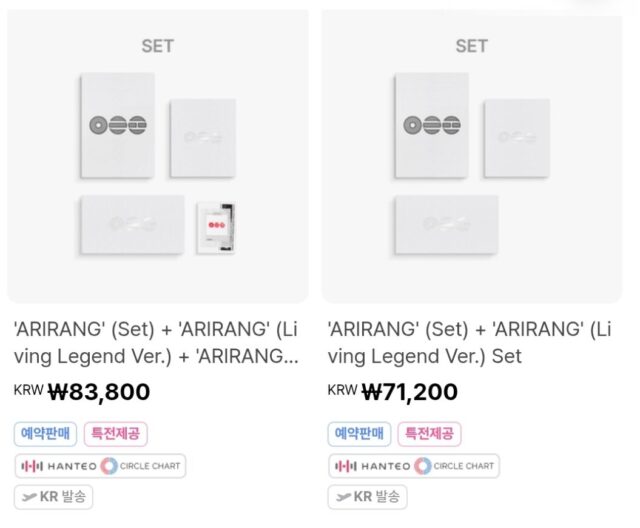
The controversy centers on the revelation that one of the physical versions of the Arirang album is officially titled "Living Legend." While the term is frequently applied to BTS by international media outlets and global music critics to describe their record-breaking achievements, the group’s direct adoption of the title for their own merchandise has been met with significant resistance at home. On popular Korean forums such as TheQoo, the sentiment has been overwhelmingly critical, with users labeling the move as "embarrassing" and "self-important."
The Genesis of the Controversy: A Leak in the Marketing Rollout
The leak reportedly surfaced via digital storefronts and streaming platforms, including Apple Music, which briefly displayed the metadata for the various versions of the Arirang album ahead of its scheduled March 20, 2026, release. In the K-pop industry, the practice of releasing multiple versions of a single album—often featuring different concept photos, posters, and collectible photocards—is a standard strategy used to maximize physical sales and bolster chart positions.
For Arirang, HYBE had planned a multi-tier release strategy. However, the "Living Legend" branding for one of these versions immediately became the focal point of public discourse. Critics argue that the title represents a departure from the "underdog" narrative that defined BTS’s early career and helped them build a massive, loyal domestic fanbase. Instead, the new branding is being viewed as an overt display of hubris, a trait that is traditionally frowned upon in the conservative landscape of Korean celebrity culture.
Historical Context: BTS’s Transition Post-Military Service
To understand the intensity of the current backlash, one must look at the timeline of BTS’s recent activities. Following a period of individual solo projects and staggered military enlistments, the group’s reunion marks a pivotal moment for the South Korean economy and the global music market. The album title, Arirang, carries deep cultural weight, referencing the unofficial national anthem of Korea—a song that symbolizes resilience, longing, and the Korean spirit.
Given the gravity of the title Arirang, many expected the album to be a humble tribute to their roots after their time away from the spotlight. The introduction of the "Living Legend" version, therefore, created a sharp cognitive dissonance for some fans and the general public. This release is intended to be a "re-coronation" of the group, yet the domestic audience appears to be questioning whether the group is "self-proclaiming" a status that should instead be bestowed by the public and history.
The "Gwanghwamun Factor" and Accumulated Public Scrutiny
The "Living Legend" leak does not exist in a vacuum. It follows closely on the heels of another controversy involving a major concert event at Gwanghwamun Square. The event, intended to celebrate the group’s return, faced logistical hurdles and public complaints regarding noise, traffic disruptions, and the perceived "special treatment" afforded to the group by government authorities.

For a segment of the Korean population, the Gwanghwamun incident served as a catalyst for "BTS fatigue." When the album details leaked shortly thereafter, the frustration shifted from logistical concerns to the group’s perceived image. The sentiment "Do they even have a conscience?"—as seen in viral forum posts—suggests that the public’s patience is wearing thin regarding the grandiosity surrounding the group’s return.
Analyzing the "Living Legend" Branding: Global Strategy vs. Local Sentiment
From a corporate and global marketing perspective, branding a BTS album "Living Legend" is a logical move. In the United States and Europe, BTS is routinely cited alongside icons like The Beatles and Michael Jackson. Using such a title in Western markets is seen as a factual assertion of their commercial dominance and cultural impact. BTS has secured multiple Number 1 hits on the Billboard Hot 100, earned numerous Grammy nominations, and addressed the United Nations General Assembly.
However, the South Korean market operates on a different set of cultural values. The concept of gyeom-son, or extreme humility, is a cornerstone of a celebrity’s longevity in Korea. Even the most successful figures are expected to deflect praise and attribute their success entirely to their supporters and the nation. By naming their own product "Living Legend," BTS—or their management—is seen as bypassing this cultural ritual of humility.
Market Data and the Economics of K-pop Album Versions
The strategy of releasing multiple album versions is increasingly under the microscope in South Korea. While these versions drive the massive sales figures that allow K-pop groups to compete on global charts, they are also criticized for being environmentally wasteful and financially exploitative of younger fans.

Data from the Circle Chart (formerly Gaon) shows that the top-selling K-pop albums often have between three and ten distinct versions. By categorizing one version as "Living Legend," HYBE is likely targeting "completionist" fans who feel compelled to own every iteration of the release. However, this marketing tactic has now backfired by providing a tangible target for critics who argue that the group’s commercial machinery has become too brazen.
Official Responses and Potential Strategic Pivots
As of this report, HYBE and Big Hit Music have not issued a formal statement regarding the leak or the specific criticisms of the "Living Legend" title. In previous instances of public backlash, the agency has occasionally adjusted marketing materials or released clarifying statements to mitigate damage to the group’s reputation.
Industry insiders suggest that the "Living Legend" title may have been intended primarily for the international market, with the leak inadvertently exposing it to a domestic audience that was not the primary target for that specific branding. Regardless of the intent, the PR challenge now lies in reconciling the group’s global "superstar" status with the need to maintain a relatable and humble image within South Korea.
The Broader Impact on the "Arirang" Release
Despite the mockery online, the commercial success of Arirang remains virtually guaranteed. Pre-order data from major retailers like Ktown4u and Weverse Shop indicates that the album is on track to break previous records. The "Living Legend" version, ironically, may become one of the most sought-after editions due to the notoriety it has gained.
However, the long-term impact on BTS’s "brand equity" in Korea is more complex. The group has long been considered "National Treasures," a status that grants them a degree of protection from typical celebrity scandals. If the perception shifts from "the nation’s pride" to "an arrogant corporate entity," the group may find it more difficult to navigate the domestic landscape in the final chapters of their career.
Chronology of Events Leading to the March 20 Release
- June 2025 – January 2026: BTS members complete their remaining military service terms.
- February 1, 2026: HYBE officially announces the group’s comeback with the album Arirang.
- March 5, 2026: The first teaser, titled "SWIM," is released, generating millions of views within hours.
- March 12, 2026: The Gwanghwamun concert controversy erupts, leading to a polarized public debate about celebrity privilege.
- March 18, 2026: Metadata leaks on Apple Music and other platforms reveal the "Living Legend" album version, sparking the current wave of mockery.
- March 20, 2026: Scheduled worldwide release of Arirang.
Implications for the K-pop Industry at Large
The backlash against BTS serves as a warning for other K-pop agencies. As groups become more successful internationally, the disconnect between global marketing and domestic cultural expectations continues to widen. Agencies must now navigate a "dual-reality" where what is perceived as empowering and iconic in Los Angeles or London may be seen as distasteful or "cringe-worthy" in Seoul.
For BTS, the "Living Legend" controversy is a rare blemish on an otherwise meticulously managed comeback. Whether this will be a minor speed bump or a sign of a deeper rift between the group and the Korean public will be determined by how they handle the promotional cycle following the March 20 release. For now, the "Living Legend" title remains a polarizing symbol of the group’s unprecedented height and the heavy crown that comes with it.