Indra Aziz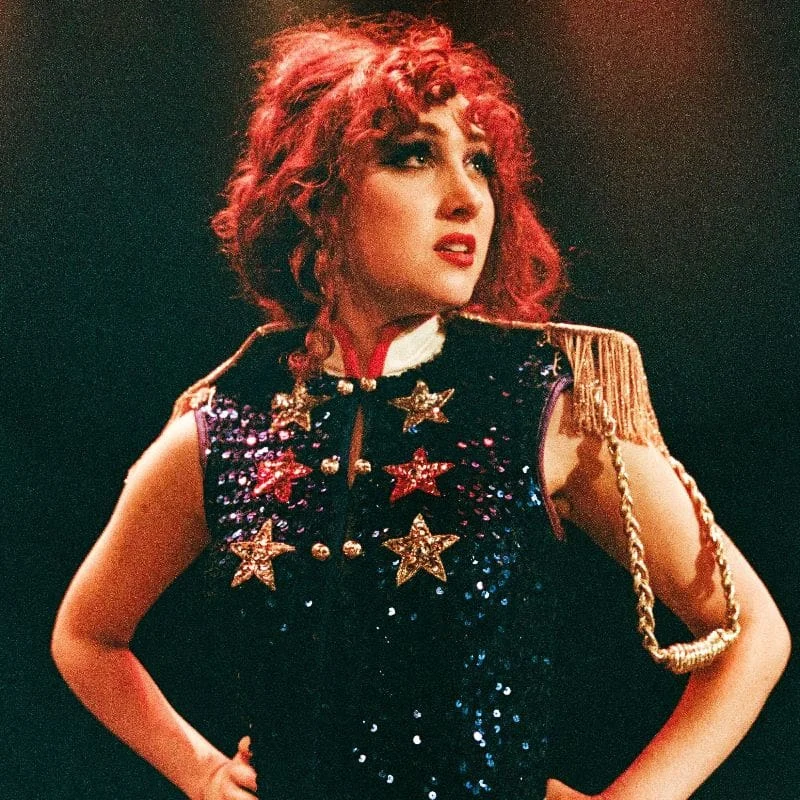
Pop sensation Chappell Roan has issued a direct response to allegations made by Brazilian-born footballer Jorginho, who accused the artist’s security guard of causing distress to his 11-year-old stepdaughter at Lollapalooza Brazil. The incident, which has ignited a firestorm of public reaction and even led to a performance ban in Rio de Janeiro, has brought to light the delicate intersection of celebrity privacy and fan interaction, particularly when vulnerable individuals are involved.
The Allegation Unfolds
The controversy began over the weekend when Jorginho, a prominent figure in international football, took to social media to detail his family’s unsettling experience. According to his statement, his wife and young daughter were attending Lollapalooza Brazil in São Paulo. While at breakfast, the 11-year-old girl recognized Chappell Roan. In an attempt to confirm her identity, she reportedly walked past Roan’s table, offered a smile, and then returned to her mother.
What followed, as described by Jorginho, was an aggressive confrontation by Roan’s security personnel. The guard allegedly accused the child and her mother of harassing and disrespecting the artist, further threatening to file a formal complaint with the hotel. The footballer asserted that this encounter left his stepdaughter in tears and "extremely shaken."
Jorginho, drawing on his extensive experience with public life and celebrity, emphasized the importance of understanding boundaries and respect. "I’ve lived with football, public exposure, and well-known people for many years, and I understand very well what respect and boundaries are," he stated. "What happened there was not that. It was just a child admiring someone. It’s sad to see this kind of treatment coming from those who should understand the importance of fans."
Ripple Effects and Official Reactions
Jorginho’s post rapidly gained traction, evolving from a personal grievance into a widely discussed public issue. The fallout was swift and significant. The mayor of Rio de Janeiro, Eduardo Cavaliere, publicly declared that Chappell Roan would be barred from performing at the city’s annual "Todo Mundo no Rio" event during his tenure. This decision, framed as a response to the alleged mistreatment of a child, underscores the sensitivity surrounding such incidents in a region with a strong cultural emphasis on family and hospitality.
The political dimension of the controversy highlights how public figures’ actions, or those of their associates, can have tangible consequences beyond personal interactions. Mayor Cavaliere’s firm stance suggests a perceived need to uphold certain standards of conduct and protect citizens, even when involving international artists.
Chappell Roan’s Defense and Counter-Narrative
Amidst the escalating public scrutiny, Chappell Roan proceeded with her scheduled performance at Lollapalooza Brazil. During her set, she made a point of publicly acknowledging and thanking her security team, a gesture that some interpreted as a subtle nod to the unfolding situation.
Later, from her hotel room, Roan shared her perspective in a video post, aiming to present "her half of the story." She clarified that neither Jorginho’s wife nor daughter had approached her or engaged in any disruptive behavior. "They did not come up to me. They weren’t doing anything," Roan explained. She articulated her belief that it is unfair for security to make assumptions about individuals’ intentions without any basis.

Roan expressed her deep regret for the distress caused to the child and her mother. "I do not hate people who are fans of my music. I do not hate children. Like, that is crazy," she stated emphatically. "I’m sorry to the mother and child that someone was assuming something that you would do something and that if you felt uncomfortable, that makes me really sad. You did not deserve that." Her statement aimed to distance herself from the alleged actions of her security guard and convey empathy towards the affected family.
Analyzing the Dynamics
This incident brings into sharp focus the complex relationship between artists, their security details, and their fan base. While artists are entitled to personal space and safety, the methods employed by security personnel are often subject to public judgment, especially when they involve children. The core of the dispute lies in the interpretation of the child’s actions: a simple act of recognition and admiration versus an alleged attempt at harassment.
The role of security in such situations is to act as a buffer and protector, but their conduct must also be measured and proportionate. An overzealous or misinformed security detail can inadvertently create the very negative publicity they are meant to prevent. In this case, the perceived disproportionate response has led to accusations of a lack of understanding and empathy towards fans, who are often the lifeblood of an artist’s career.
Furthermore, the incident highlights the amplified reach of social media in shaping public perception. Jorginho’s initial post, shared widely, immediately framed the narrative. Roan’s subsequent response, while attempting to offer a different perspective, had to contend with the momentum of the initial accusation. The speed at which such controversies can develop and solidify public opinion is a significant factor in the modern media landscape.
Broader Implications for Artists and Fans
The Chappell Roan and Jorginho incident serves as a case study for the challenges faced by public figures in managing their interactions with fans. It underscores the critical need for artists to:
- Train Security Personnel Effectively: Security teams must be equipped with the skills to de-escalate situations, understand appropriate responses to fan interactions, and recognize the difference between genuine admiration and disruptive behavior. Training should emphasize cultural sensitivity, especially when touring internationally.
- Maintain Open Communication: While direct interaction may not always be feasible, artists can foster a positive relationship with fans through consistent communication and by demonstrating an appreciation for their support.
- Be Prepared for Public Scrutiny: In the age of social media, any incident, however minor it may seem internally, can quickly become a public issue. Artists and their teams need robust crisis communication strategies.
For fans, the incident also raises questions about appropriate behavior and respecting personal space, particularly when encountering celebrities in informal settings. However, the primary responsibility for ensuring a positive and respectful interaction often rests with the artist’s team, who are tasked with protecting the artist while also safeguarding the artist’s relationship with their supporters.
The decision by Rio de Janeiro’s mayor also points to the potential for public officials to leverage celebrity incidents for political gain or to demonstrate a commitment to perceived public values. Such actions can have a chilling effect on artists’ willingness to perform in certain locations or can lead to complex diplomatic or logistical challenges.
Ultimately, the controversy surrounding Chappell Roan’s security guard and Jorginho’s daughter is a complex tapestry of personal experience, public perception, and the evolving dynamics of celebrity culture. It serves as a stark reminder that even in the whirlwind of international fame, empathy, clear communication, and measured responses remain paramount in navigating the intricate world of artist-fan relations. The long-term impact on Chappell Roan’s reputation and her engagement with her Brazilian audience remains to be seen, but the incident has undoubtedly placed a spotlight on the responsibilities that come with stardom.