Muhammad Ibadurrohman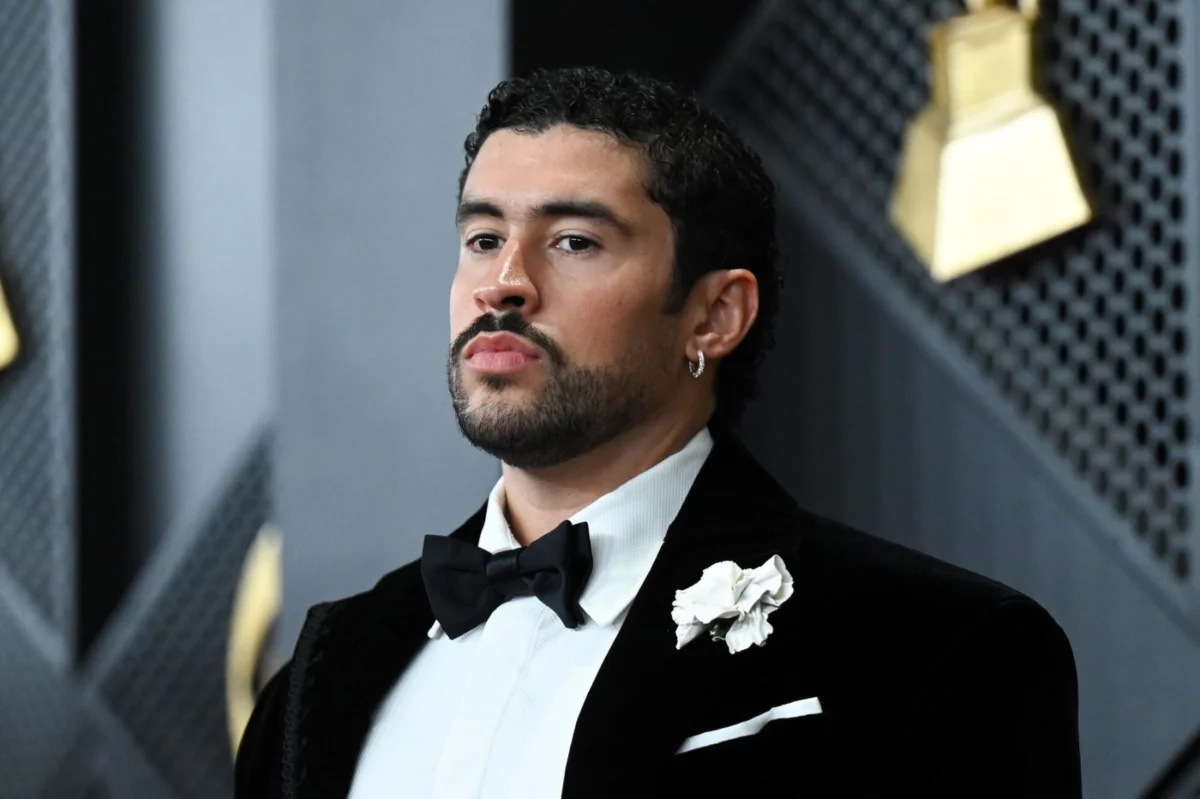
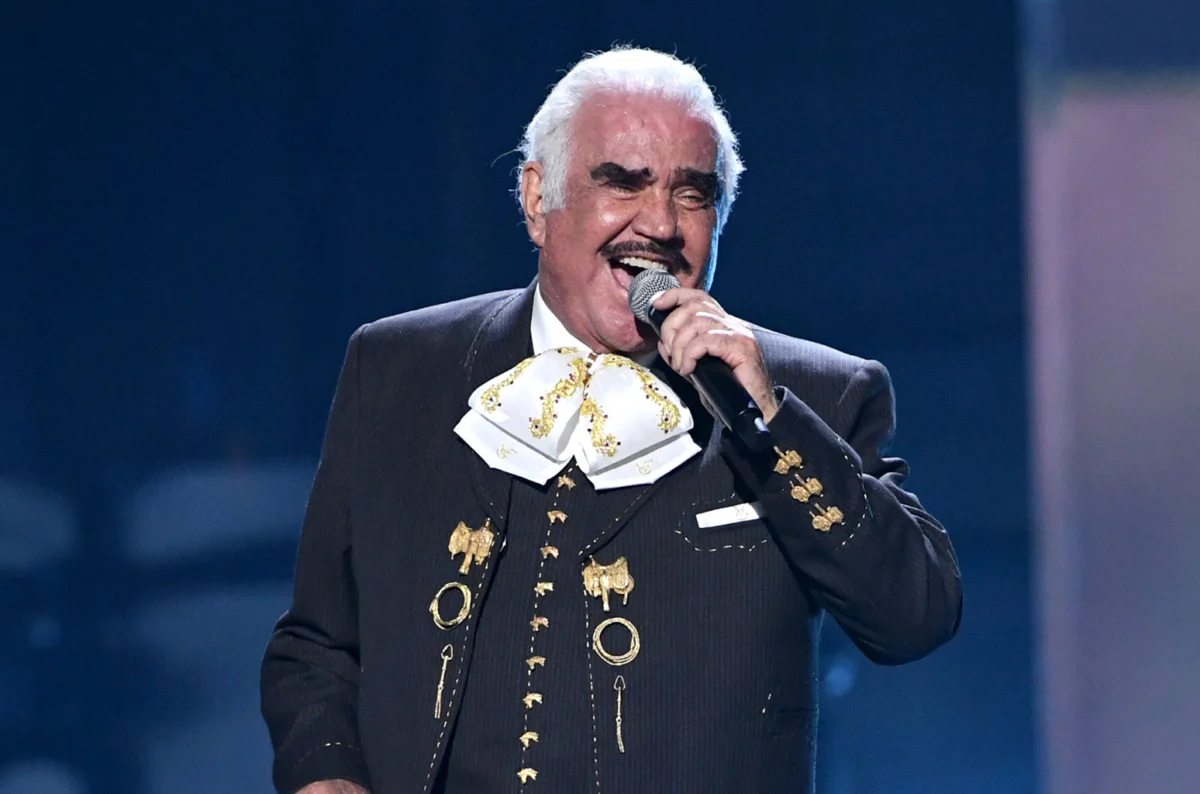
The legal representatives for Puerto Rican superstar Bad Bunny are seeking a substantial sum exceeding $465,000 in legal fees from emPawa Africa, an independent African music company, following the recent dismissal of a copyright infringement lawsuit. The suit, which centered on an alleged uncleared sample in the track "Enséñame a Bailar" from Bad Bunny’s globally acclaimed album Un Verano Sin Ti, was dismissed earlier this month for lack of prosecution after emPawa Africa’s attorneys withdrew from the case. Bad Bunny’s defense team, representing the artist and co-defendants Rimas Entertainment and The Orchard, asserts that the litigation was "meritless from the beginning" and was initiated in an attempt to "extract an undeserved, multimillion-dollar settlement."
The Core of the Copyright Dispute
The legal battle commenced last year when emPawa Africa, which holds a publishing deal with Nigerian songwriter Dera (Ezeani Chidera Godfrey), filed a lawsuit against Bad Bunny, whose real name is Benito Antonio Martínez Ocasio. The core allegation was that Bad Bunny had sampled Dera’s 2019 song "Empty My Pocket" in his track "Enséñame a Bailar" without proper authorization from emPawa Africa. "Enséñame a Bailar," featured on Un Verano Sin Ti, garnered significant attention, spending two weeks on the prestigious Billboard Hot 100 chart in 2022, a testament to the album’s pervasive influence.
Bad Bunny’s legal team has consistently maintained that the sample was, in fact, properly cleared. Their argument hinges on the assertion that they secured the necessary license from Lakizo, the producer and a recognized rightsholder of "Empty My Pocket." This distinction between who holds the rights – the songwriter, the publisher, or the producer – often forms the crux of music copyright disputes, particularly when multiple parties contribute to a single musical work. The dispute thus not only questioned the legality of the sample but also the chain of ownership and licensing authority for the sampled material.
Background of Un Verano Sin Ti and Its Impact
The album at the center of this controversy, Un Verano Sin Ti, released in May 2022, was a monumental success for Bad Bunny and for Latin music globally. It debuted at number one on the Billboard 200 albums chart, becoming the second all-Spanish-language album to ever achieve this feat, and ultimately spent 13 non-consecutive weeks atop the chart, breaking records for a Latin album. The album was not only a commercial powerhouse but also a critical darling, earning nominations and accolades, including a Grammy Award for Best Música Urbana Album. Its innovative blend of reggaeton, cumbia, indie pop, and other Caribbean and Latin American sounds cemented Bad Bunny’s status as a global icon.

The album’s massive popularity meant that any legal challenge against its content carried significant weight and potential financial implications. With tracks like "Enséñame a Bailar" achieving mainstream chart success, the stakes for both the plaintiff seeking compensation and the defendant protecting their work were exceptionally high. This context underscores the assertion by Bad Bunny’s lawyers that emPawa Africa might have been motivated by the album’s immense commercial value, hoping to secure a large settlement from a globally recognized artist.
The Chronology of the Legal Proceedings
The timeline of the lawsuit reveals a progression that ultimately favored Bad Bunny’s defense:
- Last Year (Specific Date Undisclosed): emPawa Africa files the copyright infringement lawsuit against Bad Bunny, Rimas Entertainment (his record label), and The Orchard (his distributor), alleging unauthorized sampling of "Empty My Pocket" in "Enséñame a Bailar."
- Throughout 2025: The case proceeds, with Bad Bunny’s legal team asserting proper clearance of the sample from producer Lakizo.
- End of 2025: emPawa Africa’s legal counsel withdraws from the case, citing "irreconcilable differences." This move often signals a significant breakdown in the attorney-client relationship, potentially due to disagreements over strategy, the strength of the case, or a client’s failure to cooperate.
- Earlier This Month (Specific Date Undisclosed): A judge formally dismisses the lawsuit for "lack of prosecution." This occurs when a plaintiff fails to take necessary legal steps to advance their case, often after their counsel has withdrawn without a replacement.
- Monday, March 23: Bad Bunny and co-defendants file a motion seeking reimbursement for their legal fees, totaling $465,612, from emPawa Africa.
The motion details how emPawa Africa allegedly "dragged out the case" despite early indications that the sample was properly licensed. Bad Bunny’s legal team claims that emPawa employed "various tactics to stall and delay the litigation" and then withdrew their counsel when faced with the discovery process, particularly when it came time to provide evidence of their sole ownership of "Empty My Pocket" and to challenge Lakizo’s rights. The defense argues that emPawa’s inability to find replacement counsel after their original attorneys withdrew "speaks volumes" about the merits of their case.
Legal Rationale for Fee Recovery
Under U.S. copyright law, a prevailing party in copyright litigation can be awarded legal fees if they can demonstrate that the opposing party’s claims were "frivolous" or handled in an "unreasonable" manner. This provision is designed to deter the filing of baseless lawsuits and to compensate defendants who are forced to expend resources defending against meritless claims. The Monday motion for legal fees explicitly states, "This case was meritless from the beginning and should never have been brought."

The legal team representing Bad Bunny includes heavy-hitting music lawyer Jeff Goldman and a dedicated team of attorneys from the Florida-based firm Gray Robinson. The motion details the extensive work involved, with three senior lawyers billing hourly rates of $555, $615, and $680 respectively, accumulating hundreds of hours on the defense. The $465,612 figure reflects the comprehensive effort required to counter emPawa Africa’s claims over the duration of the litigation.
Notably, the motion for fees specifically targets emPawa Africa and not Dera, the songwriter. A footnote in the motion clarifies this decision, stating, "It is moving defendants’ belief that this co-plaintiff, Ezeani Chidera Godfrey p/k/a Dera, was not primarily responsible for the prosecution of the lawsuit, nor did he finance the lawsuit." This suggests that Bad Bunny’s legal team perceives emPawa Africa as the primary driver and financier behind the "frivolous" litigation.
Wider Implications and Precedents in Copyright Law
The Bad Bunny case is not an isolated incident; rather, it reflects a growing trend in the music industry where artists who successfully defend against copyright infringement claims seek to recover their legal expenses. This serves as a significant deterrent against what are perceived as opportunistic or speculative lawsuits.
Several high-profile examples underscore this legal strategy:
- Mariah Carey: The iconic singer is currently seeking $1 million in legal fees after successfully defeating a copyright infringement lawsuit over her perennial holiday classic, "All I Want for Christmas Is You." The plaintiff had alleged that Carey’s song infringed on an earlier track with the same title, but the case was dismissed.
- Nelly: The rapper recently demanded that the lawyer representing one of his former bandmates reimburse him $78,000 for litigation related to the rights to his debut album, Country Grammar. This case also highlights the financial burden and legal complexities that can arise from disputes over creative ownership.
- "Blurred Lines" Case (Pharrell Williams, Robin Thicke, T.I. vs. Marvin Gaye Estate): While the defendants in this case were found liable for infringement, the extensive legal battle and subsequent appeals highlighted the enormous costs associated with music copyright disputes, often running into millions of dollars. The case also brought renewed scrutiny to the concept of "feel" or "groove" infringement, complicating how samples and influences are legally assessed.
These instances collectively reinforce the message that pursuing meritless copyright claims can be a costly endeavor for the plaintiffs. The ability to recover legal fees incentivizes defendants to vigorously defend their intellectual property against what they consider to be unfounded accusations, while simultaneously discouraging plaintiffs from initiating litigation without a robust and demonstrable case.

The Role of Music Publishers and Copyright Clearance
The dispute also shines a light on the intricate ecosystem of music publishing and copyright clearance. Music publishers like emPawa Africa play a crucial role in administering the copyrights of songwriters, collecting royalties, and licensing their works. However, the process of clearing samples, especially in a globalized music landscape where multiple parties across different jurisdictions might hold rights to a single track, can be incredibly complex.
Bad Bunny’s defense, centered on having properly cleared the sample with producer Lakizo, suggests a meticulous approach to copyright compliance. In many musical collaborations, producers often retain significant rights over the instrumental components or master recordings of a track. If Lakizo indeed held the necessary rights to grant a license for the "Empty My Pocket" sample, then Bad Bunny’s team would have followed due diligence. The core of emPawa Africa’s case would then rest on proving that Lakizo did not have the authority to grant such a license, or that emPawa Africa held exclusive rights that superseded any agreement with the producer. The withdrawal of their counsel and the subsequent dismissal for lack of prosecution strongly suggest that emPawa Africa struggled to establish their superior claim to the sampled material.
As of the filing of the motion for legal fees, representatives for emPawa Africa had not immediately returned requests for comment. Their response, or lack thereof, will be a key factor in the court’s decision regarding the fee request. This case serves as a stark reminder of the financial and reputational risks involved in copyright litigation within the dynamic and ever-evolving music industry.