Jia Lissa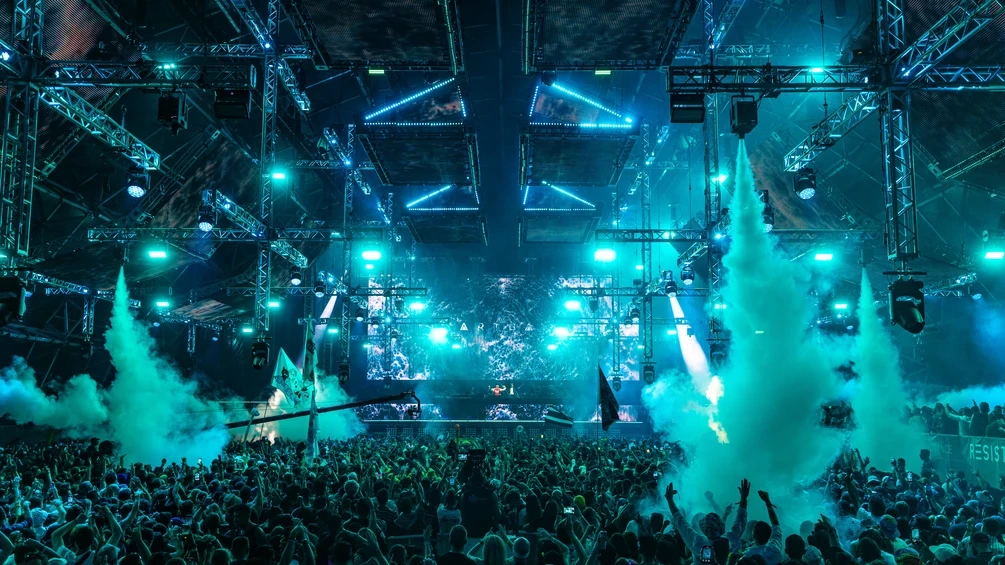
Ultra Music Festival, one of the world’s preeminent electronic music festivals, is set to make history this week with the grand debut of its first battery-powered stage, marking a significant leap forward in its steadfast commitment to becoming a more sustainably minded event. This groundbreaking initiative, centered on the RESISTANCE Cove Stage, is poised to redefine environmental responsibility within the large-scale festival landscape, demonstrating a tangible path toward drastically reducing carbon footprints in an industry often criticized for its high energy consumption. The 2025 edition of Ultra Miami, scheduled from March 27th to 29th at Bayfront Park in Downtown Miami, will host this pioneering technological integration, alongside a star-studded lineup featuring over 70 acts across seven stages, reinforcing its status as a global leader in both musical innovation and environmental stewardship.
The Dawn of a New Era: Ultra’s Sustainable Power Initiative
The RESISTANCE Cove Stage will operate entirely on the zero-emission Showpower SmartGrid™ battery system, a sophisticated power solution designed to deliver energy without any reliance on fossil fuels or generating onsite emissions. This represents a monumental step beyond previous sustainability efforts, which largely focused on connecting stages directly to the existing grid. While grid connection already mitigates the need for diesel generators, the SmartGrid™ system takes this commitment further by storing grid energy in advance, ensuring a clean, silent, and efficient power supply that is completely decoupled from immediate fossil fuel combustion. This strategic pivot aligns perfectly with Ultra’s overarching "Mission: Home" sustainability initiative, a comprehensive program dedicated to safeguarding the planet, minimizing environmental impact, and inspiring its vast global community to embrace ecological responsibility.
The implementation of the Showpower SmartGrid™ system at the RESISTANCE Cove Stage is not merely an incremental improvement but a transformative change. Traditional large-scale music festivals are notoriously energy-intensive, with many relying heavily on diesel generators to power stages, lighting, sound systems, and various ancillary services. A single large diesel generator can consume hundreds of gallons of fuel per day, emitting significant quantities of carbon dioxide, nitrogen oxides, and particulate matter into the atmosphere. By completely eliminating these onsite emissions for an entire stage, Ultra is effectively demonstrating a scalable model for a cleaner festival future. This pilot project is expected to provide invaluable data on energy consumption, efficiency gains, and operational feasibility, paving the way for wider adoption across other stages and potentially the entire festival grounds in subsequent years. The successful deployment of this system at Ultra Miami 2025 is a testament to years of research, development, and a collaborative spirit between the festival organizers and technological innovators.
Mission: Home – A Legacy of Environmental Stewardship
Ultra Music Festival’s "Mission: Home" initiative, established several years ago, has been a driving force behind the festival’s environmental efforts. Its core tenets – "protect our home, reduce our environmental impact, and inspire our community to respect the planet" – are not just slogans but actionable commitments. Since its formal inception, "Mission: Home" has championed a multifaceted approach to sustainability, encompassing various critical areas such as waste management, water conservation, responsible sourcing, and community engagement.
In previous years, the initiative has focused on diverting vast quantities of waste from landfills through robust recycling and composting programs. For instance, Ultra has consistently aimed for a waste diversion rate exceeding 50%, implementing segregated waste streams for plastics, aluminum, cardboard, and organic materials. The festival has also promoted water conservation by installing hydration stations across Bayfront Park, encouraging attendees to use reusable water bottles instead of single-use plastics, significantly reducing plastic bottle waste which can number in the hundreds of thousands at events of this scale. Furthermore, "Mission: Home" has engaged with vendors to promote sustainable practices, advocating for compostable serving ware, locally sourced food options, and reduced packaging. Educational campaigns embedded within the festival experience, through interactive displays and digital content, have sought to raise awareness among attendees about their individual environmental impact and empower them to make greener choices. The introduction of the battery-powered stage represents the pinnacle of "Mission: Home’s" energy strategy, which has progressively moved from optimizing generator use to grid connections, and now to advanced energy storage solutions. This systematic progression highlights a long-term vision rather than a one-off environmental gesture.
Technological Vanguard: The Showpower SmartGrid™ System
At the heart of this transformative change is the Showpower SmartGrid™ battery system. Developed by Showpower, a company at the forefront of intelligent and sustainable power solutions for events, in close collaboration with Ultra and CESPower, this technology represents a significant leap in event power infrastructure. The "smart" aspect of the SmartGrid™ lies in its sophisticated energy management capabilities. For the past six years, Showpower’s team has meticulously measured energy demand across Ultra’s expansive site. This data-driven approach has been crucial in identifying precise opportunities to reduce diesel consumption, optimize fuel costs, and drastically cut carbon emissions.
The system works by charging its high-capacity batteries using energy from the local grid during off-peak hours or when renewable energy sources are abundant. This stored energy is then discharged seamlessly to power the stage during peak festival operations. Unlike traditional generators, the SmartGrid™ operates silently, eliminating noise pollution that can detract from the attendee experience, especially in a vibrant urban setting like Bayfront Park. Its modular design allows for scalability, meaning the system can be adapted to power stages of varying sizes and energy requirements. The collaboration between Ultra’s vision, Showpower’s technological expertise, and CESPower’s operational prowess has been instrumental in bringing this complex system to fruition. This partnership underscores a growing trend in the events industry where cutting-edge technology providers are joining forces with major festivals to tackle environmental challenges head-on. The success of such collaborations is critical for accelerating the transition towards a more sustainable event economy.
A Chronology of Green Innovation at Ultra
Ultra Music Festival’s journey towards sustainability is a continuous evolution, marked by deliberate steps and increasing ambition:
- Pre-2018: Nascent Awareness: In its earlier years, Ultra, like many large festivals, had basic recycling programs. However, a formalized, overarching sustainability strategy was yet to be fully developed. The focus was primarily on immediate operational logistics and attendee experience.
- 2018: Formal Launch of "Mission: Home": This year marked a pivotal moment with the official establishment of "Mission: Home." This program provided a structured framework for Ultra’s environmental efforts, setting clear goals for waste diversion, water conservation, and community engagement. Initial efforts included expanding recycling infrastructure, introducing water refill stations, and commencing educational campaigns.
- 2019-2023: Scaling Up and Diversifying Efforts: During this period, "Mission: Home" significantly expanded its reach. Several stages began connecting directly to the municipal power grid, reducing reliance on diesel generators. Vendor policies were tightened to encourage sustainable practices, including the use of compostable materials and a reduction in single-use plastics. Pilot programs for composting food waste were initiated, and partnerships with local environmental organizations were forged to maximize impact. Energy audits became a regular practice, laying the groundwork for more advanced energy solutions.
- 2024: Strategic Planning and System Development: Building on years of data collection and operational insights, Ultra, Showpower, and CESPower intensified their collaboration. Detailed planning for the battery-powered stage commenced, involving extensive engineering, logistics, and regulatory approvals. This phase focused on integrating the Showpower SmartGrid™ system into the festival’s existing infrastructure, ensuring seamless operation and maximum efficiency.
- 2025: Debut of the RESISTANCE Cove Stage with SmartGrid™: The culmination of these efforts is the 2025 festival, where the RESISTANCE Cove Stage becomes the first large-scale electronic music festival stage in the US to operate entirely without onsite emissions, powered by the Showpower SmartGrid™ system. This represents a tangible outcome of years of progressive environmental initiatives and technological investment.
Industry Context: The Growing Demand for Green Festivals
The global festival industry, a multi-billion-dollar sector, faces mounting pressure to address its environmental footprint. A typical large-scale music festival can generate thousands of tons of waste, consume vast amounts of energy (often from fossil fuels), and contribute significantly to carbon emissions through attendee travel, logistics, and infrastructure. Industry estimates suggest that a medium-to-large festival can produce CO2 emissions equivalent to that of a small town for several days, primarily from power generation and transportation.
Attendees, particularly younger demographics, are increasingly environmentally conscious and expect events to reflect their values. Surveys indicate that a significant portion of festival-goers are willing to pay more for tickets if the event demonstrates strong sustainability commitments. This consumer demand, coupled with growing regulatory scrutiny and the urgent global imperative to combat climate change, has spurred a wave of innovation in sustainable event management. Festivals worldwide are exploring various solutions, from solar power and hydrogen fuel cells to advanced waste-to-energy systems and comprehensive circular economy models. Ultra’s move with the battery-powered stage positions it at the forefront of this global movement, offering a scalable and replicable solution that could become an industry standard. This leadership is critical in demonstrating that large-scale entertainment can indeed coexist with environmental responsibility.
Voices from the Forefront: Leadership Perspectives
The visionary leadership behind Ultra’s sustainability drive emphasizes a culture of continuous improvement and collaborative innovation. Vivian Belzaguy Hunter, Ultra’s Sustainability Director, articulated this ethos perfectly: "Each year, we push ourselves to think bigger, and this next chapter reflects how collaboration, innovation, and culture are coming together to create lasting impact." Her statement underscores the festival’s proactive approach, refusing to rest on past achievements and consistently seeking more impactful ways to reduce its environmental footprint. It also highlights the synergistic relationship between technological advancement, strategic partnerships, and a deep-seated organizational commitment to sustainability.
Paul Schurink, co-founder of Showpower, shed light on the technical partnership: "For the past six years, Showpower’s team has worked closely with Ultra and CESPower to develop intelligent and sustainable power solutions as part of Mission: Home." He elaborated on the meticulous process, stating, "A central focus has been measuring energy demand across the site to identify opportunities to reduce diesel consumption, fuel costs and carbon emissions. This year, Ultra’s RESISTANCE Cove Stage provides the greatest opportunity to do that, by replacing a generator with a battery system charged by grid power." Schurink’s insights reveal the methodical, data-driven strategy underpinning this innovation, emphasizing that the decision to deploy the battery system was not arbitrary but based on years of careful analysis and optimization.
Beyond the immediate stakeholders, this initiative is likely to garner significant praise from environmental advocacy groups, who have long called for greater accountability from large-scale events. Industry observers will view this as a potential blueprint, demonstrating that such a transition is not only feasible but also economically viable in the long run. Attendees, too, are expected to react positively, reinforcing the connection between their passion for music and their commitment to a healthier planet. The integration of sustainable practices into the core festival experience enhances its appeal and reinforces Ultra’s brand as a forward-thinking entity.
Broader Implications and Future Trajectory
The debut of Ultra’s battery-powered stage carries significant broader implications for the global event industry. Firstly, it establishes a new benchmark for sustainable power solutions at large-scale festivals. As the first of its kind in the US electronic music scene to operate a stage entirely without onsite emissions, it serves as a powerful proof-of-concept. Other festivals, facing similar environmental pressures and seeking to enhance their public image, will undoubtedly observe Ultra’s success closely, potentially leading to a widespread adoption of similar battery storage systems.
Secondly, the economic impact could be substantial. While the initial investment in advanced battery systems may be higher than traditional diesel generators, the long-term operational savings in fuel costs, reduced logistics, and maintenance can be considerable. Furthermore, by reducing reliance on volatile fossil fuel markets, festivals can achieve greater cost stability and predictability. This financial incentive, coupled with environmental benefits, presents a compelling case for widespread transition.
Thirdly, the environmental benefits extend beyond immediate emission reductions. By utilizing grid power, especially during off-peak hours, festivals can potentially integrate with renewable energy sources if the local grid is supplied by solar, wind, or hydroelectric power. This further decarbonizes the event’s energy footprint. The reduction in noise pollution from generators also improves the local environment for residents and enhances the overall sensory experience for festival-goers.
Challenges remain, primarily concerning the scalability of such systems for an entire festival with dozens of stages and the initial capital outlay. However, ongoing advancements in battery technology, including increased energy density and reduced costs, are making these solutions increasingly viable. Ultra’s pioneering step demonstrates that these challenges are surmountable with strategic planning, collaborative partnerships, and a firm commitment to innovation. This initiative positions Ultra not just as an entertainment giant but as a thought leader in the sustainable event movement, driving positive change across the industry.
Ultra Miami 2025: A Festival Transformed
Beyond its groundbreaking sustainability efforts, Ultra Miami 2025 remains a premier global music event. Voted No. 2 in DJ Mag’s prestigious Top 100 Festivals poll 2025, the festival continues to draw hundreds of thousands of attendees to Bayfront Park. This year’s lineup is a testament to its enduring appeal, featuring an eclectic mix of electronic music’s biggest names and rising stars. Across its seven stages, attendees can experience performances from titans like Alesso b2b Martin Garrix, Hardwell, Afrojack, Eric Prydz, Clara Cuvé, Armin van Buuren, Marlon Hoffstadt, and DJ Snake, among many others.
The newly sustainable RESISTANCE Cove Stage will host an equally impressive roster of talent, including sets from The Martinez Brothers and Dennis Cruz B2B Seth Troxler, showcasing that cutting-edge music can thrive on clean energy. Meanwhile, the main RESISTANCE stage will feature a highly anticipated b2b set from Amelie Lens and Sara Landry.
In another innovative move linked to sustainability and attendee experience, this year’s attendees will have the option of traveling to the event on a "silent disco" train. This unique transportation offering not only reduces traffic congestion and carbon emissions associated with individual car travel but also provides a novel and entertaining way for festival-goers to commute, further integrating sustainable practices into the core festival experience. Attendees can find the full line-up and additional information about Ultra Miami 2025 on the official festival website, and details about the "Mission: Home" initiative are also readily available online.
In conclusion, Ultra Music Festival’s debut of its battery-powered stage at RESISTANCE Cove is a landmark achievement, signaling a new era for sustainable event production. By blending technological innovation with a deep-seated commitment to environmental responsibility, Ultra is not only enhancing its own operational efficiency and ecological footprint but also providing a powerful blueprint for the entire festival industry. This initiative solidifies Ultra’s position as a trailblazer, demonstrating that the future of large-scale entertainment can be both electrifying and ecologically sound.

![Watch Carl Cox spotlight his favourite disco records ahead of Louie Vega b2b set at [UNVRS] Ibiza](https://empire-music.net/wp-content/uploads/2026/09/watch-carl-cox-spotlight-his-favourite-disco-records-ahead-of-louie-vega-b2b-set-at-unvrs-ibiza.webp)