Muhammad Ibadurrohman
Stockholm, Sweden – In a significant move to safeguard the integrity of its platform and protect artists from misattributed music, Spotify has officially rolled out its "Artist Profile Protection" feature. Launched on Tuesday, March 24, this new, optional tool empowers artists to review and approve eligible releases before they are published to their Spotify profiles, directly addressing the pervasive issue of "content mismatch." The streaming giant also introduced a unique artist code, designed to streamline the approval process for legitimate releases submitted by trusted partners. This initiative marks a critical step in Spotify’s ongoing efforts to combat both accidental misattribution and the increasingly sophisticated exploitation facilitated by generative artificial intelligence (AI) tools.
The Growing Scourge of Content Mismatch
The problem of content mismatch, where musical works are incorrectly linked to an artist’s profile, has long plagued the digital music ecosystem. Its roots lie in the open-access nature of modern music distribution channels, which, while democratizing access for countless independent artists, simultaneously introduced vulnerabilities. Historically, content mismatch manifested in several ways:
- Accidental Misrouting: Often, artists with common names or similar monikers would find their music inadvertently uploaded to another artist’s page, or vice versa. This typically occurred due to human error during the metadata submission process by distributors.
- Malicious Tagging: A more nefarious form involved uploaders deliberately tagging popular artists as featured or primary artists on their own tracks. The objective was to capitalize on the established artist’s fanbase, gaining illicit streams and potentially accruing royalties until the incorrect attribution was discovered and removed. This tactic often targeted emerging artists with small fanbases, leveraging their legitimate profiles for unauthorized content.
- Metadata Errors: Simple mistakes in track titles, album names, or artist spellings could lead to tracks being grouped incorrectly, impacting discoverability and artist branding.
Prior to specialized tools like Artist Profile Protection, resolving content mismatch was a laborious and time-consuming endeavor. Artist teams, managers, or directly affected artists would typically have to contact their representatives at the streaming service. This manual process could take anywhere from hours to days, and in some more complex or less urgent cases, even over a week. During this interim period, the misattributed content would continue to accrue streams, with royalties often directed to the incorrect uploader, causing financial losses and significant administrative burden for the rightful artists. This erosion of trust and potential for lost revenue has been a consistent point of frustration across the artist community.
The Generative AI Exacerbation
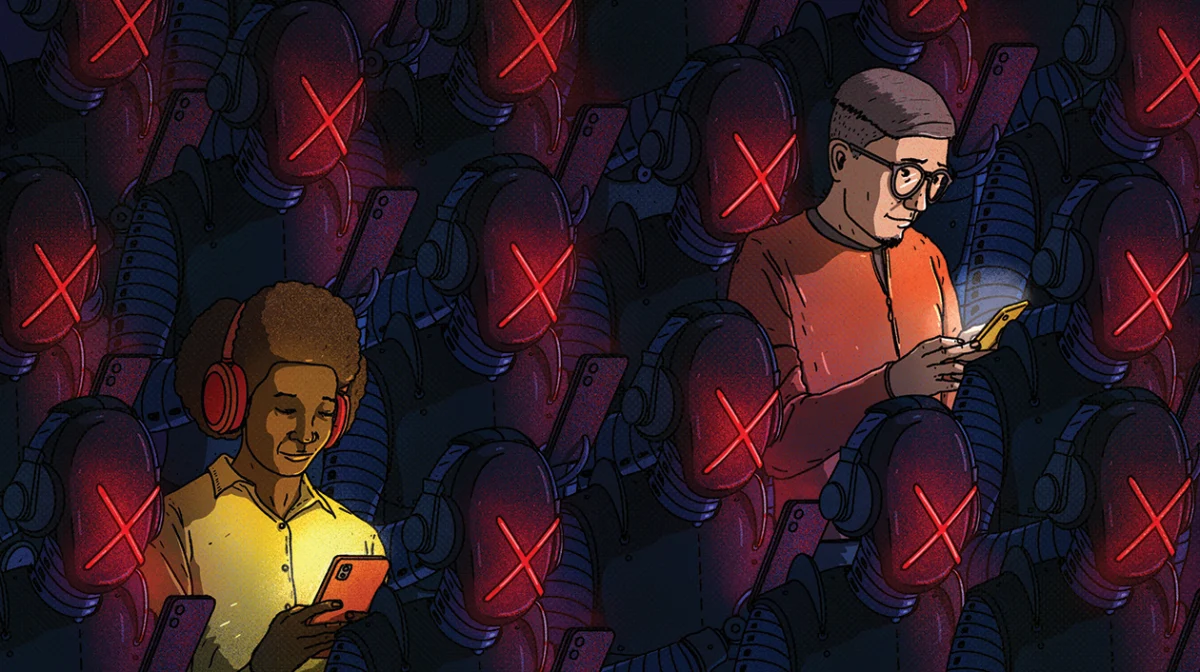
The advent and rapid advancement of generative AI music-making models have dramatically amplified the content mismatch problem, transforming it from a manageable headache into a critical industry-wide challenge. These AI tools can quickly produce vast quantities of music, often mimicking existing styles or even creating entirely new compositions with minimal human input. This ease of creation has unfortunately been leveraged by bad actors to flood streaming services with what Spotify refers to as "AI spam."
The ability to generate music at scale means that malicious uploaders can now:

- Mass Produce Content: Instead of individually creating tracks for spamming, AI can generate hundreds or thousands of pieces of music in a fraction of the time, dramatically increasing the volume of potential misattributed content.
- Automate Tagging: AI-driven processes can potentially automate the tagging of numerous popular artists, making these schemes more efficient and widespread.
- Mimic Styles: While not directly related to content mismatch, the ability of AI to generate music in the style of existing artists raises separate but related concerns about intellectual property and artist identity, further complicating the digital landscape.
The exponential increase in AI-generated content poses a significant threat not only to artists’ revenue streams but also to their brand identity and the overall quality of content on streaming platforms. It muddies the waters for listeners trying to discover authentic music and creates an unfair playing field where legitimate artists must contend with a deluge of potentially infringing or misleading content. The sheer volume of AI-generated tracks, often created with little regard for quality or artistic merit, risks overwhelming platform moderation systems and degrading the user experience.
Spotify’s Chronological Response and Policy Evolution
Spotify has been increasingly vocal about its commitment to addressing the challenges posed by AI in music, recognizing the urgent need for robust safeguards. The introduction of Artist Profile Protection is not an isolated measure but rather a continuation of a strategy that began to formalize in the fall of the previous year.
Fall 2025: Initial Policy Strengthening: In a significant announcement, Spotify declared strengthened policies aimed at protecting against AI spam. At that time, the company pledged to invest "more resources" into tackling the issue. Key commitments included:
- Reducing Review Wait Times: Recognizing the urgency of removing misattributed content, Spotify aimed to expedite the review process for reported incidents.
- Enabling Pre-Release Mismatch Reporting: A crucial step was allowing artists to report potential "mismatches" even before a track officially went live. This proactive approach aimed to prevent erroneous uploads from ever reaching public profiles, thus mitigating damage before it occurred.
These earlier policy updates laid the groundwork for the current feature, demonstrating Spotify’s understanding of the evolving threat landscape. The company acknowledged that the traditional reactive model of content moderation was insufficient to cope with the scale and speed of AI-generated spam. The move towards pre-release scrutiny marked a shift towards a more preventative posture, an essential evolution in platform governance.
March 2026: Artist Profile Protection Launch: The Tuesday, March 24, launch of Artist Profile Protection directly fulfills the commitment to proactive measures. By giving artists direct control over what appears on their profiles before release, Spotify empowers them to be the first line of defense. The unique artist code further refines this process. Trusted distribution partners, such as major labels or established independent distributors, can include this code at the point of delivery. This integration allows legitimate releases to bypass the manual review queue for the artist, ensuring that authentic music from verified sources continues to flow seamlessly to the platform while still offering a safeguard against unauthorized uploads. This two-pronged approach attempts to balance security with efficiency.
How Artist Profile Protection Works
The new feature operates on a principle of artist-centric control. When an eligible release is submitted to Spotify for an artist who has activated Artist Profile Protection, it does not automatically go live. Instead, the artist (or their designated team) receives a notification to review the submission. This review allows them to confirm whether the music is indeed their own and intended for their profile. Only after explicit approval will the track or album be published.

Spotify has been transparent about the target audience for this feature. In a blog post accompanying the announcement, the company stated that Artist Profile Protection "isn’t necessary for every artist, but could make sense if you’ve experienced repeated incorrect releases, have a common artist name, or want more control over what appears on your profile." This acknowledges that not all artists face the same level of risk, and the feature is best suited for those who require an additional layer of security.
Crucially, Spotify also highlighted the responsibility that comes with activating the feature: "It requires you to actively review releases before they go live, so [it] may delay or block your legitimate releases if you forget to take an action. It’s best for those who are comfortable very actively managing their catalog." This caveat is important, as it places the onus on the artist to remain vigilant and responsive. For artists with extensive catalogs or frequent releases, implementing efficient internal processes for review will be essential to avoid self-imposed delays.
Broader Industry Implications and Analysis
The introduction of Artist Profile Protection by a dominant player like Spotify is expected to have significant ripple effects across the digital music industry.
- Enhanced Artist Trust and Empowerment: By granting artists more direct control, Spotify fosters greater trust within the creative community. Artists gain peace of mind knowing they have a direct say in their public presence on the platform, mitigating anxieties around misattribution and unauthorized content. This empowerment could lead to increased loyalty and engagement from artists.
- Pressure on Other DSPs: Spotify’s move sets a new benchmark for artist protection. Competitor streaming services will likely face increased pressure from artists and industry stakeholders to implement similar or even more robust safeguards against content mismatch and AI spam. A unified industry approach would be ideal for comprehensive protection.
- Role of Distributors: The unique artist code is particularly significant for music distributors. It necessitates closer collaboration between artists, their management, and their chosen distribution partners to ensure the code is correctly applied for legitimate releases. This could lead to distributors enhancing their own verification processes and offering more sophisticated tools to their artist clients.
- Combating Platform Abuse: This feature is part of a larger, ongoing battle against platform abuse in the digital age. As technology evolves, so do the methods of exploitation. Spotify’s proactive stance demonstrates an understanding that platform integrity is paramount for long-term sustainability and healthy ecosystem development. This includes not just music, but any user-generated content platform grappling with AI-driven spam or misinformation.
- Economic Impact: Beyond brand protection, this feature directly impacts artist economics. By preventing unauthorized uploads from accruing royalties, it helps ensure that revenue flows to the rightful creators. The time saved by artists and their teams in disputing and removing incorrect content also translates into significant operational cost savings.
- Evolving AI Regulation and Ethics: While Artist Profile Protection addresses a symptom of AI misuse, it also highlights the broader need for clearer ethical guidelines and potentially regulatory frameworks around generative AI in creative industries. As AI tools become more sophisticated, the challenges of attribution, ownership, and authenticity will only grow. Spotify’s actions contribute to the industry-wide conversation about responsible AI development and deployment.
In conclusion, Spotify’s Artist Profile Protection is a timely and necessary response to a problem exacerbated by the rapid proliferation of generative AI. By placing control directly in the hands of artists and streamlining processes for trusted partners, the feature aims to create a more secure and authentic environment for music consumption. While requiring active management from participating artists, it represents a crucial step in the ongoing effort to protect creative integrity and ensure that the digital music landscape remains a fair and equitable space for all creators. The success of this feature will likely be measured not only by the reduction in content mismatch incidents but also by its ability to foster greater trust and collaboration across the entire music ecosystem.