Nana Wu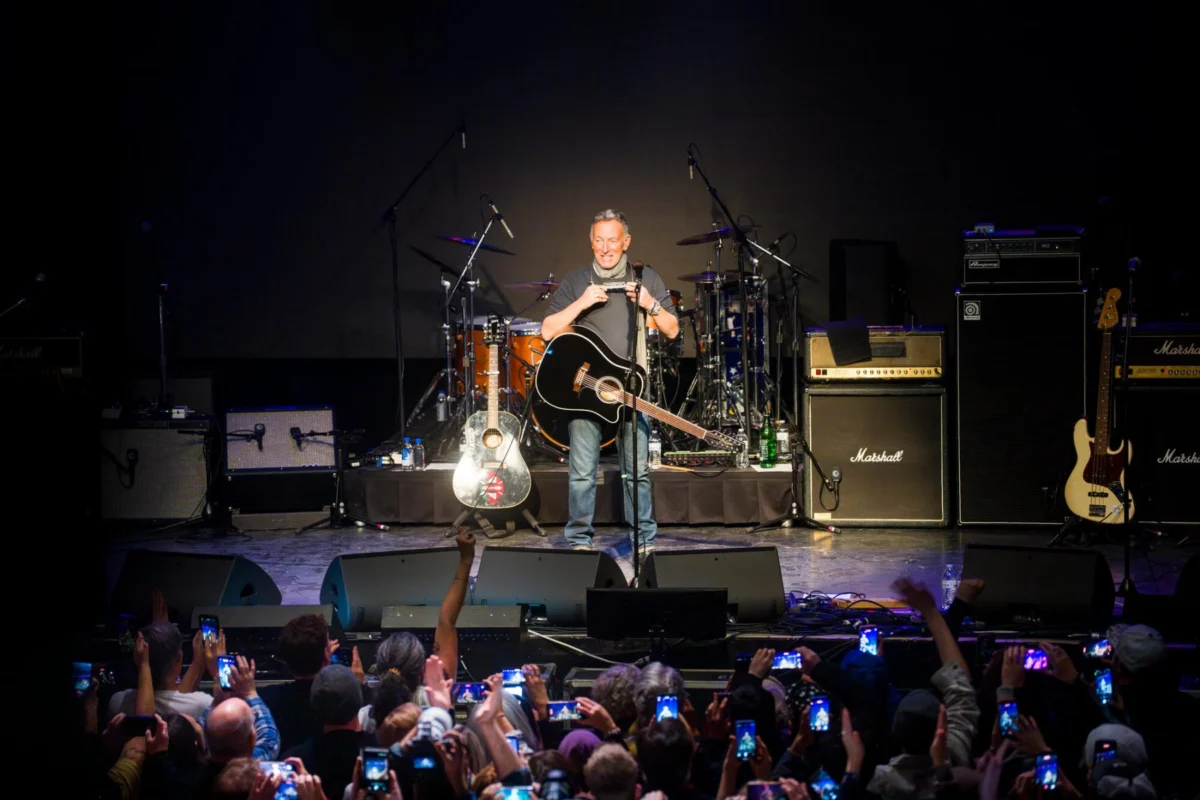
Bruce Springsteen, a towering figure in American rock music and a consistent voice of the working class, is set to deliver a politically charged performance of his anti-ICE protest anthem, “Streets of Minneapolis,” at the expansive No Kings rally on Saturday, March 28, 2026. The event, held at the Minnesota Capitol in St. Paul, will serve as a powerful prelude to Springsteen’s highly anticipated “Land of Hope and Dreams” tour, which commences just days later on Tuesday, March 31, at the Target Center in Minneapolis. This strategic timing underscores a deliberate and potent message from "The Boss," aligning his artistic platform directly with a burgeoning grassroots movement challenging the incumbent administration.
The rally is not merely a concert but a significant convergence of cultural and political power. Alongside Springsteen, the event will feature appearances from folk icon Joan Baez, known for her lifelong commitment to social justice and protest, and rising singer-songwriter Maggie Rogers, whose presence broadens the appeal to diverse generations. Adding further weight to the gathering are prominent political figures and activists, including Vermont Senator Bernie Sanders and acclaimed actress and long-time activist Jane Fonda. This formidable lineup signals a unified front against the policies and actions of the Trump administration, particularly its controversial approach to domestic security and immigration.
The Genesis of "Streets of Minneapolis": A Cry of Resistance
Springsteen’s decision to perform "Streets of Minneapolis" is deeply rooted in the song’s origin and the specific events it commemorates. The track, which he surprise-released in January, emerged as a stark and unsparing indictment of the Trump administration’s deployment of federal agents to Minneapolis. This "deadly incursion" into the city, as described by the artist, tragically resulted in the deaths of two American citizens: Renée Good, a 37-year-old mother of three, and Alex Pretti, also 37, an intensive care nurse. These incidents, which garnered widespread national attention and condemnation, fueled the song’s raw and impassioned narrative.
The deployment of Immigration and Customs Enforcement (ICE) and Department of Homeland Security (DHS) personnel to Minneapolis earlier that year had drawn severe criticism from state and local officials, including Minnesota’s governor and the Mayor of Minneapolis. These officials had publicly opposed the federal presence, viewing it as an overreach of power and an unnecessary escalation that destabilized community relations. The subsequent deaths of Good and Pretti intensified public outrage, transforming Minneapolis into a focal point of national debate over federal authority, civil liberties, and the use of force in domestic operations. Springsteen, known for his ability to channel collective angst and aspiration into song, captured this moment of crisis, giving voice to the anguish and defiance felt by many. His swift artistic response reaffirmed his role as a chronicler of American struggles and a champion of the marginalized.
The No Kings Movement: A Nation Mobilized
The No Kings rally in St. Paul is the third in a series of increasingly larger protests, representing a significant escalation of public dissent against the Trump administration. The movement, which takes its name from a defiant rejection of perceived autocratic tendencies, has rapidly gained traction across the United States. Organizers, anticipating an unprecedented turnout, expect more than 80,000 people to converge on the Minnesota Capitol, transforming the state capital into a vibrant epicenter of political activism.
Beyond Minnesota, the No Kings movement has galvanized widespread participation, with TIME magazine reporting that over 3,000 nationwide protests are planned for March 28. This coordinated national effort holds the potential to mark the largest single day of domestic protest in U.S. history, signaling a profound shift in the political landscape and a potent expression of collective discontent. The backdrop to these protests is a nation grappling with a confluence of severe challenges: a "grinding air war against Iran" contributing to geopolitical instability, sky-high gasoline prices burdening ordinary citizens, historically low approval ratings for President Trump, and unprecedentedly long lines at airports amidst a prolonged government shutdown. These compounding crises have fueled a pervasive sense of frustration and urgency, providing fertile ground for movements like No Kings to flourish and mobilize broad segments of the populace. The rally, therefore, transcends a local protest; it is a microcosm of a national yearning for change and accountability.
Springsteen’s Art as Activism: Meeting the Moment
In a recent interview with the Minnesota Star Tribune, Springsteen articulated his motivation for participating in the rally, stating, "You want to try to meet the moment. The No Kings movement is of great import right now. When you have the opportunity to sing something where the timing is essential and if you have something powerful to sing, it elevates the moment, it elevates your job to another level. And I’m always in search of that." This statement encapsulates his enduring philosophy of using his art as a vehicle for social commentary and change, particularly during times of national crisis.
His decision to launch the "Land of Hope and Dreams" tour in Minneapolis, immediately after his performance at the rally, is a carefully calculated and "pointed rejoinder" to the Trump administration. It transforms his tour kickoff from a mere musical event into a powerful political statement, reinforcing his solidarity with the local community that bore the brunt of federal actions. Historically, Springsteen has often used his stage to reflect and challenge American societal issues, from the struggles of the working class in "Born in the U.S.A." to the post-9/11 reflections in "The Rising." His commitment to Minneapolis, both through his song and his tour itinerary, aligns him firmly with the resistance movement, leveraging his immense cultural influence to amplify its message. This strategic choice not only maximizes the impact of his performance but also sets the tone for his entire tour, framing it as a journey through a nation grappling with its identity and future.
A Pantheon of Activists: Amplifying the Message

The presence of other distinguished figures at the No Kings rally significantly enhances its reach and symbolic weight. Joan Baez, a legendary figure in American folk music and a stalwart of the civil rights movement, brings decades of unwavering commitment to nonviolent protest and social change. Her participation connects the current wave of activism to a rich history of American dissent, drawing parallels between past struggles for justice and contemporary challenges. Baez’s iconic status lends historical gravitas to the No Kings movement, reminding attendees and observers of the long arc of moral progress and the enduring power of collective action.
Maggie Rogers, a critically acclaimed artist who has rapidly risen to prominence, represents a newer generation of musicians engaging with political issues. Her presence helps to bridge generational divides, attracting younger audiences who might not be as familiar with the legacy artists but are equally passionate about social and political causes. Rogers’ involvement signifies that the call for change resonates across different musical genres and demographic groups, illustrating the broad appeal and urgency of the No Kings message.
Senator Bernie Sanders, a consistent voice for progressive policies and social equity, adds a crucial political dimension to the rally. His presence underscores the deep political fissures in the country and signals the ongoing struggle for the nation’s ideological direction. Sanders’ participation not only energizes his base but also provides a direct link between grassroots activism and the broader political landscape, highlighting the intersection of popular movements and electoral politics. Similarly, Jane Fonda, a veteran actress and activist whose commitment to various causes spans decades, further reinforces the intergenerational appeal and sustained nature of American activism. Her long history of advocacy, from anti-war protests to environmentalism, lends an enduring credibility to the rally’s message, showcasing a continuity of commitment to social justice. The combined presence of these figures transforms the rally into a multifaceted expression of dissent, drawing strength from diverse backgrounds and united by a common purpose.
Logistics, Security, and Broader Implications
The scale of the planned protest, with 80,000 people expected at the Minnesota Capitol and 3,000 associated events nationwide, presents significant logistical and security challenges. Local authorities, in coordination with state agencies, are implementing comprehensive plans to manage crowd control, ensure public safety, and facilitate the peaceful expression of dissent. The high-profile nature of the attendees, particularly political figures like Senator Sanders, necessitates enhanced security measures to prevent any disruptions and safeguard participants. Organizers of the No Kings movement have emphasized their commitment to nonviolent protest, advocating for a peaceful and orderly demonstration that amplifies their message without resorting to confrontation.
The potential for March 28, 2026, to become the largest day of domestic protest in U.S. history carries profound implications. Such a monumental display of public sentiment could significantly impact the national political discourse, potentially swaying public opinion, influencing future policy decisions, and even shaping the trajectory of upcoming elections. The collective voice of thousands, amplified by the participation of influential artists and political figures, serves as a powerful testament to the democratic right to protest and the enduring capacity of citizens to demand accountability from their leaders.
Lyrical Resonance: Deconstructing "Streets of Minneapolis"
Springsteen’s “Streets of Minneapolis” is more than just a protest song; it is a narrative account and a poignant lament. The quoted lyrics vividly paint a picture of the targeted events: "Through the winter’s ice and cold/ Down Nicollet Avenue/ A city aflame fought fire and ice/ ‘Neath an occupier’s boots/ King Trump’s private army from the DHS/ Guns belted to their coats/ Came to Minneapolis to enforce the law/ Or so their story goes."
The imagery of "winter’s ice and cold" juxtaposed with "a city aflame" powerfully conveys the dual hardships faced by Minneapolis—the literal cold of winter and the metaphorical fire of political unrest and tragedy. "Nicollet Avenue" grounds the narrative in a specific, recognizable location, making the events tangible and immediate. The phrase "‘Neath an occupier’s boots" is a direct challenge to the federal presence, framing it not as assistance but as an imposition, a hostile takeover of local autonomy. The most searing line, "King Trump’s private army from the DHS," directly attributes responsibility to the President, implying an abuse of executive power and a disregard for democratic norms. The final, cynical flourish, "Came to Minneapolis to enforce the law/ Or so their story goes," casts doubt on the official narrative, suggesting a deeper, more sinister agenda behind the federal deployment. This lyrical craftsmanship transforms a specific incident into a broader critique of governance, power, and justice, resonating deeply with those who feel unheard and disenfranchised.
Building Momentum: Prior Engagements
The St. Paul rally is not an isolated event but rather the culmination of a deliberate series of engagements by Springsteen and other activists. Just earlier this week, Springsteen made a surprise appearance at Manhattan’s historic Riverside Church for Democracy Now!’s 30th anniversary event. There, he performed “Streets of Minneapolis” to a captivated audience, providing an early glimpse of the song’s live impact. The event also saw him join forces with punk poet laureate Patti Smith and R.E.M. frontman Michael Stipe to deliver a powerful rendition of Smith’s iconic anthem, “People Have the Power.” This collaborative performance, featuring three generations of influential musicians, served as a potent symbol of unity and collective strength, emphasizing the enduring message that ordinary citizens possess the agency to effect change. This appearance at a long-standing progressive media institution underscored Springsteen’s consistent alignment with independent journalism and grassroots advocacy, building palpable momentum for the upcoming No Kings rally and his subsequent tour.
Conclusion: A Defining Moment
The No Kings rally in St. Paul, Minnesota, on March 28, 2026, featuring Bruce Springsteen, Joan Baez, Maggie Rogers, Senator Bernie Sanders, and Jane Fonda, is poised to be a defining moment in contemporary American political activism. It represents a potent confluence of artistic expression, political dissent, and grassroots mobilization, all set against a backdrop of significant national challenges. Springsteen’s performance of "Streets of Minneapolis" will serve as a powerful artistic response to specific federal actions, while the collective presence of such diverse and influential figures will amplify the No Kings movement’s broader critique of the administration. As thousands gather in Minnesota and millions observe nationwide, the event will underscore the vital role of public protest in a democratic society, demonstrating the enduring power of music and collective action to challenge authority and advocate for a more just and equitable future. The eyes of the nation will undoubtedly be fixed on Minnesota, watching as history unfolds.