Kholidah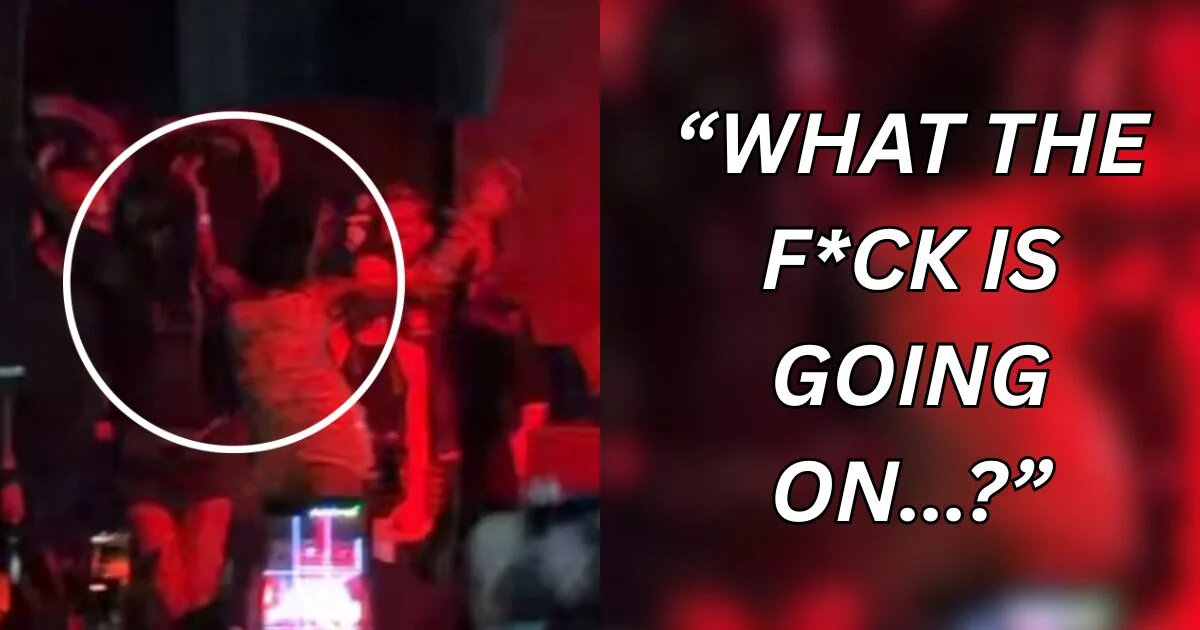
The global music landscape, particularly the intersection of Western pop and K-pop influences, has long been a space where performance art and personal identity overlap, often leading to intense public scrutiny of artist behavior. Recently, Lara Raj and Megan Skiendiel, two prominent members of the multinational girl group KATSEYE, have found themselves at the center of a growing social media controversy. Following a series of high-profile appearances at the Lollapalooza festival circuit, the duo has faced allegations of "queerbaiting"—a term used to describe the practice of hinting at same-sex romance to attract an LGBTQ+ audience without ever intending to depict a genuine relationship. These allegations emerged after footage of the two dancing together at an after-party went viral, compounded by their recent provocative stage choreography during the group’s official sets.
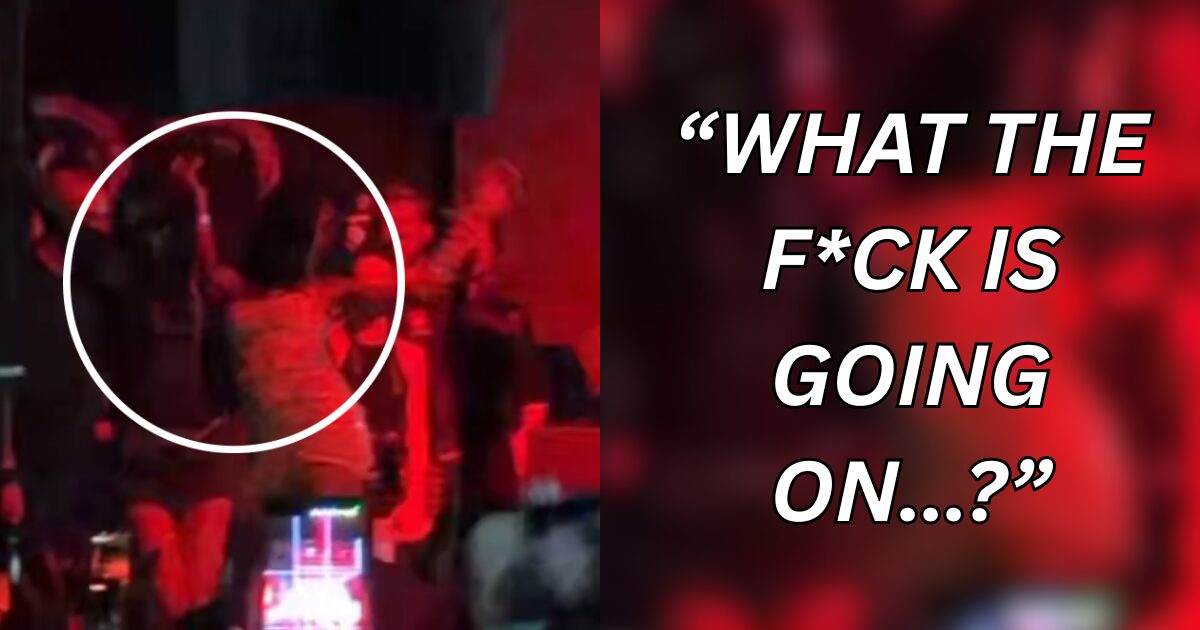
The controversy reached a peak following the Lollapalooza festival events in late March 2026. KATSEYE, the product of a high-stakes collaboration between HYBE and Geffen Records, has been performing across various international stages to promote their latest discography. During the Lollapalooza festivities, the members attended an after-party hosted by the world-renowned DJ and producer Peggy Gou. Footage captured at the "Zig Lolla" after-party showed Lara and Megan dancing in a close, suggestive manner, with one particular clip showing Megan grinding on Lara while the two laughed and enjoyed the music. The video quickly proliferated across platforms like X (formerly Twitter) and TikTok, garnering millions of views within hours. While many fans initially celebrated the visible chemistry and friendship between the two members, a vocal segment of the online community began to question the intent behind these interactions.
The Chronology of Performance and Controversy
The allegations did not arise in a vacuum but were preceded by a series of performances that had already set a precedent for the duo’s public image. Earlier in the month, during KATSEYE’s performance at Lollapalooza Brazil, Lara and Megan participated in a "sexy outro" for their song "M.I.A." The choreography involved intimate physical contact and suggestive movements that deviated from the more traditional, synchronized routines typically associated with K-pop-influenced groups. This performance was the first instance where critics began to link their on-stage behavior to their off-stage lives.
The timeline of the current controversy began on March 23, 2026, when the first high-angle videos of the Peggy Gou after-party were uploaded by attendees. By March 24, more detailed clips emerged, including the footage of the grinding that became the primary catalyst for the "queerbaiting" discourse. By March 25, the conversation had shifted from casual fan appreciation to a heated debate regarding the ethics of using queer-coded behavior for marketing or engagement purposes, especially when the individuals involved are perceived to be heterosexual.
Defining the Allegations: The Queerbaiting Discourse
At the heart of the criticism is the assertion that Lara and Megan are engaging in "queerbaiting." In the context of the music industry, this often involves female artists performing "sapphic" or queer-coded interactions to generate viral moments or appeal to the LGBTQ+ demographic. The backlash against the KATSEYE members is specifically rooted in the public knowledge of their personal lives. Both Lara and Megan have been linked to or are publicly dating men, a fact that critics point to as evidence that their intimate interactions are a calculated performance rather than an authentic expression of their identities.
One social media user noted, "They both have boyfriends at home; they need to stop queerbaiting." Another critic argued that the duo "turned up the queerbaiting" because they felt the group was in a period of stagnant growth, suggesting that the behavior was a strategic move to regain cultural relevance. This sentiment reflects a broader frustration within the LGBTQ+ community regarding the perceived commodification of queer identity by heterosexual performers. The argument posits that when non-queer artists use these tropes, they are profiting from a culture they do not belong to, while actual queer individuals still face systemic discrimination for the same behaviors.
The Defense: Normalizing Female Friendship and Club Culture
In contrast to the allegations of queerbaiting, a significant portion of the KATSEYE fandom, known as "EYEKONS," has come to the defense of the idols. These supporters argue that the behavior seen at the Peggy Gou after-party is a common and normalized aspect of female friendship, particularly within club environments and Western social settings. Defenders of the duo emphasize that dancing closely with friends does not inherently carry romantic or sexual intent, and to label it as queerbaiting is an over-reach of social media activism.
"Some of y’all have never been to a club with your friends before," one fan remarked, highlighting the disconnect between online discourse and real-world social interactions. Other supporters pointed out the double standard often applied to female idols, where their every move is scrutinized for hidden meaning. They argue that Lara and Megan, who have lived and worked in Western environments, are simply expressing themselves in a way that is consistent with their age and social context. Furthermore, defenders suggest that the assumption that a woman cannot dance suggestively with a female friend if she has a boyfriend is a regressive viewpoint that limits personal agency.
KATSEYE’s Position in the HYBE x Geffen Ecosystem
To understand the weight of these allegations, it is necessary to examine KATSEYE’s unique position in the music industry. Formed through the survival show The Debut: Dream Academy, KATSEYE was designed to be a "global" girl group, blending the rigorous training and aesthetic precision of the K-pop system with the individualistic and boundary-pushing nature of Western pop. Lara, an Indian-American, and Megan, who is of Chinese-American descent, represent the group’s multicultural and Western-centric appeal.

Because KATSEYE is marketed to a global audience, they are often encouraged to adopt a more mature and provocative image than traditional K-pop groups. This marketing strategy, while successful in gaining traction in Western markets, often creates a friction point with the more conservative aspects of idol culture. The "queerbaiting" allegations are a symptom of this friction, as the group navigates the expectations of different fanbases with varying cultural norms. For a group managed by a joint venture between a Korean powerhouse (HYBE) and an American titan (Geffen), the balance between "fan service" and "authentic expression" is a constant tightrope walk.
Broader Implications and the Future of Idol Interactions
The controversy surrounding Lara and Megan highlights an evolving challenge for the entertainment industry: the rising literacy of audiences regarding social issues. Fans are no longer just passive consumers of content; they are active critics who analyze the socio-political implications of an artist’s brand. The queerbaiting debate suggests that as the industry moves toward more inclusive representation, the bar for authenticity has been raised.
While neither HYBE nor Geffen Records has issued an official statement regarding the specific after-party footage, the group’s management has historically maintained a policy of focusing on professional activities while allowing members a degree of freedom in their personal social interactions. However, the intensity of the current backlash may prompt a reevaluation of how "fan service" is integrated into live performances and public appearances.
For KATSEYE, the path forward involves balancing their high-energy, provocative performance style with a clear understanding of their audience’s sensitivities. Whether the recent events will lead to a shift in their choreography or public persona remains to be seen. What is clear, however, is that the conversation around Lara and Megan has transcended simple "shipping" culture and entered the realm of serious cultural critique, reflecting the complex dynamics of modern stardom.
As of late March 2026, KATSEYE continues their promotional tour, with upcoming dates in Europe and North America. Industry analysts suggest that while the current controversy is significant in digital circles, it is unlikely to derail the group’s upward trajectory. Instead, it serves as a case study in the complexities of global idol management in an era where the lines between performance, friendship, and identity are increasingly blurred by the digital lens. The debate over Lara and Megan’s behavior at the Lollapalooza after-party remains a polarized issue, serving as a reminder that in the world of global pop, every dance move is a potential statement, and every statement is subject to the judgment of a global jury.


![Sijya announces Leather and Brass [Retrofitted] EP, shares Do I Know [Rachika Nayar Edit]: Listen](https://empire-music.net/wp-content/uploads/2026/09/sijya-announces-leather-and-brass-retrofitted-ep-shares-do-i-know-rachika-nayar-edit-listen.webp)