Aveline Kirana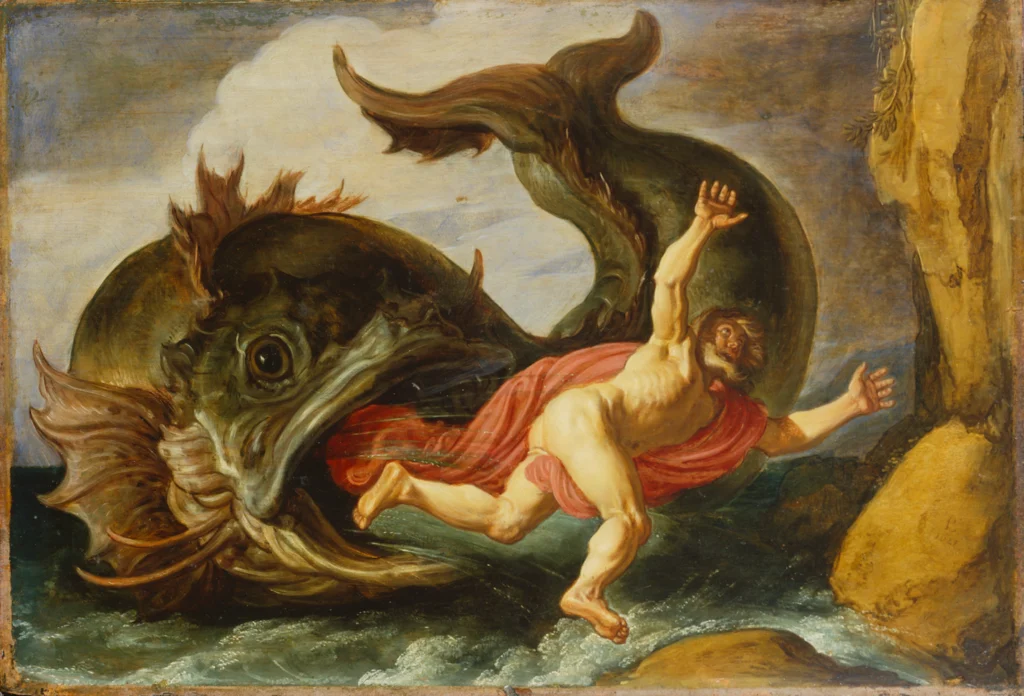
A significant cultural event is set to grace stages across the United Kingdom in the summer of 2026, as Hera, Mahogany Opera, and Dunedin Consort collaborate to present "In the Belly of the Beast." This ambitious staged production will bring to life three rarely heard Biblical cantatas by the celebrated French Baroque composer Elisabeth Jacquet de la Guerre, offering a fresh perspective on these powerful works. The tour, running from June 19 to July 4, 2026, promises to be a pivotal moment in the revival of Jacquet de la Guerre’s music, which has historically been underrepresented in major performance contexts.
The production features a stellar cast led by acclaimed soprano Carolyn Sampson, a renowned interpreter of Baroque repertoire. She will be joined by Portuguese soprano Mariana Rodrigues, whose casting highlights a commitment to discovering and nurturing emerging talent, having been selected through a nationwide open call. Providing the musical bedrock for this exploration of Jacquet de la Guerre’s genius will be the highly regarded Dunedin Consort, a period-instrument ensemble celebrated for its insightful performances and scholarly approach.
Behind the scenes, the artistic vision is helmed by director Jennifer Fletcher, who is known for her innovative and engaging theatrical interpretations. The visual landscape of the production will be crafted by Ben Moon, responsible for the evocative lighting and projection design, and Ingrid Hu, who will create the distinctive set and costume designs. This multidisciplinary team is poised to translate the dramatic and spiritual depth of Jacquet de la Guerre’s music into a compelling visual and sonic experience.
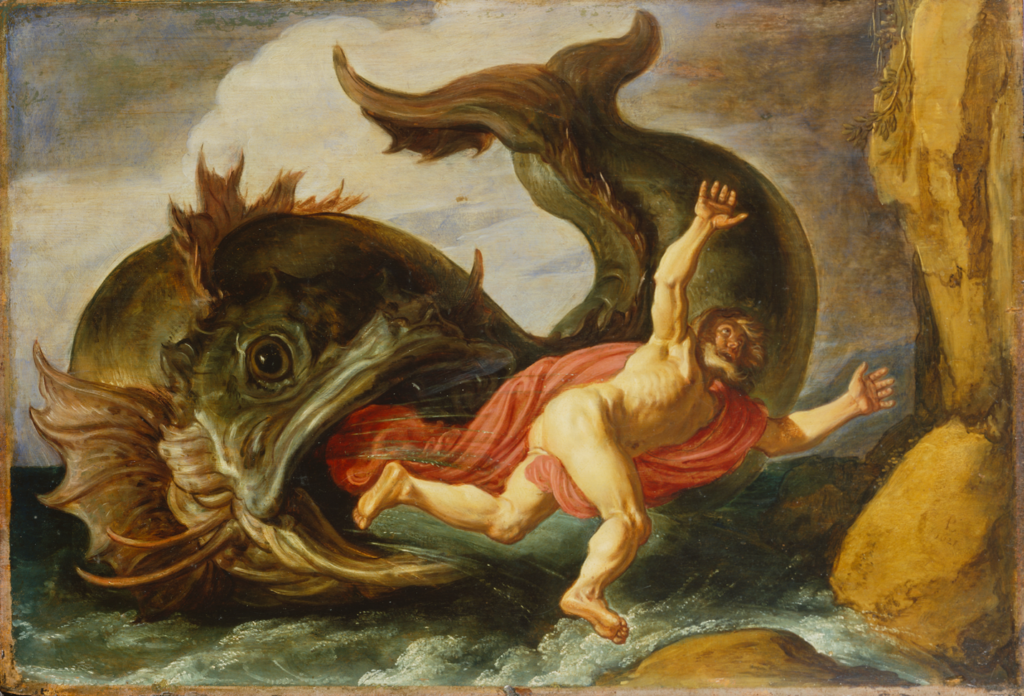
A key element of the production is a newly commissioned English libretto, penned by Toria Banks, co-director of Hera. This contemporary adaptation aims to move beyond the literal interpretations of the Biblical narratives, which have traditionally been employed to underscore themes of obedience and patriarchal authority. Instead, "In the Belly of the Beast" reframes these stories as profound explorations of individuals confronting and navigating the often arbitrary and overwhelming nature of power. The choice to present these cantatas, first published in 1708 and 1711, in their first major staged revival in centuries, underscores the significance of this undertaking.
A Deep Dive into Jacquet de la Guerre and Her Cantatas
Elisabeth Jacquet de la Guerre (1665-1729) was an extraordinary figure in French musical history. A child prodigy, she gained renown during her lifetime as a harpsichordist, improviser, and composer. She was a favorite of Louis XIV, performing regularly at court and holding her own salons. Despite her considerable talent and prolific output, her works, particularly her vocal compositions, have seen limited circulation and performance in modern times. This tour represents a crucial opportunity to reintroduce her voice and her compositional mastery to a wider audience.
The three cantatas featured in "In the Belly of the Beast" are drawn from her collections published in the early 18th century. These works, often based on Old Testament narratives, offer a rich tapestry of musical and dramatic expression. Jacquet de la Guerre’s style is characterized by its sophisticated melodic writing, intricate harmonies, and a profound understanding of textual setting. Her ability to convey complex human emotions through music was exceptional, and this production aims to illuminate these qualities.
The decision to create a new English libretto is a deliberate artistic choice. By translating and reinterpreting the original French texts, the creative team seeks to make the theological and emotional nuances of the cantatas accessible to a contemporary audience. This approach allows for a dialogue between the historical context of the works and the lived experiences of modern listeners, encouraging reflection on timeless themes of faith, doubt, power, and resilience.
A Carefully Curated UK Tour
The "In the Belly of the Beast" tour has been meticulously planned to reach a diverse range of cultural hubs across the United Kingdom. The itinerary reflects a commitment to both established festival circuits and regional arts venues, ensuring broad accessibility.
The tour commences on June 19, 2026, at Edinburgh’s Assembly Roxy, a venue known for its vibrant contemporary arts programming. Following this, the production travels south to the prestigious Britten Studio at Snape Maltings on June 25, where it will be presented as part of the renowned Aldeburgh Festival, a testament to the production’s artistic merit.
The metropolitan heart of London will host the cantatas on June 27 at Metronome London, a key venue within the esteemed Spitalfields Festival, celebrated for its innovative programming of classical and contemporary music. The tour then continues its journey through Scotland with performances at Perth Theatre on July 2, and Stevenson Hall at the Royal Conservatoire of Scotland in Glasgow on July 3. The tour concludes on July 4 at the Rosehill Theatre in Whitehaven, bringing this significant artistic endeavor to the northwest of England.
This carefully selected route ensures that audiences across different regions of the UK will have the opportunity to experience this groundbreaking production. The duration of each performance is approximately 60 minutes, making it an accessible and engaging program for a wide range of theatergoers. To further enhance accessibility, the production will include English captioning, allowing for a more inclusive experience.
Background and Context: The Significance of a Staged Revival
The decision to stage these cantatas is not merely an artistic flourish; it is a significant act of cultural reclamation. While Jacquet de la Guerre’s instrumental works, such as her keyboard suites, have seen a steady revival and are now staples in the Baroque repertoire, her vocal music has remained relatively obscure. This is partly due to the historical performance practices associated with Baroque vocal music, which often favored concert performances over fully staged productions.
However, the increasing interest in exploring and revitalizing neglected repertoire, particularly by female composers, has created a fertile ground for productions like "In the Belly of the Beast." The collaborative effort between Hera, Mahogany Opera, and Dunedin Consort signifies a unified commitment to rectifying this historical oversight. Mahogany Opera, in particular, has a track record of championing diverse voices and innovative opera, making them an ideal partner for this project. Hera, with its focus on new libretti and contemporary interpretations, brings a crucial element of theatrical relevance. Dunedin Consort’s expertise in historical performance practices ensures an authentic and deeply resonant musical foundation.
The choice of Biblical cantatas for this revival is also noteworthy. These works were often intended for private devotion or smaller, more intimate performances. By presenting them in a staged format, the production elevates them to a new level of dramatic and intellectual engagement. The themes of divine justice, human fallibility, and the struggle for faith are universal and timeless, and the Baroque musical language employed by Jacquet de la Guerre offers a unique and powerful vehicle for their exploration.
Potential Reactions and Broader Impact
The announcement of this tour has already generated considerable interest within the early music and opera communities. Musicologists and historians are likely to welcome the opportunity to hear these rarely performed works in a context that illuminates their dramatic potential. Soprano Carolyn Sampson’s involvement lends significant gravitas to the production, and her performances are consistently met with critical acclaim. The discovery of Mariana Rodrigues through an open call is also a positive indicator of the production’s commitment to inclusivity and talent development.
For audiences, "In the Belly of the Beast" offers a unique opportunity to engage with a composer whose genius has been largely overlooked. The prospect of experiencing Jacquet de la Guerre’s music in a fully staged production, with a contemporary libretto and the interpretive power of Dunedin Consort, is a compelling draw. The 60-minute duration and English captioning suggest a program designed for both seasoned opera enthusiasts and those new to Baroque music, aiming to demystify and engage.
The success of this tour could have significant implications for the future of Baroque vocal repertoire. By demonstrating the theatrical viability and audience appeal of Jacquet de la Guerre’s cantatas, it may inspire other companies to program her works and encourage further research and scholarship into her oeuvre. Furthermore, the production’s reframing of traditional Biblical narratives as explorations of power dynamics speaks to contemporary concerns, potentially resonating with a broad spectrum of audiences and sparking important conversations about faith, authority, and individual agency.
The collaborative nature of this production, bringing together three distinct but complementary organizations, also serves as a model for future artistic endeavors. It highlights the power of partnership in achieving ambitious artistic goals and in championing underrepresented voices within the classical music landscape. As the UK prepares for this significant cultural event in 2026, "In the Belly of the Beast" stands poised to illuminate the brilliance of Elisabeth Jacquet de la Guerre and offer a thought-provoking theatrical experience that resonates long after the final note has faded.