 Jia Lissa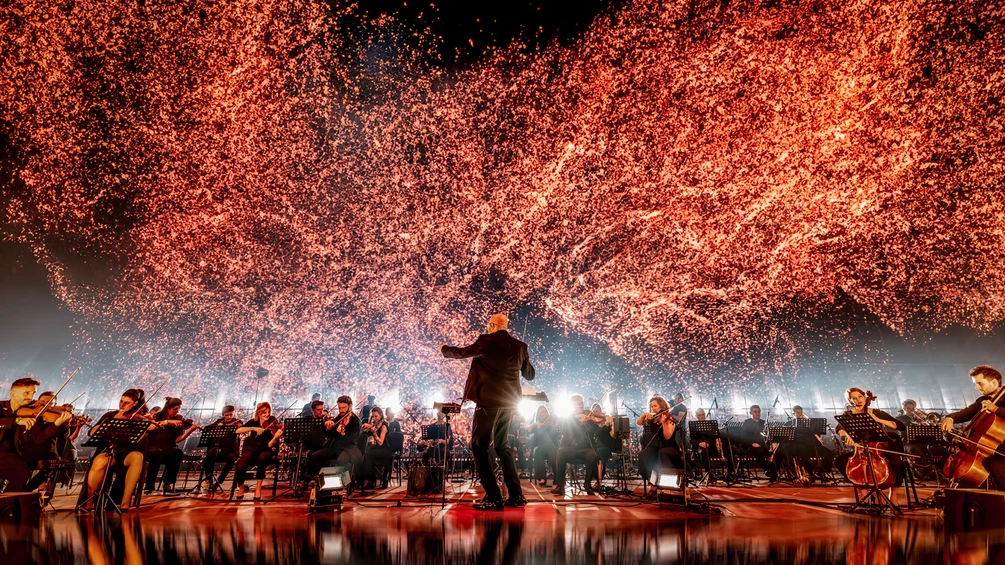
Tomorrowland’s acclaimed Symphony of Unity orchestra has officially unveiled details for their highly anticipated debut album, titled ‘Orchestral Selection I’. The album, comprising 10 meticulously crafted tracks, is slated for release this Friday, April 3rd, marking a significant milestone in the fusion of electronic dance music (EDM) and classical orchestration. This inaugural recording captures the essence of the orchestra’s celebrated live performances at the iconic Belgian festival over the past several years, translating the electrifying energy of the mainstage into a symphonic masterpiece.
The album features a curated selection of Tomorrowland anthems, reimagined with the grandeur and emotional depth only a full orchestra can provide. Among the standout reworks are Faithless’ seminal trance classic ‘Insomnia’, Push’s iconic ‘Universal Nation’, Alesso’s progressive house hit ‘Years’, Kölsh’s atmospheric techno track ‘Grey’, and the collaborative mainstage powerhouse ‘Reload’ by Sebastian Ingrosso, Tommy Trash, and John Martin. These selections represent a diverse spectrum of electronic music genres that have defined Tomorrowland’s soundscape, promising a nostalgic yet fresh auditory experience for fans worldwide.
The Genesis of Symphony of Unity: A Decade of Innovation
The Symphony of Unity orchestra is not a new concept to the devoted attendees of Tomorrowland. Its origins trace back to 2015, when Tomorrowland, renowned for its immersive storytelling and elaborate stage designs, sought to elevate its musical offerings beyond traditional DJ sets. The festival’s organizers, keen on providing unique and unforgettable experiences, introduced the Symphony of Unity as a groundbreaking initiative to bridge the gap between classical music and electronic dance culture.
Initially conceived as a special performance segment, the orchestra quickly became a cherished fixture, captivating audiences with its ability to transform familiar electronic tracks into soaring symphonic pieces. Their performances typically take place on one of Tomorrowland’s more conceptual stages, offering a momentary respite from the relentless basslines and beats, allowing attendees to experience their favorite anthems in a profoundly different, often more emotional, context. The orchestra’s presence underscores Tomorrowland’s commitment to artistic diversity and its role as a pioneer in live music entertainment. Each year, the orchestra meticulously selects and arranges tracks, ensuring that the integrity of the original compositions is respected while infusing them with new orchestral textures and dynamics. This delicate balance has been key to their widespread appeal, drawing in both seasoned classical music aficionados and hardcore EDM fans.
A Conductor’s Vision: Breathing New Life into Classics
Kevin Houben, the esteemed conductor of the Symphony of Unity, shared insights into the creative process and the profound artistic intent behind ‘Orchestral Selection I’. "Recording this album with the Symphony of Unity has been an incredible journey," Houben stated. "By adding a breathing, cinematic orchestral layer, the music gains a new emotional depth while bringing these legendary tracks into the world of a full orchestra."
Houben’s statement highlights the core philosophy of the project: to not merely cover but to enrich and expand upon the original works. The "cinematic orchestral layer" refers to the intricate arrangements that incorporate a wide array of classical instruments—strings, brass, woodwinds, and percussion—to evoke a sense of grandeur and narrative often associated with film scores. This approach allows the inherent melodic and harmonic qualities of electronic tracks, sometimes overshadowed by rhythmic intensity in their original form, to truly shine.
He further elaborated on the broader significance of the album: "This album celebrates the music itself, the friendships within the orchestra and the team behind it, and the shared passion that allows these iconic tracks to be experienced in a completely new way." This sentiment speaks to the collaborative spirit inherent in such a large-scale musical endeavor, emphasizing the human element behind the elaborate production. It also underlines the orchestra’s mission to offer a fresh perspective on beloved tracks, inviting listeners to rediscover the emotional core of these electronic masterpieces. The meticulous attention to detail in re-scoring and arranging each track ensures that the orchestral versions resonate deeply, whether one is familiar with the originals or experiencing them for the first time in this new format.
The Tracklist: A Curated Journey Through Tomorrowland Anthems
The selection of tracks for ‘Orchestral Selection I’ is a testament to the enduring impact of specific electronic music pieces on the global dance music scene and, more specifically, on the legacy of Tomorrowland. Each track chosen holds a special place in the festival’s history and the hearts of its attendees.
- Faithless – ‘Insomnia’: Released in 1995, ‘Insomnia’ remains one of the most iconic trance anthems of all time. Its melancholic synth lines, driving beat, and Maxi Jazz’s distinctive vocals encapsulate the introspective yet energetic spirit of early trance. An orchestral rendition promises to amplify its emotional weight, turning its repetitive hooks into a soaring symphonic narrative.
- Push – ‘Universal Nation’: A cornerstone of Belgian trance from 1999, ‘Universal Nation’ by M.I.K.E. Push is celebrated for its powerful build-ups and euphoric melodies. The orchestral version is expected to magnify its epic scope, transforming its signature synth riffs into a majestic interplay of strings and brass.
- Alesso – ‘Years’ (feat. Matthew Koma): A more contemporary progressive house anthem from 2012, ‘Years’ is known for its uplifting melody, energetic drops, and infectious vocal performance. The orchestra’s take on this track, as evidenced by the recently released symphonic version available for listening, showcases how modern electronic production can be seamlessly translated into a rich, dynamic orchestral arrangement, retaining its anthemic quality while adding layers of classical complexity.
- Kölsch – ‘Grey’: Representing the deeper, more introspective side of electronic music, ‘Grey’ by the Danish DJ and producer Kölsch (Rune Reilly Kølsch) is a masterclass in atmospheric techno, characterized by its hypnotic grooves and evolving melodic motifs. An orchestral adaptation would likely focus on building tension and release through dynamic changes and intricate instrumental textures, highlighting its cinematic qualities.
- Sebastian Ingrosso, Tommy Trash & John Martin – ‘Reload’: A colossal progressive house track from 2013, ‘Reload’ is synonymous with mainstage euphoria. Its explosive drops and powerful vocal hooks make it a festival staple. The orchestral rendition will undoubtedly aim to recreate its impactful energy through powerful brass sections and sweeping string arrangements, delivering a grand, celebratory sound.
This thoughtful selection not only pays homage to the original artists but also demonstrates the versatility of the orchestral format in interpreting diverse electronic genres, from trance and techno to progressive house.
The Broader Context: Orchestral Electronic Crossovers
The release of ‘Orchestral Selection I’ by Tomorrowland’s Symphony of Unity is part of a growing global trend that sees classical orchestras embracing electronic music. This phenomenon has gained considerable traction over the past decade, driven by a desire to introduce electronic music to new audiences and to present classical music in innovative, contemporary settings.
Pioneering acts like Pete Tong’s ‘Ibiza Classics’ have successfully toured the world, performing iconic dance anthems with full orchestras, proving the immense appeal of this crossover genre. Similarly, initiatives like the Ministry of Sound Classical series in the UK, and various symphony orchestras globally performing tributes to EDM artists, highlight a burgeoning market for these unique sonic experiences. The appeal lies in the unexpected synergy: the emotional resonance and intricate harmonies of classical music amplify the often-simplistic but powerful melodies of electronic tracks, while the energy and familiarity of dance music make orchestral performances more accessible and exciting to a younger demographic.
This trend is not merely a novelty; it represents a significant artistic movement that challenges traditional genre boundaries and expands the definition of both classical and electronic music. It fosters collaboration between musicians from different backgrounds, leading to fresh interpretations and innovative performance styles. For festivals like Tomorrowland, incorporating such an element adds another layer of sophistication and artistic depth to their already diverse programming, reinforcing their position as cultural innovators rather than just party organizers.
Tomorrowland’s Brand: Innovation and Immersive Experiences
Tomorrowland, established in 2005, has evolved from a local Belgian festival into a global phenomenon, attracting hundreds of thousands of attendees annually from over 200 countries. Its brand is synonymous with elaborate stage designs, fantastical themes, and an unwavering commitment to delivering unparalleled immersive experiences. The introduction and subsequent album release from the Symphony of Unity are perfectly aligned with this ethos.
The festival has consistently pushed boundaries, not only in terms of visual spectacle but also in musical programming. By investing in a full orchestra and dedicating resources to creating high-quality orchestral arrangements of electronic tracks, Tomorrowland demonstrates its vision beyond mere commercial success. It positions itself as a curator of unique artistic expressions, offering a diverse palette of sounds and experiences that cater to a wide range of musical tastes within the electronic music spectrum and beyond. This commitment to innovation solidifies Tomorrowland’s reputation as a leading force in the global festival landscape, constantly striving to surprise and delight its "People of Tomorrow." The album serves as a tangible extension of this experience, allowing fans to relive the magic of the festival in a new, enduring format.
Fan Anticipation and Digital Engagement
The announcement of ‘Orchestral Selection I’ has been met with considerable enthusiasm across social media platforms and electronic music forums. Fans who have experienced the Symphony of Unity live at Tomorrowland have lauded its unique charm and emotional impact, and the prospect of a studio album has generated significant buzz. The ability to pre-save the full album, as promoted by Tomorrowland and DJ Mag, facilitates immediate engagement and allows fans to be among the first to access the new music upon its release.
Furthermore, Tomorrowland’s previous digital initiatives, such as sharing video footage of the Symphony of Unity’s performances, have kept the orchestra in the public consciousness. In December, Tomorrowland notably released a captivating video of the Symphony of Unity’s performance from the previous year’s festival in Belgium. This strategic release served as a powerful reminder of the orchestra’s talent and provided a tantalizing glimpse into the quality of the upcoming album, building momentum and anticipation. These digital touchpoints are crucial in maintaining a connection with a global fanbase and showcasing the breadth of Tomorrowland’s artistic endeavors.
Implications for the Music Industry and Beyond
The release of ‘Orchestral Selection I’ carries several significant implications for the wider music industry. Firstly, it further legitimizes the crossover between classical and electronic music, potentially inspiring more collaborations and projects that blend these seemingly disparate genres. This could lead to new avenues for classical musicians to reach broader audiences and for electronic artists to explore more complex arrangements and compositional techniques.
Secondly, for festivals, it highlights the value of diversifying musical offerings beyond standard DJ sets. Incorporating live orchestral elements can enhance the overall festival experience, attracting a wider demographic and adding a layer of cultural sophistication. This could encourage other major festivals to explore similar innovative programming, fostering a richer and more varied festival landscape.
Finally, the album serves as a testament to the enduring power of iconic electronic tracks. By presenting them in a new orchestral format, it underscores their melodic strength and emotional depth, proving that these compositions transcend their original genre and instrumentation. This recontextualization helps to cement the legacy of these tracks within the broader history of music, demonstrating their artistic merit to a potentially new generation of listeners who might not typically engage with electronic dance music. The success of this album could pave the way for future volumes, perhaps even dedicated tours, further expanding the reach and influence of the Symphony of Unity.