Jia Lissa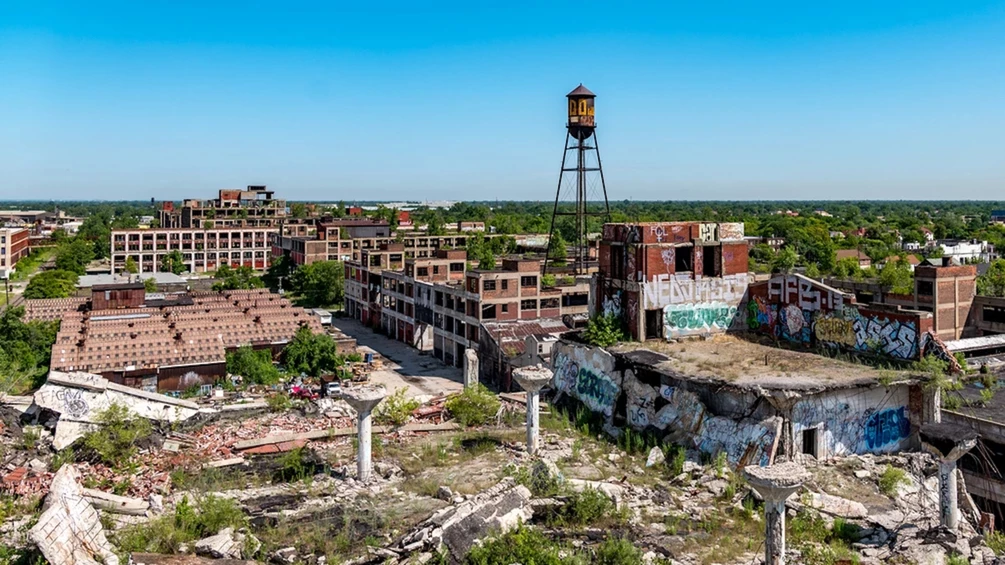
City authorities in Detroit have officially scuttled plans for the ambitious "Packard Park" redevelopment project, a $50 million initiative that would have transformed the long-abandoned Packard Plant into a vibrant mixed-use hub featuring a Museum of Detroit Electronic Music (MODEM), affordable housing, public recreation areas, and the city’s first-ever indoor skate park. The decision, spearheaded by current Mayor Mary Sheffield’s administration, marks a significant pivot for one of Detroit’s most iconic and challenging urban redevelopment sites, indicating a desire to explore a broader spectrum of options for the strategically vital property.
The proposed Packard Park development, championed by developers Mark Bennett and Oren Goldenberg, had garnered considerable attention when it was publicly unveiled in December. The plan envisioned a comprehensive revitalization of the sprawling 3.5 million-square-foot industrial complex, which has largely stood derelict since 1958. Beyond the cultural anchor of MODEM, the project promised to create up to 300 jobs during its construction phase, with an estimated completion target of 2029, and inject much-needed economic vitality into the city’s East Side. The initiative had even received a significant endorsement, being approved as one of former Mayor Mike Duggan’s final acts in office, signaling a strong civic commitment at the time.
A Project’s Brief Ascent and Sudden Pause: A Chronology of Events
The trajectory of the Packard Park proposal was swift, from public announcement to official pause within a matter of months.
- December (Previous Year): Developers Mark Bennett and Oren Goldenberg formally present their detailed $50 million vision for Packard Park. The plan, which had been under consideration, gained public traction and was subsequently approved by the outgoing administration of Mayor Mike Duggan, signaling an initial green light for the ambitious project. The approval was framed as a forward-looking step for Detroit’s economic and cultural landscape.
- February 11th (Current Year): This date marked the critical deadline for the City of Detroit’s letter of intent with the Packard Park developers. Such a letter typically formalizes the city’s commitment and sets the stage for more detailed agreements and financing arrangements.
- Post-February 11th: Following the passing of this deadline, Mayor Mary Sheffield’s administration intervened. Citing a need for thorough re-evaluation and a desire to explore alternative opportunities, Mayor Sheffield announced that the agreement would be paused, effectively halting the Packard Park development in its current form. This decision signaled a clear shift in the city’s approach to the site.
- Confirmation and Rationale: Shortly after the announcement, John Roach, a city spokesperson, confirmed the news in an email to the Detroit News. Roach articulated the administration’s strategic thinking, stating, "The Packard Plant site is one of the few available City-owned large contiguous sites in Detroit." He further elaborated, "Consequently, the Sheffield Administration wants to take this opportunity to explore a broader range of redevelopment options for the site before moving forward with the proposed plan." This statement underscores the city’s intent to treat the site as a prime strategic asset, not to be committed without extensive consideration of its highest and best use for the entire city.
- Developers’ Reaction: In response to the city’s decision, Bennett and Goldenberg also communicated with Detroit News, confirming their intent to persist in their efforts to redevelop the site. In a statement emailed to local media, they conveyed a sense of understanding blended with resolve: "It remains our vision, with our many partners, to preserve the legacy of the Packard site and bring jobs to the City of Detroit. We stand ready to help Detroit with this mission." They acknowledged the political reality, adding, "The project had been progressing just months after it was announced but we understand that a new administration can have new priorities." Their statement suggests a willingness to engage with the city’s revised vision, should an opportunity arise.
The Enduring Legacy of the Packard Plant: A Storied Past and Present Crossroads
The Packard Plant, situated on Detroit’s East Side, is more than just an abandoned factory; it is a monumental symbol of both Detroit’s industrial might and its subsequent decline. Designed by the renowned architect Albert Kahn, the plant was a marvel of industrial architecture when it opened in 1903, serving as the primary manufacturing hub for the luxury Packard automobile company. At its peak, the complex spanned 3.5 million square feet across 40 acres, employing thousands and producing some of the most prestigious vehicles in the world. Its sheer scale and elegant design earned it accolades, embodying the zenith of American manufacturing prowess.
However, the plant’s fortunes mirrored the broader shifts in the American automotive industry. Production at the Packard Plant ceased in 1958, and the facility formally closed its doors in 1962. For decades thereafter, the colossal structure gradually succumbed to the elements, becoming a haunting, yet iconic, silhouette on the Detroit skyline. It transformed into one of the largest abandoned industrial complexes in the world, a stark visual representation of the city’s post-industrial struggles.
Over the years, the derelict plant garnered a different kind of fame. Its desolate grandeur made it a popular backdrop for filmmakers, appearing in blockbusters like Transformers and the critically acclaimed horror film It Follows, as well as music videos, including Eminem’s "Beautiful." Beyond the silver screen, the Packard Plant has a storied, albeit unofficial, history within Detroit’s vibrant underground music scene. In the 1990s, its cavernous, decaying spaces became clandestine venues for legendary warehouse parties, hosting seminal events like Richie Hawtin’s "Spastik" parties and the iconic DJ Godfather vs. Gary Chandler battle. These events cemented the plant’s place in the lore of Detroit techno, bridging its industrial past with the city’s innovative musical future.
Previous attempts at redevelopment for the Packard Plant have been fraught with challenges. Most notably, Spanish developer Fernando Palazuelo acquired the property in 2013 for a mere $405,000 with grand promises of a multi-phase, billion-dollar revitalization. His vision included residential, commercial, and industrial spaces. However, years passed with minimal progress, and Palazuelo’s efforts were largely characterized by demolition by neglect, legal battles, and unfulfilled commitments, culminating in the city foreclosing on the property in 2022 due to unpaid taxes and a failure to secure the site. This history undoubtedly informs the current administration’s cautious approach and heightened scrutiny of any new proposals.
Detroit’s Strategic Land Use: The City’s Rationale and Future Vision
Mayor Mary Sheffield’s administration’s decision to pause the Packard Park development is rooted in a broader, more strategic vision for Detroit’s future, particularly concerning its remaining large, contiguous city-owned land parcels. As city spokesperson John Roach articulated, the Packard Plant site represents a rare and invaluable asset in Detroit’s urban fabric. In a city undergoing significant revitalization, where strategic land assembly is crucial for large-scale economic development, sites of this magnitude are exceptionally rare and hold immense potential for transformative projects.
The Sheffield administration’s approach suggests a move towards comprehensive urban planning that prioritizes maximizing public benefit and aligning developments with long-term economic and social goals. This involves a rigorous evaluation process that considers not only immediate job creation and investment but also the broader implications for infrastructure, community integration, environmental sustainability, and the city’s competitive positioning within the regional and national economy.
For a site as massive and symbolically charged as the Packard Plant, a range of alternative uses could be under consideration. These might include advanced manufacturing facilities, which align with Detroit’s industrial heritage while embracing future technologies; logistics and distribution centers, leveraging the city’s strategic location; large-scale green infrastructure projects, creating new public parks or ecological preserves; or even a diversified mixed-use development that integrates various sectors like research and development, light industrial, and community services, potentially drawing from a broader pool of investors and industries. The city’s deliberate pause allows for a market analysis, community input, and expert consultation to ensure the chosen path delivers the most impactful and sustainable outcomes for Detroit residents. This rigorous approach signifies Mayor Sheffield’s commitment to establishing her administration’s priorities and ensuring that future development is robust, equitable, and serves the long-term interests of the city.
The Pulse of Detroit’s Electronic Music Scene: A Museum Deferred, Not Denied?
The proposed Museum of Detroit Electronic Music (MODEM) was a cornerstone of the Packard Park vision, and its shelving represents a significant cultural setback for a city that proudly claims the title of techno’s birthplace. Detroit’s influence on global electronic music is undeniable; pioneers like The Belleville Three (Juan Atkins, Derrick May, Kevin Saunderson) forged a revolutionary sound in the 1980s that transcended local boundaries and reshaped the international music landscape. This legacy continues to inspire artists worldwide and remains a potent source of cultural pride and identity for Detroiters.
A dedicated museum like MODEM would have served as a vital institution for preserving this history, educating future generations, and attracting cultural tourism. It would have provided a centralized hub for archiving artifacts, telling the stories of key figures, and celebrating the city’s ongoing contributions to electronic music. The economic impact of such a museum could have been substantial, drawing visitors from around the globe, supporting local businesses, and reinforcing Detroit’s status as a global cultural destination.
Reactions from the electronic music community, while understanding of administrative changes, are likely tinged with disappointment. As one hypothetical cultural commentator, Dr. Eleanor Vance, specializing in urban music history, might observe, "The idea of a MODEM in the Packard Plant was incredibly resonant, linking Detroit’s industrial past to its innovative musical future. While this specific iteration is paused, the cultural imperative for such an institution remains stronger than ever. Detroit needs a dedicated space to celebrate techno; it’s part of the city’s DNA." Similarly, a prominent Detroit techno artist, perhaps speaking anonymously, might express regret: "It’s a shame, that space would have been perfect. But we’ve always been resilient. The music will find another home, another way to be celebrated. The spirit of techno thrives in Detroit regardless of a building."
The broader context of Detroit’s cultural preservation efforts highlights the city’s commitment to its artistic heritage, even as specific projects face hurdles. Just in January, a significant Detroit techno exhibition titled "Techno: The Rise Of Detroit’s Machine Music" was announced for the Michigan State University Museum, featuring an original sound installation by the legendary Underground Resistance. Furthermore, in February, the late hip-hop producer J Dilla was honored with his own street in Detroit, underscoring the city’s dedication to recognizing its musical giants. These initiatives demonstrate that while the Packard Plant MODEM project is on hold, the movement to celebrate and institutionalize Detroit’s unparalleled musical contributions continues robustly.
Economic and Social Implications: A Closer Look at "Packard Park" Components
The scuttling of Packard Park carries multifaceted economic and social implications for Detroit, particularly concerning the project’s proposed components.
- Job Creation: The promise of up to 300 construction jobs, with potential for long-term operational jobs within the mixed-use development, represented a significant boost for local employment. In a city still working to recover from decades of economic hardship and high unemployment rates, particularly within specific demographics, these jobs would have provided direct income, skill development, and a multiplier effect on the local economy through increased spending. The delay means these opportunities are now deferred, impacting potential workers and their families.
- Affordable Housing: A critical component of the Packard Park plan was the inclusion of multiple affordable housing units. Detroit, like many major American cities, faces an ongoing affordable housing crisis. The provision of accessible, quality housing is essential for retaining residents, attracting new ones, fostering community stability, and ensuring that revitalization efforts benefit all segments of the population, not just affluent newcomers. The loss of these planned units means the city must continue to seek other avenues to address this pressing need, potentially through other city-led initiatives or partnerships.
- Public Recreation Areas and Indoor Skate Park: The proposed public recreation areas and the city’s first-ever indoor skate park would have contributed significantly to the quality of life for residents, particularly youth. Public spaces are vital for community building, promoting physical activity, and offering safe, accessible venues for leisure and cultural engagement. An indoor skate park, specifically, would have filled a niche for Detroit’s youth and action sports communities, providing a year-round facility that encourages healthy activity and social interaction. The absence of these amenities leaves a gap that the city will need to fill through alternative planning.
- Overall Investment: The $50 million investment proposed for Packard Park would have been a substantial injection of capital into a historically neglected area. Such an investment not only revitalizes a blighted property but also signals confidence to other potential investors, fostering further economic development in the surrounding neighborhoods. The city’s decision now implies that while this specific investment is lost, it is in pursuit of an even greater or more strategically aligned investment for the site.
Political Transition and Urban Planning Philosophy
The pause on the Packard Park project vividly illustrates the dynamics of political transition in urban governance. The shift from former Mayor Mike Duggan, whose administration was characterized by aggressive, often developer-led, revitalization efforts, to Mayor Mary Sheffield marks a new era. Mayor Sheffield, while committed to Detroit’s continued growth, appears to be adopting a more cautious, comprehensive, and potentially more publicly-driven approach to major urban planning decisions.
New administrations often conduct thorough reviews of projects approved by their predecessors to ensure alignment with their own policy priorities, fiscal strategies, and long-term vision for the city. This re-evaluation process is a standard practice and reflects a mayor’s prerogative to implement their mandate. For Mayor Sheffield, this likely means an emphasis on rigorous due diligence, transparent decision-making, and ensuring that large-scale developments deliver maximum benefit to the broader community, rather than solely focusing on speed of execution or specific developer proposals.
The decision also highlights the delicate balance between fostering private investment and safeguarding public interest. While developers bring capital and expertise, the city, as the steward of public land, bears the ultimate responsibility for ensuring that development serves the long-term welfare of its citizens. This includes considering factors like equitable development, environmental impact, and the potential for a more inclusive economic future. The Sheffield administration’s move suggests a commitment to a planning philosophy that prioritizes strategic land use, comprehensive master planning, and potentially greater community engagement in the decision-making process for iconic sites like the Packard Plant.
The Road Ahead: Developer Resolve and Detroit’s Future
Despite the current setback, developers Mark Bennett and Oren Goldenberg have reiterated their commitment to the Packard Plant site and to contributing to Detroit’s revitalization. Their statement, expressing understanding of a new administration’s priorities while maintaining their vision, suggests a willingness to adapt or re-engage should future opportunities arise. This persistence is crucial in the complex landscape of urban development, where projects often undergo multiple iterations and political challenges.
For the City of Detroit, the road ahead for the Packard Plant site is now open to new possibilities. The Sheffield administration’s commitment to exploring a "broader range of redevelopment options" indicates that a comprehensive strategy will be formulated. This could involve soliciting new proposals through a competitive process, developing a city-led master plan for the entire East Side corridor where the plant is located, or pursuing public-private partnerships tailored to specific strategic industries or community needs. The ultimate goal remains to transform the decaying behemoth into a productive asset that symbolizes Detroit’s resilience and its capacity for reinvention, moving beyond its past as a symbol of blight to one of dynamic future growth. The ongoing dialogue between private developers, city authorities, and the community will be paramount in shaping the next chapter for this pivotal piece of Detroit’s industrial and cultural heritage.

![Watch Carl Cox spotlight his favourite disco records ahead of Louie Vega b2b set at [UNVRS] Ibiza](https://empire-music.net/wp-content/uploads/2026/09/watch-carl-cox-spotlight-his-favourite-disco-records-ahead-of-louie-vega-b2b-set-at-unvrs-ibiza.webp)