Indra Aziz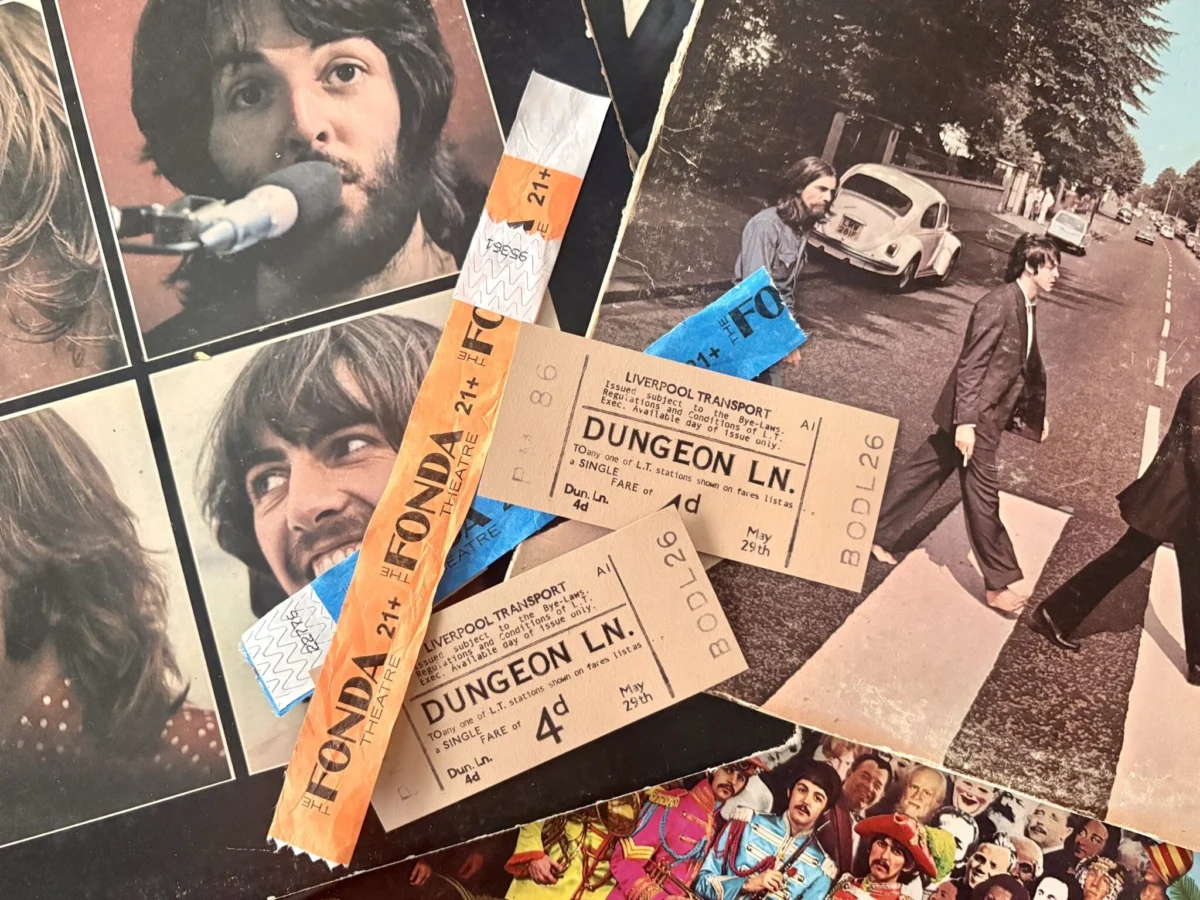
On March 27th and 28th, 2026, the venerable Fonda Theatre in Los Angeles, a cornerstone of Hollywood’s entertainment landscape since its 1926 inauguration, played host to a series of performances by music legend Sir Paul McCartney. This engagement marked a significant moment, not only for the iconic venue itself, which has previously welcomed artists like Metallica, the Foo Fighters, and the Rolling Stones for surprise appearances, but also for the select 2,400 individuals fortunate enough to witness these exceptionally intimate concerts.
A Historic Venue’s Unprecedented Encore
The Fonda Theatre, a 1,200-capacity venue steeped in history, stands as a testament to Hollywood’s enduring allure. Situated amidst the glittering stars of the Hollywood Walk of Fame, it has long been a favored spot for artists seeking a more personal connection with their audience. However, its nearly century-long tenure had never before been graced by an artist of Sir Paul McCartney’s stature performing in such a close-quarters setting. The opportunity to see a global icon, whose career spans over six decades and has profoundly shaped popular music, perform in a venue of this size was, by all accounts, a once-in-a-lifetime event.
McCartney’s arrival on March 27th, emerging from a black SUV to the cheers of awaiting fans, signaled the commencement of an extraordinary two-night residency. The choice of The Fonda, a venue known for its acoustic integrity and manageable capacity, represented a deliberate departure from the massive stadium tours that have characterized much of McCartney’s recent solo career and The Beatles’ later performances.
A Legacy of Live Performance: From Screaming Crowds to Intimate Stages
Paul McCartney’s relationship with Los Angeles audiences is a storied one. The Beatles’ 1965 performance at Dodger Stadium, a seismic event attended by 45,000 screaming fans, is often cited as a turning point that contributed to the band’s decision to cease touring. The overwhelming nature of Beatlemania, characterized by the inability to hear the music over the audience’s fervor, proved to be a disorienting and ultimately unenjoyable experience for the musicians. This era highlighted the challenges of performing in vast, acoustically challenging arenas designed for spectacle rather than sonic fidelity.
Following the intense period of Beatlemania, McCartney’s live performances in Los Angeles evolved. His 1976 engagement with Wings at The Forum, and subsequent concerts at venues like The Hollywood Bowl and the colossal SoFi Stadium and back at Dodger Stadium, demonstrated a continued commitment to connecting with his West Coast fanbase. Yet, these larger-scale events, while impressive in their own right, often necessitated a degree of detachment between the performer and the audience, with sound systems engineered to project across tens of thousands of spectators.
The announcement of an "up-close and personal" two-night engagement at The Fonda Theatre, therefore, generated immense anticipation. For dedicated fans, the prospect of experiencing McCartney’s artistry in an environment that prioritized sonic clarity and proximity was exceptionally appealing. This intimate setting offered a stark contrast to the often-impersonal nature of stadium concerts, promising a more profound and immediate connection.
The Lottery of Luck: Securing a Seat at an Unprecedented Event
The demand for tickets to these performances far outstripped the limited availability. The process for securing a spot was described as a lottery, with an exceptionally low chance of success given the venue’s capacity and the significant portion of tickets reserved for friends, family, and a curated guest list of celebrity admirers. Reports suggest that only approximately 2,400 individuals were able to attend across both nights. The exclusivity of these dates positioned attendees among the most fortunate music fans in the city, with those managing to secure tickets for both nights considered exceptionally rare.
Night One: A Sonic Immersion and a Masterclass in Performance
The first night of the residency, March 27th, commenced with a palpable sense of excitement. A merchandise pop-up in the venue’s parking lot drew a significant crowd, with lines extending down Hollywood Boulevard. The surrounding neighborhood was subject to strict street parking prohibitions, with security personnel establishing a perimeter around the venue, underscoring the high-profile nature of the event.
Inside the historic theatre, a soundcheck provided a glimpse into the meticulous preparation undertaken by McCartney and his renowned band. The ensemble, featuring Rusty Anderson on lead guitar, Brian Ray on guitar and bass, Paul "Wix" Wickens on keyboards, Abe Laboriel Jr. on drums, and a three-piece horn section comprising Mike Davis (trumpet), Paul Burton (trombone), and Kenji Fenton (saxophones), worked to optimize the venue’s acoustics. McCartney himself was observed fine-tuning his bass, piano, and guitar, ensuring a seamless integration of each instrument and vocal. The arrangement of the horn section behind a glass partition was noted for its ability to produce a perfectly blended brass sound that filled the room.
At precisely 8:30 PM, Sir Paul McCartney took the stage to an audience brimming with anticipation. The collective sentiment among concertgoers was one of disbelief and profound appreciation for the opportunity. The opening number, John Lennon’s "Help!", served as a powerful baptism into the experience for many, its iconic chorus reverberating through the intimate space. The performance underscored the unique proximity of the audience to the stage, with the furthest attendees on the general admission floor reportedly no more than 30 yards from McCartney. The sight of him wielding his Hofner 500/1 bass evoked echoes of The Beatles’ early days performing in similar-sized venues.
The setlist for the first night was a comprehensive journey through McCartney’s six-decade career. It included a diverse array of songs, spanning from early Beatles classics to solo and Wings material. Notable selections included "Coming Up," "Got to Get You Into My Life," "Let Me Roll It," a rendition of Jimi Hendrix’s "Foxy Lady," "Getting Better," "Let ‘Em In," "My Valentine" (dedicated to his wife, Nancy), "Nineteen Hundred and Eighty-Five," "I’ve Just Seen a Face," "Every Night," "Love Me Do," an acoustic solo performance of "Blackbird," "Now and Then," "Lady Madonna," "Flaming Pie," "Jet," a sing-along of "Ob-La-Di, Ob-La-Da," "Get Back," and "Let It Be." The concert concluded with a poignant story about the inspiration behind "Hey Jude," drawing from a personal recollection of his late mother, followed by an encore featuring a playthrough of the Abbey Road medley: "Golden Slumbers," "Carry That Weight," and "The End." The performance left attendees with a profound sense of awe and a lasting impact, described by one observer as akin to returning from a space launch, forever changed.

Night Two: A Star-Studded Gathering and Evolving Setlist
The energy on the second night, March 28th, was notably different. While the initial sense of awe remained, the pre-show anxiety of the previous evening had dissipated, replaced by a more relaxed, celebratory atmosphere. This was further amplified by the presence of a remarkable contingent of Hollywood’s elite, who occupied the fully reserved balcony section. Attendees reported brief interactions with notable figures such as Jon Hamm and Maude Apatow (accompanied by her mother, Leslie Mann), as well as glimpses of a Red Hot Chili Pepper and Queen Latifah.
The guest list for the second night was extensive, with reports circulating that an estimated 200 seats in the balcony were occupied by a veritable who’s who of entertainment, including Al Pacino, Anjelica Huston, Billie Eilish, Finneas O’Connell, Beck, Harrison Ford, Calista Flockhart, Chad Smith, Christina Aguilera, Gayle King, Laura Dern, Olivia Rodrigo, Owen Wilson, Reese Witherspoon, Sabrina Carpenter, Sharon Osbourne, Steve Carell, Steven Tyler, Taylor Swift, Larry David, Margot Robbie, and John Mayer. Elton John was also reportedly in attendance, discreetly seated.
On the general admission floor, alongside the standing fans, were recognizable figures from the music world, including rocker Josh Homme and 90s music star Seal, who reportedly joined in the revelry and sang along to several songs.
Sir Paul McCartney delivered another captivating performance, showcasing his versatility by seamlessly transitioning between bass, guitar, and piano, and even incorporating the ukulele. He paid tribute to Jimi Hendrix with another rendition of "Foxy Lady," a nod to Hendrix’s own past cover of "Sgt. Pepper" as a sign of respect to McCartney and George Harrison shortly after the album’s release.
The setlist for the second night featured several notable additions and deviations from the previous evening, much to the delight of the audience. Among the new selections were fan favorites such as "From Me to You," "Something," "Band on the Run," and "Maybe I’m Amazed." The emotional impact of the performance was palpable, with many audience members visibly moved to tears, particularly during renditions of "Let It Be."
A personal highlight for many was the interactive finale of "Hey Jude." The band ceded the vocal duties for the iconic "na, na, na, na-na-na, naaaa" outro to the audience, creating a unified sing-along. McCartney then playfully engaged the crowd by differentiating the sing-along between "the fellas" and "the ladies," further cementing his reputation as an consummate showman.
The Power of Presence: A Phone-Free Experience
A significant aspect of both performances was the strict no-phone policy. The absence of recording devices and constant digital distractions fostered an environment of complete presence. Attendees were fully immersed in the music and the shared experience, a rarity in the contemporary concert landscape. This enforced detachment from technology allowed for a deeper connection with the performance and with fellow audience members, creating a magical and unforgettable atmosphere. This was echoed by a musician from Newcastle who described the experience as "borderline spiritual," a sentiment that resonated with many who felt a profound emotional connection to the music and the shared moment.
Broader Implications and Cultural Resonance
The intimate performances by Sir Paul McCartney at The Fonda Theatre represent more than just a series of concerts; they underscore the enduring power of live music and the value placed on genuine human connection. In an era often dominated by digital interaction and large-scale spectacles, McCartney’s deliberate choice to perform in such an intimate setting speaks volumes about his artistic priorities. It highlights a desire to connect with audiences on a more personal level, fostering a sense of shared experience that transcends the typical concert format.
The event also served as a powerful reminder of the cultural significance of artists like McCartney and The Beatles. Their music, deeply ingrained in the cultural fabric for generations, continues to resonate with profound emotional depth. The ability to evoke such strong emotional responses, from pure joy to tearful reflection, across diverse audiences and generations, is a testament to the timeless quality of their artistry.
The success of these performances also offers a case study in the potential of historic venues like The Fonda to host significant cultural events. By prioritizing intimate settings and curated experiences, such venues can offer unique alternatives to the conventional stadium circuit, providing artists with opportunities for more meaningful engagement and audiences with unparalleled memories.
As Sir Paul McCartney continues his legendary career, these two nights at The Fonda Theatre will undoubtedly be remembered as a landmark event, a rare opportunity to witness a global icon in an exceptionally intimate and profoundly moving setting, a testament to the enduring magic of live music and the indelible legacy of a true rock legend.
Words + Photography: Chris Wax