Indra Aziz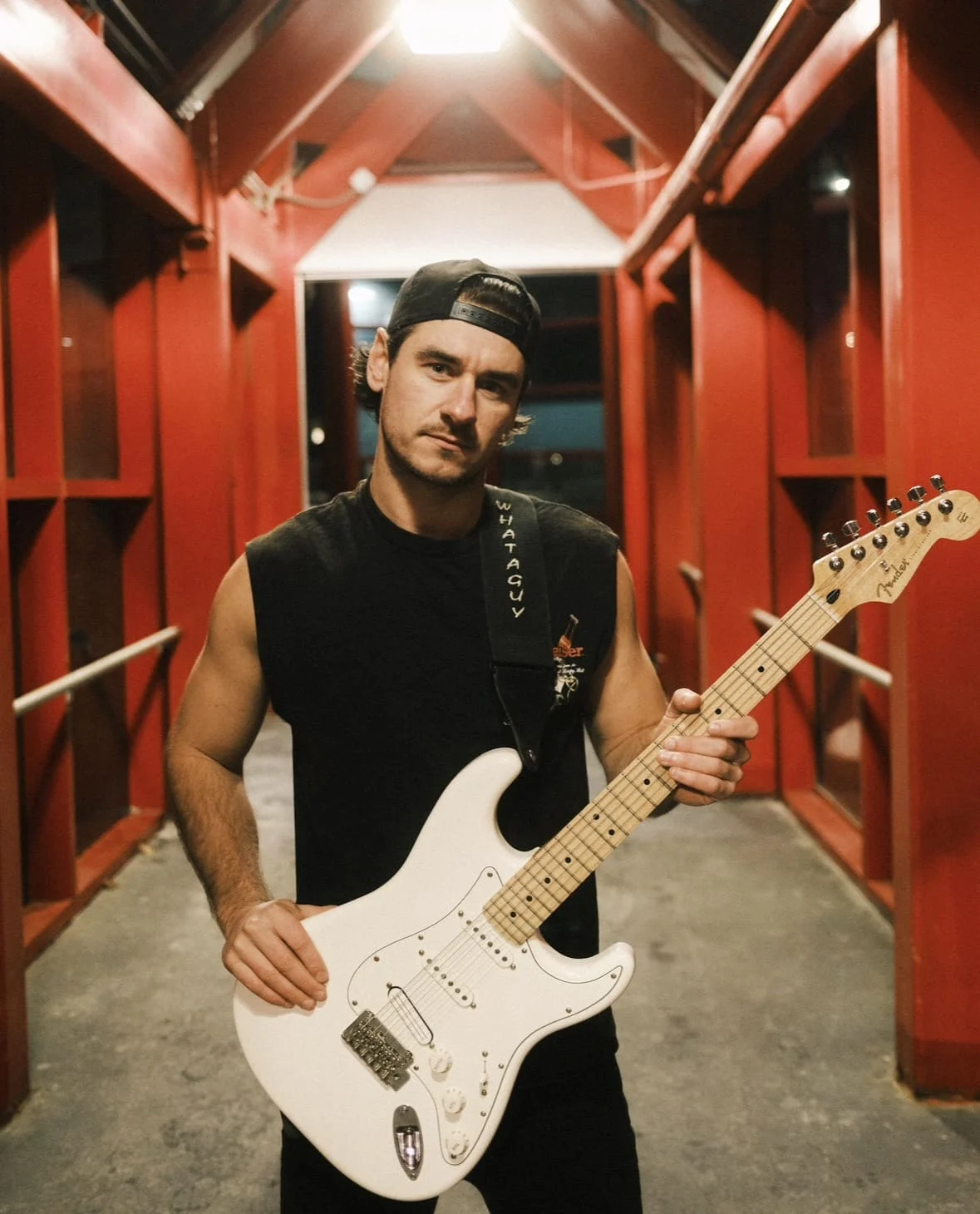
Los Angeles, CA – April 10, 2026 – Emerging pop-rock artist Matt Whataguy has officially released his latest single, "We Weren’t In Love," a track that marks a significant evolution in his songwriting, delving into the raw vulnerability of heartbreak with a post-punk infused intensity. The song, available across all major streaming platforms, showcases Whataguy’s commitment to authentic storytelling and his expanding sonic palette, blending gritty acoustic elements with undeniably catchy, pop-inflected hooks.
This release arrives at a pivotal moment for Whataguy, who has been steadily building a dedicated following and attracting attention from prominent artists and music publications. His recent live performances and consistent output have positioned him as a compelling new voice in the contemporary music landscape, drawing comparisons to the genre-bending appeal of Twenty One Pilots and the anthemic songwriting of The Band Camino. "We Weren’t In Love" is poised to further solidify his presence, offering listeners a deeply personal narrative set against a backdrop of emotionally charged instrumentation.
The track’s lyrical content is described by Whataguy himself as a direct reflection of the immediate aftermath of a breakup. He shared in a statement released alongside the single, "It’s a song capturing the most painful part of an immediate breakup, the shock and the uncertainty of what comes next. How we tell people that love us. Put all the blame on me, give me all the hurt, tell them whatever you want… just don’t say we weren’t in love." This candid admission underscores the intensely introspective nature of the song, inviting listeners to connect with its universal themes of pain, denial, and the struggle to reconcile love with loss.
A Sonic Evolution and Artistic Trajectory
"We Weren’t In Love" represents a clear step forward in Matt Whataguy’s artistic development. While his previous work has hinted at a capacity for emotional depth, this single leans into it with an unflinching gaze. The production skillfully navigates the space between raw, almost visceral post-punk energy and the polished accessibility of modern pop. This fusion is a hallmark of Whataguy’s evolving sound, a deliberate choice to amplify the emotional weight of his lyrics through dynamic musical arrangements.
The "gritty acoustics" mentioned in early descriptions likely refer to a more stripped-down, perhaps even slightly distorted, guitar tone that provides the song’s foundational texture. This is then contrasted and elevated by the "pop-twisted hook," a melodic phrase designed to lodge itself in the listener’s memory. This juxtaposition of raw and refined elements is a strategic artistic choice, mirroring the complex emotional state of navigating a painful breakup. The internal conflict between the harsh reality of separation and the lingering desire to preserve the memory of love is sonically represented.
Industry analysts have noted that artists who successfully blend genre conventions, particularly those that bridge the gap between rock’s emotional intensity and pop’s widespread appeal, often find significant commercial and critical success. The success of bands like Twenty One Pilots, who have masterfully incorporated elements of hip-hop, rock, and alternative music, serves as a precedent for Whataguy’s approach. The Band Camino, known for their stadium-ready rock anthems with a pop sensibility, also represents a comparable trajectory. Whataguy’s ability to fuse "anthemic rock verses with crowd-ready instrumentation" suggests a keen understanding of how to connect with a broad audience without sacrificing artistic integrity.
The Narrative of "We Weren’t In Love"
The song’s narrative is rooted in the immediate aftermath of a relationship’s end. The "shock and the uncertainty of what comes next" are palpable themes. This is a moment of profound disorientation, where the familiar structure of a relationship dissolves, leaving individuals to grapple with a void. The artist’s plea to "put all the blame on me, give me all the hurt, tell them whatever you want… just don’t say we weren’t in love" highlights a desperate attempt to salvage the integrity of the past relationship, even in the face of its present demise.
This sentiment speaks to a common human experience: the difficulty of accepting the end of something deeply felt. Even when a relationship is no longer viable, the emotional investment and shared history often make it hard to acknowledge its absence or perceived failure. The artist’s willingness to absorb blame, to take on the full burden of the separation, is a testament to the lingering affection and the profound impact the relationship had on him. The core of his plea is not to deny the pain of the breakup, but to affirm the authenticity of the love that existed, thereby preserving a sense of meaning and validity in the experience.
Contextualizing the Release: A Year of Momentum
The release of "We Weren’t In Love" is not an isolated event but rather a significant milestone in what has been a carefully cultivated year of growth for Matt Whataguy. Over the past twelve months, he has been strategically building his presence through a series of releases, live appearances, and engagement with his growing fanbase. This single is the culmination of that effort, a testament to his dedication and artistic vision.
Timeline of Expected Momentum Building:
- Early 2025: Initial singles and EPs released, garnering early critical attention and establishing a foundational sound.
- Mid-2025: Increased touring, including opening slots for established artists, expanding reach and building live performance experience.
- Late 2025: Collaborations or features with emerging artists, cross-pollinating fanbases. Social media engagement intensifies, creating a direct connection with listeners.
- Early 2026: Release of "We Weren’t In Love" as a lead single for a forthcoming project, signaling a more mature and introspective direction. Anticipation for the single is fueled by prior successful releases and growing industry buzz.
- Mid-2026 (projected): Release of an EP or full-length album, of which "We Weren’t In Love" serves as a key representative track. Continued touring and promotional activities.
This structured approach to career development is common among artists seeking sustainable success in the contemporary music industry. The ability to consistently deliver high-quality content, coupled with strategic promotion, is crucial for breaking through the noise. Whataguy’s consistent output and the positive reception of his work suggest he is effectively navigating these challenges.
Data-Driven Insights and Industry Trends
The music industry continues to see a strong demand for artists who can offer authentic and relatable lyrical content. Data from streaming platforms indicates that songs with strong narrative arcs and emotional resonance often achieve higher engagement rates and longer listener retention. For instance, analysis of Spotify’s "Most Streamed Breakup Anthems" playlists consistently shows tracks that explore themes of pain, reflection, and resilience at the top.
Furthermore, the rise of the "DIY artist" has empowered musicians to take greater control of their careers. With direct access to distribution channels and social media platforms, artists like Whataguy can cultivate a direct relationship with their audience, bypassing traditional gatekeepers. This model emphasizes transparency and authenticity, qualities that "We Weren’t In Love" appears to embody. The trend towards more introspective and genre-fluid music also plays to Whataguy’s strengths, as listeners increasingly seek out artists who defy easy categorization.
The success of artists who master the blend of rock and pop elements is also well-documented. According to a recent report by Billboard, the top-performing artists in the rock and alternative genres frequently incorporate pop sensibilities into their production and songwriting, leading to broader crossover appeal. This suggests that Whataguy’s sonic direction is not only artistically driven but also strategically aligned with current market trends.
Broader Impact and Future Implications
The release of "We Weren’t In Love" has significant implications for Matt Whataguy’s career trajectory. It signals his readiness to tackle more complex emotional themes and his ability to translate those themes into compelling musical narratives. This maturity in songwriting is likely to resonate with a wider audience and attract the attention of established music industry professionals, including record labels and publishers.
The song’s introspective nature, coupled with its accessible pop-rock framework, positions Whataguy as an artist capable of both critical acclaim and commercial success. His ability to connect with listeners on a personal level through his lyrics, while also delivering anthemic and engaging music, is a powerful combination. This release could serve as a launching pad for a full-length album that further explores these themes, potentially cementing his status as a significant voice in contemporary music.
Furthermore, the artistic choices made in "We Weren’t In Love" suggest a commitment to authenticity that can foster long-term fan loyalty. In an era where manufactured personas can quickly fall out of favor, artists who demonstrate genuine vulnerability and artistic integrity often build a more resilient and dedicated following. Whataguy’s open dialogue about the song’s inspiration indicates a willingness to be transparent with his audience, a trait that is highly valued by today’s music consumers.
The continued momentum for Matt Whataguy, marked by the release of "We Weren’t In Love," suggests a promising future. His ability to blend emotional honesty with a compelling sonic identity positions him as an artist to watch, with the potential to leave a lasting impact on the pop-rock landscape. Fans and industry observers alike will be keen to see how this latest offering influences his subsequent creative output and his ongoing journey in the music industry.