Kholidah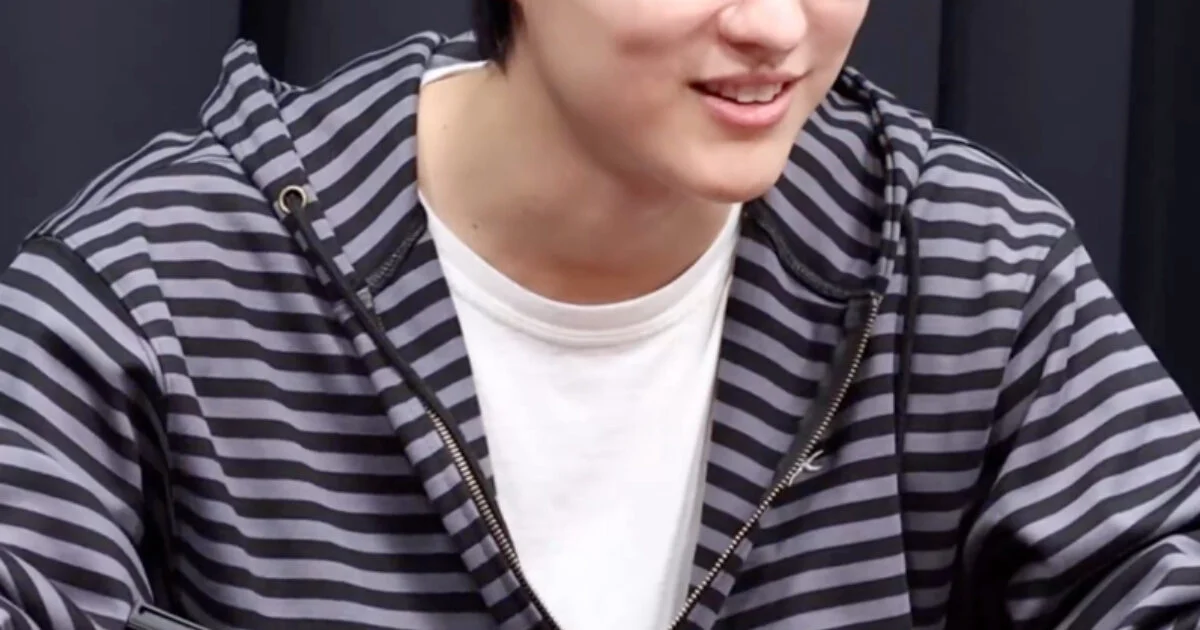
The South Korean music industry, particularly the K-pop sector, is built upon a foundation of meticulous presentation and a deep-seated commitment to fan engagement. When these expectations are perceived as unmet, the resulting friction can lead to significant public discourse. Recently, the solo artist WOODZ, also known as Cho Seung-youn, became the center of a heated online debate following his appearance at an in-person fan sign event. The controversy centers on allegations of a lack of professional effort regarding his styling and grooming, which many fans interpreted as a lack of respect for those who invested significant time and financial resources to attend.
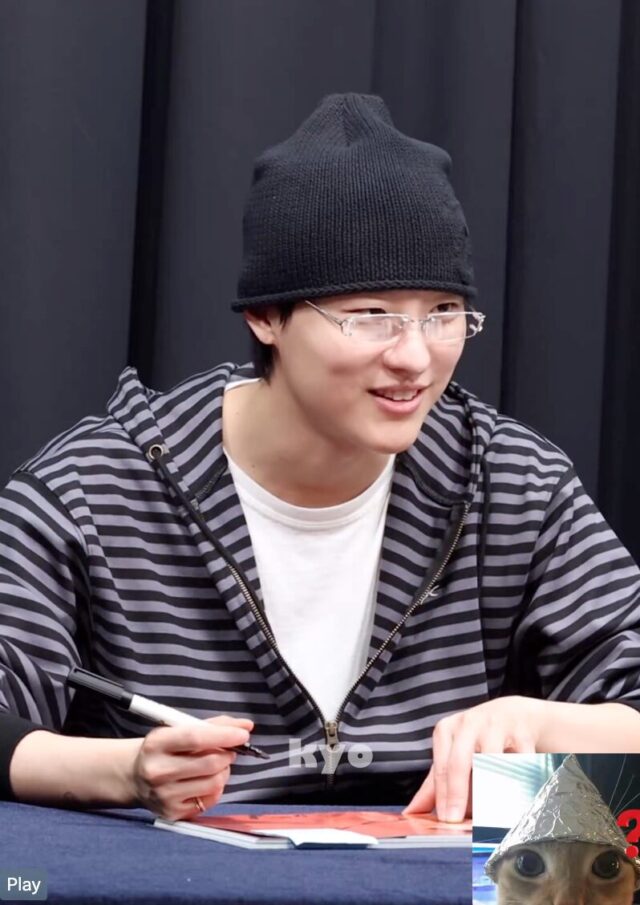
The incident occurred during the final scheduled in-person fan sign for his most recent promotional cycle. Fan sign events are high-stakes interactions in the K-pop ecosystem; they are typically the culmination of a weeks-long album promotion where fans purchase multiple copies of an album to win a lottery-style chance at a brief face-to-face meeting with their favorite artist. On April 11, 2026, WOODZ arrived at the venue wearing casual attire, including a beanie, glasses, and what appeared to be everyday streetwear. Crucially, attendees noted that he appeared to have bypassed the standard professional hair and makeup routines—commonly referred to in the industry as "going to the shop"—that are customary for public-facing celebrity events.
The Significance of the Final Fan Sign
In the context of K-pop album promotions, the "last fan sign" holds a symbolic weight. It represents the conclusion of an era, a final opportunity for fans to share their support for a specific project before the artist enters a period of hiatus or preparation for the next release. Consequently, the "cutoff" for these events—the number of albums a fan must purchase to guarantee a seat—is often at its highest for the finale.
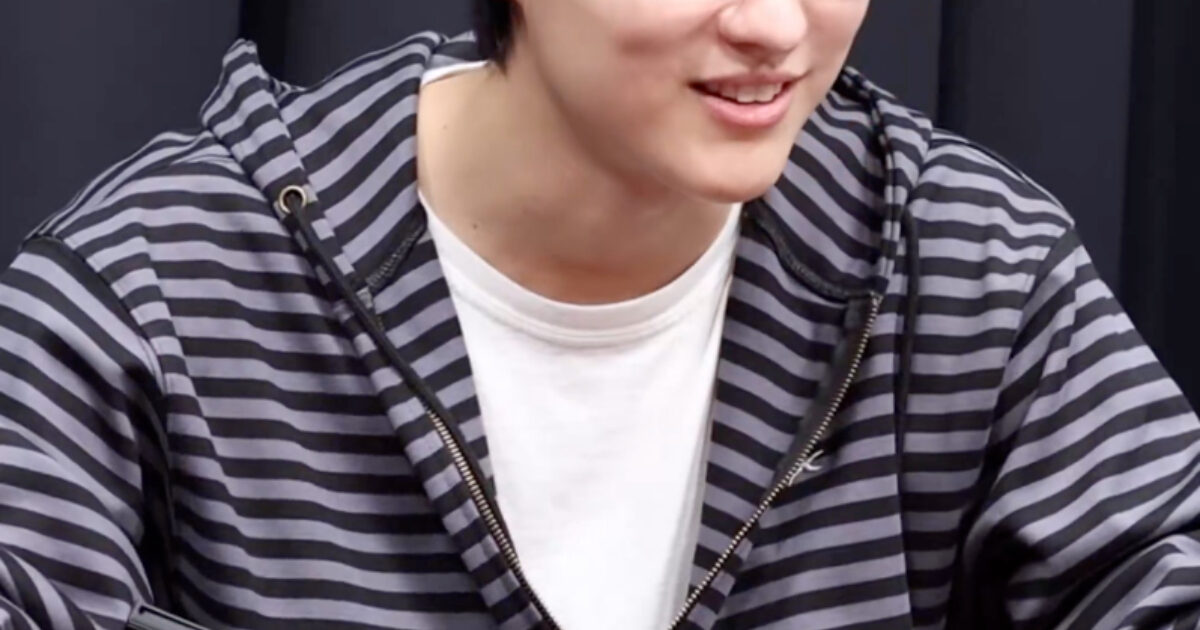
When WOODZ appeared in a style that many described as "too casual," the disappointment among the attendees was immediate and vocal. The visual presentation of an idol is considered a core component of the "service" provided at these events. For many fans, the artist’s appearance is not merely about aesthetics but serves as a tangible marker of the effort the artist is willing to put in for their audience. The contrast between the fans, who often dress up and travel long distances for the few minutes of interaction, and the artist’s casual demeanor created a perceived imbalance in mutual respect.
Financial Stakes and Fan Investment
To understand the intensity of the backlash, one must look at the data surrounding fan sign participation. While entry requirements vary by artist and agency, soloists with the popularity of WOODZ often see entry "cuts" ranging from 50 to over 100 albums per event. With the average cost of a K-pop album sitting between $15 and $25 USD, a single fan may spend upwards of $1,500 to $2,500 just for the opportunity to attend one session.
Beyond the financial cost, there is a logistical investment. Fans often prepare specific questions, gifts, and "fan service" requests (such as wearing specific headbands or participating in viral challenges) to make the interaction memorable. When an artist arrives in attire that fans characterized as "something someone would wear to a coffee shop," the perceived value of that interaction diminishes for the consumer. This financial and emotional investment is at the heart of the "waste of money" sentiment echoed across social media platforms like X (formerly Twitter) and online communities such as Theqoo.
Chronology of the Controversy
The timeline of the backlash suggests a rapid escalation from localized disappointment to a broader industry critique.

- Event Start (April 11, Afternoon): As the fan sign commenced, preview photos taken by "fansites" (dedicated photographers) began to circulate on social media. Unlike the polished, concept-driven looks seen at previous events in the same cycle, these images showed WOODZ in a beanie and glasses.
- Initial Discontent (April 11, Evening): Attendees began posting accounts of the event. While some praised the artist’s personality during the talk, a growing number of posts highlighted the "lack of effort" in his styling. One viral post stated, "I want an apology for this. It was the last fan sign, and he didn’t put any effort into looking good."
- Viral Escalation (April 12, Early Morning): The discussion moved to major community hubs like Theqoo. Netizens who did not attend the event began to weigh in, comparing his appearance to industry standards. The debate shifted from a specific fan grievance to a broader discussion on professional etiquette.
- Industry Analysis (April 12, Afternoon): Entertainment commentators and fans began analyzing the implications of "natural styling" versus "unprofessionalism." The consensus among critics remained that for a paid, high-barrier event, the artist has a professional obligation to maintain a certain standard of presentation.
Fan Reactions and Public Sentiment
The reactions captured from social media provide a window into the specific nature of the grievance. One fan expressed shock, stating, "How can you come to an in-person fan sign event with no makeup or hair done… I am literally in so much shock." Another emphasized the lack of communication: "If you are going to come dressed like that, then please let us know beforehand. It’s such a waste of money for fans."
This sentiment highlights a key aspect of the idol-fan relationship: the expectation of transparency. In some instances, idols attend events in casual wear if they are injured, unwell, or if the event has a specific "natural" theme. However, in the absence of such a context, the sudden shift to zero-effort styling is often viewed as "deceived expectations."
Netizens on community forums generally agreed with the frustrated fans. The prevailing argument was that looking presentable is a fundamental part of a celebrity’s job description. Comments often pointed out that the "shop" cost is usually covered by the agency as part of promotional expenses, leading to speculation as to why the artist or the staff opted out of the routine for such a significant event.
Professional Standards in the K-pop Industry
The K-pop industry is renowned for its "Total Package" approach. An artist’s brand is a combination of music, performance, and visual identity. Stylists, makeup artists, and hair designers are integral to the production of an idol’s public persona. In South Korea, the concept of "TPO" (Time, Place, and Occasion) is a critical social standard. For a professional event where fans have paid a premium, the "Place" and "Occasion" traditionally dictate a high level of formal or concept-specific grooming.
While there has been a recent trend toward "natural" or "boyfriend material" styling—where idols wear more relatable, casual clothing—this is usually still a highly curated look involving professional hair and "no-makeup" makeup techniques. The backlash against WOODZ suggests that his appearance crossed the line from "curated casual" to "unprepared," which fans felt broke the unspoken contract of the fan sign experience.
Potential Implications for Artist-Fan Relations
WOODZ has long been respected as an "all-rounder" artist with a strong hand in his music production and creative direction. This reputation for artistic integrity is perhaps why the backlash was so "fierce." Fans who view him as a dedicated professional were caught off guard by what they perceived as a lapse in professional judgment.
The long-term impact of this incident will likely depend on the artist’s and his agency’s response. In the K-pop world, "reflection" is a common response to public criticism. If the artist acknowledges the fans’ disappointment, the incident may be viewed as a one-time oversight. However, if left unaddressed, it could signal a shift in the artist’s approach to fan engagement that might alienate the core "power spenders" who sustain the physical album market.
Furthermore, this controversy serves as a case study for other agencies. It reinforces the idea that as the cost of fan participation continues to rise, the expectations for artist effort will scale accordingly. Fans are increasingly viewing themselves as consumers with a right to a high-quality "product," and in the world of idols, that product includes the visual presence of the artist.
Broader Industry Context and the "Natural" Trend
The incident also touches upon a growing tension in the industry between the grueling schedules of artists and the unrelenting demands of the public. Some defenders of the artist might argue that the pressure to be "camera-ready" at all times is a contributor to idol burnout. However, the counter-argument remains that for specific, scheduled events like fan signs—which are relatively short in duration compared to concerts or filming—the expectation of professional styling remains a non-negotiable standard of the trade.
As the industry moves forward, the "WOODZ controversy" may prompt agencies to be more explicit about the themes of their fan signs. If an event is intended to be a "casual" or "comfortable" interaction, communicating that theme in advance could prevent the mismatch of expectations that led to this recent backlash.
In conclusion, the outcry regarding WOODZ’s appearance at his recent fan sign is a reflection of the complex, high-investment nature of modern K-pop fandom. When the financial and emotional stakes are this high, the artist’s visual presentation is not just a matter of fashion—it is a measure of professional respect and a vital component of the celebrity-fan economy. Whether this marks a temporary lapse or a shifting tide in fan-sign etiquette remains to be seen, but the message from the public is clear: effort is the minimum requirement for engagement.