Jia Lissa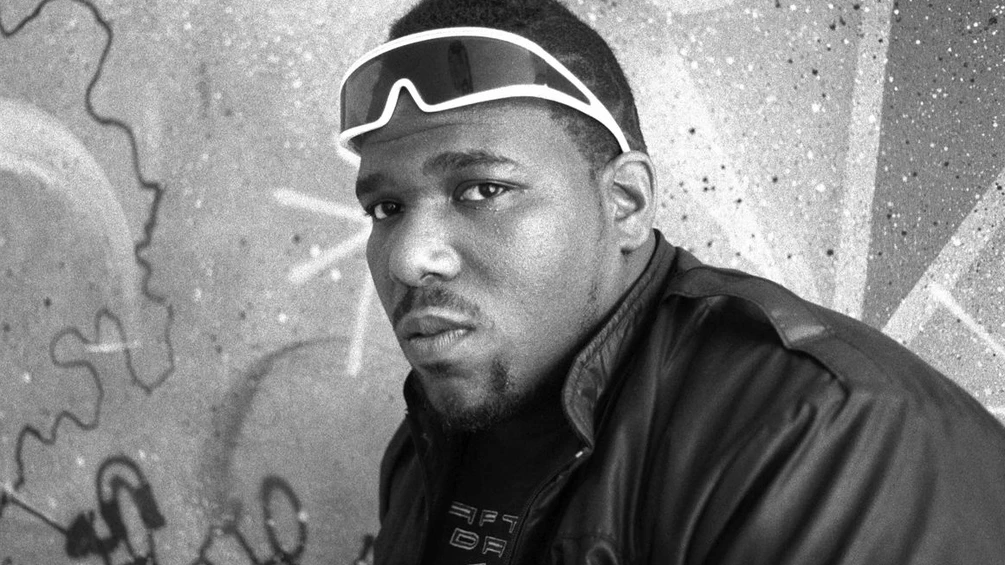
Afrika Bambaataa, the legendary hip-hop and electro pioneer whose visionary music shaped a global movement rooted in peace, unity, love, and the joy of creation, has passed away at the age of 68. News of his death was confirmed by the Hip-Hop Alliance, an influential US organization dedicated to preserving and advancing hip-hop culture. Reports from TMZ indicated that the artist, born Lance Taylor, died in Pennsylvania due to complications arising from cancer on April 9, 2026. His passing marks the end of an era for one of music’s most enigmatic and foundational figures, whose monumental contributions to sonic innovation are indelibly etched into the fabric of modern music, even as his legacy remains profoundly complicated by serious allegations of sexual abuse that emerged in the latter part of his life.
The Early Years: From Gang Leader to Cultural Architect
Born Lance Taylor on January 1, 1957, in the Bronx, New York, Bambaataa emerged from an environment that would become the crucible of hip-hop culture. The Bronx of the 1960s and 70s was a borough grappling with economic hardship, urban decay, and pervasive gang violence. Taylor himself was a prominent figure in the Black Spades, one of the largest and most feared gangs in the Bronx. However, a transformative trip to Africa and a growing awareness of the socio-political landscape of the time, coupled with the nascent sounds of DJ Kool Herc and Grandmaster Flash, catalyzed a profound shift in his perspective. He adopted the name Afrika Bambaataa Aasim, inspired by a 19th-century Zulu chief, Bhambatha, who led a rebellion against unjust taxes. This rebranding symbolized his commitment to redirecting the energy of the streets away from violence and towards creative expression and community building.
In 1973, Bambaataa co-founded the Universal Zulu Nation, an organization that initially served as a collective of former gang members, DJs, b-boys, and graffiti artists united by a shared philosophy. Far more than just a musical collective, the Zulu Nation evolved into a global movement dedicated to promoting peace, knowledge, wisdom, understanding, freedom, justice, and equality through hip-hop culture. Bambaataa envisioned hip-hop as a vehicle for social change, a "way out" for marginalized youth, and a force for global unity. Under his guidance, the Zulu Nation became instrumental in disseminating hip-hop’s core elements—DJing, MCing, breakdancing, and graffiti art—across the five boroughs of New York City and eventually, the world. He was widely recognized as one of the "Godfathers of Hip Hop," alongside DJ Kool Herc and Grandmaster Flash, for his pivotal role in codifying and popularizing the genre.
Musical Innovation: Forging the Electro-Funk Sound
Bambaataa’s musical career was characterized by an insatiable curiosity and a pioneering spirit that constantly pushed the boundaries of sound. While deeply rooted in the funk and soul traditions that fueled early hip-hop block parties, he possessed a unique foresight into the potential of electronic music. This vision culminated in his seminal 1982 single, ‘Planet Rock,’ a track that would forever change the landscape of popular music.
‘Planet Rock’ was a groundbreaking synthesis of disparate elements. Working with producer Arthur Baker and keyboardist John Robie, Bambaataa famously incorporated elements from Kraftwerk’s ‘Trans-Europe Express’ and ‘Numbers,’ fusing their cold, robotic synth lines with driving 808 drum machine beats and his own distinctive vocal delivery. The result was a futuristic, electrifying sound that transcended genres. It wasn’t merely a hip-hop track; it was an electro-funk anthem that laid the blueprint for countless electronic music genres that followed, including techno, house, Miami bass, and even drum and bass. Its innovative use of sampling, synthesizers, and drum machines made it a commercial success, reportedly selling over 600,000 copies in the US and achieving gold certification. More importantly, its cultural impact was immeasurable, inspiring a generation of producers and artists worldwide and cementing Bambaataa’s reputation as a true sonic alchemist.
Beyond ‘Planet Rock,’ Bambaataa continued to release influential tracks that showcased his versatility and experimental approach. Singles like ‘Jazzy Sensation’ (1981), ‘Looking for the Perfect Beat’ (1983), and ‘Renegades of Funk’ (1983) further solidified his status as an innovator, blending hip-hop with funk, R&B, and electronic elements. He frequently collaborated with a diverse array of artists, demonstrating his broad appeal and influence. A notable collaboration was ‘Unity’ (1984) with the Godfather of Soul, James Brown, a powerful track that underscored their shared musical heritage and Bambaataa’s reverence for funk pioneers. He also worked with British electronic music icon Gary Numan and, in 1999, released the critically acclaimed track ‘Afrika Shox’ with the influential UK electronic duo Leftfield, showcasing his enduring relevance in the global dance music scene well into the new millennium. Bambaataa continued to record and perform, albeit less prolifically, until around 2013, gracing stages at festivals and clubs worldwide, always advocating for the original spirit of hip-hop.
A Tainted Legacy: The Shadow of Allegations
Despite his monumental contributions to music and culture, Afrika Bambaataa’s legacy became irrevocably tarnished by multiple allegations of sexual abuse that surfaced in the mid-2010s. These accusations cast a long, dark shadow over his pioneering work and challenged the very principles of peace, unity, and love that he and the Universal Zulu Nation espoused.
The first major public allegations emerged in 2016 when Ronald Savage, a former Universal Zulu Nation member, accused Bambaataa of sexually abusing him in the 1980s when Savage was a teenager. This initial accusation opened the floodgates, leading to at least a dozen other men coming forward with similar claims of sexual abuse spanning decades. Rolling Stone magazine reported that at least 13 men had accused Taylor of sexually abusing them during the 1980s. The alleged incidents often occurred within the context of the Universal Zulu Nation, raising disturbing questions about power dynamics and accountability within the organization.
Bambaataa vehemently denied these initial claims, issuing a statement through his representatives calling them "baseless and cowardly." However, the sheer volume and consistency of the allegations created an insurmountable crisis for both Bambaataa and the Universal Zulu Nation. Facing immense pressure and internal strife, Bambaataa was ultimately forced to resign from his leadership position within the Zulu Nation in May 2016. The organization itself underwent a period of introspection and restructuring, publicly distancing itself from Bambaataa and reaffirming its commitment to its foundational principles while acknowledging the pain caused by the allegations. Many former members and chapters of the Zulu Nation independently condemned Bambaataa’s alleged actions and sought to rebuild trust within the community.
The legal ramifications continued to unfold. In 2021, Bambaataa faced a further civil lawsuit from an anonymous plaintiff who accused him of child molestation and trafficking, claiming the abuse began in 1992 when the plaintiff was 12 years old. This case underscored the ongoing nature of the legal challenges and the persistent pursuit of justice by alleged victims. In a significant development, as reported in May 2025, Bambaataa lost the civil case against him by default after failing to appear in court to contest the matter. A default judgment, entered when a defendant fails to respond to a lawsuit, effectively means the court accepts the plaintiff’s allegations as true for the purpose of awarding damages, without a full trial on the merits. While not a criminal conviction, this legal outcome added substantial weight to the credibility of the claims against him and provided a measure of vindication for the plaintiff.
Broader Implications and the Complexities of Legacy
Afrika Bambaataa’s death ignites a crucial, albeit uncomfortable, conversation about how society grapples with the legacies of influential figures accused of grave misconduct. His story is a poignant example of the profound ethical dilemma of separating the art from the artist. On one hand, his pioneering musical contributions and his role in fostering a global cultural movement rooted in positive principles are undeniable. He truly was an architect of modern music, whose innovations continue to resonate across genres and generations. The Hip-Hop Alliance’s statement, emphasizing his role in shaping a "global movement rooted in peace, unity, love, and having fun," reflects this widely accepted view of his artistic and cultural impact.
On the other hand, the multiple, credible allegations of sexual abuse, culminating in a lost civil case by default, present an undeniable counter-narrative. These allegations, particularly in the wake of the broader #MeToo movement, force a re-evaluation of how cultural heroes are remembered and celebrated. For many, especially survivors of abuse, acknowledging the alleged crimes is paramount, and any celebration of his artistic genius must be tempered by a full accounting of his alleged personal failings. The silence or cautious statements from many in the music industry following his death underscore the difficulty of navigating such a complex legacy.
The Universal Zulu Nation, the organization he founded, has spent years attempting to reconcile its foundational values with the actions of its founder. Its efforts to move forward, condemn abuse, and redefine its mission in the post-Bambaataa era reflect a broader societal shift towards greater accountability.
Afrika Bambaataa’s passing serves as a stark reminder that even the most transformative figures can harbor dark secrets. His life embodied the paradoxical nature of genius and profound human flaw, leaving behind a legacy that is simultaneously revolutionary and deeply troubling. As the world mourns the loss of a musical innovator, it also grapples with the difficult task of understanding the full, multifaceted truth of a man whose influence on culture was immense, yet whose personal conduct remains a source of enduring pain and controversy. His death closes a chapter, but the debate surrounding his legacy—and how society should process such dualities—is far from over.