Johan Budi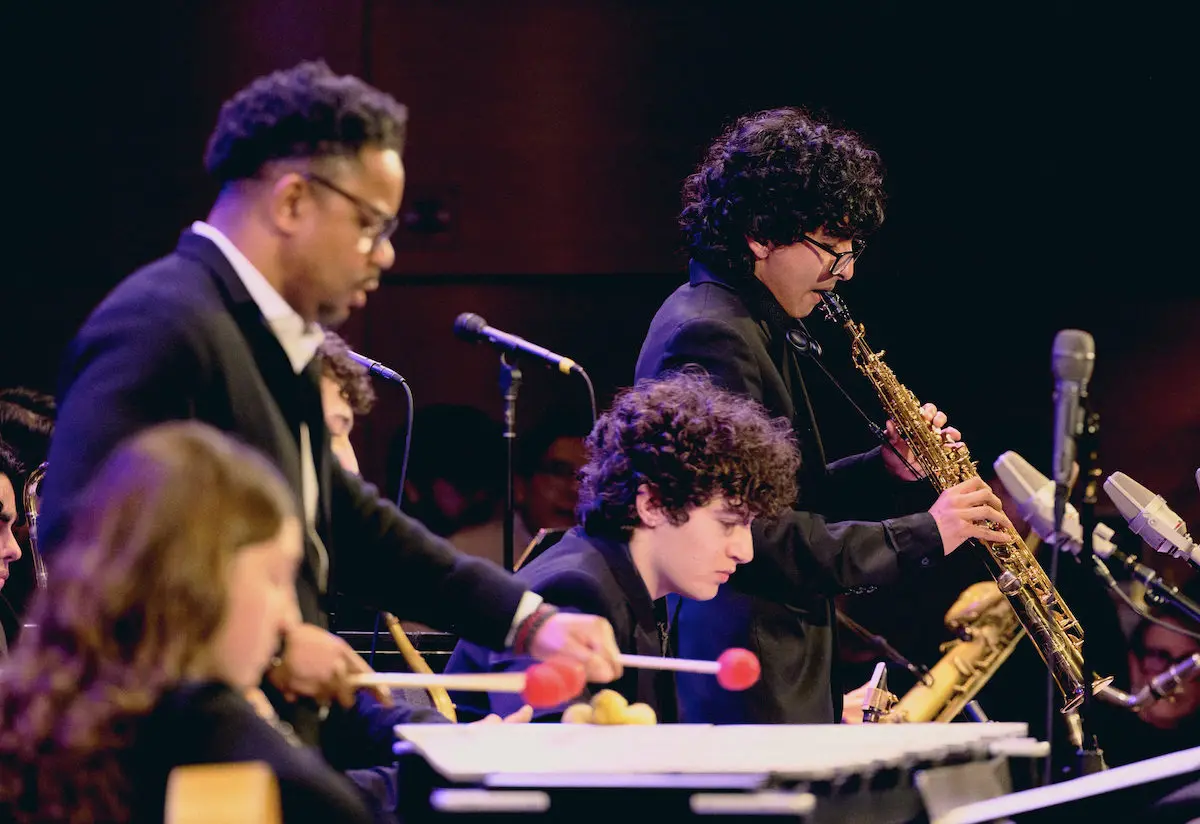
The landscape of contemporary jazz is currently witnessing a significant convergence of youthful innovation, veteran introspection, and scholarly archival preservation. This intersection is best exemplified by three recent and upcoming releases that span the breadth of the genre’s history and its future potential: the New York Youth Symphony (NYYS) Jazz ensemble’s sophomore effort Lineage, Danish multi-instrumentalist Karsten Vogel’s Late Night Ballads, and a comprehensive retrospective of the "forgotten master" Sonny Criss titled Selection d’Alain Gerber 1947-1958. Together, these recordings provide a panoramic view of the jazz idiom, from the high-energy big band traditions of New York City to the intimate balladry of Northern Europe and the historical bebop foundations of Los Angeles.
The New York Youth Symphony and the New Guard of Big Band Jazz
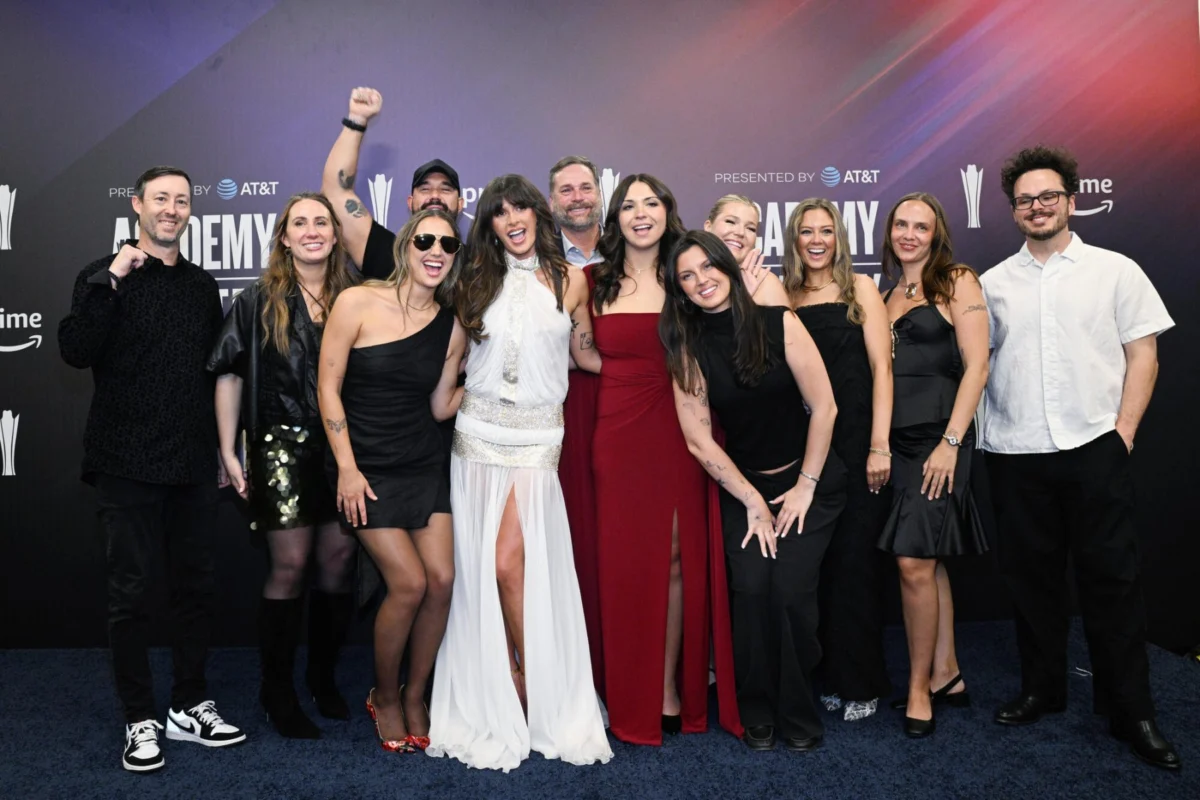
The New York Youth Symphony, an institution long celebrated for its contributions to classical music education, has increasingly become a powerhouse in the jazz world. Following their historic 2022 Grammy Award for Best Orchestral Performance—the first ever for a youth orchestra—the ensemble has shifted its focus toward the jazz repertoire with their latest album, Lineage. Recorded in June 2025, the album features 17 musicians aged between 15 and 22 who demonstrate a level of technical proficiency and emotional maturity that belies their years.
Under the direction of Michael Thomas, the NYYS Jazz ensemble utilizes Lineage to explore the foundational architects of the big band sound. While their debut release highlighted the works of contemporary Black composers such as Florence Price, Valerie Coleman, and Jessie Montgomery, this new project dives deep into the "lineage" of jazz composition. The repertoire includes works by Alan Ferber, Thad Jones, Wayne Shorter, Duke Ellington, Neil Hefti, and Joe Henderson.
Technical Mastery and Repertoire Selection
A standout track on the album is Thad Jones’s "Tiptoe," a composition originally featured on the 1960 album The Best Of Birdland Vol 2. The NYYS interpretation pays homage to the Thad Jones-Mel Lewis Jazz Orchestra’s version, featuring a sophisticated "Rhythm" chart. Critical listeners have noted the swaggering precision of the trombone section and the intricate woodwind arrangements. Specific highlights include the work of trumpeter Emma Kelner, utilizing a cup mute to evoke a vintage aesthetic, and alto saxophonist Levi Gingsburg, whose "ethereal" style has drawn comparisons to the legendary Lee Konitz.
The album also explores moodier territories with Wayne Shorter’s "Infant Eyes," featuring a poignant contribution from trombonist Basil Moore. The ensemble demonstrates its versatility on "Splanky," a track that requires a specific "Kansas City groove"—a relaxed, foot-tapping swing that culminates in a powerful shout-chorus. To stimulate interest ahead of the full vinyl double-album release, the tracks "Delay" and "Cottontail" were issued as singles, showcasing the band’s ability to handle both modern compositions and Ellingtonian classics.
The Significance of Big Band Preservation
The existence and success of the NYYS Jazz ensemble serve as a vital counter-narrative to the idea that big band music is a relic of the past. In his 1998 book Making The Scene, historian Alex Stewart identified 60 active big bands in New York City, a surprising figure given that the "Big Band Era" is generally considered to have ended in the late 1940s. Today, the NYYS continues this tradition, proving that the format remains a fertile training ground for the next generation of professional musicians. The institutional support for such an ensemble ensures that the "flame" of large-ensemble jazz remains vibrant in the 21st century.
Karsten Vogel and the Art of the Late-Night Ballad
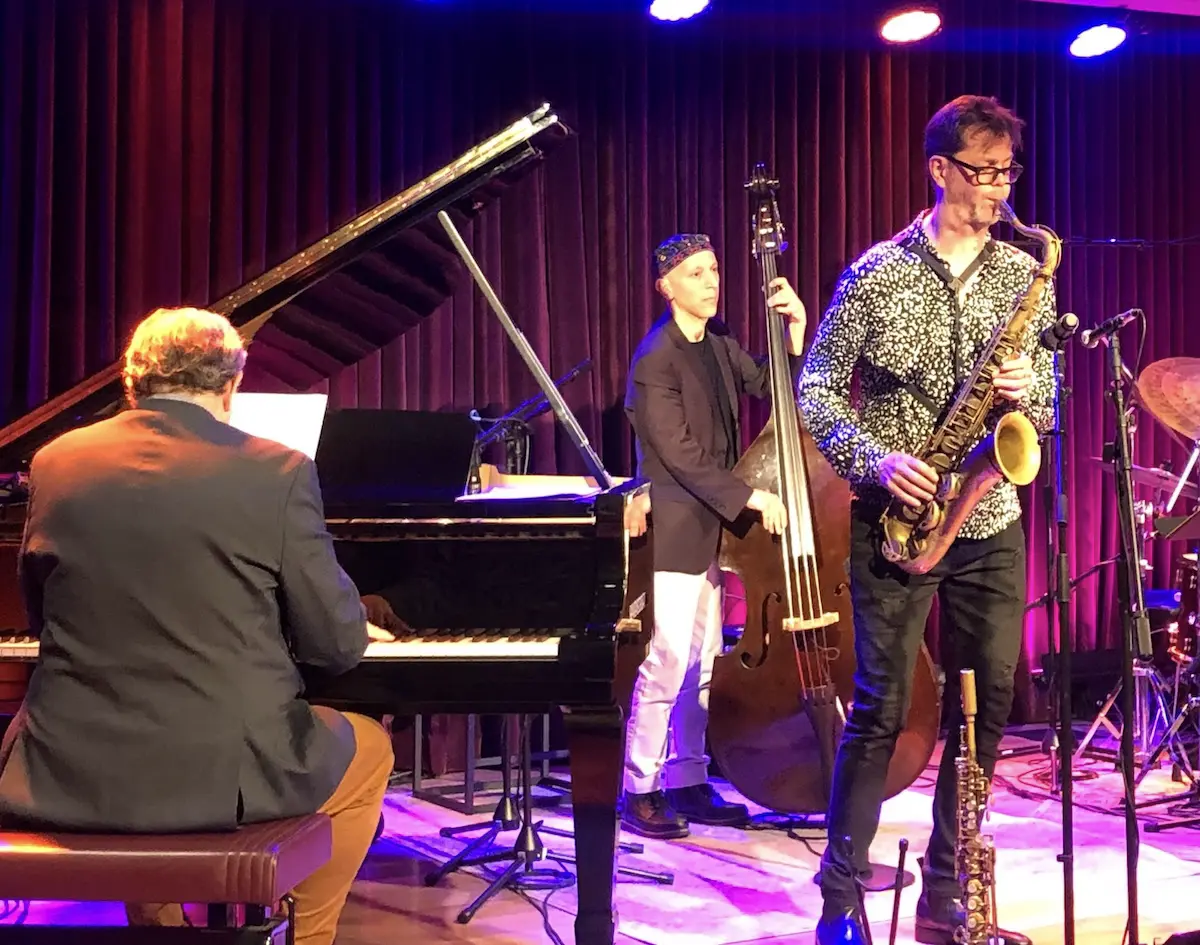
While the NYYS represents the collective energy of youth, Karsten Vogel’s Late Night Ballads represents the distilled wisdom of a veteran career. A multi-instrumentalist with a storied history in the European jazz-rock scene, Vogel has been a prominent figure in Danish music since the 1960s. Having led groups like Burnin’ Red Ivanhoe and Secret Oyster, Vogel’s career spans over 70 albums. However, Late Night Ballads marks a significant departure from his more eclectic and experimental roots, focusing almost exclusively on the "evergreen" torch songs of the Great American Songbook.
Influences and Aesthetic Shift
Vogel’s influences are diverse, ranging from the avant-garde explorations of Albert Ayler and Eric Dolphy to the lyrical smoothness of Paul Desmond and Stan Getz. In this latest release, recorded in Copenhagen on October 1, 2024, the influence of Paul Desmond is most prevalent. Vogel utilizes a "fragile, almost flute-like" alto saxophone sound, emphasizing melodic clarity and emotional restraint.
The album’s tracklist serves as a primer on the art of the ballad, featuring standards such as "You Go To My Head," "I Remember You," and "Don’t Explain." The inclusion of "Laura," a theme composed by David Raksin for the 1944 film of the same name, is particularly noteworthy. The song’s complex melodic structure was famously enhanced by Johnny Mercer’s lyrics, leading to legendary recordings by Frank Sinatra and Woody Herman. Vogel’s interpretation leans into the song’s haunting quality, a sentiment echoed by jazz historian Ted Gioia, who noted that Cole Porter once cited "Laura" as the one song he wished he had written.
Compositional Contributions and Personnel
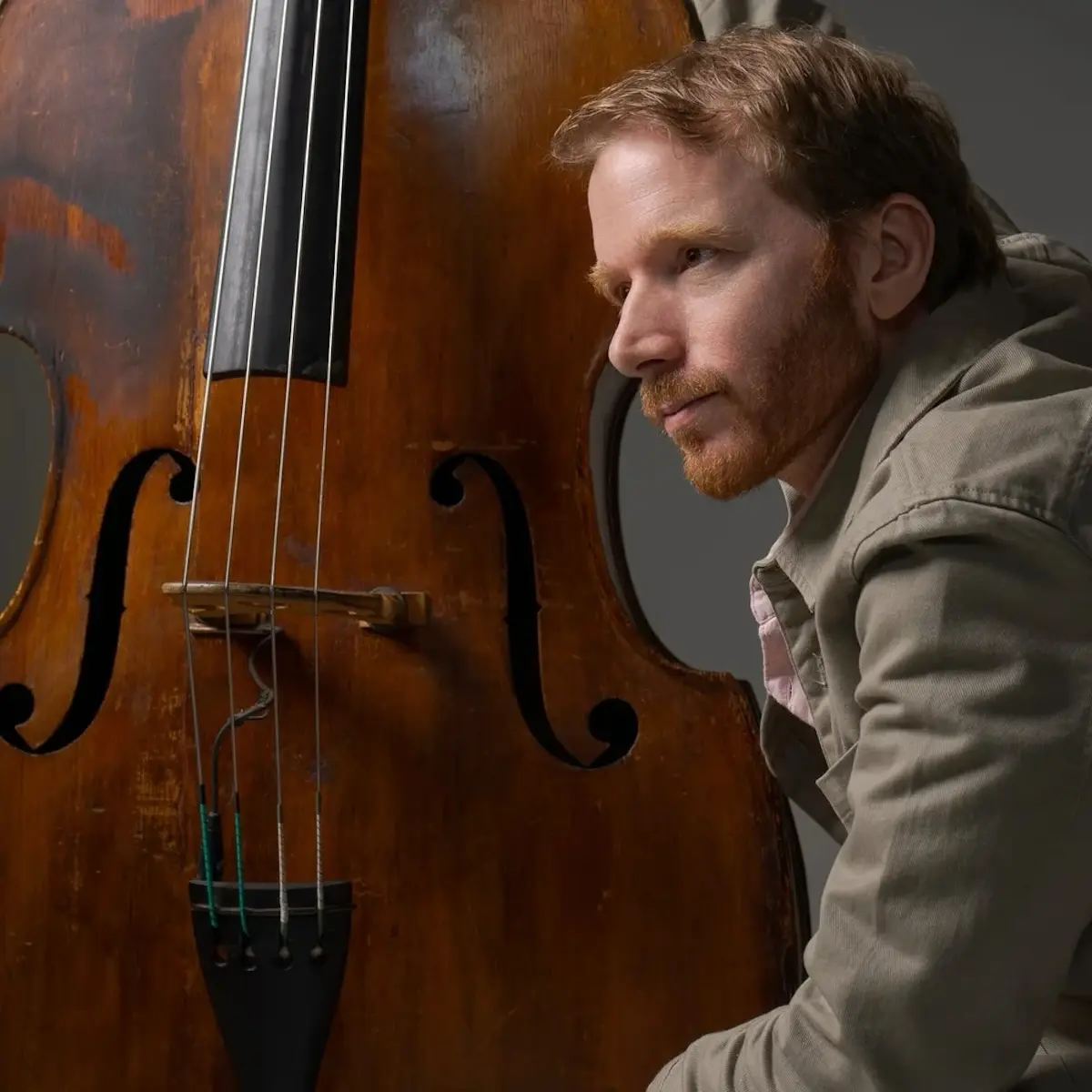
Despite the focus on standards, Vogel includes his own composition, "Open 24 Hrs," and Bud Powell’s "I’ll Keep Loving You." The latter is a nod to Powell’s 1949 trio sessions with Ray Brown and Max Roach, bridging the gap between bebop history and Vogel’s contemporary melodic approach. The quartet—comprising Mads Sondergaard on piano, Peter Hansen on bass, and Klaus Menzer on drums—provides a sympathetic backdrop that allows Vogel’s alto to remain the focal point of the narrative.
Sonny Criss: Resurrecting a Forgotten Master
The third pillar of this recent jazz output is an archival release from the French label Frémeaux & Associés. Sonny Criss: Selection d’Alain Gerber 1947-1958 aims to restore the reputation of an alto saxophonist who, despite immense talent, often lived in the shadow of Charlie Parker. Criss, a mainstay of the Los Angeles scene, was described by his mentor Buddy Collette as being "almost as good as Bird," yet he struggled for financial stability and mainstream recognition throughout his life.
The Early Years and the Bebop Connection
The first disc of the collection focuses on Criss’s formative years in the late 1940s. Even at the age of 20, his performance on "Hot House" displayed a maturity that rivaled the leaders of the bebop movement. The collection highlights his lyrical sensibilities on "Out Of Nowhere" and his inventive phrasing on "Tornado" (actually Denzil Best’s "Allen’s Alley"). Perhaps most impressively, the inclusion of "The Squirrel" finds Criss sharing the stage with Charlie Parker himself; critics have long noted that in these sessions, the two saxophonists are nearly indistinguishable in their speed and virtuosity.
Peak Performance and Technical Brilliance
The second disc covers the 1950s, a period when Criss was "really in his pomp." This era of his career was marked by a fierce passion and an unparalleled mastery of the 12-bar blues form, as heard on "Sonny And Sweets" and "West Coast Blues." One of the most remarkable technical feats in the collection is "Sweet Georgia Brown," which the ensemble performs at a staggering tempo of 75 bars per minute. Despite the blistering speed, Criss maintains a fluid, articulate line that reinforces his status as a technical virtuoso.
The collection features an elite roster of sidemen, including Harry "Sweets" Edison, Howard McGhee, Hampton Hawes, Barney Kessel, and Buddy Rich. By compiling these sessions, Frémeaux & Associés provides a necessary historical correction, placing Criss back in the conversation as one of the essential voices of 20th-century jazz.
Broader Impact and Implications for the Jazz Industry
These three releases—Lineage, Late Night Ballads, and the Sonny Criss retrospective—illustrate several key trends in the modern jazz market.
- Institutional Continuity: The success of the NYYS Jazz ensemble highlights the importance of non-profit arts organizations in sustaining jazz. By providing young musicians with the platform to record and release professional-grade albums, these institutions ensure that the technical skills required for big band jazz are passed down through generations.
- The Enduring Power of the Songbook: Karsten Vogel’s shift toward ballads suggests that the Great American Songbook remains a vital "lingua franca" for jazz musicians. Even for those with backgrounds in rock or avant-garde music, the challenge of interpreting a classic melody remains a benchmark of artistic maturity.
- The Value of Archival Curation: The Sonny Criss release underscores the ongoing role of European labels in preserving American jazz history. Labels like Frémeaux & Associés and Storyville Records continue to perform the essential work of remastering and contextualizing recordings that might otherwise be lost to time.
Conclusion
The simultaneous emergence of these recordings provides a unique moment for reflection on the state of jazz in 2025. Whether it is the 17 young members of the NYYS Jazz ensemble breathing new life into Thad Jones’s charts, Karsten Vogel exploring the fragile beauty of a David Raksin melody, or the archival restoration of Sonny Criss’s bebop brilliance, the common thread is a profound respect for the genre’s history. These works collectively demonstrate that jazz is not a static museum piece but a living, breathing lineage that continues to burn brightly across continents and generations.