Muhammad Ibadurrohman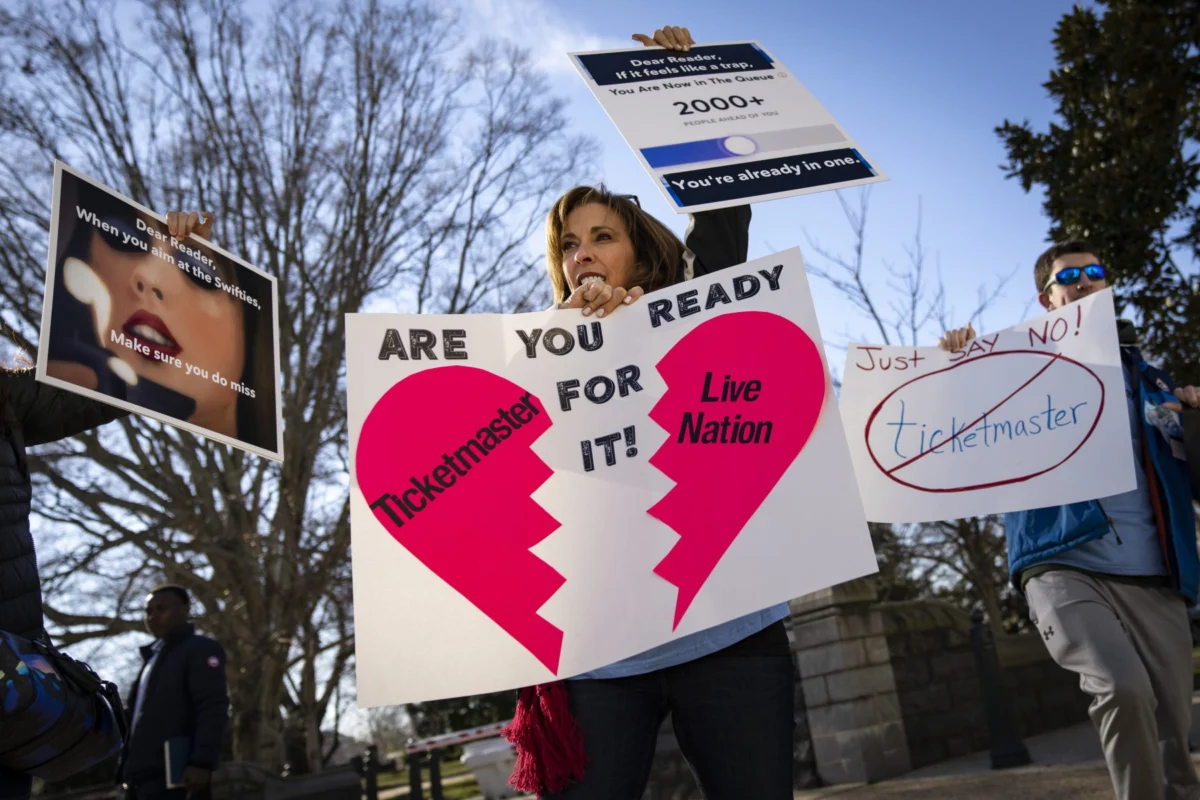
As the dust begins to settle on a landmark antitrust verdict, a New York jury has delivered a resounding condemnation of Live Nation, finding the entertainment giant operates an unlawful monopoly across multiple facets of the concert industry. This blockbuster decision, which emerged on Wednesday, April 15, following a month-long trial and four days of intense jury deliberations, marks a pivotal moment in the ongoing high-stakes legal battle. While the verdict firmly establishes Live Nation’s liability, the precise consequences and structural changes it will entail remain uncertain, awaiting the critical determination of U.S. District Judge Arun Subramanian.
The jury’s findings were explicit and comprehensive: Live Nation was found to have monopolized the market for primary concert ticketing and to have unlawfully coerced artists into using its promotion services as a prerequisite for performing at its extensive network of amphitheaters. This unequivocal "yes" on all counts validates years of complaints from artists, venues, consumer advocacy groups, and government regulators who have argued that the 2010 merger of Live Nation and Ticketmaster created an unchecked behemoth stifling competition and harming consumers.
The Genesis of a Monopoly: A Decade of Growing Concerns
The origins of this antitrust saga trace back to the controversial 2010 merger between Live Nation, the world’s largest concert promoter and venue operator, and Ticketmaster, the dominant force in ticketing services. At the time, the Department of Justice (DOJ) approved the merger under specific conditions, including a consent decree designed to prevent anti-competitive practices. This decree, meant to ensure fair play, stipulated that Live Nation would not retaliate against venues that chose competing ticketing services or threaten to withhold concerts from them. However, critics argued almost immediately that these conditions were insufficient and that the combined entity continued to leverage its immense power to suppress competition.
Over the ensuing decade, public outcry intensified. Consumers consistently reported exorbitant service fees, opaque pricing structures, and frustratingly limited access to tickets for popular events. Artists, too, voiced concerns about their lack of bargaining power and perceived pressure to work exclusively with Live Nation’s promotion and ticketing arms. The 2022 Ticketmaster meltdown during the presale for Taylor Swift’s "Eras Tour," which left millions of fans frustrated and fueled accusations of systemic failures and market dominance, brought these long-simmering grievances to a boiling point, galvanizing public and political will for renewed scrutiny.
In response to this mounting pressure and continued allegations of consent decree violations, the DOJ launched a new investigation. This eventually led to a federal lawsuit filed by the DOJ, joined by a consortium of state attorneys general, accusing Live Nation and Ticketmaster of illegally monopolizing the live entertainment industry. The lawsuit sought not only to impose new operational guardrails but also, for many states, to pursue the most severe remedy: the forced breakup of the two entities.
The Trial: Unpacking the Allegations

The month-long trial in New York saw prosecutors present a compelling case, arguing that Live Nation’s vertical integration – its control over artist management, concert promotion, venue ownership/operation, and ticketing – created an insurmountable barrier to entry for competitors. They detailed how this integrated structure allowed Live Nation to exert undue influence, effectively compelling venues to use Ticketmaster through threats of withholding lucrative tours and artists. Furthermore, evidence was presented alleging that Live Nation’s dominance in concert promotion compelled artists to accept less favorable terms if they wished to perform at Live Nation’s vast network of venues, or risk being shut out of major tours.
Witnesses from various corners of the music industry, including independent promoters, venue operators, and industry executives, testified to the challenges of competing against Live Nation’s entrenched power. They painted a picture of a market where independent players struggled to secure artists, venues, and fair ticketing contracts in the face of Live Nation’s comprehensive ecosystem. The jury, after carefully weighing the evidence, concluded that these practices indeed constituted an unlawful monopoly, violating federal antitrust laws.
The Crucial Next Phase: Determining the Remedy
With the liability verdict firmly established, the focus now shifts to Judge Arun Subramanian, who is tasked with determining the practical implications of the ruling for Live Nation’s future. This "remedy phase" is where the actual consequences, including potential financial damages and mandatory changes to the company’s business model, will be decided.
Critics of Live Nation, particularly the state attorneys general who aggressively litigated the trial, are advocating for the most drastic remedy: the forced divestiture of Ticketmaster from Live Nation. Their antitrust case was fundamentally built on the theory that the combined control over both ticketing and artist promotion grants Live Nation an anti-competitive edge, specifically by enabling it to threaten to withhold concerts from venues that do not exclusively use Ticketmaster. The jury’s verdict, in finding Live Nation liable for both monopolization and unlawful tying, can be interpreted as a strong endorsement of this core argument, bolstering the states’ call for a structural separation.
However, Judge Subramanian has a range of options at his disposal. He could opt for less severe structural remedies, such as requiring Live Nation to sell off other assets, including a portion of its extensive portfolio of owned or operated amphitheaters and venues. Lauren Spahn, an entertainment partner at the law firm Buchalter, suggests this could be a strategic approach to "weaken [Live Nation and Ticketmaster] without completely killing the combined companies," aiming to restore competition without dismantling the entire corporate structure.
Alternatively, the judge might lean towards behavioral remedies, imposing stringent operational guardrails on Live Nation’s business practices rather than forcing a breakup. This approach would draw parallels to recent antitrust cases, such as the 2024 verdict against Google for monopolizing the online search market. In that instance, a federal judge declined to order the forced divestiture of Google’s Chrome browser or its Android operating system. Instead, the judge mandated changes to Google’s contracting practices and required the company to make certain data available to rivals.
For Live Nation, such guardrails could include limiting its use of exclusive ticketing contracts, capping service fees to prevent price gouging, or mandating that the company open up its amphitheaters to rival promoters, thereby fostering a more competitive environment for artists and independent promoters. It is noteworthy that Live Nation had already agreed to implement many such changes to its business practices – and establish a $280 million payment fund – as part of a proposed settlement with the Department of Justice, which was struck just days into the antitrust trial. Following the verdict, Live Nation issued a statement reiterating its confidence that "the ultimate outcome of the states’ case will not be materially different than what is envisioned by the DOJ settlement."

An Unprecedented Legal Conundrum
The situation is further complicated by the divergence between the DOJ’s proposed settlement and the states’ continued pursuit of a more stringent structural remedy. Many state attorneys general, who initially partnered with the DOJ in the lawsuit, sharply criticized the federal settlement as too lenient and insufficient to address the core anti-competitive issues. Their subsequent decision to forge ahead with the trial independently now places Judge Subramanian in a truly "unprecedented" position, as described by Kenneth Dintzer, an antitrust partner at Crowell & Moring and a former DOJ official.
"Nobody’s ever seen something quite like this," Dintzer told Billboard. "So exactly how these cards are going to be shuffled is anybody’s guess." The judge must now simultaneously evaluate the DOJ’s settlement proposal – which Live Nation hopes will be approved – and consider the states’ arguments for a more drastic structural remedy, all while upholding the jury’s findings of unlawful monopolization. This legal tightrope walk involves balancing differing government agency approaches, legal precedents, and the broad implications for a multi-billion-dollar industry.
Market Dynamics and Broader Implications
Live Nation’s dominance in the live entertainment sector is staggering. Industry estimates suggest that its Ticketmaster subsidiary controls upwards of 70-80% of the primary ticketing market for major concert venues in the United States. Furthermore, Live Nation itself reportedly promotes over 35,000 concerts annually and owns or operates more than 200 venues worldwide, ranging from small clubs to iconic arenas and amphitheaters. This extensive vertical integration has, according to plaintiffs, created an ecosystem where true competition is severely hampered.
The implications of this verdict, regardless of the eventual remedy, are profound for various stakeholders:
- For Consumers: A stronger remedy could potentially lead to lower ticket prices, reduced service fees, greater transparency, and improved access to tickets through a more competitive market. However, as Spahn noted, any changes will take considerable time to "trickle down."
- For Artists: Enhanced competition could increase artists’ bargaining power, potentially leading to better terms for touring and more choices in promoters and ticketing services. Independent artists and smaller acts, in particular, might find it easier to gain access to venues and audiences.
- For Independent Promoters and Venues: A more level playing field could foster innovation and growth among independent players, allowing them to compete more effectively for talent and venues without fear of retaliation or being shut out by Live Nation’s dominance.
- For Live Nation: The company faces a period of significant uncertainty and potential restructuring. While it maintains confidence in its legal position and the appeal process, any mandated changes could impact its operational model, revenue streams, and market strategy.
- For Antitrust Law: This case could set a significant precedent for how courts address vertical integration in fast-evolving digital and entertainment markets. The unique scenario of divergent government remedies also adds a novel layer to antitrust enforcement.
Reactions from Stakeholders
Following the verdict, reactions from various parties underscored the high stakes involved. Live Nation, while expressing disappointment, affirmed its commitment to appealing "any unfavorable rulings," signaling a prolonged legal battle. Their continued emphasis on the DOJ settlement suggests a preference for a less disruptive outcome.

Conversely, the state attorneys general who pressed the case expressed satisfaction with the jury’s verdict, viewing it as a vindication of their efforts to protect consumers and ensure fair competition. They are expected to vigorously advocate for the most robust remedies, including divestiture, to fundamentally alter the market landscape.
Consumer advocacy groups, such as the newly formed "Fans for Fair Ticketing" coalition, hailed the verdict as a monumental victory for fans and a crucial step towards restoring fairness in the live entertainment industry. They are likely to maintain pressure on Judge Subramanian to impose a strong, transformative remedy that directly addresses the concerns of concertgoers.
Within the broader music industry, independent promoters and smaller venue operators expressed cautious optimism, hoping that the verdict would eventually lead to a more equitable and competitive environment. Many artists, who often operate within the constraints of the existing system, are likely watching closely, anticipating potential shifts that could benefit their careers and their relationship with their fans.
The Long Road Ahead
The immediate future holds several critical stages. Judge Subramanian will need months, and potentially up to a year, to gather all necessary arguments and evidence before issuing detailed decisions on both the DOJ settlement and the proposed remedy. This will involve further hearings, expert testimony, and legal briefs from all parties.
Following the judge’s remedy order, Live Nation has made it clear that it "can and will appeal any unfavorable rulings." Such an appeal would elevate the case to a higher court, potentially dragging the proceedings out for at least another year, if not longer. This protracted legal process means that, despite the significant verdict, any tangible changes that "trickle down to the consumer level" are still a considerable time away.
In essence, while the jury’s verdict against Live Nation marks a historic moment in antitrust enforcement, it is merely the end of one chapter and the beginning of another, equally complex and high-stakes, legal journey. The ultimate shape of the live entertainment industry, and the experience of concertgoers and artists alike, hinges on the decisions yet to come.