Muhammad Ibadurrohman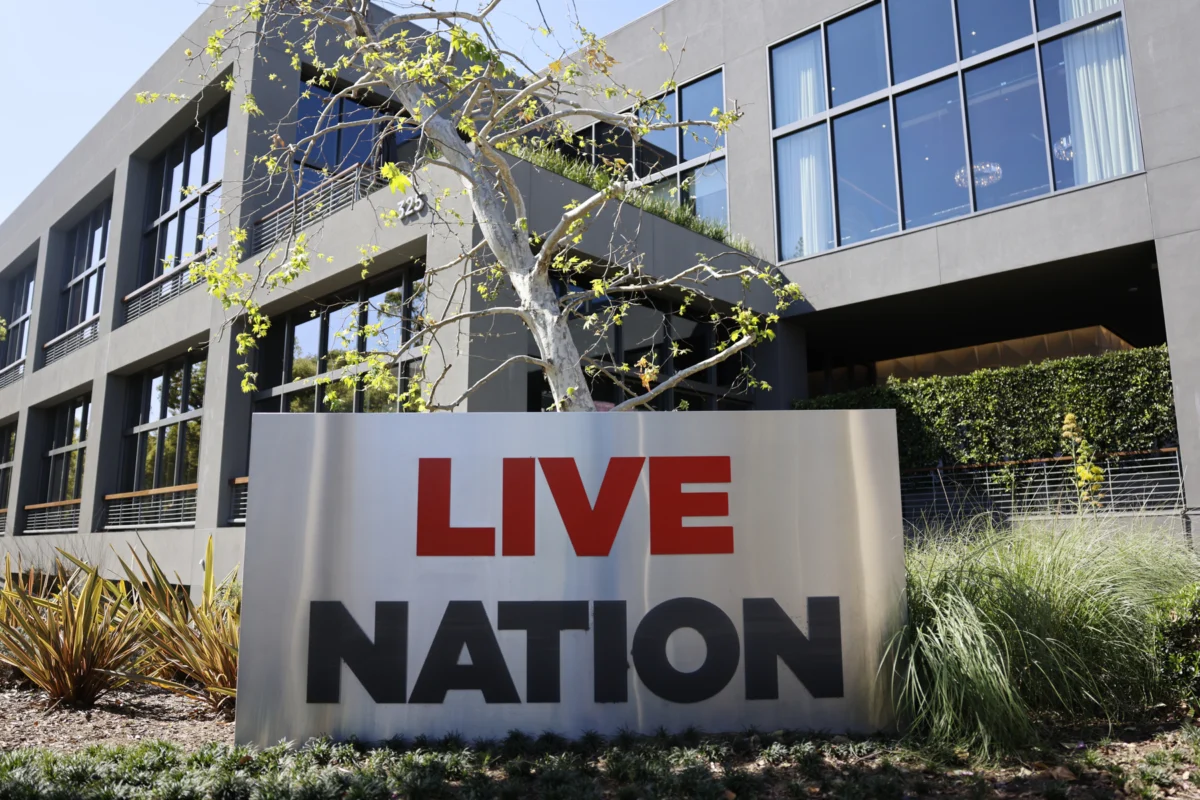
Following a landmark verdict delivered on Wednesday, April 15, 2026, a federal jury found that concert giant Live Nation and its subsidiary, Ticketmaster, violated both federal and state antitrust laws, marking a significant victory for the coalition of states that initiated the legal challenge. This historic decision opens the door to potential remedies, including the highly anticipated possibility of breaking up the vertically integrated entertainment behemoth, a move long advocated by artists, venues, and consumer groups. The ruling has sent ripples throughout the live entertainment industry, prompting a wave of reactions from various stakeholders, including government officials, industry associations, and consumer advocacy organizations, all weighing in on the implications for the future of ticketing and concert promotion.
The Genesis of the Antitrust Challenge: A Decade and a Half of Scrutiny
The roots of this monumental legal battle trace back to the controversial 2010 merger of Live Nation, then the world’s largest concert promoter, and Ticketmaster, the dominant ticketing service provider. Despite initial concerns from the Department of Justice (DOJ) and numerous consumer groups regarding potential monopolistic practices, the merger was ultimately approved with certain behavioral remedies intended to preserve competition. These remedies included agreements that Live Nation would license its ticketing software to competitors and refrain from retaliating against venues that chose other ticketing providers. However, critics argued from the outset that these conditions were insufficient to counteract the immense market power created by combining a primary promoter with the leading ticket seller.
Over the ensuing years, Live Nation Entertainment grew into an unparalleled force in the live entertainment ecosystem, integrating concert promotion, venue ownership and operation, artist management, and ticketing under one roof. Ticketmaster, as its ticketing arm, commands an estimated 70-80% market share for major concert venues in the United States, a figure that has consistently fueled accusations of monopolistic control. This vertical integration, where Live Nation controls the artists, the venues, and the means of selling tickets, created a formidable barrier to entry for potential competitors and allegedly stifled innovation and fair pricing.
Public frustration escalated over the years, marked by persistently high service fees, opaque pricing structures, and a perceived lack of consumer choice. The issues came to a head with several high-profile incidents, most notably the chaotic ticket sales for major tours, which left millions of fans locked out or facing exorbitant prices on the secondary market. These events reignited public and governmental scrutiny, providing a powerful impetus for a renewed antitrust investigation. The current lawsuit, led by New York Attorney General Letitia James and joined by a bipartisan coalition of 33 other states and the District of Columbia, directly challenged Live Nation’s alleged leveraging of its promotional dominance to coerce venues into exclusive ticketing agreements with Ticketmaster, effectively shutting out rivals and inflating costs for consumers.
The Landmark Trial and Evidentiary Breakthroughs
The trial, which spanned several weeks, saw prosecutors meticulously lay out their case against Live Nation and Ticketmaster. They argued that the companies systematically abused their dominant position to maintain a monopoly in the live event ticketing market, harming competition, artists, and fans alike. Key evidence presented included internal communications from Live Nation executives, which reportedly contained candid remarks about the company’s market power and pricing strategies, including one widely cited comment about "robbing fans blind" through fees. Attorneys for the states detailed how Live Nation allegedly threatened to withhold lucrative concert bookings from venues that declined to use Ticketmaster’s services, creating an environment where venues felt compelled to sign long-term, exclusive contracts.
The defense, on its part, contended that the market for live entertainment is highly competitive, pointing to the existence of numerous smaller ticketing companies and promoters, as well as the dynamic nature of the industry. They argued that the fees charged by Ticketmaster are necessary to cover the substantial costs of advanced ticketing technology, fraud prevention, customer service, and venue infrastructure. Live Nation maintained that its vertical integration merely represents efficient business practices that benefit both artists and fans by streamlining operations and offering comprehensive services. They also argued that the high demand for popular events, rather than monopolistic practices, was the primary driver of ticket prices.

However, the jury was ultimately swayed by the prosecution’s arguments and the weight of evidence presented. Their unanimous verdict on April 15, 2026, finding Live Nation and Ticketmaster guilty of violating federal and state antitrust laws, underscored the widespread belief that the companies’ business model had indeed crossed the line into anti-competitive behavior. The finding that consumers were overcharged by an average of $1.72 on every single ticket, as highlighted by the Coalition for Ticket Fairness, underscored the direct financial impact of these practices on the public.
Industry and Stakeholder Reactions: Calls for Sweeping Reform
The verdict immediately triggered a cascade of reactions from across the live entertainment landscape, reflecting years of pent-up frustration and renewed hope for a more equitable market.
Live Nation, while acknowledging the verdict, promptly issued a statement indicating its intent to appeal. "The jury’s verdict is not the last word on this matter. Pending motions will determine whether the liability and damages rulings stand. Of course, Live Nation can and will appeal any unfavorable rulings on these motions," the company stated, signaling a prolonged legal battle ahead.
New York Attorney General Letitia James, a driving force behind the lawsuit, celebrated the outcome. "For far too long, Live Nation and Ticketmaster have taken advantage of fans and artists by raising prices for tickets and stifling any competition that threatened their power. A jury found what we have long known to be true: Live Nation and Ticketmaster are breaking the law and costing consumers millions of dollars in the process. I am proud to have led a bipartisan coalition of attorneys general in bringing this case and look forward to continuing our work to hold Live Nation and Ticketmaster accountable."
The National Independent Venue Association (NIVA), a strong advocate for independent venues, expressed profound relief and demanded immediate, decisive action. Executive director Stephen Parker emphasized the financial scale of Live Nation’s operations during the trial, stating, "In the 44 days Live Nation’s lawyers spent arguing about whether they broke the law, Live Nation made $3.1 billion. Today, the jury confirmed what artists, fans, and independent venues have believed for 15 years: Live Nation is a monopoly. The consequences should be swift and disruptive to their vertically-integrated market power." NIVA specifically called for a breakup of Live Nation and Ticketmaster, proposing that Ticketmaster be barred from participating in the ticket resale market and Live Nation be restricted from promoting more than 50% of artists’ tours. They also urged that damages be remitted directly to independent venues, promoters, festivals, and fans who suffered under the alleged monopolistic reign.
The National Independent Talent Organization (NITO) echoed these sentiments, urging the presiding judge, Judge Subramanya, to "focus on remedies that guarantee an open market with greater transparency, reduced fees, and more options for both fans and artists." They viewed the verdict as a crucial "positive step forward" for all stakeholders.
Dustin Brighton, director of government relations at the Coalition for Ticket Fairness, hailed the decision as a "landmark moment for fans." He asserted that the trial "pulled back the curtain on how the monopoly operates," exposing executive jokes about "robbing fans blind" and confirming consumer overcharges. Brighton called for remedies focused on "restoring competition, increasing transparency, and ensuring fans have real choice."
John Breyault, VP of public policy, telecommunications, and fraud at the National Consumers League, articulated the consumer perspective: "Today’s verdict confirms what millions of fans already knew: Live Nation and Ticketmaster used their dominance to build and protect an illegal monopoly at the direct expense of consumers." He pressed policymakers to "move quickly to break up this stranglehold and restore real competition, transparency, and fair prices for fans."

The National Association of Ticket Brokers (NATB) viewed the verdict as a "victory for competition, the free market, and most importantly, the fans." They expressed hope that the decision would lead to a future where "ticketing professionals compete on the quality of their services, rather than being sidelined by a monopoly."
Beyond these direct statements, industry analysts and economists largely supported the jury’s findings, noting that the verdict could set a significant precedent for antitrust enforcement in other sectors. Many artists and artist managers, who have long privately complained about the limited options and restrictive terms imposed by Live Nation and Ticketmaster, expressed cautious optimism that the decision could lead to more artist-friendly deal structures and greater control over their touring revenue and fan experience. Smaller promoters and ticketing platforms, often struggling to compete against Live Nation’s integrated power, also viewed the verdict as a potential lifeline, hoping for a more level playing field.
Implications and the Road Ahead: A New Era for Live Entertainment?
The immediate aftermath of the verdict will focus on the remedies phase, where the court will determine the specific actions Live Nation and Ticketmaster must take to rectify their antitrust violations. This phase is expected to be contentious and could involve extensive legal arguments. The range of potential remedies is broad, with the most impactful being a structural remedy: the divestiture of Ticketmaster from Live Nation.
Divestiture, or breaking up the companies, would fundamentally alter the landscape of live entertainment. It would force Live Nation to choose between promoting concerts, owning venues, or managing artists, and Ticketmaster to operate as an independent ticketing service. Such a separation would theoretically introduce more competition into both the promotion and ticketing sectors, potentially leading to lower fees, more transparent pricing, and greater innovation as companies vie for business. However, implementing a breakup would be a complex and lengthy process, requiring careful unbundling of assets, contracts, and operational interdependencies built over 15 years.
Alternatively, the court could opt for behavioral remedies, which would impose strict rules on how Live Nation and Ticketmaster operate without necessarily splitting them apart. These could include limitations on exclusive ticketing contracts, mandatory disclosure of all fees upfront, caps on service charges, stricter regulations on dynamic pricing, or requirements to license their technology to competitors on fair terms. While less drastic than a breakup, effective behavioral remedies could still significantly curb Live Nation’s market power and promote fairer practices.
The verdict also carries significant financial implications. The finding of consumer overcharges by $1.72 per ticket could lead to substantial monetary damages to be paid to the states, which might then be directed towards consumer relief or industry development funds, as NIVA suggested. Live Nation’s stock price could experience volatility as investors react to the uncertainty of future operational changes and potential liabilities.
For consumers, the hope is for a tangible improvement in the ticketing experience: lower prices, reduced fees, clearer information, and more choices when purchasing tickets. For artists and venues, a more competitive environment could mean better negotiating power, more favorable contract terms, and increased revenue retention. Smaller competitors could finally find breathing room to grow and innovate, fostering a more dynamic and diverse live entertainment market.
This verdict also resonates within a broader context of increased antitrust enforcement against large corporations in the United States, particularly in the tech and entertainment sectors. It signals a governmental willingness to challenge established giants perceived to be stifling competition and harming consumers. While Live Nation is poised for a lengthy appeals process, this landmark ruling on April 15, 2026, undeniably marks a pivotal moment, raising the prospect of a fundamental restructuring of the live entertainment industry and a potential return to a more competitive and consumer-friendly marketplace. The outcome of the remedies phase and subsequent appeals will be closely watched, as they will ultimately determine the long-term impact of this historic decision.