Lana Akmaluna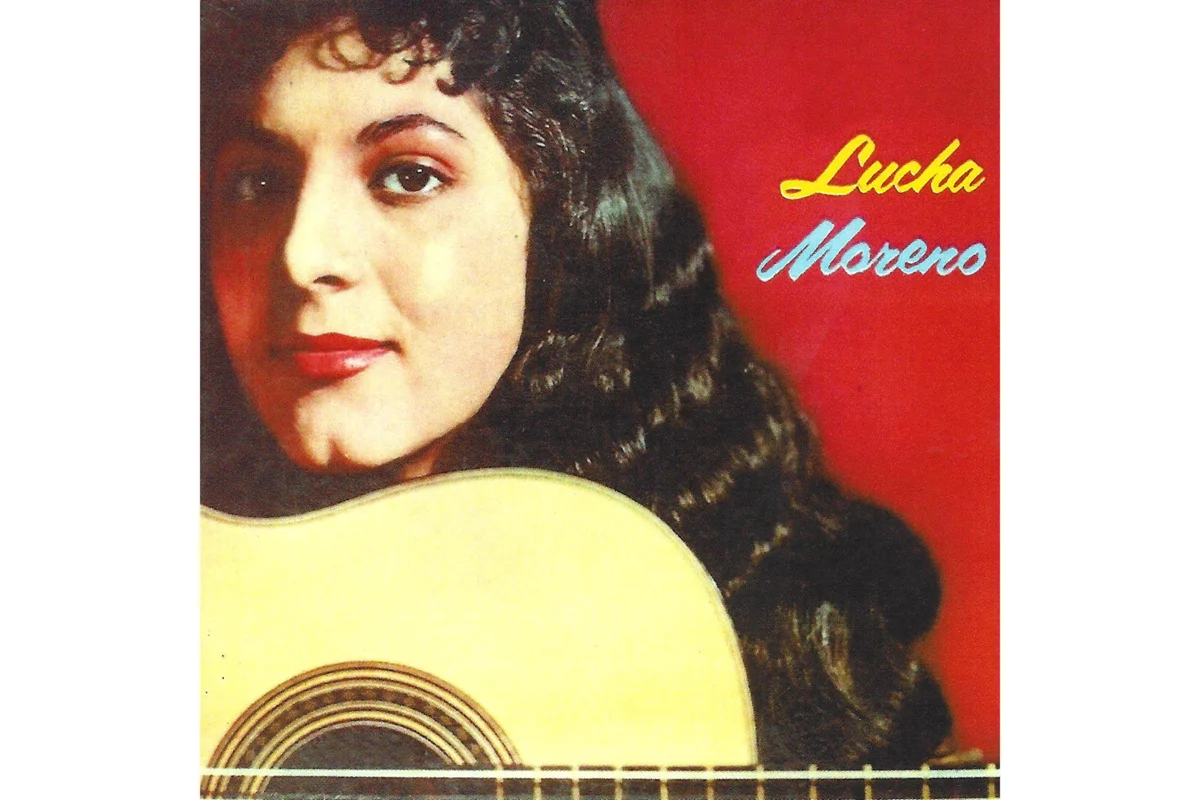
The cultural landscape of Mexico mourns the loss of one of its most enduring voices as Lucha Moreno, a definitive figure of ranchera music and a stalwart of the Golden Age of Mexican cinema, passed away on Wednesday, April 15, at the age of 86. The news of her transition was confirmed by her daughter, Irma Hernández—widely recognized by the public as Mimí from the seminal 1980s pop group Flans. Moreno’s death marks the closing of a significant chapter in the history of Mexican entertainment, as she represented one of the final living links to the mid-century cinematic and musical movements that defined the nation’s cultural identity on the global stage.
According to official statements released by family representatives to Billboard Español, Moreno died of natural causes in Mexico City. She was reportedly surrounded by her immediate family, including her children, grandchildren, and a great-granddaughter, ensuring her final moments were spent in the company of those who carried her personal and professional legacy. Mimí shared a poignant tribute via social media, describing her mother as a "warrior" with a "pure heart" who ascended "surrounded by a bunch of little angels." This sentiment reflects the deep reverence held for Moreno, not only as a matriarch but as a formidable artist who maintained her dignity and influence across seven decades of public life.
The Formative Years and the Roots of a Ranchera Legend
Born Irma Gloria Ochoa Salinas on April 23, 1939, in Guadalupe, Nuevo León, the artist who would become Lucha Moreno was raised in a region deeply steeped in the traditions of northern Mexican music. Her upbringing in Nuevo León provided a foundational understanding of the emotional gravity required for ranchera and vernacular music. From a young age, her vocal prowess was evident, characterized by a rare combination of technical control and the raw, guttural passion essential to the "canción ranchera."
Moreno’s emergence in the late 1950s coincided with a transformative period in the Mexican music industry. As the traditional sounds of the countryside migrated to urban centers like Mexico City, voices like Moreno’s became the bridge between rural heritage and modern commercial success. Her stage name, Lucha Moreno, became synonymous with a specific style of performance that balanced the elegance of a film diva with the grit of a folk singer.
Cinematic Debut and the Golden Age of Mexican Cinema
Lucha Moreno’s entry into the film industry occurred during the twilight of the Golden Age of Mexican Cinema (Época de Oro del Cine Mexicano). This era, roughly spanning from the mid-1930s to the late 1950s, was characterized by high production values and the creation of a national mythology through film. Moreno made her screen debut in 1957 in the film Asesinos, S.A., directed by Adolfo Fernández Bustamante.
In this production, she shared the screen with legendary performers such as Adalberto Martínez "Resortes," Kitty de Hoyos, and Sara Guasch. Her performance of the song "La Noche de Mi Mal" in the film showcased her ability to integrate musical performance into narrative storytelling, a hallmark of Mexican cinema at the time. Her presence on screen was marked by a commanding stage presence that allowed her to hold her own alongside established titans of the industry. Her involvement in this period solidified her status as a "Diva de la Música Ranchera," a title reserved for women who could command both the recording studio and the silver screen.
The Duo of Lucha Moreno and José Juan: A Musical Powerhouse
While her solo career was formidable, Moreno’s cultural impact reached its zenith in the 1960s through her partnership with her husband, José Juan Hernández. Together, as the duo Lucha Moreno y José Juan, they became one of the most successful and beloved acts in the history of Mexican vernacular music. Their chemistry, both personal and professional, resonated with a public that saw them as the embodiment of the traditional Mexican family unit.
The duo recorded approximately 20 albums, primarily under the prestigious Orfeón and RCA Victor labels. These recordings often featured the backing of elite ensembles, including the Mariachi Monumental de Silvestre Vargas. Their discography is a testament to the evolution of the ranchera genre, incorporating elements of the bolero and traditional folk. Notable hits such as "Tú y Yo," "Deja Deja," and "La Margarita" became staples of Mexican radio and remain influential in the canon of Latin American music.
Key albums that define this era of her career include:

- Tú y Yo (1970)
- Lucha Moreno y José Juan Con El Mariachi Monumental De Silvestre Vargas – Amor Perfecto (1970)
- Serenata De Amor Con Lucha Moreno Y José Juan (1976)
These works were more than mere commercial products; they were cultural artifacts that preserved the "música de mariachi" during a time when international rock and pop began to dominate the airwaves.
Transition to Television and the Telenovela Era
As the Mexican film industry shifted away from the grand spectacles of the Golden Age, Lucha Moreno successfully transitioned into the burgeoning world of television. In the 1980s and 1990s, she became a recognizable face in the "telenovela," a medium that had become Mexico’s primary cultural export.
Moreno appeared in several iconic productions that defined the genre during its peak. Her roles in Quinceañera (1987), Amor en Silencio (1988), and Amor de Nadie (1990) allowed her to reach a new generation of viewers. She also contributed to the success of Acapulco, Cuerpo y Alma (1995) and Te Sigo Amando (1996). Her ability to move from the operatic scale of ranchera music to the intimate, high-stakes drama of the telenovela demonstrated a versatile artistry that ensured her longevity in an industry often criticized for its ageism.
Family Legacy and Personal Life
Lucha Moreno’s personal life was as deeply rooted in the arts as her professional one. Her marriage to José Juan Hernández spanned nearly six decades, ending only with his death in January 2025 at the age of 89. This partnership was viewed by many in the industry as a rare example of stability and mutual support in the volatile world of entertainment.
The couple had three children: Ileana, who preceded her mother in death; José Juan Hernández Ochoa, who pursued music before transitioning into business; and Irma "Mimí" Hernández. The success of Mimí in the group Flans represented a continuation of the family’s musical dominance, albeit in a different genre. Flans was instrumental in the 1980s "Latin Pop" explosion, and Moreno was often seen as a supportive figure behind her daughter’s career, effectively passing the torch from the traditional ranchera era to the modern pop era.
Historical Context and Cultural Implications
The passing of Lucha Moreno is a significant moment for the preservation of Mexican cultural history. Ranchera music, often criticized for being male-dominated, found a powerful feminine voice in Moreno. Along with contemporaries like Lola Beltrán and Lucha Villa, Moreno helped redefine the role of women in the genre, proving that they could deliver the same "sentimiento" and vocal power as their male counterparts.
Furthermore, her career serves as a roadmap for the evolution of Mexican media. From the early days of radio and cinema to the global dominance of Televisa’s telenovelas, Moreno was present at every major juncture. Her ability to adapt while maintaining her artistic integrity is a case study in the resilience of traditional Mexican icons.
Official Reactions and Tributes
Following the announcement of her death, tributes have poured in from across the Latin entertainment industry. Peers, critics, and fans have noted her contributions to the "vernacular" style, emphasizing that she was one of the last artists who could perform the difficult "falsetto" and "grito" techniques with authentic ease.
Cultural institutions in Mexico are expected to hold commemorations in honor of her work, recognizing her not only as a singer and actress but as a guardian of the Mexican "ranchera" spirit. Her discography remains a vital resource for students of Latin American music, and her films continue to be broadcast as part of the nation’s cinematic heritage.
Lucha Moreno’s legacy is defined by her unwavering commitment to the traditions of her homeland. In an era of rapid globalization, she remained a steadfast symbol of "Mexicaneidad." Her voice, preserved on dozens of records and film reels, will continue to serve as a benchmark for excellence in ranchera music. As the industry reflects on her 86 years, it is clear that Lucha Moreno did not just participate in the Golden Age of Mexican culture—she helped create it.