Nayara Elvina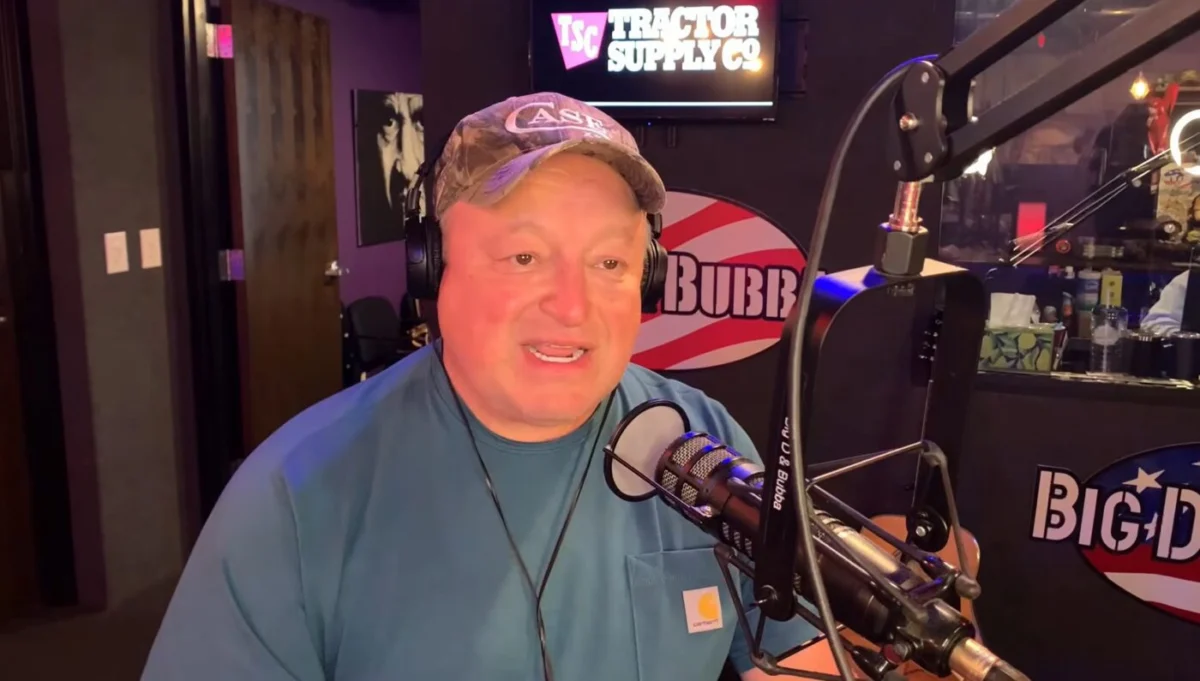
Mark Chesnutt, a cornerstone of the 1990s neo-traditionalist country music movement, has entered 2026 with a renewed sense of purpose and a clean bill of health following a turbulent five-year period marked by debilitating injuries, life-threatening surgeries, and a severe battle with alcohol dependency. The "Bubba Shot the Jukebox" singer recently shared candid insights into his recovery, detailing a timeline of medical crises that nearly ended his career and his life. His journey from a "handle-a-day" addiction to nearly three years of continuous sobriety serves as a significant narrative of resilience within the country music industry, highlighting the often-overlooked connection between chronic physical pain and substance abuse among touring professionals.
The genesis of Chesnutt’s health decline can be traced back to 2021, a year that fundamentally altered his physical capabilities. During this period, Chesnutt suffered a severe back injury, resulting in a broken back and subsequent nerve damage. For a performer whose career relied on the physical demands of touring and stage presence, the injury was catastrophic. The initial trauma necessitated multiple surgeries, yet the recovery process was fraught with complications. Nerve damage, a common byproduct of spinal fractures, often leads to chronic, neuropathic pain that is notoriously difficult to manage with conventional medicine. It was during this recovery phase that Chesnutt’s reliance on alcohol transitioned from social consumption to a dangerous coping mechanism.
In a recent interview with the media personalities Big and Bubba, Chesnutt provided a harrowing account of his descent into alcoholism. He described a progression that began with beer and whiskey before escalating to wine and, eventually, heavy spirits. At the height of his addiction, Chesnutt revealed he was consuming a "handle" of vodka—approximately 1.75 liters—every single day. "I took it to the extreme," Chesnutt admitted, noting that the isolation of his recovery from back surgery provided an environment where he "just sat around and drank all the time." The physiological toll of consuming such a high volume of alcohol is immense, often leading to acute liver distress, cognitive impairment, and cardiovascular strain.
The timeline of Chesnutt’s medical emergencies illustrates the cumulative impact of his lifestyle and physical injuries. In late 2023, the singer was hospitalized for an undisclosed illness that forced a string of tour cancellations. While the specific diagnosis was not public at the time, it coincided with his decision to pursue sobriety. By November 2023, Chesnutt had officially stopped drinking, a milestone that marked the beginning of a difficult but necessary physiological reset. However, the damage to his cardiovascular system, potentially exacerbated by years of heavy drinking and the stress of chronic pain, culminated in a critical event in the summer of 2024.
In June 2024, Chesnutt underwent emergency quadruple bypass surgery. Formally known as a Coronary Artery Bypass Graft (CABG), this procedure is a major surgery used to treat severe coronary heart disease. It involves diverting blood around clogged parts of the major arteries to improve blood flow and oxygen supply to the heart. For an individual in their early 60s, a quadruple bypass is a high-stakes intervention requiring months of intensive rehabilitation. Following the surgery, Chesnutt’s team issued statements requesting privacy and prayers, reflecting the gravity of the situation. Medical experts note that while CABG surgery has a high success rate, the recovery process is significantly influenced by the patient’s prior health status and lifestyle choices.
Despite the successful heart surgery, Chesnutt faced another setback in late 2025. He was hospitalized once again, this time presenting with dangerously low sodium levels (hyponatremia) and high blood pressure. Hyponatremia can be caused by various factors, including certain medications, kidney problems, or excessive water intake, but in recovering alcoholics, it is often linked to long-term changes in metabolic function. High blood pressure, or hypertension, remains a common post-surgical complication that requires careful management to prevent further cardiac events or strokes. This 2025 hospitalization served as a stark reminder of the fragile nature of his health, even as he maintained his commitment to sobriety.
The broader implications of Chesnutt’s struggle are reflected in the statistics surrounding the music industry and chronic pain. According to studies on occupational health for performing artists, musicians are at a disproportionately high risk for musculoskeletal injuries and subsequent opioid or alcohol dependency. The "road culture" of the country music circuit, characterized by late nights, easy access to alcohol, and the pressure to perform through pain, creates a "perfect storm" for addiction. Chesnutt’s admission that he used vodka to "ease the pain" of his back injury aligns with the experiences of many artists who turn to self-medication when traditional pain management fails or becomes inaccessible.
Chesnutt’s career context adds weight to his recovery. With 14 number-one hits and 23 top-ten singles, he remains one of the most successful country artists of the 1990s. His hits, such as "It’s a Little Too Late," "Goin’ Through the Big D," and "I’ll Think of Something," helped define the era’s sound—a blend of traditional honky-tonk and modern production. The loss of his voice or presence on the touring circuit would have been a significant blow to the "90s Country" revival movement, which has seen a massive surge in popularity among younger demographics over the last five years. Industry analysts suggest that the longevity of heritage acts like Chesnutt is vital for the genre’s ecosystem, providing a bridge between classic country traditions and contemporary commercial success.
The singer’s current outlook is one of gratitude and discipline. Now approaching the three-year mark of his sobriety, Chesnutt emphasizes that he no longer feels the "craving" or the "need" to drink, even when in environments where alcohol is prevalent. "I can be sitting in a bar and every person is in there drinking but me. It don’t bother me," he stated. This psychological shift is often cited by addiction specialists as a sign of "stable recovery," where the individual has successfully decoupled their social identity and emotional regulation from substance use. Chesnutt credits his faith and the support of his peers for his ability to remain "still kicking" in 2026.
Fan and peer reactions to Chesnutt’s transparency have been overwhelmingly positive. Within the country music community, where the "outlaw" persona often glamorizes heavy drinking, Chesnutt’s honest discussion about the dangers of "extreme" consumption provides a necessary counter-narrative. Fellow artists have taken to social media to commend his bravery, noting that his story may encourage others in the industry to seek help for similar struggles. The transparency regarding his quadruple bypass and subsequent hospitalizations also demystifies the health challenges faced by aging icons, fostering a more supportive environment for veteran performers.
From a clinical perspective, Chesnutt’s ability to return to the stage after a broken back and a quadruple bypass is remarkable. Physical therapy for spinal injuries combined with cardiac rehabilitation requires a level of dedication that is difficult to maintain under the scrutiny of the public eye. His recovery suggests a successful integration of medical intervention and lifestyle modification. By managing his blood pressure and maintaining a sober lifestyle, Chesnutt is significantly reducing the risk of future cardiac events, allowing him to continue his career into his mid-60s and beyond.
As the music industry looks toward the remainder of 2026, Mark Chesnutt stands as a testament to the possibility of reclamation. His journey underscores the importance of addressing the root causes of addiction, such as chronic pain and physical trauma, rather than merely treating the symptoms. For the fans who have followed him since his debut in 1990, his health is more than just a personal victory; it is a reassurance that the voices who shaped the soundtrack of their lives are still present, still capable, and—most importantly—still healthy. Chesnutt’s story is a powerful reminder that while the "Big D" of divorce or the "Jukebox" of heartache are staples of country lyrics, the real-life battles of health and sobriety are the ones that truly define an artist’s legacy.