Kholidah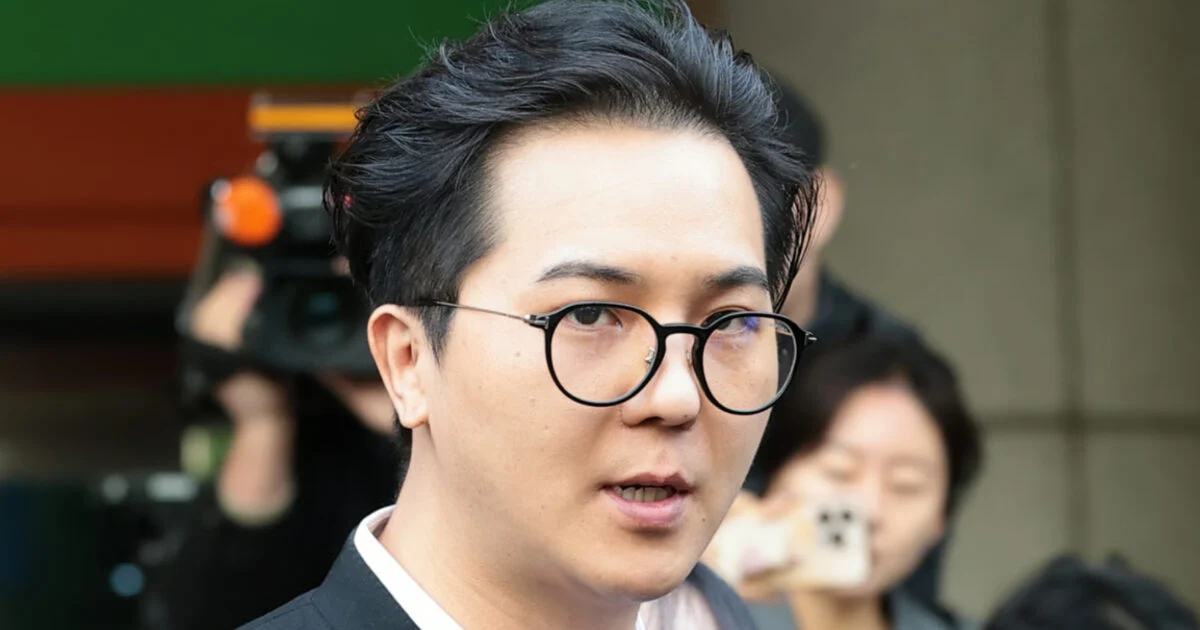
On April 21, 2026, the South Korean music industry and the public at large turned their attention toward the Seoul Central District Court as Song Min-ho, better known by his stage name Mino and a prominent member of the K-pop group WINNER, appeared for his first trial regarding serious violations of the Military Service Act. The proceedings have sparked a national conversation regarding the standards of conduct for high-profile figures during their mandatory national service, a duty considered a cornerstone of social responsibility in South Korea. The prosecution’s case rests on the allegation that Song was absent from his assigned post for a significant portion of his service period without official authorization, leading to demands for a prison sentence and a potential total reset of his military obligations.
Detailed Overview of the Charges and Legal Proceedings
The core of the legal dispute involves a staggering discrepancy in Song’s attendance records. According to the prosecution, Song failed to report to his designated position for 102 days out of a total service period of 430 days. This means that for approximately 23% of his active duty time, the artist was unaccounted for by military or civil service authorities. Under the Military Service Act of South Korea, unauthorized absence from duty—particularly for those serving as social service agents—is treated as a criminal offense that can lead to imprisonment and the requirement to serve the entire duration of the military term again from the beginning.
During the trial on April 21, the prosecution argued that Song’s actions constituted a deliberate evasion of his duties. They emphasized that the mandatory service is a collective burden shared by all able-bodied South Korean men and that any form of preferential treatment or negligence undermines the integrity of the national defense system. Consequently, the prosecution has formally requested a prison sentence, reflecting the severity with which the state views the act of skipping over three months of service.
The Defense Strategy: Mental Health and Mitigating Circumstances
Song Min-ho’s legal representatives did not dispute the facts of his absence but focused instead on the psychological factors that contributed to his failure to report for duty. The defense team revealed that Song has been struggling with chronic mental health issues, specifically naming bipolar disorder and panic disorder as the primary drivers of his instability. They argued that these conditions often left the artist in a state where he was unable to function professionally or fulfill his administrative obligations.
The defense emphasized that Song had been receiving treatment for these conditions for an extended period, suggesting that his absences were not an act of defiance against the state but rather a symptom of a debilitating health crisis. However, the legal counsel also conceded a crucial point: while mental health struggles are a reality for the defendant, they do not serve as a legal excuse for violating the Military Service Act. In South Korean law, if an individual is deemed unfit for service due to health reasons, they must go through official channels to receive a medical discharge or a reassignment, rather than unilaterally deciding to vacate their post.
Song’s Public Statement and Admission of Guilt
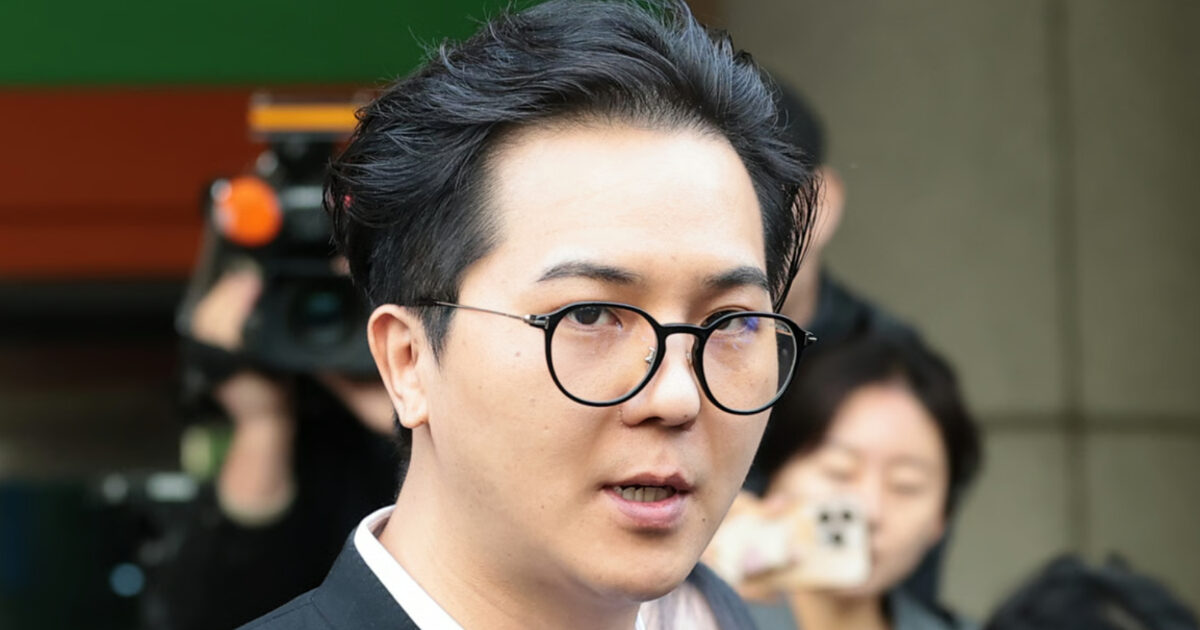
Following the conclusion of the first trial, Song Min-ho emerged from the courthouse to find a throng of reporters and media outlets awaiting his response. Unlike some public figures who maintain their innocence throughout a trial, Song took a stance of total submission and contrition. When asked by reporters if he admitted to the charges of unauthorized absence, the WINNER member responded with a somber acknowledgment.
"I humbly accept and acknowledge whatever punishment is given to me," Song stated, appearing visibly affected by the gravity of the situation. His statement was interpreted by many as a strategic move to show remorse, which is often a factor considered by judges during sentencing.
Perhaps the most significant part of the exchange occurred when reporters questioned him about his willingness to re-enlist. In South Korea, if a soldier’s service is voided due to criminal negligence or evasion, they are often required to start their service period over from day one. When asked if he was sincere about the possibility of re-enlisting to complete his duty "the right way," Song replied firmly, "Yes, that’s right." He concluded his brief press interaction by apologizing to the public for the disappointment his actions had caused.
The Sociopolitical Context of Military Service in South Korea
To understand the intensity of the backlash against Song Min-ho, one must consider the cultural weight of military service in South Korean society. National service is viewed as a "great equalizer," where the wealthy, the powerful, and the famous are expected to serve alongside ordinary citizens. Any perceived "celebrity preference" or attempt to bypass these duties is met with extreme hostility from the public.
Historically, the South Korean public has shown little leniency toward entertainers who mishandle their military obligations. High-profile cases in the past, such as those involving Steve Yoo (Yoo Seung-jun) or MC Mong, resulted in lifelong bans from the industry or permanent damage to their reputations. The fact that Song was absent for 102 days—over three months—is seen by many as a profound insult to the thousands of young men who serve their full terms in much harsher conditions than those typically experienced by social service agents.
Public Reaction and Netizen Sentiment
The reaction from the online community, often referred to as "netizens," has been overwhelmingly critical. On various social media platforms and community forums, the sentiment leaned toward the necessity of a strict punishment to maintain the principle of fairness. Many users pointed out that while they may sympathize with mental health struggles, those struggles should have been handled through the proper military medical board.
Common refrains among the commentary included calls for Song to "go back to the military and do it right." One viral post remarked, "If he only showed up to work, he wouldn’t be in this mess," highlighting the simplicity of the expectation placed upon him. Others were more severe, suggesting that a prison sentence followed by re-enlistment was the only way to satisfy the public’s demand for justice. The prevailing mood suggests that the "K-pop star" status will not provide a shield in this instance; rather, it has placed him under a more intense microscope.
Potential Legal and Career Implications
As the case moves toward a final verdict, several outcomes are possible. If the court follows the prosecution’s recommendation, Song could face a prison term. Even if he receives a suspended sentence, the violation of the Military Service Act almost certainly guarantees that his previous 430 days of service will be invalidated. This would mean that Song Min-ho, who is already in the later stages of his 20s (approaching 30 depending on the specific year of his birth relative to the 2026 trial date), would have to serve another 18 to 21 months of duty.
For his career and his group, WINNER, this development is catastrophic. WINNER had already been navigating the "military hiatus" that affects all male K-pop groups. A re-enlistment would extend the group’s inactivity by years, potentially stalling their momentum indefinitely. Furthermore, the stigma of being a "military evader" is one of the most difficult labels to scrub off in the South Korean entertainment industry. Brands, broadcasting stations, and festival organizers often distance themselves from individuals embroiled in military scandals to avoid public boycotts.
Broader Impact on the K-Pop Industry
The Song Min-ho case serves as a stark warning to the K-pop industry at large. In recent years, there has been a trend of idols being assigned to "social service" roles rather than active combat duty, often due to physical injuries or mental health issues. While these assignments are legitimate, the high number of celebrities in these roles has led to increased public scrutiny.
Agencies may now be forced to implement stricter oversight of their artists during their service periods. The fact that an artist could be absent for 102 days without the situation being corrected earlier suggests a lapse in communication between the artist, the agency, and the service department. Moving forward, the "celebrity soldier" or "celebrity agent" will likely be subject to even more rigorous attendance checks and transparency requirements to prevent a repeat of this scenario.
Conclusion
The first trial of Song Min-ho has laid bare the complexities of balancing personal health struggles with national obligations. While the defense’s mention of bipolar and panic disorders provides a human context to the artist’s failures, the legal system and the public eye remain focused on the 102 missing days of service. As the court prepares for the next phase of the trial, the outcome will likely serve as a landmark decision in how the South Korean judiciary handles military service violations by public figures. For Song Min-ho, the path forward involves not just a legal battle, but a long and difficult journey to reclaim the trust of a public that views his actions as a betrayal of a fundamental social contract. Whether he can successfully re-enlist and "do it right" remains to be seen, but for now, the artist faces the most significant challenge of his career—one that cannot be solved with music or fame, but only with accountability.