Mia Khoirunisa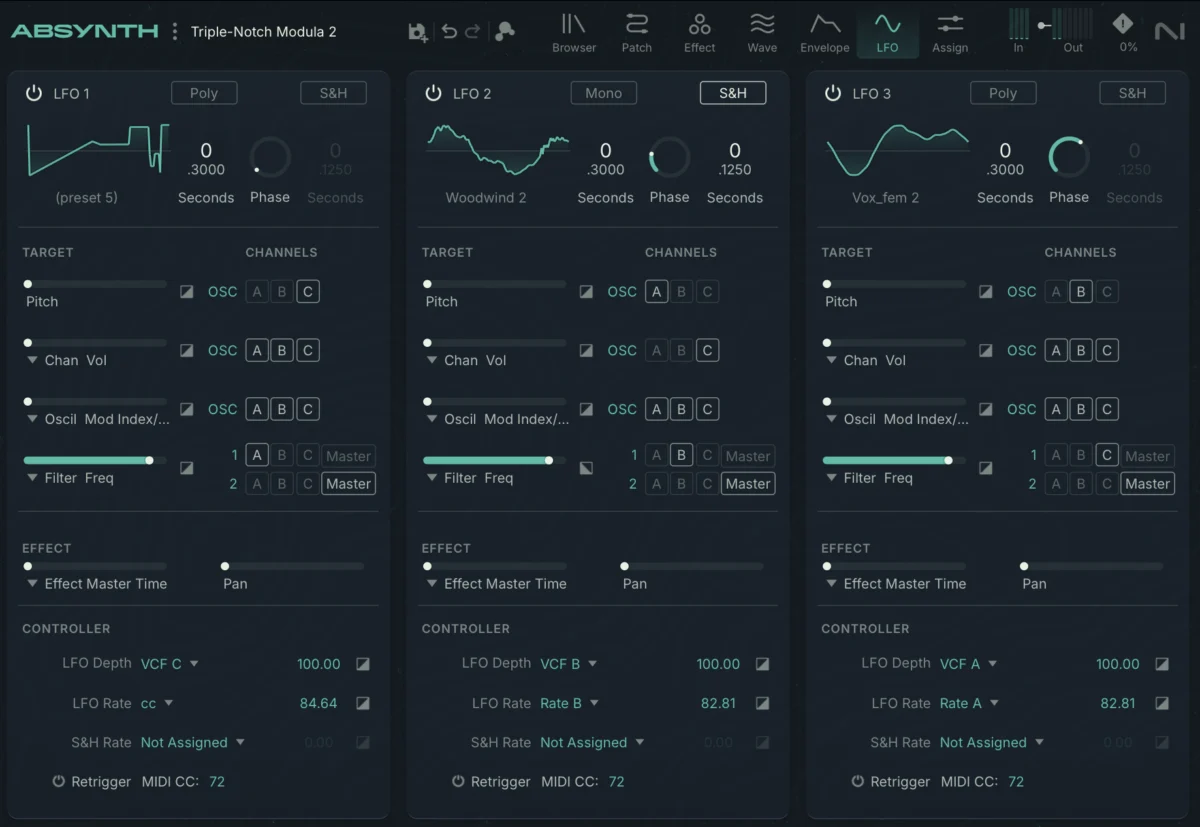
Native Instruments has discreetly launched Absynth 6.1, a significant update to its revered semi-modular software synthesizer, introducing highly anticipated features and a groundbreaking new audio modulation capability. This release, which rolled out without extensive fanfare, addresses long-standing user requests, notably the addition of LFO retrigger functionality and a robust undo/redo system, while also surprising the community with a novel audio modulator that dramatically expands the sonic palette and creative potential of the instrument. The update is available for both macOS and Windows operating systems and is accessible through Native Access, the company’s central management application for its software and hardware products.
The introduction of Absynth 6.1 marks a pivotal moment in the ongoing evolution of this unique synthesizer, which has consistently defied conventional categorization since its initial release. Known for its complex sound design capabilities and its ability to generate otherworldly textures, evolving pads, and intricate sonic landscapes, Absynth has maintained a dedicated following among electronic music producers and sound designers. This latest iteration, building upon the foundation laid by Absynth 6, further solidifies its position as a powerful and versatile tool for sonic exploration.
A Look Back: The Genesis of Absynth and the Journey to 6.1
The original Absynth, first introduced by Prosoniq before being acquired by Native Instruments, quickly garnered attention for its innovative approach to sound synthesis. It combined elements of subtractive, additive, and granular synthesis with a sophisticated modulation matrix and a unique approach to signal processing. This fusion allowed for the creation of sounds that were often described as organic, evolving, and even sentient, distinguishing it from more traditional synthesizers of its era.
Over the years, Absynth has undergone several iterations, each refining its architecture and introducing new features. Absynth 5, released in 2010, was a major milestone, introducing the "AI Synthesis" engine and further expanding its sound-shaping capabilities. The subsequent release of Absynth 6 in 2026 was a highly anticipated event, bringing the beloved synthesizer into the modern era with a revamped interface, enhanced sound engine, and an extensive library of new presets. The anticipation for Absynth 6.1, therefore, stemmed from the desire to see these advancements further refined and expanded upon.
The update’s arrival, while subtle in its announcement, has been met with considerable enthusiasm within the music production community. Early adopters and seasoned Absynth users have quickly identified the profound impact of the new features, particularly the audio modulator. This addition, in particular, addresses a desire for deeper, more integrated modulation possibilities within the Absynth architecture, a sentiment echoed in previous reviews and user feedback.
Key Innovations in Absynth 6.1
Native Instruments has detailed the primary enhancements within Absynth 6.1, which are designed to streamline the creative workflow and unlock new avenues for sound design. The official bullet points provided by the company highlight the following key additions:
- New Audio Modulator: This groundbreaking feature allows internal audio signals within the Absynth engine to be utilized as modulation sources, offering unprecedented control over sonic parameters.
- LFO Retrigger Functionality: Users can now manually retrigger LFOs, providing granular control over modulation phases and enabling more dynamic and playable LFO effects.
- Undo/Redo Functionality: A staple in modern software, the inclusion of undo/redo capabilities significantly improves the editing process, allowing for error correction and iterative sound design without fear of losing progress.
- Expanded Sound Content: The update includes new sound presets and samples, further enriching the instrument’s sonic library and providing users with fresh starting points for their creations.
It is crucial to note that the introduction of these new features, particularly the changes to the preset format, means that patches created in Absynth 6.1 are not backward compatible. Users will only be able to open presets generated in version 6.1 or later with another instance of Absynth 6.1 or a subsequent version. This is a common practice in software development to accommodate significant architectural changes and is a minor inconvenience in exchange for the substantial functional improvements.
The Power of the New Audio Modulator
The most significant and perhaps surprising addition to Absynth 6.1 is the new Audio Modulator. This feature represents a profound expansion of Absynth’s already sophisticated modulation capabilities, allowing the instrument’s internal audio signals to be harnessed as dynamic control sources. This moves Absynth beyond its traditional semi-modular paradigm and closer to the flexibility of a fully modular synthesis environment, all within its integrated framework.
Instead of relying solely on pre-defined LFOs, envelopes, or step sequencers, the Audio Modulator allows users to select virtually any internal audio signal – originating from the various synthesis engines, insert effects, or even other modulators – and route it to control a vast array of parameters. This opens up a universe of possibilities for creating complex, evolving, and highly responsive sounds.
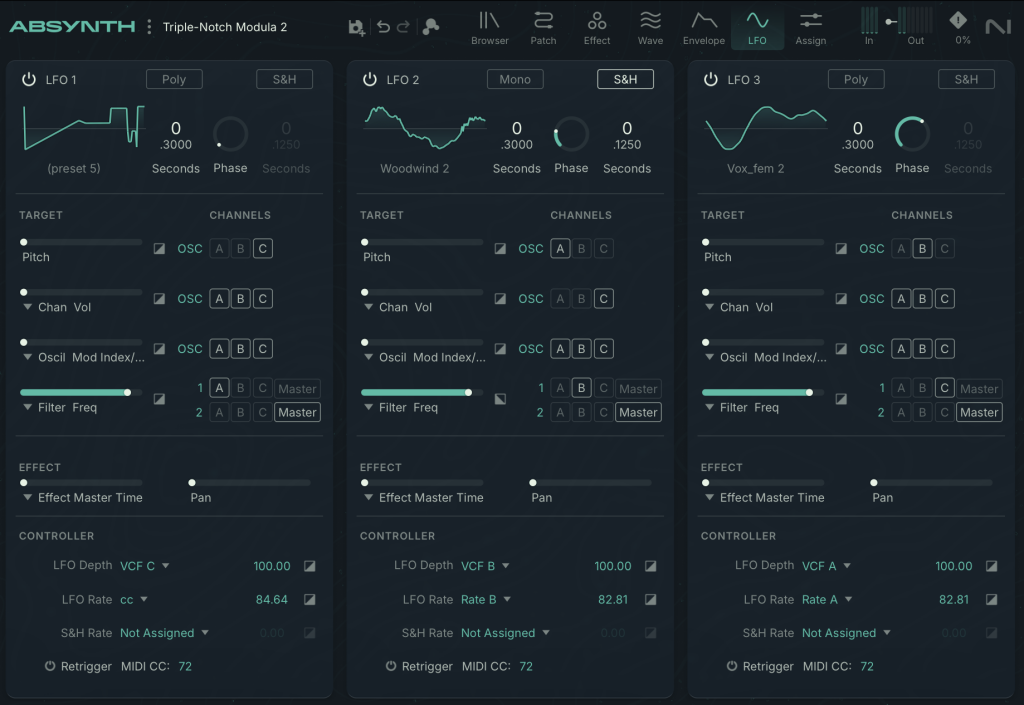
The implementation of the Audio Modulator is as intricate and powerful as one would expect from Absynth. The feature provides not one, but four independent audio modulators, each offering a granular level of control. Users can select their source signal from a comprehensive list of internal audio paths, choose whether the modulation is applied pre- or post-envelope, and define the trigger threshold for when the modulator becomes active. Furthermore, each modulator can be independently assigned to any Absynth parameter, with adjustable depth, inversion, and smoothing.
This level of detail allows for the creation of intricate sonic interactions. For instance, a percussive transient from a kick drum sample could be used to trigger a sweeping filter on a pad sound, or the output of a granular oscillator could be used to dynamically alter the decay time of an envelope. The ability to use internal audio signals as modulation sources means that sounds can react to themselves in complex and unpredictable ways, leading to organic, living textures that are highly characteristic of Absynth’s signature sound.
Enhancing Workflow with LFO Retrigger and Undo/Redo
While the Audio Modulator is a headline feature, the more grounded additions of LFO retrigger and undo/redo functionality are equally impactful for the day-to-day creative process. The undo/redo feature, a fundamental element of modern digital audio workstations and software instruments, finally brings Absynth 6.1 in line with industry standards, allowing for experimentation and error correction without the anxiety of losing valuable work. This streamlines the sound design process, encouraging users to explore more freely and iterate on their ideas with confidence.
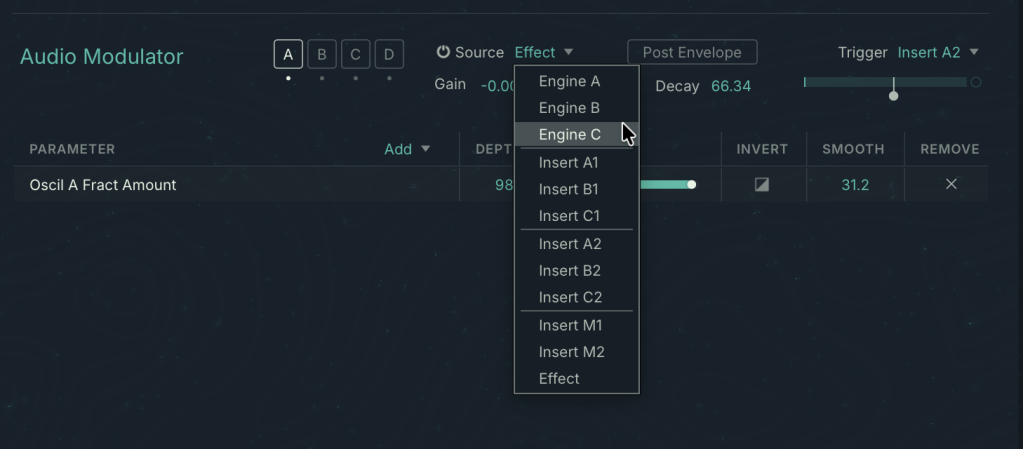
The LFO retrigger functionality is a welcome enhancement for those who utilize Absynth’s LFOs for rhythmic and evolving modulation. Absynth offers three distinct LFOs, each capable of being routed to various parameters. Previously, in mono mode, these LFOs would free-run, meaning their phase would not reset with each new note played. In poly mode, each new note event would trigger a separate LFO phase, creating interesting overlapping and evolving effects, particularly with arpeggiated sequences.
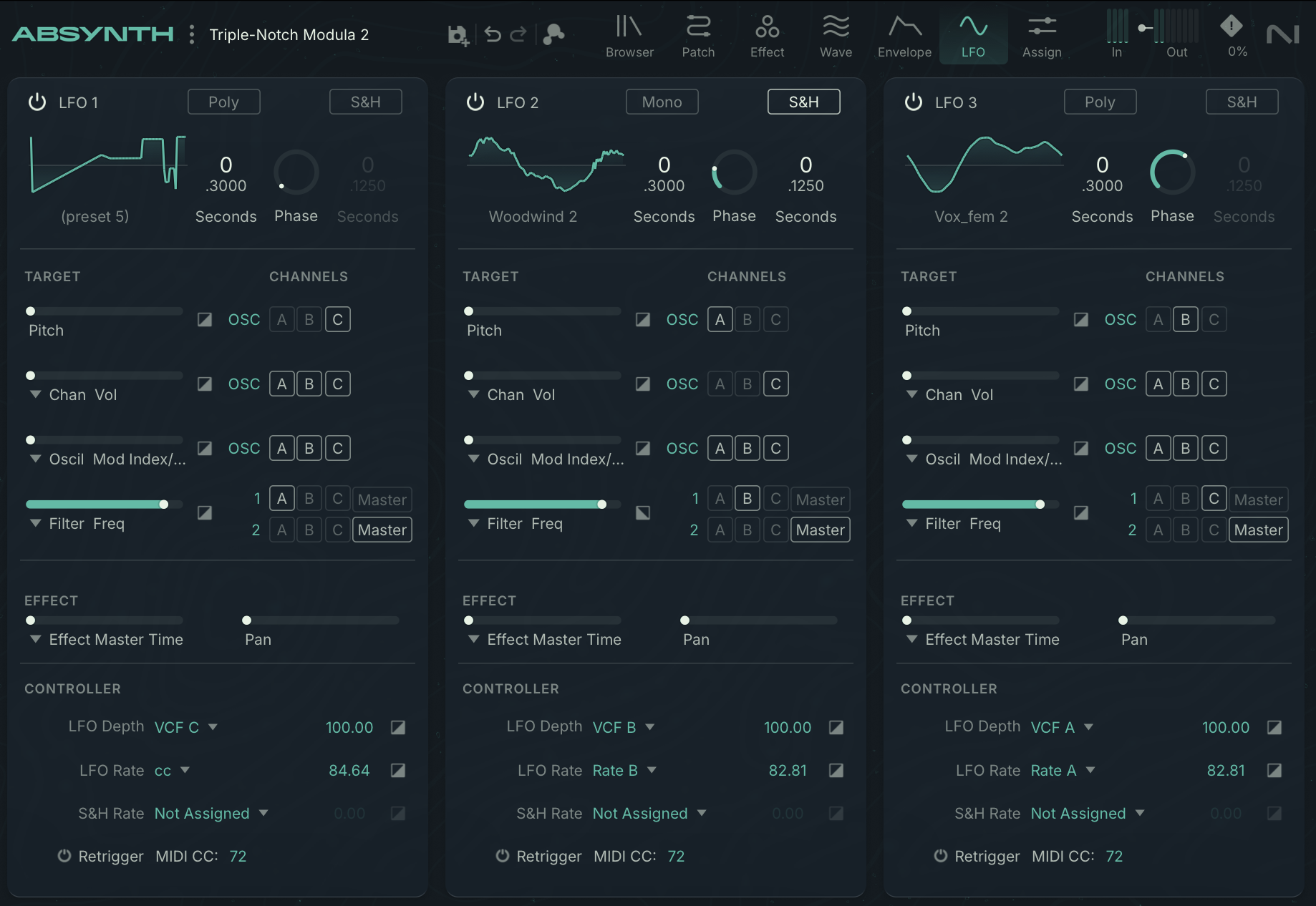
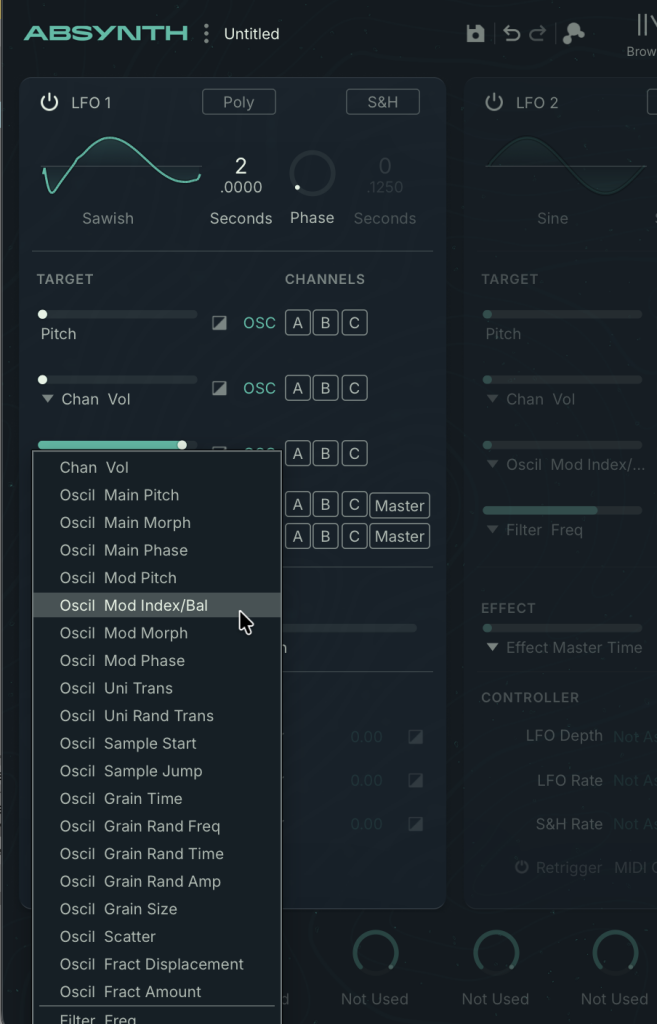
Absynth 6.1 introduces an additional "retrigger" option that offers a unique level of control. In mono mode, users can now manually retrigger each of the three LFOs at any given moment. This is achieved by assigning a MIDI Continuous Controller (CC) message to each LFO. When a MIDI CC value above zero is received – for instance, by twisting a modulation wheel or a knob on a MIDI controller – the LFO’s phase will reset. This allows users to "play" the LFOs in real-time, synchronizing them with their performances or manually sculpting modulation patterns with external hardware. This feature, which was present in earlier versions of Absynth and had been missed by many users in Absynth 6, now returns, offering a more expressive and interactive approach to modulation.
Auto Trigger: A Subtle Yet Powerful Addition
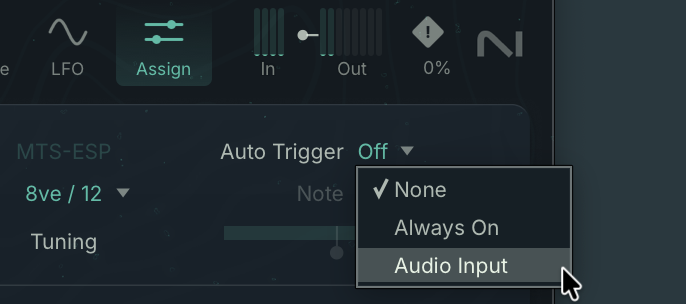
Absynth 6.1 also includes an "Auto Trigger" feature, accessible on the Assign page. This offers two modes of operation: "Always On" and "Audio Input." The "Always On" mode ensures that Absynth remains continuously active on a chosen note, which can be useful for sound design or for creating sustained drone-like textures. The "Audio Input" mode, particularly relevant when Absynth is used in its effects mode, allows the instrument to react to incoming audio signals, further enhancing its versatility as a sound-processing tool.
While the inclusion of these features is commendable, the article’s author notes a perceived missed opportunity: the absence of a pitch-following option for the Audio Modulator and Audio Input features. The author expresses a personal preference for such capabilities, suggesting that the integration of pitch tracking would further enhance the instrument’s ability to create responsive and dynamic sounds that directly mirror the pitch characteristics of incoming audio or internal signals. This feedback, while subjective, highlights the ongoing desire among users for ever-greater creative control and integration within complex synthesis environments.
Implications for Sound Design and Music Production
The release of Absynth 6.1 has significant implications for sound designers and music producers. The enhanced modulation capabilities, particularly the Audio Modulator, provide a powerful new toolkit for creating unique and complex sonic textures that were previously difficult or impossible to achieve within a single software instrument. This encourages deeper exploration of Absynth’s architecture and can lead to the discovery of entirely new sound design paradigms.
The LFO retrigger functionality also empowers musicians to integrate Absynth more dynamically into live performances and intricate production workflows. The ability to manually control LFO phases in real-time adds a performative dimension to the synthesizer, allowing for more expressive and nuanced modulation during playback.
Furthermore, the inclusion of essential workflow enhancements like undo/redo and expanded sound content demonstrates Native Instruments’ commitment to refining the user experience. These updates, while not as revolutionary as the Audio Modulator, contribute to a more efficient and enjoyable creative process, making Absynth 6.1 a more compelling and accessible instrument for both seasoned professionals and newcomers to the world of sound design.
The impact of Absynth 6.1 extends beyond its immediate functional improvements. It signals a continued dedication from Native Instruments to evolving its flagship products, ensuring they remain at the forefront of innovation in the competitive landscape of music software. For a synthesizer that has long been celebrated for its distinctive character and depth, this update reaffirms its relevance and promises to inspire a new generation of sonic exploration. The evolution of Absynth, particularly with this latest release, underscores the enduring power of thoughtful design and user-centric development in shaping the future of electronic music creation.