Muhammad Ibadurrohman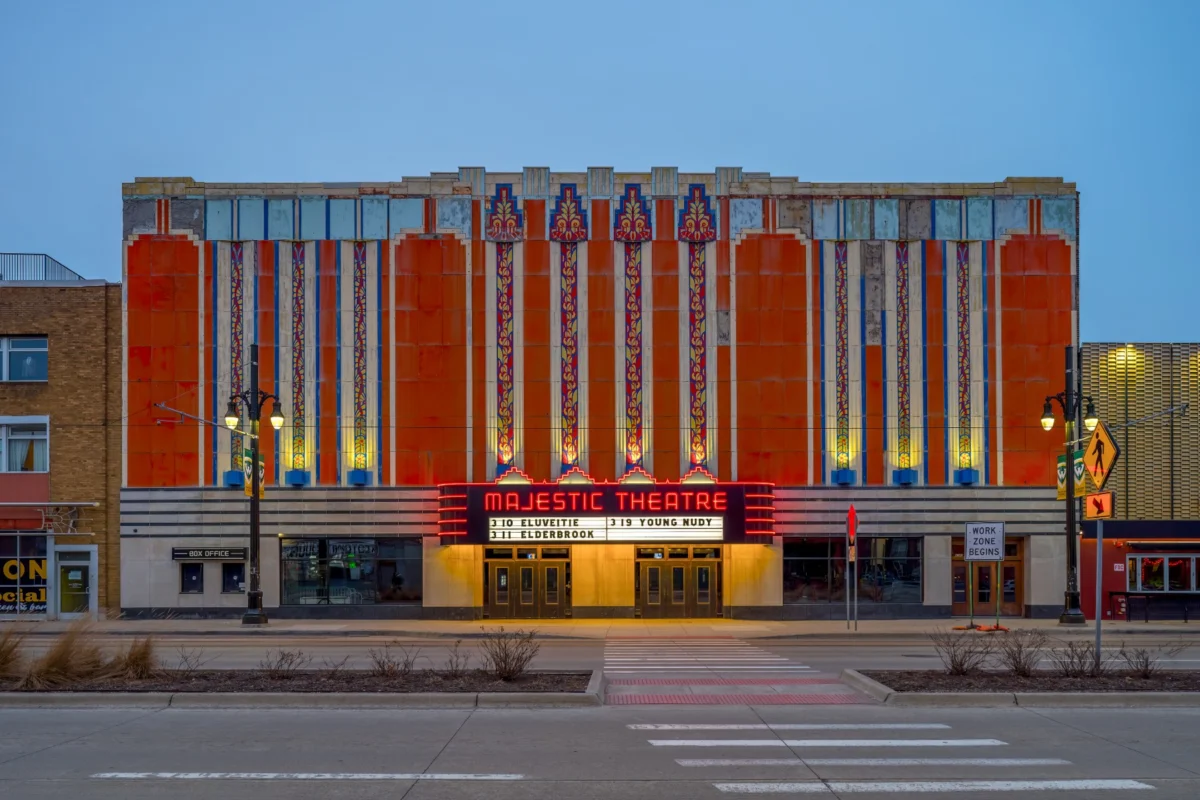
In the vibrant crucible of Detroit’s burgeoning music scene, a pivotal moment in rock history quietly unfolded in 1999. A then-emerging Jack White, demonstrating an astute foresight, arranged for the recording of a raw, electrifying performance at the city’s iconic Garden Bowl. Flanked by a cadre of local musician friends, operating under the moniker Jack White and the Bricks—a lineup featuring White, Brendan Benson, Ben Blackwell, and Kevin Peyok—the nascent group commandeered a makeshift stage atop lanes 11 through 14. Amidst the unmistakable rumble of bowling balls and the clang of pins, they delivered a dynamic set. Their repertoire spanned covers of Bob Dylan and the enigmatic ? & the Mysterians, interspersed with a compelling selection of songs from The White Stripes, some freshly released, others yet to make their public debut. This singular event, a testament to Detroit’s unique cultural landscape, foreshadowed White’s eventual global stardom and cemented the Garden Bowl’s improbable legacy as a crucible for groundbreaking music.
A Century of Strikes and Strums: The Garden Bowl’s Enduring Legacy
The Garden Bowl, a cornerstone of Detroit’s entertainment fabric, boasts an unparalleled history as the oldest continuously operating bowling alley in the United States. Its story began in 1913, a time when urban leisure activities were rapidly expanding. The venue, originally a grand establishment, was acquired in 1946 by Albert Zainea, an astute immigrant entrepreneur whose journey to America began in 1907. Starting with a candy store in Grand Rapids at the tender age of 15, Zainea diversified his business empire, venturing into grocery, dairy farming, and even a slaughterhouse before taking ownership of the Garden Bowl. This acquisition marked the beginning of a multi-generational family legacy that would intertwine with the evolving cultural heartbeat of Detroit.
The mid-20th century witnessed a national bowling craze, with Detroit, a bustling industrial hub, experiencing a particularly fervent boom. The 1960s alone saw an astonishing 35 bowling alleys open within a two-mile radius of midtown Detroit. However, as tastes shifted and the initial fervor waned, many of these establishments struggled. It was during this period of decline that the Zainea family, always attuned to innovation and community needs, conceived a revolutionary idea: "Rock-N-Bowl." This concept involved allowing live bands to perform directly over the bowling lanes, transforming a traditional sporting venue into an unconventional concert space. David Zainea, Albert’s grandson, now a steward of the family business, vividly recalls the 1999 Jack White performance, noting, "it was packed." He also playfully recounts bands’ mixed reactions to the unique stage setup: "A lot of bands don’t like playing it. They can see the bowling balls coming at them. But some of them love it." Despite the unusual acoustics, David adds that the low ceilings and strategically placed acoustic tiles surprisingly create a good sound environment for audiences of just over 100 people.
The Majestic Theatre: From Grandeur to Revival
The Garden Bowl’s story is inextricably linked to its neighbor, the Majestic Theatre. Albert Zainea further expanded his entertainment empire in 1984 by purchasing the Majestic, a venue with its own storied past. Opened in 1915, the Majestic was an architectural marvel, designed by the legendary C. Howard Crane. Crane, renowned for his work on iconic structures like the Detroit Opera House, the Fillmore Detroit, and the Fox Theatres in Michigan and Missouri, initially envisioned the Majestic in an elegant Italian style. However, the theatre underwent a dramatic transformation almost two decades later when the city expanded Woodward Avenue. This urban development necessitated the removal of 35 feet from the front of the building, along with its original balcony seating. The Majestic’s terracotta facade was subsequently recreated in the fashionable Art Deco style, a testament to the city’s evolving architectural trends.

The mid-20th century brought challenges for the Majestic. It declared bankruptcy in the 1950s, subsequently serving as a church before being converted into a photography studio. David Zainea grimly recalls the state of disrepair when his family acquired it: "The photography studio really hacked it up. It was in neglect. We put a lot of money into that building. The roof was gone. It was leaking. The ornate plaster — what we could afford, we fixed up." The Zainea family embarked on a meticulous, costly restoration project, breathing new life into the historic structure. Crucially, they physically connected the bowling alley and the theatre, literally "punching a hole in there to make it cool," as David describes it, creating a unified entertainment complex: "It’s four rooms of fun." This integration laid the groundwork for the Majestic Theatre Center, a multifaceted venue capable of hosting diverse events.
Since its revitalization under the Zainea family, the Majestic Theatre has reclaimed its status as a premier concert destination. Its stage has hosted an impressive roster of internationally acclaimed artists, including The Black Keys, Sheryl Crow, Laufey, Drake, The Yeah Yeah Yeahs, Post Malone, Patti Smith, St. Vincent, Sharon Jones & The Dap Kings, Zach Bryan, and Wilco. This eclectic mix underscores the venue’s versatility and its enduring appeal across various musical genres.
The Birth of the Magic Stick and Detroit’s Garage Rock Explosion
The Zainea family’s ambition didn’t stop at restoring the Majestic. Recognizing a significant void in Detroit’s concert landscape in the early 1990s—a lack of mid-sized venues between the intimate Garden Bowl and the larger, 1,100-capacity Majestic Theatre—they conceived their next venture. They transformed the second floor of the bowling alley, which housed additional lanes, into a 750-capacity club. Initially dubbed the Magic Stick and operating as a pool club, its potential as a live music venue quickly became apparent. "I start booking bands there. I’m like, ‘Wow, this is another avenue of income,’" David Zainea recounts. "We needed a smaller venue because local bands didn’t want to play in the theater because it was too large."
The Magic Stick rapidly became a vital artery in Detroit’s music scene, particularly during the explosive garage rock revival that swept through the city from the mid-1990s to the 2010s. This period saw a resurgence of raw, stripped-down rock and roll, often championed by local bands. The Magic Stick provided the perfect platform for this sound, attracting both established acts and rising stars. Its stage welcomed bands like The Shins, Queens of the Stone Age, The Hives, and The Black Keys. Legendary artists such as Wilco, Buddy Guy, Los Lobos, Foster the People, RÜFÜS du Sol, Car Seat Headrest, and George Clinton also graced its stage, alongside, notably, The White Stripes themselves. The venue cultivated an atmosphere where locals would routinely "stumble in on any given night to see whoever was playing," fostering a vibrant and spontaneous music community. David credits his staff for recognizing and capitalizing on the opportune moment for the garage rock genre, stating, "Things go through a cycle, but we hit it with the garage rock and I’ve got to give it to my staff. They saw the opportunity for that genre of music to play."
Jack White’s Deep Roots and Third Man Records’ Archival Efforts
Jack White’s connection to the Zainea family’s venues runs deep, extending beyond the initial 1999 Garden Bowl performance. In 2013, White’s independent label, Third Man Records, renowned for its commitment to unique and archival releases, immortalized the "Jack White and The Bricks: Live On the Garden Bowl" recording as a limited-edition vinyl within its exclusive Vault series. This release offered listeners a rare glimpse into the nascent stages of White’s career, capturing early renditions of tracks that would later become staples on iconic White Stripes albums. The recording’s authenticity is further enhanced by the audible "crack of bowling balls connecting with pins at the back of the lane," a unique sonic signature of the venue.

The relationship continued, and in 2017, Third Man Records released another Vault package, featuring The White Stripes’ August 18, 2000, performance at what the label affectionately termed "Detroit’s venerable Magic Stick." These archival releases underscore the historical significance of the Zainea family’s venues in nurturing White’s early career and the broader Detroit music scene. David Zainea proudly displays a copy of the check used to pay The White Stripes for that performance in his office, a tangible link to a pivotal moment. He also fondly recalls at least one other acoustic set White played at the Garden Bowl. The bond between White and the Zainea family even extended to personal gestures: when White sought to install a bowling alley in his Nashville home after achieving widespread success, David generously provided him with old foul-lights and bowling equipment. In return, White sent him a plaque of the album cover, a cherished memento of their shared history.
The Perils and Rewards of Independent Venue Ownership
Running a multi-faceted entertainment complex like the Majestic Theatre Center presents a unique set of challenges, distinct from the relatively stable operations of a bowling alley. David Zainea candidly admits his initial inexperience in the concert business. He recounts a memorable early encounter with a tour manager while promoting a Warren Zevon show: "When I first got into the [concert] business, I didn’t know what I was doing. I booked Warren Zevon. I was the promoter, the loader, the backstage provider and I pulled it off but the tour manager wasn’t very happy with me." A particular hiccup involved a sober Zevon’s demand for coffee, which David, then also managing a family restaurant, hastily provided. When it came time to settle the show’s finances, David confessed his lack of knowledge, prompting the tour manager to provide an impromptu, invaluable lesson in the economics of concert promotion. "He gave me a lesson I’ll never forget," David recalls, adding, with a touch of humor, "Then I told him, ‘We’re losing money on it!’" This anecdote highlights the steep learning curve and the often-precarious financial tightrope walked by independent venue owners. Today, the booking for the Majestic Theatre is exclusively handled by AEG, a testament to the complexities and demands of the modern concert industry.
Despite the inherent risks and the often-modest financial returns associated with operating small to mid-sized music venues, the Zainea family’s commitment to their legacy remains unwavering. After 80 years and three generations, with David’s brother, Joe Zainea, managing the building’s popular Sgt. Pepperonis Pizzeria and Deli, the family has considered selling the music venues. However, they have consistently rejected offers they deemed unfair. "I’m not going to give it away. And I still like doing what I do," David asserts, encapsulating the deep personal investment and pride in their work. He emphasizes the broader community impact: "We’re an anchor on that little block and we feed these other smaller businesses and it makes me happy to do that. From the bartenders to the stagehands to the sound guys, everybody gets a little piece of it. And I hope that never changes." This statement underscores the vital role independent venues play in local economies and cultural ecosystems.
Preserving History, Shaping the Future
The Zainea family’s dedication extends beyond commerce to the preservation of architectural and cultural heritage. In 2008, after years of persistent lobbying by David’s father, Joseph "Papa Joe" Zainea (who passed away earlier this year at 93 and whose life and wisdom were chronicled in the collection "Words and Wisdom from Papa Joe"), the iconic Art Deco facade of the Majestic Theatre was officially added to the National Register of Historic Places. This designation provides a layer of protection, ensuring that the building’s exterior remains a cherished historical landmark for generations to come. While the facade is protected, the family retains the flexibility to make internal improvements. In 2019, they unveiled a significant $1 million renovation project, which included the installation of a new marquee, further enhancing the venue’s appeal while honoring its historical integrity.
The story of the Garden Bowl and the Majestic Theatre Center is more than just a tale of music venues; it is a narrative of adaptability, resilience, and unwavering family commitment. It reflects the spirit of Detroit itself—a city that continually reinvents itself while honoring its rich past. David Zainea sums up their philosophy with profound simplicity: "We’ve been there for 80 years. We adapt to what the community needs and then we persevere. You don’t get rich in small venues, but I don’t care. I’m happy with where I sit at the table." This sentiment encapsulates the essence of independent venue ownership: a labor of love driven by a passion for music, community, and the enduring power of a place where history and performance converge. The Zainea family’s legacy, built on bowling, music, and an unyielding dedication to Detroit, continues to strike a chord, ensuring that the Garden Bowl and Majestic Theatre remain vital cultural anchors in the Motor City.