Reynand Wu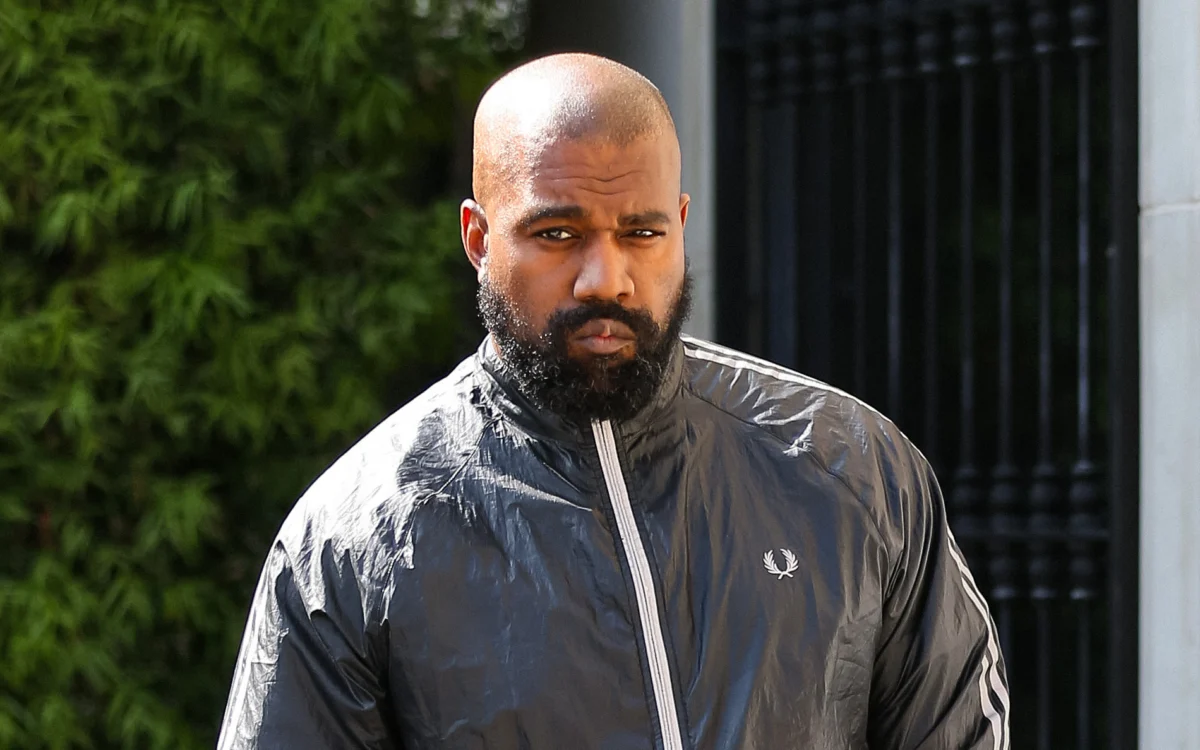
The highly anticipated Wireless Festival, a cornerstone of London’s rap and R&B music scene, has been abruptly cancelled after its planned sole headliner, American rapper and fashion mogul Kanye West, was officially denied entry into the United Kingdom by the Home Office. The decision, announced on Tuesday, April 7, sent shockwaves through the music industry and among tens of thousands of ticket holders, who have been promised automatic full refunds. This unprecedented move marks a significant moment in the ongoing debate surrounding artistic freedom, accountability for public figures, and the stringent application of immigration laws.
Background to the Ban: A String of Controversies
The cancellation stems directly from a sustained period of intense public scrutiny and widespread condemnation of Kanye West, also known as Ye, following a series of antisemitic and pro-Nazi comments made by the artist in recent years. These controversial remarks, which began surfacing prominently in late 2022, led to a cascade of professional repercussions, including the termination of lucrative partnerships with global brands such as Adidas, Gap, and Balenciaga, resulting in significant financial losses and a substantial hit to his public image. His social media accounts were also restricted or suspended across various platforms due to violations of hate speech policies.
These statements, often disseminated through interviews, social media posts, and public appearances, included assertions about Jewish control over media and finance, praise for Adolf Hitler, and Holocaust denial. Such comments sparked outrage from Jewish community organizations, anti-hate groups, and political leaders worldwide, who decried them as dangerous and harmful. The controversy had already led to a broader discussion about the responsibilities of cultural icons and the fine line between controversial expression and outright hate speech.
The Home Office Decision: "Not Conducive to the Public Good"
The specific catalyst for the festival’s cancellation was the UK Home Office’s rejection of Ye’s application to travel to the United Kingdom. On Monday, April 6, West submitted an Electronic Travel Authorisation (ETA) application, a standard procedure for many visitors to the UK. However, his application was denied on the grounds that his presence in the country would not be "conducive to the public good."
This legal provision, enshrined in UK immigration law, grants the Home Secretary broad powers to refuse entry to individuals whose presence is deemed undesirable due to various reasons, including national security, public order, or serious criminality. While often applied in cases involving individuals with criminal records or extremist ties, its invocation against a high-profile artist for expressing hateful views underscores the UK government’s firm stance against antisemitism and other forms of discrimination. The Home Office does not typically comment on individual immigration cases, but the nature of the refusal strongly suggests a direct link to West’s recent public statements and the widespread outcry they generated. The decision implies that the government assessed West’s potential presence as a risk to community relations or public order, rather than merely an exercise of free speech.
Wireless Festival’s Predicament: Sponsor Exodus and Public Pressure
Prior to the Home Office’s definitive ban, Wireless Festival found itself in an increasingly untenable position. The decision to book Kanye West as the sole headliner for all three nights (July 10, 11, and 12) of the festival had ignited a firestorm of criticism. Major sponsors, including global brands like Pepsi, PayPal, and Diageo, began to withdraw their financial backing in the days leading up to the ban. This exodus of corporate partners signaled a significant loss of revenue and a major reputational blow to the festival, demonstrating the commercial risks associated with aligning with controversial figures.
Campaign groups, notably those representing the Jewish community in the UK, such as the Campaign Against Antisemitism and the Board of Deputies of British Jews, had been vocal in their opposition to West’s booking. They argued that providing a platform to an individual who had espoused antisemitic views was irresponsible and unacceptable, regardless of his musical talent. Political figures also weighed in, with Prime Minister Sir Keir Starmer publicly stating that West’s booking was "deeply concerning," adding significant weight to the growing calls for the festival to reconsider. The combined pressure from sponsors, activist groups, and government officials created an environment where the festival’s viability, even with West’s attendance, was becoming increasingly questionable.
Chronology of Key Events
The sequence of events leading to the cancellation unfolded rapidly:
- Late 2022 – Early 2023: Kanye West makes a series of antisemitic and pro-Nazi comments across various platforms, leading to widespread condemnation and loss of major brand partnerships.
- Early 2026 (Presumed): Wireless Festival announces Kanye West (Ye) as the sole headliner for its July 2026 event in London.
- Weeks leading up to April 7: Mounting pressure from campaign groups and public figures, including UK Prime Minister Sir Keir Starmer, urging Wireless Festival to drop West due to his controversial remarks.
- Days leading up to April 7: Major sponsors including Pepsi, PayPal, and Diageo announce their withdrawal from Wireless Festival in protest of Ye’s booking.
- Monday, April 6: Kanye West applies for an Electronic Travel Authorisation (ETA) to enter the UK.
- Monday, April 6: The UK Home Office rejects West’s ETA application on the grounds that his presence would not be "conducive to the public good."
- Tuesday, April 7 (Morning): Kanye West issues a public statement addressing the backlash, promising to "present a show of change" and "bring unity, peace and love through my music." He also offers to meet with "members of the Jewish community in the UK in person, to listen."
- Tuesday, April 7 (Morning): The Board of Deputies of British Jews responds to West’s statement, indicating a willingness to meet but only "after he agrees not to play the Wireless Festival this year."
- Tuesday, April 7 (Afternoon): Wireless Festival officially announces its cancellation via a statement, citing the Home Office’s ban on Ye entering the UK. The statement confirms all ticket holders will receive automatic full refunds.
Reactions from Stakeholders: A Complex Landscape
The reactions to the ban and cancellation were varied, reflecting the complex nature of the situation:
- Wireless Festival Organizers: In their official statement, the festival expressed regret but placed the responsibility squarely on the Home Office’s decision. Prior to the ban, Melvin Benn, managing director of Festival Republic (the company behind Wireless), had publicly defended the decision to book West. Benn acknowledged that Ye’s past comments were "abhorrent" to him but argued that West’s music was widely played and available in the UK, and that he had a "legal right to come into the country and to perform." Benn emphasized that the festival was not providing a platform for opinions but for music, appealing for "forgiveness and giving people a second chance" in an increasingly divisive world. This stance highlighted the internal struggle between artistic freedom and commercial responsibility that many festival organizers face.
- Kanye West: His pre-ban statement attempted to mitigate the backlash, promising a performance focused on "change, unity, peace and love" and offering dialogue with the Jewish community. This olive branch was, however, too late to alter the Home Office’s decision or fully assuage the concerns of critics.
- Jewish Community Groups: The Board of Deputies of British Jews, while acknowledging West’s offer for dialogue, made it clear that any meaningful engagement would need to be predicated on his non-participation in the festival, underscoring their unwavering stance against providing a platform for an individual with a history of antisemitic remarks. The Home Office’s decision was largely welcomed by these groups as a necessary step in demonstrating that hateful rhetoric has consequences.
- UK Government: Prime Minister Sir Keir Starmer’s earlier comments signaled the government’s concern, and the Home Office’s final decision reinforced the UK’s commitment to tackling hate speech and ensuring public order. The "not conducive to public good" clause serves as a powerful tool in this regard.
- Ticket Holders: The immediate reaction from tens of thousands of ticket holders ranged from disappointment over the cancellation to understanding and support for the Home Office’s decision. The automatic full refund process aims to mitigate financial loss for attendees, but the loss of the event itself is a significant blow to their summer plans.
Broader Implications for the Music Industry and Public Figures
The cancellation of Wireless Festival due to the headliner’s ban carries significant implications for the wider music industry, event organizers, and public figures globally:
- Precedent for Artist Bookings: This event sets a clear precedent for major festivals and venues in the UK regarding the booking of artists with a history of controversial or hateful statements. Organizers will likely face increased pressure and scrutiny, leading to more cautious decision-making when considering artists whose past conduct could trigger public outcry or government intervention. The financial and reputational risks associated with booking such artists have been starkly illustrated.
- Accountability for Public Figures: The Home Office’s decision reinforces the idea that fame and artistic merit do not exempt individuals from accountability for their words and actions, particularly when those actions involve hate speech. It sends a strong message that there are consequences beyond commercial contract terminations.
- The "Conducive to Public Good" Clause: The application of this immigration clause in such a high-profile case highlights its broad scope and potential use beyond traditional security concerns. It underscores the UK’s commitment to maintaining societal cohesion and preventing individuals deemed to incite hatred from entering the country.
- Economic Impact: The cancellation represents a considerable economic loss for London’s event industry, affecting not only the festival organizers but also numerous ancillary businesses, including vendors, security firms, transportation services, and hospitality sectors that would have benefited from the influx of festival-goers. The logistical challenges and costs associated with cancelling such a large-scale event are substantial.
- Navigating Free Speech vs. Hate Speech: The incident further fuels the ongoing global debate about the boundaries of free speech, particularly in democratic societies. While freedom of expression is a fundamental right, most legal frameworks, including the UK’s, draw a line at speech that incites hatred, violence, or discrimination. This event serves as a practical demonstration of where that line can be drawn by state authorities.
Kanye West’s Divergent Fortunes: US vs. UK
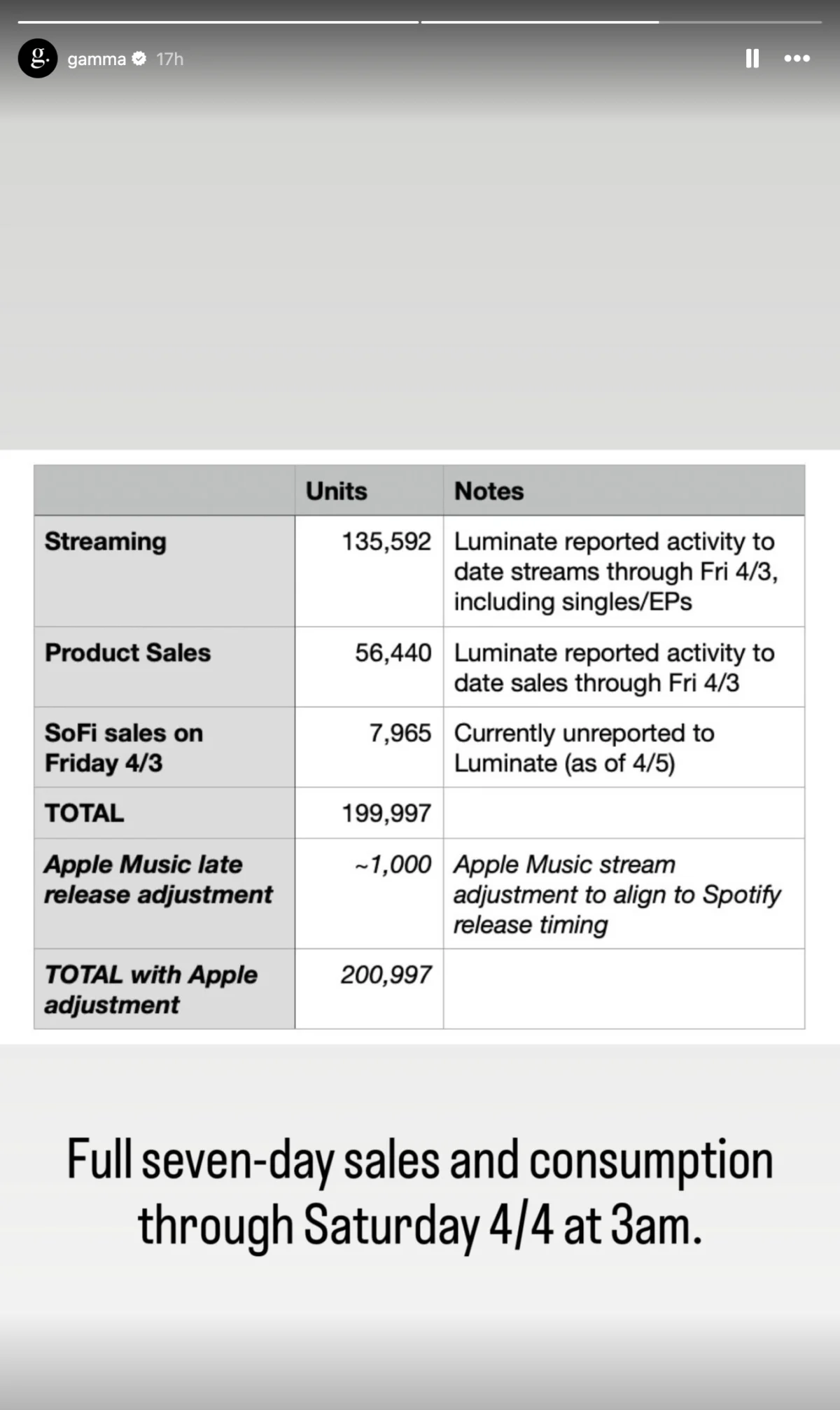
Interestingly, the UK ban contrasts sharply with Kanye West’s recent experiences on home soil. Despite the controversies, West has continued to perform in the United States without similar governmental intervention. He recently headlined two sold-out shows at Los Angeles’ SoFi Stadium in support of his new album, Bully. These concerts featured a lineup of notable special guests, including Lauryn Hill, Travis Scott, and Don Toliver, indicating that while his brand partnerships may have suffered, his musical appeal and ability to draw large crowds in the US remain robust. This disparity highlights the differing legal frameworks, cultural sensitivities, and public tolerance levels between nations when it comes to controversial public figures.
The cancellation of Wireless Festival is more than just a logistical challenge; it is a profound cultural and political statement. It underscores the increasing demand for accountability from public figures and the unwavering stance of governmental bodies and communities against hate speech. As the dust settles, the event will likely serve as a cautionary tale and a defining moment in how the music industry and governments navigate the complex interplay of artistic expression, public sentiment, and legal imperatives in a globalized world.