Kholidah
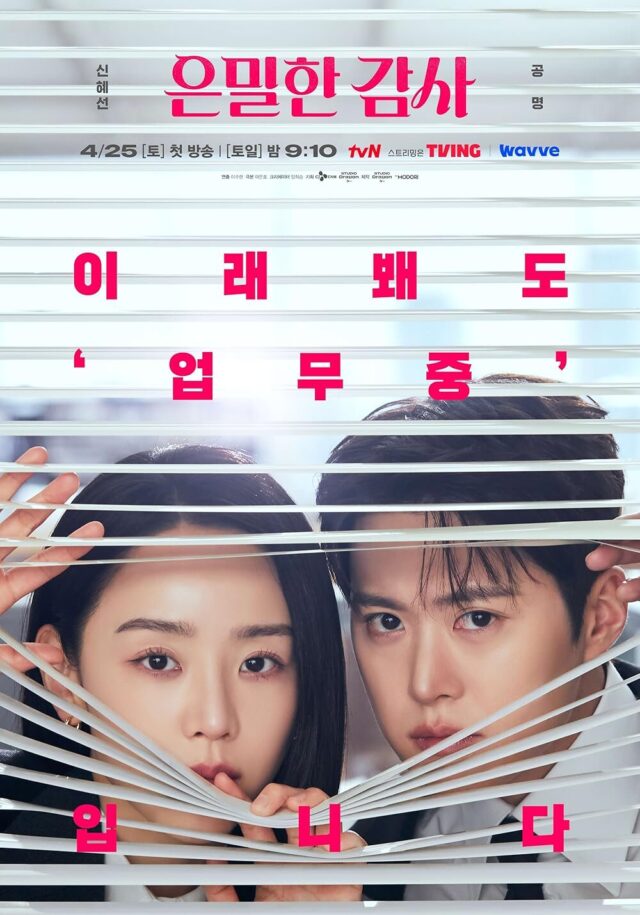
The South Korean television industry, globally recognized for its high production standards and sophisticated storytelling, is currently facing a significant wave of criticism following the broadcast of the third episode of the new tvN drama, Filing For Love. What began as a highly anticipated workplace romantic comedy has quickly become the center of a heated public debate regarding narrative logic, the portrayal of professional environments, and the use of nudity for shock value in mainstream broadcasting. The controversy centers on a specific scene involving the show’s lead actress, Shin Hye Sun, and her co-star, Gong Myung, which viewers have labeled as both unrealistic and offensive to the professional standards of the art community.
Filing For Love premiered with significant momentum, boasting a star-studded cast including Shin Hye Sun, Gong Myung, Kim Jae Wook, and Hong Hwa Yeon. The series was marketed as a lighthearted yet sharp look at office dynamics, focusing on Joo Inah (Shin Hye Sun), a perfectionist executive known for her cold demeanor and unparalleled professional competence. However, the ending of the third episode, which aired on May 2, 2026, took a sharp turn that many viewers felt was inconsistent with the show’s established tone.

The Controversial Reveal and Narrative Context
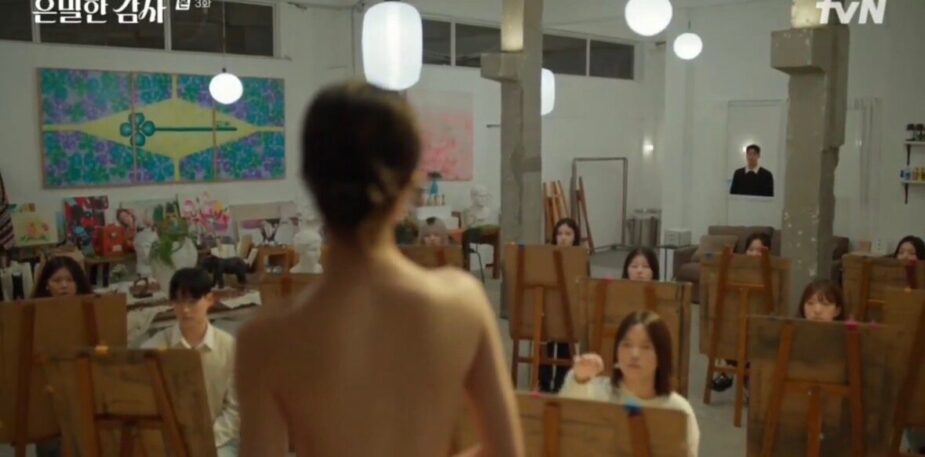
In the closing minutes of the third episode, the plot introduces a "secret life" for the protagonist, Joo Inah. It is revealed that her primary method of stress relief and personal expression is serving as a nude model for art classes. The scene culminates in a "accidental discovery" trope where the male lead, Noh Kijun (played by Gong Myung), inadvertently enters a studio room while Joo Inah is posing. The camera work and the staging of the encounter were designed to create a moment of high tension and vulnerability, but the execution has instead triggered a massive backlash across South Korean social media and online forums.
The primary point of contention lies in the perceived "trashy" nature of the writing. Many viewers expressed that the twist felt forced and served no purpose other than to generate social media engagement through provocative imagery. On platforms such as TheQoo and X (formerly Twitter), the reaction was immediate and overwhelmingly negative. Critics argue that the scene undermines the character development of Joo Inah, transforming a complex female professional into an object of a "voyeuristic accident" for the sake of a plot device.
Violation of Professional Standards in Art Education
Beyond the narrative complaints, a significant portion of the backlash stems from the scene’s blatant disregard for the actual protocols followed by art institutions and professional modeling guilds. In South Korea, as in much of the international art world, nude modeling sessions are governed by strict ethical and security guidelines designed to protect the privacy and safety of the models.

Professional artists and art students have been among the most vocal critics of the scene. According to industry standards, several layers of security are typically in place during a life drawing session involving nudity:
- Physical Barriers: Doors to the studio are traditionally locked from the inside, and "Session in Progress" signs are prominently displayed to prevent accidental entry.
- Visual Privacy: Windows are covered with blackout curtains or frosted glass to ensure that no one from the outside can view the model.
- Restricted Access: Only authorized students and faculty members are permitted on the floor where the session is taking place. In many prestigious institutions, even cleaning staff and administrative personnel are barred from the area during active modeling hours.
The ease with which the character Noh Kijun was able to "wander" into the room was cited by many as a "lazy scriptwriting" choice that insults the intelligence of the audience and the professionalism of the art community. One viral comment on TheQoo noted, "Art schools take these sessions with extreme seriousness. They clear entire floors and secure every entrance. The idea that a random office worker could just walk in and ‘catch’ a model is not just unrealistic; it’s a fantasy that ignores the reality of the work."
Timeline of the Backlash and Viewership Impact
The timeline of the controversy suggests a rapid deterioration of the show’s public image.
- May 2, 2026, 10:50 PM KST: Episode 3 concludes with the nude modeling reveal.
- May 2, 2026, 11:15 PM KST: Initial reactions appear on X, with viewers expressing confusion and discomfort.
- May 3, 2026, 8:00 AM KST: A comprehensive post on TheQoo detailing the unrealistic nature of the scene reaches the "Hot" category, garnering over 100,000 views in three hours.
- May 3, 2026, 12:00 PM KST: Media outlets begin reporting on the "extreme backlash," citing viewer comments calling the drama "trash" and "disgusting."
While official viewership ratings for the episode showed a slight uptick—likely due to the cliffhanger nature of the episode—market analysts suggest this may be a "noise-driven" peak. Historical data in the K-Drama industry indicates that when a series loses the "trust" of its audience regarding logical consistency, long-term retention often suffers. For a drama like Filing For Love, which relies on the chemistry and relatability of its characters, such a polarizing scene could prove detrimental to its performance in the remaining episodes.
Industry Implications and the "Shock Value" Trend
The incident highlights a broader trend in the South Korean broadcasting landscape where cable networks, facing stiff competition from global streaming platforms like Netflix and Disney+, are increasingly turning to provocative content to grab attention. While tvN has a history of producing groundbreaking and sophisticated content, critics argue that Filing For Love represents a lapse in editorial judgment.
The use of nudity or "adult themes" in K-Dramas has become more frequent as censorship laws have evolved, but the Korean public remains sensitive to how these themes are integrated. When nudity is perceived as integral to the plot—as seen in gritty noir or historical epics—it is often accepted. However, in the context of a workplace comedy, the sudden shift to a "nude modeling" subplot is seen by many as "tonal whiplash."

Furthermore, the controversy touches upon the "Me Too" era sensitivities in South Korea. The trope of a man "accidentally" seeing a woman naked is increasingly viewed as outdated and problematic. Critics argue that such scenes normalize privacy breaches and prioritize the male gaze over the female character’s autonomy.
Official Responses and Potential Recourse
As of May 4, 2026, neither tvN nor the production company behind Filing For Love has issued a formal apology or a detailed explanation for the scene. Standard industry practice in these situations often involves the production team releasing a statement emphasizing that the scene was "essential for the character’s growth" or "intended to show a different side of the protagonist." However, given the specific nature of the complaints regarding art school protocols, a technical explanation may be required to appease the professional community.
The Korea Communications Standards Commission (KCSC) may also become involved if formal complaints continue to mount. The KCSC has the authority to issue warnings or fines to broadcasters for content that is deemed "harmful to public morals" or "lacking in social responsibility." While the scene in Filing For Love may not meet the legal threshold for obscenity, the sheer volume of public outcry often prompts a review by the commission.
Analysis of the Impact on the Lead Cast
The backlash is particularly noteworthy given the reputation of the lead actress, Shin Hye Sun. Known for her meticulous script selection and powerful acting range, Shin has rarely been involved in such polarizing controversies. Her participation in this scene has led some fans to question the direction of her management team. Conversely, supporters argue that an actress should not be blamed for the logical fallacies of a script and that her performance remains professional despite the writing.
Gong Myung, who plays the character responsible for the "accidental discovery," also finds himself in a difficult position. The "stumbling male lead" trope is difficult to execute in a modern context without appearing intrusive, and the current script has placed his character in a light that many viewers find "creepy" rather than "endearing."
Conclusion
The controversy surrounding Filing For Love serves as a cautionary tale for modern television production. In an era where audiences have instant access to professional information and are increasingly critical of narrative tropes, the "shock value" of a nude scene is no longer a guaranteed method for success. The backlash underscores a demand for logical consistency, respect for professional realities, and a move away from voyeuristic plot devices. As the series continues, the production team faces the challenge of repairing the broken immersion of its audience and proving that Filing For Love is more than the "trash drama" its harshest critics have labeled it. Whether the show can pivot back to its original promise of a sophisticated workplace comedy remains to be seen, but the "nude scene" incident will undoubtedly remain a significant stain on its broadcast history.