Kholidah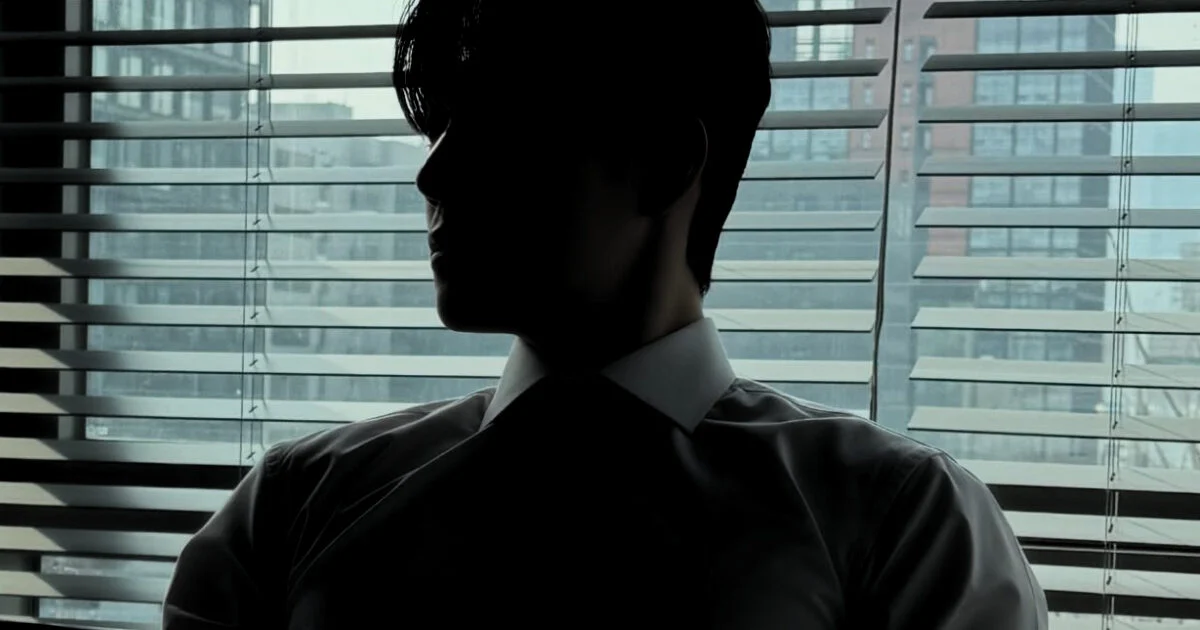
A prominent contestant from the fourth season of the hit Netflix reality dating series Single’s Inferno is currently at the center of a major public relations crisis following serious allegations of school violence and harassment. Kook Dong Ho, who gained significant popularity for his composed and charismatic demeanor on the show, has been accused by a former classmate of being a perpetrator of systemic bullying during their middle school years. The allegations, which surfaced on social media in early May 2026, have ignited a fierce debate across South Korean online communities regarding the ethical responsibilities of broadcasters and the vetting processes for reality television participants.
The accusations were brought to light by a user on X (formerly Twitter) identifying as Lee Yoo Rim, a practicing lawyer who operates under the handle @chusami_lawyer. In a series of detailed posts, Lee alleged that Kook was part of a notorious "iljin" (delinquent) clique at Noeun Middle School. The lawyer’s testimony has resonated deeply with the public, not only due to the specific nature of the claims but also because of the stark contrast between the "gentlemanly" image Kook projected on Single’s Inferno and the "cruel" behavior described in the viral thread.
Detailed Allegations of School Violence
According to the statements provided by Lee Yoo Rim, the harassment she endured was both psychological and physical. One of the most prominent claims involves a "confession attack," a form of public humiliation where a bully feigns romantic interest in a victim to mock them in front of an audience. Lee described an incident where Kook—who was allegedly dating the leader of the bullying clique at the time—publicly knelt before her, presented a cake, and "confessed" his feelings while his girlfriend and other associates watched and laughed.
"Basically, it’s when they put you in a position where you can’t reject them," Lee wrote in her social media testimony. "He was kneeling in front of others, giving me a cake, and confessing while his girlfriend watched, all while mocking me and laughing about it."
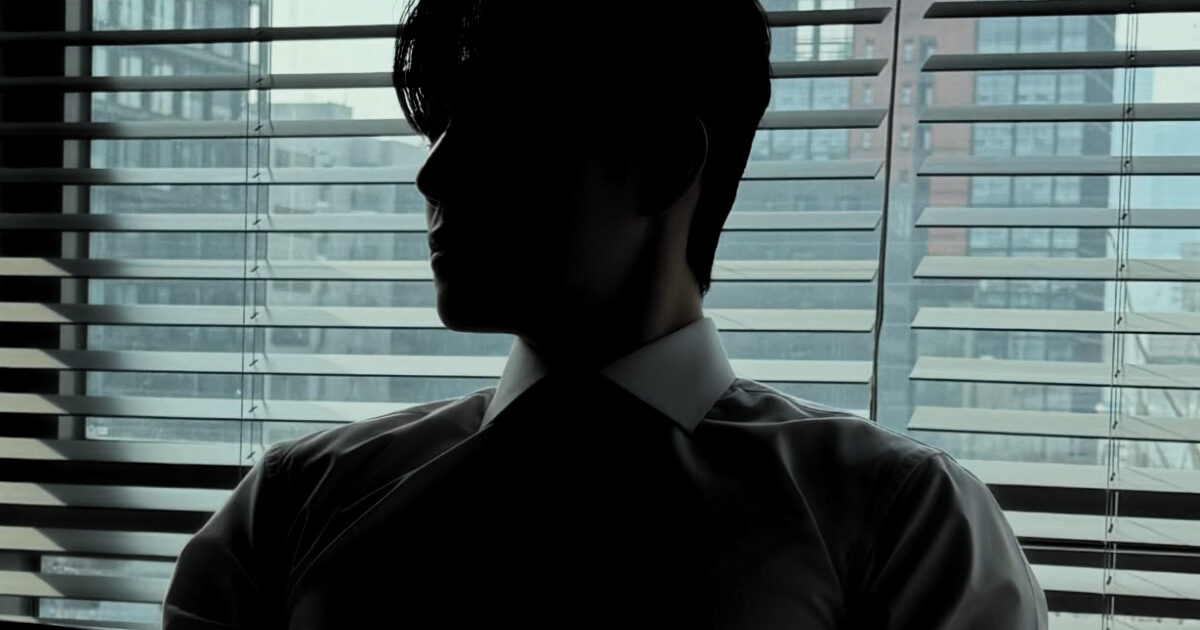
Beyond psychological warfare, Lee alleged that the group engaged in physical harassment and property damage. She claimed that the clique, with Kook’s full knowledge and participation, would strike her with badminton rackets, place thumbtacks on her chair, and use industrial-strength super glue to seal her locker shut. Lee emphasized that while Kook may not have been the primary instigator in every specific act, his status as a high-profile member of the delinquent group and his active participation in the mockery made him a core perpetrator in her eyes.
Chronology of the Controversy
The timeline of the scandal suggests a rapid escalation from online discourse to a potential legal standoff.
- Mid-April 2026: Single’s Inferno Season 4 concludes its broadcast run on Netflix. Kook Dong Ho emerges as one of the most followed contestants, transitioning from his previous professional career into a full-time influencer and brand ambassador.
- May 3, 2026: Lee Yoo Rim posts the first series of allegations on X. She identifies Kook by name and provides specific details about their shared history at Noeun Middle School. The posts quickly garner tens of thousands of retweets and reach the top of trending topics on South Korean portals like theqoo and Nate Pann.
- May 3, 2026 (Evening): Kook Dong Ho’s management agency reportedly makes contact with Lee Yoo Rim. According to Lee, the agency denied any connection between the two and claimed Kook had no recollection of her.
- May 4, 2026: Lee Yoo Rim responds to the agency’s denial, asserting that perpetrators rarely remember their victims, whereas victims carry the trauma for a lifetime. She reaffirms her position and hints at her professional standing as a lawyer as a testament to her credibility.
Official Responses and Public Reaction
The response from Kook Dong Ho’s camp has been one of total denial. In a brief statement relayed through Lee’s updates, the agency suggested that the claims were "unfounded" and that there was "no acquaintance" between the contestant and the accuser. As of the time of reporting, Kook’s personal social media accounts have remained inactive, and Netflix has not issued a formal statement regarding the future of the contestant’s involvement in promotional activities.
Public opinion remains divided, though it leans heavily toward the victim. Many netizens have expressed a sense of betrayal, noting that Kook’s "calm and composed" persona on the show feels like a calculated mask if the allegations prove true. Conversely, a minority of observers have urged for a balanced investigation, citing previous instances in the Korean entertainment industry where initial "Hak-pok" (school violence) allegations were later found to be exaggerated or part of a coordinated smear campaign.
However, Lee’s status as a legal professional has added a layer of gravity to the situation. Supporters argue that a lawyer would be unlikely to risk their professional reputation and face potential defamation lawsuits—which are strictly enforced in South Korea—without having substantive evidence or a truthful basis for their claims.

Contextualizing the "Hak-pok" Phenomenon
The controversy surrounding Kook Dong Ho is the latest in a long string of school violence scandals that have rocked the South Korean entertainment industry over the last five years. Known locally as the "Hak-pok" (school violence) movement, these disclosures often follow a similar pattern: a celebrity rises to fame, prompting a former victim to share their trauma online, which then leads to the celebrity’s removal from ongoing projects or a total withdrawal from public life.
Data from the South Korean Ministry of Education suggests that while reported incidents of school violence have fluctuated, the societal intolerance for such behavior has reached an all-time high. For celebrities, an allegation of school violence is often more damaging than scandals involving drug use or financial impropriety. This is largely due to the cultural emphasis on "character" (insung) in the Korean idol and reality TV industries.
In the case of Single’s Inferno, the stakes are particularly high. The show is a global flagship for Netflix’s unscripted Korean content. Previous seasons have also faced controversies; most notably, Season 1 contestant Song Ji-a (FreeZia) faced a massive backlash over wearing counterfeit luxury goods, which led to her temporary hiatus from the industry. The current allegations against Kook Dong Ho, however, are of a much more serious, criminal nature.
Vetting Processes and Production Responsibility
The recurring nature of these scandals has placed a spotlight on the vetting processes utilized by production companies like Netflix and its local partners. Before filming begins, contestants are typically required to undergo background checks and sign contracts that include "morality clauses," which allow the production to seek damages if a contestant’s past behavior harms the show’s reputation.
Industry experts suggest that vetting for school violence is notoriously difficult. Unlike criminal records, school disciplinary records are often private or expunged after a certain number of years. Furthermore, "iljin" behavior often takes place in social spheres that leave no official paper trail, relying instead on the testimonies of former classmates.

This incident is expected to trigger a renewed demand for more stringent screening. Some suggest that production houses should implement "pre-screening" periods where potential cast lists are shared with a wider net of industry insiders or even localized school alumni associations to flush out potential issues before the cameras roll.
Fact-Based Analysis of Implications
If the allegations against Kook Dong Ho are substantiated, the implications for his career and the production of Single’s Inferno are significant.
- Legal Consequences: While the statute of limitations for many school-age offenses may have passed, the civil implications are vast. Under South Korean law, truth-based defamation (Article 307 of the Criminal Act) still allows for legal action if the disclosure harms someone’s reputation without a clear public interest. However, if Lee can prove her claims are in the public interest—specifically regarding the vetting of public figures—she may have a strong defense.
- Financial Impact: Kook likely faces the loss of brand deals and influencer sponsorships. Morality clauses in his contracts with Netflix and third-party advertisers could result in hefty "penalty" fees (wiyakgeum), often totaling two to three times the original contract value.
- Societal Discourse: This case highlights a shifting power dynamic in South Korean society. The victim, who was once powerless in the face of a school bully, has returned as a legal authority figure (a lawyer), while the alleged bully has sought success in a field (entertainment) that requires public approval. This "revenge of the victim" narrative is a powerful cultural trope in modern Korea, exemplified by the global success of dramas like The Glory.
As the situation develops, the focus remains on whether Lee Yoo Rim will provide further evidence, such as graduation photos, yearbooks, or corroborating testimonies from other classmates. For now, the "Single’s Inferno" star remains under a cloud of suspicion that threatens to permanently extinguish his burgeoning career in the limelight. The public and the industry alike are waiting to see if Kook Dong Ho will address the specific details of the "confession attack" and the locker incidents, or if he will maintain his stance of total denial through his legal representatives.