Lana Akmaluna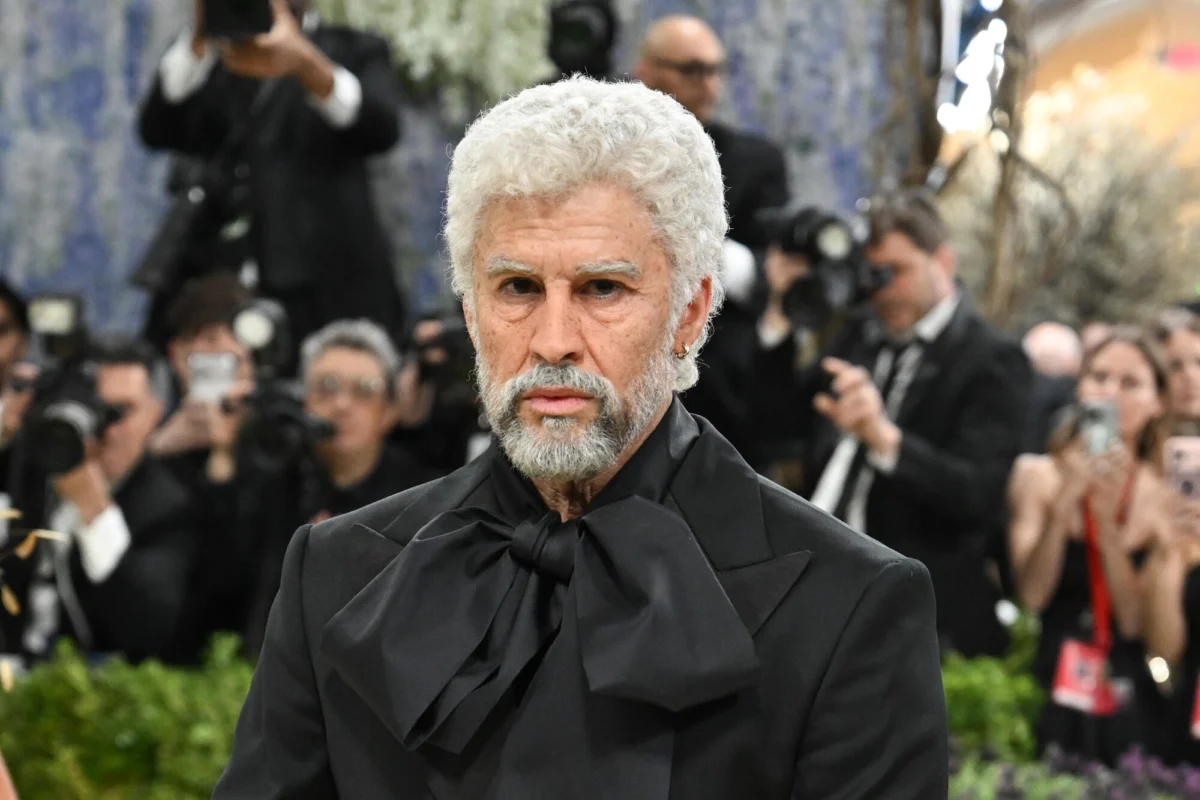
The Metropolitan Museum of Art once again became the epicenter of the global cultural zeitgeist on May 4, 2026, as the annual Met Gala convened to celebrate the opening of the Costume Institute’s latest exhibition, Fashion Is Art. Among a sea of high-fashion interpretations and avant-garde silhouettes, it was the Puerto Rican superstar Bad Bunny—born Benito Antonio Martínez Ocasio—who commanded the most significant attention. In a daring display of performance art and prosthetic mastery, the multi-Grammy-winning artist bypassed traditional glamour in favor of a profound, age-defying transformation that left onlookers and fashion critics alike debating the boundaries of red-carpet presentation.
The Aesthetic of Aging: A Masterclass in Transformation
Walking the iconic steps of the Met, Bad Bunny appeared as a vastly older version of himself. The transformation was thorough, utilizing high-grade prosthetic makeup to create realistic wrinkles, age spots, and a weathered complexion. His trademark dark hair was replaced with a shock of distinguished white, and his posture was meticulously curated to reflect a man of advanced years. This was not merely a costume but a character study, bolstered by his choice of attire: a sophisticated, all-black tailored suit punctuated by an oversized, architectural bow that flowed behind him like a modern train.
The inclusion of a functional wooden cane served as the final touch to his "senior citizen" persona. While the look was initially jarring to those accustomed to his high-energy stage presence, it quickly became clear that the artist was engaging directly with the evening’s theme, "Fashion Is Art." By treating his own body as a canvas for the passage of time, Bad Bunny explored the intersection of mortality, legacy, and the permanence of style.
Behind the Theme: Fashion Is Art and the Costume Art Exhibit
The 2026 Met Gala theme, "Fashion Is Art," was designed to challenge the historical distinction between "fine art" (painting, sculpture) and "applied art" (clothing). The accompanying exhibition, "Costume Art," curated by Andrew Bolton, sought to showcase garments not merely as functional objects or social signifiers, but as autonomous works of artistic expression. Bad Bunny’s decision to use prosthetic aging aligned perfectly with this mandate, suggesting that the human form is the ultimate medium for artistic intervention.
The 2026 event marked a shift toward more conceptual interpretations of the red carpet. In previous years, themes such as "The Garden of Time" or "Gilded Glamour" encouraged historical homage or floral motifs. However, "Fashion Is Art" invited a more philosophical approach. Bad Bunny’s "Elder Benito" look suggested that even as the physical body decays, the "art" of the persona—and the fashion that clothes it—remains a vital form of communication.
A Dialogue with the Red Carpet: The La La Anthony Interview
During his ascent up the grand staircase, Bad Bunny paused to speak with Vogue red carpet co-host La La Anthony. The exchange highlighted the artist’s growing comfort within the high-fashion circuit and his playful approach to public perception. When Anthony asked how he continues to innovate his appearance year after year, Bad Bunny offered a reflective response.
"I don’t know," he admitted, speaking through the persona of his aged self. "It’s getting to be a part of my life, trying to do something different. This day of the Met is a perfect day to explore and be creative and express yourself in a different way."
When pressed on the logistics of his transformation, the artist maintained his commitment to the bit, joking that the look took "53 years exactly" to put together. This witty remark served a dual purpose: it acknowledged the time-intensive nature of prosthetic application—which industry experts estimate can take between six to eight hours—and played into a lighthearted narrative about seeking a "senior discount" on the museum’s admission.
The Cinematic Trajectory: From Stage to Screen
Bad Bunny’s convincing physical performance at the Met Gala did not occur in a vacuum. It follows a significant pivot in his career toward professional acting. Having already secured roles in the high-octane action film Bullet Train and the upcoming sports comedy Happy Gilmore 2, the artist is currently preparing for a prestigious project directed by the legendary Puerto Rican artist Residente.

Industry analysts suggest that his Met Gala appearance functioned as a "live audition" of sorts, proving his ability to disappear into a role. The commitment to the senior citizen character—maintaining the gait and demeanor of an elderly man throughout the grueling red-carpet walk—underscores his dedication to the craft of acting. By blending his musical superstardom with method-acting techniques on the world’s most-watched fashion stage, Bad Bunny is effectively rebranding himself as a multi-hyphenate artist with limitless range.
A Timeline of Met Gala Evolution
To understand the impact of Bad Bunny’s 2026 appearance, one must look at his rapid ascent within the hierarchy of the Met Gala. Since his debut, he has consistently moved toward more complex and conceptually dense outfits:
- 2022 (In America: An Anthology of Fashion): Bad Bunny made his debut in a custom Burberry trench coat-inspired gown, featuring puff sleeves and a tiara, signaling his intent to challenge gender norms in fashion.
- 2023 (Karl Lagerfeld: A Line of Beauty): He wore an all-white Jacquemus suit with a dramatic backless cutout and a 26-foot flower cape, a tribute to the late designer’s love for camellias.
- 2024 (The Garden of Time): Serving as a co-chair, he donned a Maison Margiela Artisanal look by John Galliano, cementing his status as a pillar of the fashion establishment.
- 2026 (Fashion Is Art): His "aged" look represents a move away from traditional beauty toward conceptual performance art.
The 2026 Guest List: A Convergence of Global Icons
The 2026 gala was notable for its heavy concentration of musical talent, reflecting the industry’s dominance over modern fashion trends. Beyoncé, serving as one of the evening’s co-chairs, set a high bar for the night, while other attendees included Madonna, Maluma, and Doja Cat.
A significant highlight of the evening was the presence of all four members of the global K-pop phenomenon BLACKPINK. JISOO, JENNIE, LISA, and ROSÉ each arrived representing their respective luxury fashion houses, showcasing the globalized nature of the "Fashion Is Art" theme. Other notable appearances included Sabrina Carpenter, Charli xcx, and Sam Smith, each contributing to an atmosphere that prioritized individualistic expression over monolithic trends.
Data and Economic Impact of the Met Gala
The Met Gala remains the primary funder for the Costume Institute, with the 2026 event expected to exceed previous fundraising records. In 2024, the gala raised approximately $26 million; early projections for 2026 suggest that ticket prices (reported to be in the $75,000 range per person) and corporate sponsorships from brands like Amazon Fashion and Instagram have pushed the total toward the $30 million mark.
Furthermore, the "Bad Bunny Effect" on social media is quantifiable. According to data from Launchmetrics, the artist’s appearances at the Met Gala consistently generate some of the highest Earned Media Value (EMV) of any attendee. His 2024 appearance alone was credited with generating over $15 million in EMV for the brands he wore. His 2026 prosthetic transformation is expected to dominate social media discourse for weeks, significantly boosting the visibility of the "Costume Art" exhibition to younger, more diverse demographics.
Broader Implications for the Fashion Industry
Bad Bunny’s 2026 appearance signals a broader trend in the fashion industry: the rise of "Method Dressing." This occurs when celebrities stay in character or use their clothing to tell a narrative story beyond the garment’s aesthetic value. By aging himself, Bad Bunny commented on the cyclical nature of fashion—how what is "old" becomes "art" when viewed through the lens of a museum.
Critics have noted that this move also challenges the ageism inherent in the entertainment industry. By intentionally adopting the visage of an elder, one of the world’s most "current" and "youthful" stars forced the audience to confront the beauty of aging. It was a subversive choice in an environment usually dedicated to the preservation of eternal youth.
Conclusion: The Legacy of Benito at the Met
As the 2026 Met Gala concluded, the image of an elderly Bad Bunny leaning on his cane remained the night’s most enduring visual. Through his collaboration with world-class makeup artists and his own intuitive understanding of spectacle, the artist proved that he is no longer just a guest at the table of high fashion—he is one of its primary architects.
The "Fashion Is Art" theme provided the perfect backdrop for this statement. In a world of fleeting trends and digital filters, Bad Bunny’s physical commitment to a long-term vision of himself reminded the world that fashion, at its best, is a form of truth-telling. Whether he is topping the Billboard charts or walking the red carpet as a 70-year-old version of himself, Benito Antonio Martínez Ocasio continues to redefine what it means to be a global superstar in the 21st century. The "Costume Art" exhibition will run through the summer of 2026, but the conversation started by Bad Bunny’s transformation will likely influence the intersection of celebrity and style for years to come.