Kholidah
The Genesis of the Visual Controversy
The promotional material in question was uploaded to LE SSERAFIM’s official social media channels, including X (formerly Twitter) and Instagram, in early May 2026. The graphic was designed to announce the group’s participation in the upcoming "Daedongje" (university festival) circuit, a cultural staple in South Korea where top-tier K-pop acts perform for student bodies across the nation.
The image featured a maximalist, high-saturation design characterized by explosive firework graphics, jagged neon-colored text boxes, and a chaotic layout. Phrases such as “Heart Explosion Warning” and “In May, LE SSERAFIM girls are coming!” were plastered across the image in fonts reminiscent of early 2000s digital typography. Another caption declared, “We’re taking over the campus!” using a bold, clashing color palette of yellow, red, and electric blue.
While the intention appeared to be a "retro-kitsch" or "camp" aesthetic, the execution was met with immediate pushback. Within hours of its release, the promotional material became a trending topic on theqoo, one of South Korea’s largest online community forums. A post titled “HYBE’s Take On The Retro Trend” quickly amassed tens of thousands of views and hundreds of comments, the majority of which were critical of the graphic’s quality and stylistic choices.

The "Hobak Night" Comparison and Cultural Context
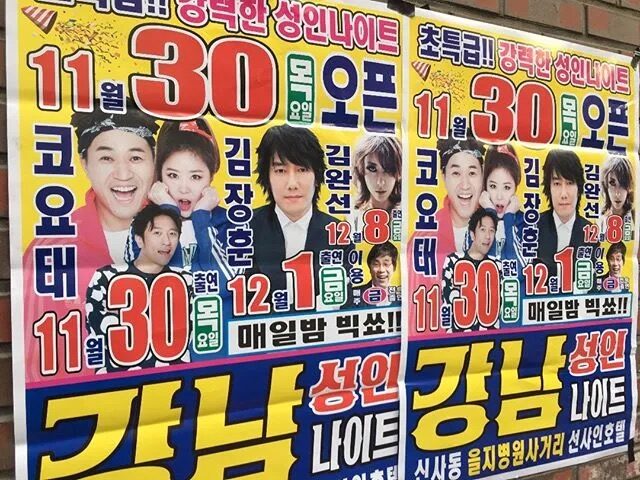
The most prevalent criticism among Korean netizens was the comparison of the poster to advertisements for "Hobak Night" (Pumpkin Night), a well-known chain of adult-oriented nightclubs in South Korea. These establishments are historically associated with a specific type of flashy, low-budget marketing aimed at an older demographic, often referred to as "ahjussi-coded" (middle-aged man coded).
In the South Korean context, the "Hobak Night" aesthetic is the antithesis of the "cool, sophisticated, and fearless" image that LE SSERAFIM has cultivated since their debut in 2022. Critics argued that by adopting a visual language associated with outdated nightlife culture, the creative team at Source Music inadvertently cheapened the group’s professional standing. Comments on community forums described the aesthetic as "trashy," "cheap," and "regressive," with many users expressing confusion as to why a multi-billion dollar company like HYBE would approve such a design.
The backlash highlights a growing sensitivity among K-pop fans regarding "retro" trends. While groups like NewJeans—another HYBE subsidiary group—have successfully utilized Y2K and 90s nostalgia to great acclaim, the execution for LE SSERAFIM was viewed as a misunderstanding of the trend. Rather than appearing as "Gen Z retro," which is typically characterized by a curated, artistic vintage feel, the LE SSERAFIM poster was seen as a literal imitation of low-quality commercial flyers from a bygone era.
A Departure from Established Brand Identity
Since their inception, LE SSERAFIM has been marketed as a "high-fashion" girl group. Their debut with FEARLESS and subsequent releases like ANTIFRAGILE and UNFORGIVEN utilized sleek, minimalist, and luxury-inspired visuals. The group’s members, including Sakura and Kim Chaewon, are frequently seen in collaborations with high-end fashion houses, and their music videos often feature cinematic production values.

The sudden shift toward a garish, "low-fi" aesthetic for the university festival season has led to concerns about branding inconsistency. Marketing analysts note that for a group at LE SSERAFIM’s level, brand coherence is essential for maintaining both fan loyalty and corporate sponsorship appeal.
The timeline of this controversy is also significant. It follows a period of intense public scrutiny for the group following their performance at the Coachella Valley Music and Arts Festival in April 2024 (and subsequent years in this projected timeline). Having faced criticism regarding their live vocal stability, the group’s management was expected to pivot toward high-quality, rehabilitative marketing. Instead, the release of what fans perceive as "low-effort" promotional material has exacerbated existing frustrations within the fandom.
The Strategic Importance of University Festivals
To understand the weight of this backlash, one must consider the importance of the South Korean university festival season. Occurring primarily in May and September, these festivals are more than just performances; they are high-stakes marketing opportunities.
- Domestic Popularity: Success at a university festival often translates directly into digital chart longevity. Viral fancams from these events can propel a song back to the top of the Melon charts.
- Demographic Targeting: The primary audience—college students—represents the trendsetters of South Korean consumer culture. Securing the "loyalty" of this demographic is vital for long-term career sustainability.
- Brand Reputation Index: Participation in these festivals significantly impacts a group’s "Brand Reputation Index," a metric used by advertisers to determine the commercial viability of idols for CF (commercial film) contracts.
By releasing promotional material that was widely mocked, Source Music risked devaluing the group’s "cool factor" just as they were set to engage with this critical demographic. While some defenders of the design argued that the "tacky" look was an intentional, tongue-in-cheek reference to the chaotic energy of college festivals, the overwhelming consensus was that the irony failed to land.

Industry Trends and Creative Leadership
The controversy also brings into focus the internal creative shifts within HYBE. In recent months, the conglomerate has been embroiled in a public legal and corporate battle with Min Hee-jin, the CEO of ADOR and the creative mastermind behind NewJeans. Min is widely credited with pioneering the modern "retro" aesthetic in K-pop.
Industry observers have noted that other HYBE labels may be attempting to emulate the success of the "retro" aesthetic but are struggling to capture the same level of sophistication. The criticism directed at LE SSERAFIM’s promo material suggests a potential "creative vacuum" or a lack of clear visual direction within Source Music specifically.
Furthermore, the "ahjussi-coded" critique is particularly damaging in an industry where female fans are the primary drivers of physical album sales and digital engagement. If a group’s marketing is perceived as catering to an older male gaze or utilizing outdated "nightclub" tropes, it can alienate the core female fan base that values empowerment and modern sensibilities—themes that are central to LE SSERAFIM’s "Fearless" narrative.
Broader Implications and Future Outlook
While a single promotional poster is unlikely to derail a career as successful as LE SSERAFIM’s, the incident serves as a cautionary tale for K-pop management companies. In an era where every piece of content is scrutinized by a global audience within seconds of its release, "ironic" or "retro" marketing must be handled with precision.
As of the current reporting period, Source Music has not issued a formal statement regarding the design choices. However, the group has continued with their scheduled university festival appearances. Reports from these events suggest that despite the online controversy, the group’s live performances remain highly attended, indicating that their "performance power" may still outweigh their recent "marketing missteps."
Nevertheless, the viral backlash serves as a reminder of the delicate balance between innovation and brand integrity. For LE SSERAFIM to maintain their status as leaders of the 4th generation of K-pop, their visual output will likely need to return to the high standards of production and sophisticated storytelling that defined their earlier successes. The "Hobak Night" comparison, while humorous to some, represents a branding hurdle that the group’s creative team will need to overcome in their subsequent comeback cycles.
Moving forward, industry experts expect a more conservative approach to "retro" themes from HYBE-affiliated labels as they seek to distance themselves from the "cheap" or "unprofessional" labels currently circulating in online communities. The lesson for the industry is clear: nostalgia is a powerful tool, but without a modern, high-quality lens, it risks being perceived as a step backward rather than a stylistic choice.