Reynand Wu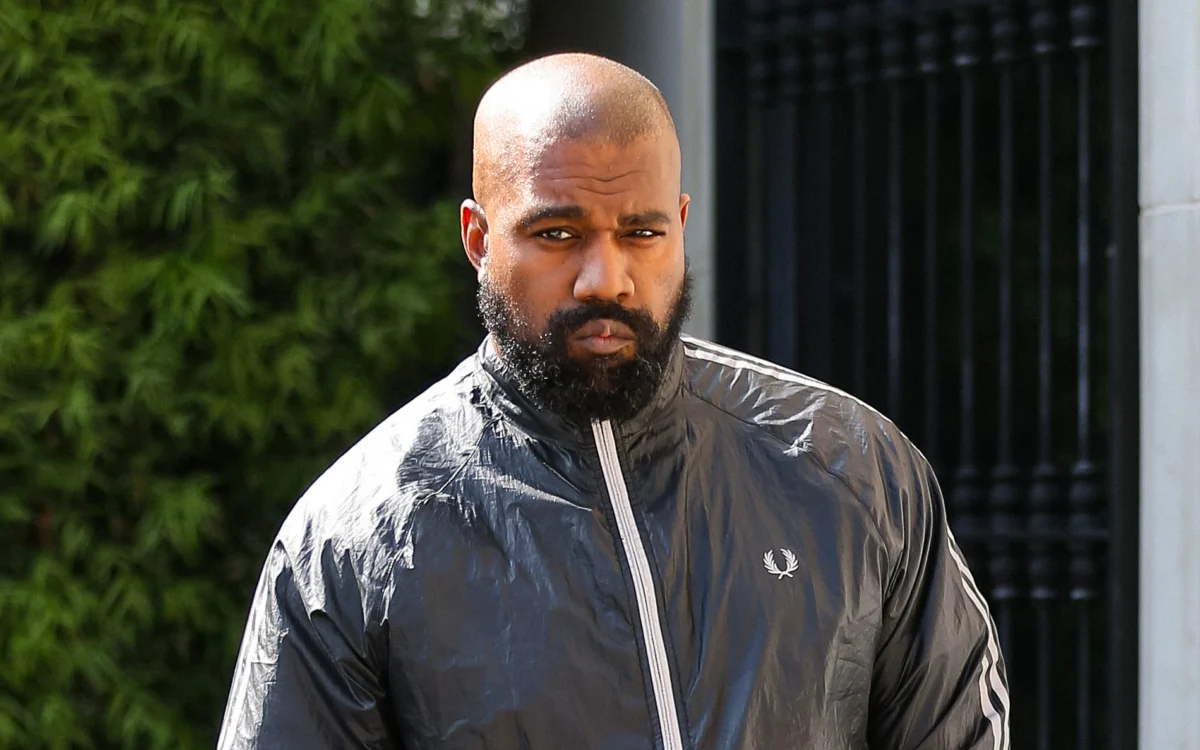
Wireless Festival, one of the United Kingdom’s premier urban music events, has been abruptly canceled following the Home Office’s decision to deny entry to its sole headliner, American artist Kanye West, also known as Ye. The London-based rap and R&B festival made the somber announcement on Tuesday, April 7, confirming that all ticket holders would receive an automatic full refund. This unprecedented cancellation sends shockwaves through the UK music industry, marking a significant moment in the ongoing debate surrounding artistic freedom, celebrity accountability, and public good.
The decision by UK authorities comes amidst a prolonged period of intense scrutiny and mounting pressure from various quarters, including major corporate sponsors, influential campaign groups, and prominent UK political figures. The controversy stemmed directly from Ye’s recent history of antisemitic and pro-Nazi comments, which had cast a long shadow over the festival’s decision to book the artist for three nights.
The Genesis of Controversy: A Timeline of Remarks
Kanye West’s controversial public statements began to escalate significantly in late 2022, drawing widespread condemnation and leading to a rapid decline in his public image and commercial partnerships. Key incidents include:
- October 2022: Ye posted a tweet stating he was going "death con 3 On JEWISH PEOPLE," an explicit threat that immediately triggered a firestorm of criticism. This tweet led to his suspension from Twitter (now X) and Instagram.
- December 2022: During an interview on Alex Jones’ InfoWars, Ye openly praised Adolf Hitler and made multiple antisemitic remarks, including denying the Holocaust and stating, "I like Hitler." He also wore a mask during the interview, adding to the unsettling nature of his appearance.
- Later in December 2022: He posted an image on social media that combined a swastika with the Star of David, a widely condemned act that further alienated him from the public and numerous collaborators.
These statements, among others, led to major brands severing ties with the artist, most notably Adidas, which ended its lucrative Yeezy partnership, resulting in significant financial losses for Ye. Gap and Balenciaga also terminated their collaborations. Despite these repercussions, Ye maintained a defiant stance, often doubling down on his rhetoric or offering vague apologies that were frequently seen as insincere.
Mounting Pressure: Corporate and Political Backlash
The booking of Kanye West as the headliner for Wireless Festival 2026, scheduled for July 10, 11, and 12, immediately ignited a fierce backlash. Critics argued that offering such a prominent platform to an artist with a history of promoting hate speech was irresponsible and unacceptable. This sentiment quickly translated into tangible consequences for the festival:
- Sponsor Exodus: Several major brands, including PepsiCo, PayPal, and Diageo (the parent company of Guinness and Johnnie Walker), announced their withdrawal of sponsorship from Wireless Festival in the days leading up to the ban. These companies cited their commitment to diversity, inclusion, and rejecting hate speech as reasons for their decision, emphasizing that their brand values were incompatible with associating with Ye. The loss of such significant financial backing undoubtedly placed immense pressure on the festival organizers.
- Political Condemnation: The controversy also reached the highest levels of UK politics. Prime Minister Sir Keir Starmer publicly voiced his concern, describing the festival’s decision to book Ye as "deeply concerning." He emphasized the importance of not providing a platform for individuals who promote antisemitism or other forms of hatred, signaling a strong government stance against such rhetoric. Other Members of Parliament and local councilors echoed these sentiments, urging the Home Office to intervene.
- Advocacy Group Campaigns: Anti-hate organizations, notably the Campaign Against Antisemitism and the Board of Deputies of British Jews, were at the forefront of the campaign against Ye’s performance. They launched petitions, issued public statements, and engaged directly with festival organizers and government officials, highlighting the profound hurt and offense Ye’s comments had caused to the Jewish community and demanding action.
The Home Office Decision: "Not Conducive to the Public Good"
The decisive blow came on Monday, April 6, when Kanye West’s application to travel to the UK via an Electronic Travel Authorisation (ETA) was formally rejected by the Home Office. The government agency cited the grounds that his presence in the country "would not be conducive to the public good."
The "public good" clause is a broad and powerful provision under UK immigration law, allowing the Home Office to refuse entry to individuals whose presence is deemed harmful to society, national security, or public order. While often applied in cases involving serious criminal offenses or national security threats, it has also been invoked for individuals whose public statements or actions are seen as inciting hatred, division, or posing a risk to community cohesion. The explicit and widely condemned nature of Ye’s antisemitic and pro-Nazi remarks provided a clear basis for the Home Office’s decision, underscoring the UK’s zero-tolerance policy towards hate speech. This move demonstrated a rare and significant intervention by the government in a cultural event, highlighting the severity with which Ye’s statements were viewed.
Kanye West’s Pre-Ban Plea and the Jewish Community’s Response
Prior to the Home Office’s definitive ban, and as the backlash intensified, Kanye West issued a public statement addressing the growing controversy surrounding his planned Wireless Festival appearances. In his statement, he claimed that his "only goal is to present a show of change" and to "bring unity, peace and love through my music." He further offered to meet with "members of the Jewish community in the UK in person, to listen."
This offer, perceived by many as a last-ditch effort to salvage his performances, was met with a cautious but firm response from the Board of Deputies of British Jews. While acknowledging the potential for dialogue, their statement made it clear that any meeting would be conditional: "We are willing to meet Kanye West as part of his journey of healing, but only after he agrees not to play the Wireless Festival this year." This condition effectively called Ye’s bluff, indicating that genuine remorse and a commitment to address the harm caused would need to precede any attempt at reconciliation, and that performing at the festival would contradict such an effort. The Home Office ban ultimately rendered this negotiation moot.
Festival Republic’s Stance and the Dilemma of Free Speech
In a surprising turn of events prior to the Home Office ban and the subsequent cancellation, Melvin Benn, the managing director of Festival Republic, the company behind Wireless Festival, had publicly defended the decision to book Kanye West. Benn’s statement acknowledged the abhorrent nature of Ye’s past comments, stating, "What Ye has said in the past about Jews and Hitler is as abhorrent to me."
However, Benn’s defense rested on a distinction between the artist’s controversial opinions and his musical output. He argued, "Ye’s music is played on commercial radio stations in this country. It is available via live streams and downloads in this country without comment or vitriol from anyone and he has a legal right to come into the country and to perform in this country." Benn further clarified, "We are not giving him a platform to extol opinion of whatever nature, only to perform the songs that are currently played on the radio stations in our country and the streaming platforms in our country and listened to and enjoyed by millions."
Benn concluded his defense by appealing for "forgiveness and giving people a second chance," suggesting these virtues were "becoming a lost virtue in this ever-increasing divisive world." He urged people to "reflect on their instant comments of disgust at the likelihood of him performing (as was mine) and offer some forgiveness and hope to him as I have decided to do." This position highlighted the complex tightrope festival organizers walk between artistic freedom, commercial viability, and social responsibility. While Benn’s argument for separating art from artist and offering redemption resonated with some, it ultimately failed to sway public opinion, corporate sponsors, or government authorities in this particular context.
The Immediate Aftermath: Cancellation and Financial Repercussions
The cancellation of Wireless Festival 2026 represents a significant blow to the UK’s summer festival calendar. As a major multi-day event, Wireless typically draws tens of thousands of attendees annually, generating substantial revenue for organizers, vendors, and the local economy. The festival’s location in London means that its cancellation will have ripple effects across various sectors, including:
- Financial Loss for Festival Republic: Beyond the cost of refunds, Festival Republic will incur significant losses related to production, infrastructure, marketing, and artist fees that may not be fully recoverable. Insurance policies may cover some aspects, but the reputational damage and the loss of projected revenue are substantial.
- Impact on Vendors and Local Businesses: Hundreds of temporary staff, food and drink vendors, merchandise sellers, security personnel, and logistical suppliers will lose expected income. Local hotels, transportation services, and hospitality venues that rely on festival-goers will also face unexpected financial setbacks.
- Artist and Industry Disruption: While Kanye West was the sole headliner, other artists slated to perform will also lose a significant platform and income opportunity. The wider music industry in the UK will feel the impact of a major festival’s absence.
Broader Implications for the Music Industry and Artist Accountability
The Wireless Festival cancellation sets a potent precedent for the music industry, particularly concerning the booking of controversial artists for major events.
- Increased Scrutiny for Bookers: Festival organizers and promoters across the UK and potentially Europe are likely to exercise extreme caution when considering artists with a history of divisive or hateful rhetoric. The commercial and reputational risks, as demonstrated by the sponsor exodus and government intervention, are now undeniable.
- Artist Accountability: The incident reinforces the growing demand for public figures, especially those with significant influence, to be held accountable for their words and actions beyond their artistic output. The argument that "art should be separated from the artist" is increasingly challenged when the artist’s non-artistic conduct is deemed harmful or hateful.
- Free Speech vs. Hate Speech: The case reignites the complex debate around free speech. While freedom of expression is a fundamental right, most legal frameworks, including the UK’s, recognize limitations, particularly concerning speech that incites hatred or discrimination. The Home Office’s decision underscores that public platforms in the UK are not guaranteed for those whose speech is deemed "not conducive to the public good."
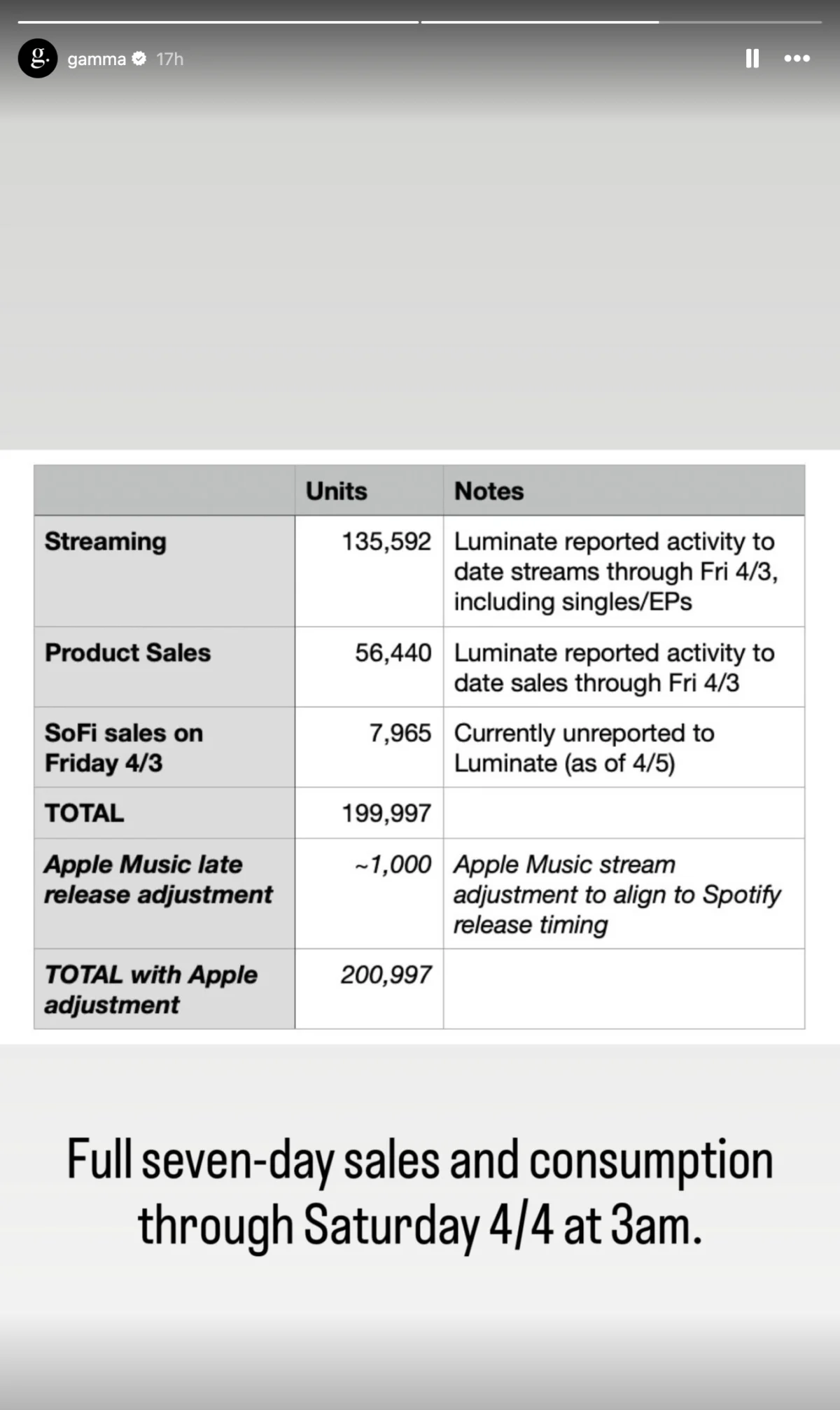
- Kanye West’s Global Touring Prospects: This UK ban will undoubtedly impact Kanye West’s ability to tour in other countries, particularly in Europe, where similar public sentiment and legal frameworks regarding hate speech exist. His ability to perform sold-out shows in the US, such as the recent concerts at Los Angeles’ SoFi Stadium for his new album Bully (where he was joined by artists like Lauryn Hill, Travis Scott, and Don Toliver), highlights a stark contrast in cultural and governmental responses across different regions. This suggests a fragmentation in his global appeal and accessibility.
The Road Ahead: What This Means for Wireless and Ye
For Wireless Festival, the immediate future involves damage control and rebuilding trust. The festival will need to demonstrate a clear commitment to its audience and sponsors to avoid similar situations. This may involve reviewing booking policies, enhancing vetting processes, and publicly reaffirming its values. Its long-term viability will depend on its ability to recover from this significant setback and deliver successful events in subsequent years.
For Kanye West, the UK ban is another chapter in a tumultuous period marked by self-inflicted controversies. While he retains a dedicated fanbase, particularly in the US, the incident further solidifies his image as a polarizing figure facing increasing international isolation. It forces a critical examination of his career trajectory, the limits of celebrity influence, and the enduring consequences of hateful rhetoric in the public sphere. The cancellation of Wireless Festival serves as a stark reminder that even global superstars are not immune to the social, political, and economic repercussions of their actions.