Indra Aziz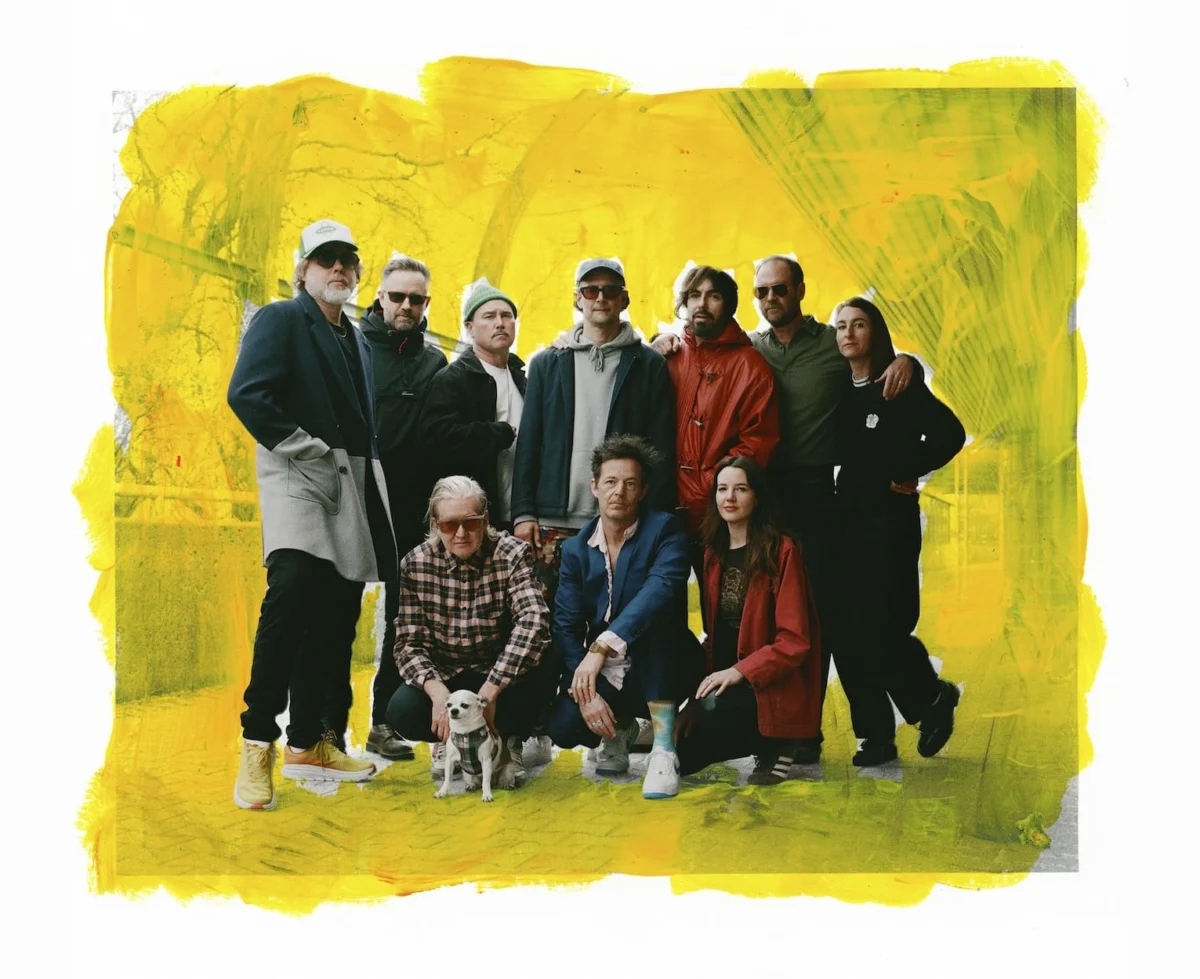
The Enduring Echo of Collective Creation: Broken Social Scene Returns with "Remember The Humans"
After a hiatus of nearly a decade, the expansive and ever-evolving Canadian indie-rock collective Broken Social Scene has resurfaced with their latest offering, "Remember The Humans." This new album, credited to a constellation of over 20 artists, marks a significant milestone for a band that has consistently defied conventional structures since its inception in 1999. The project’s journey to fruition, a process that spanned over two and a half years and was profoundly shaped by personal loss and evolving life stages, offers a poignant exploration of memory, identity, and the enduring power of connection.
A Collective Reawakening: The Genesis of "Remember The Humans"
Broken Social Scene, a project that began with a core of six members and grew into a sprawling congregation of musical talent, has always been more than just a band; it’s a testament to collaborative artistry. Over two decades, they have nurtured a unique ecosystem that has seen luminaries like Feist, Brendan Canning, and Lisa Lobsinger contribute their distinct voices and visions. Their latest album, "Remember The Humans," is a testament to this enduring spirit, presenting a sound that is both familiar in its layered complexity and refreshingly present in its thematic concerns.
The album’s creation was far from a simple studio session. Co-produced by David Newfield, who previously helmed their breakthrough album "You Forgot It in People" (2002) and the self-titled 2005 release, the recording process was marked by significant personal challenges for key figures. Kevin Drew, the band’s founder and often described as its "semi-leader," revealed that both he and Newfield experienced the loss of their mothers during the album’s development. This shared grief, he explained, inevitably infused the music with a profound depth, adding a somber yet cathartic layer to the creative output. "You carry your grief with you, especially as you get older, because the innocence is gone, because you’ve hardened, or experienced things that have made you colder," Drew reflected. "My mom was such a huge supporter of everybody in this band. She loved the people in this band."
Themes of Maturation and Memory: Beyond Nostalgia
"Remember The Humans" navigates a complex emotional landscape, exploring themes of renewal, maturation, and the persistent echo of memory. While the album undeniably carries a nostalgic resonance, reminiscent of beloved past tracks like "Anthems For a Seventeen Year Old Girl" and "Lover’s Spit," the band emphasizes a grounding in the present moment. The songs are described as "cut-and-paste snapshots of memory," weaving together disparate images and sentiments – dreams of parking lots, fleeting thoughts of bullets, and the ephemeral beauty of butterflies. This approach creates a tapestry of intangible epithets, allowing listeners to find their own meanings, a hallmark of Drew’s often abstract lyrical style.
"I felt that the record is about memory and taking stock of where you are at this moment in our lives, individually, but it isn’t nostalgic," explained Ariel Engle, a vocalist in the band and a respected solo artist. "Memory is a much more interesting state than nostalgia." This distinction is crucial, suggesting an active engagement with the past rather than a passive longing for it. The album, in this light, becomes a mantra to "remember the analogue," a call to appreciate the tangible and the real in an increasingly digitized world.
Drew himself characterized the album’s core ideas as stemming from "the simplest of fridge magnets." He elaborated, "You have to let go to move forward. The shedding of skin, all those clichés, they all exist in the truth and in the blood of what the record is." This simple yet profound philosophy underscores the band’s journey through personal and collective evolution, highlighting the necessity of release and acceptance for continued growth.
The Evolving Landscape of Motherhood and Artistic Identity
A significant theme that emerges from the discussions surrounding "Remember The Humans" is the complex interplay between motherhood and artistic creation. The album’s press materials, through an amusing inside joke, mistakenly credited Drew as a "midwife," a title that, while unintentional, feels fitting given the laborious nature of the album’s creation and the themes it explores. This led to discussions about the nature of "mother" in contemporary society, a question particularly pertinent to Engle, who is a mother herself.
"This question is a constant," Engle shared, speaking from her home in Montreal alongside guitarist Andrew Whiteman. "I’ve always felt that I’m either doing one or the other well – I’m either mothering well or being an artist. It’s hard to do both." This sentiment resonates with many working mothers who navigate the demanding schedules and inherent conflicts between professional ambition and parental responsibilities. Engle is part of a WhatsApp group comprising approximately 15 touring mothers from various bands, a testament to the shared challenges faced by women in the music industry striving to balance their creative pursuits with family life. The concept of the "maternal wall," a term describing the systemic barriers faced by working mothers, feels particularly relevant in this context, highlighting the often-unspoken difficulties of integrating these two demanding facets of life.
A Constellation of Individual Pursuits within a Collective Embrace
The inherent structure of Broken Social Scene, where individual members pursue their own distinct musical projects and personal endeavors, has always been a source of both strength and logistical complexity. Andrew Whiteman, a guitarist and vocalist within the band, articulated this dynamic: "We are connected. You don’t break up from your family, and you don’t break up from this band. You love them, you’re irritated by them, and you just muddle your way through." This familial bond, characterized by both affection and occasional friction, is the bedrock upon which the collective continues to operate.
The album’s release coincides with a period of intense individual activity for many members. Whiteman, for instance, is pursuing a PhD focused on the eruption of mythology in contemporary experimental American writing. Meanwhile, guitarist Charles Spearin is undertaking a six-week silent retreat, a pursuit that Drew mused he himself might consider, noting the profound healing power of silence. These individual pursuits, while seemingly disparate, contribute to the richness and depth of each artist’s contribution to the collective.
Navigating a Changing Industry and a Gentrified Landscape
This year also marks the 25th anniversary of Broken Social Scene’s debut, a significant milestone that prompts reflection on their journey within the Canadian music industry. Drew recalled the early days, stating, "We were surrounded by handcuffs in the Canadian music industry. When we first came out [on the scene], without knowing it, we were breaking down a lot of barriers for bands." Their innovative approach and expansive sound helped pave the way for a more diverse and experimental music landscape in Canada.
However, the band has also witnessed a significant transformation in their home base of Toronto. Over the past two decades, the city has undergone extensive gentrification, which has, in many respects, diminished its once-vibrant artistic and creative heart. "We have to fight so much harder to be heard," Drew admitted, highlighting the increased challenges of maintaining visibility and artistic space in a rapidly changing urban environment.
An Optimistic, Unwavering Vision for the Future
Despite the challenges and the ever-shifting tides of the music industry, Broken Social Scene’s outlook for the future remains optimistic, albeit characteristically cryptic. Drew reiterated their core ethos: "Popularity was the currency that we never wanted to be a part of. We wanted to reach the heartbeats and ears of people that felt alone, who are trying to exist in the current day and age." This unwavering commitment to creating music that resonates with individuals on a personal level, fostering a sense of connection and understanding, continues to define their artistic mission.
As Broken Social Scene embarks on a North American, UK, and European tour alongside fellow Canadian indie-rockers Metric and Stars, they carry with them the weight of their past, the wisdom of their present experiences, and an enduring optimism for the future. "Remember The Humans" is not merely an album; it is a testament to the resilience of collective spirit, the enduring power of human connection, and the profound beauty that can emerge from shared experiences, both joyful and sorrowful. It is a reminder that even in the face of life’s inevitable changes and losses, the act of creation, of coming together, offers a powerful and healing force.